

Rustic Elm Chair
A rustic elm chair brings vernacular comfort and honest construction into a room, forged from sturdy native timber by regional hands.
Rustic Elm Chair
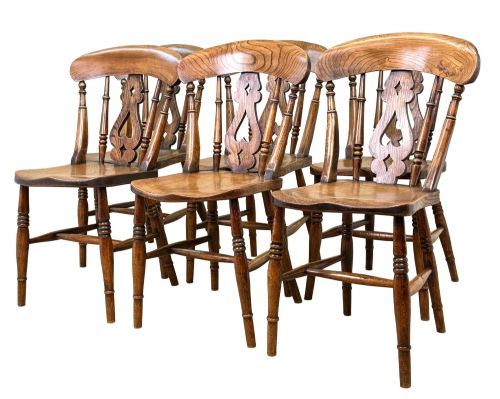
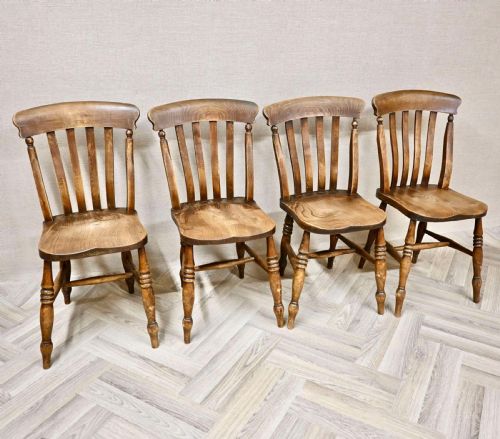
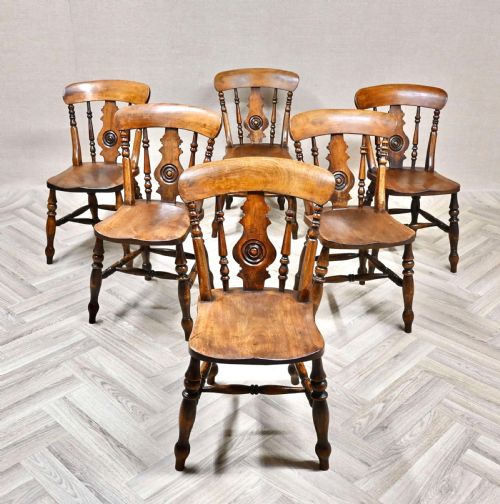
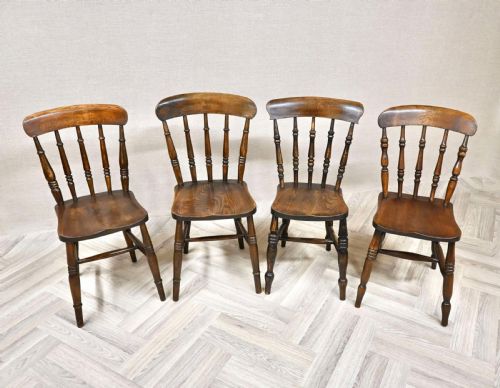
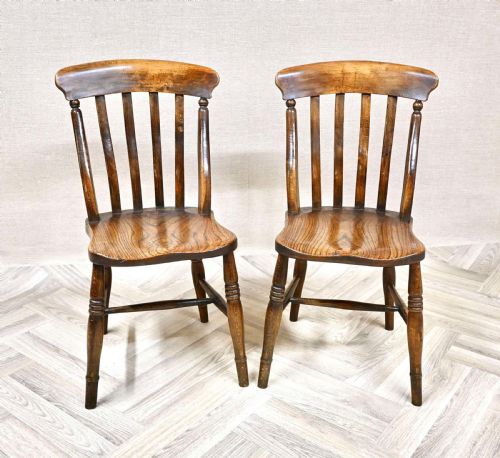
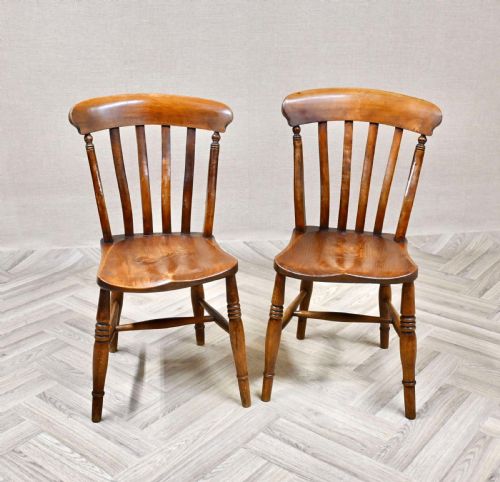
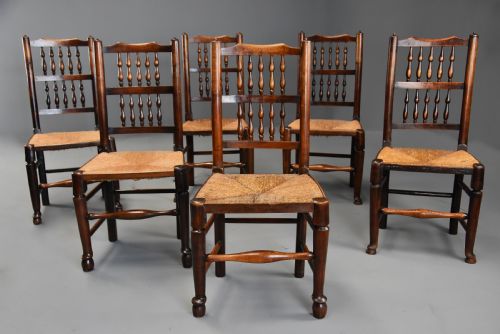
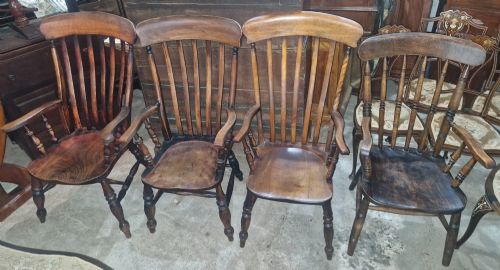
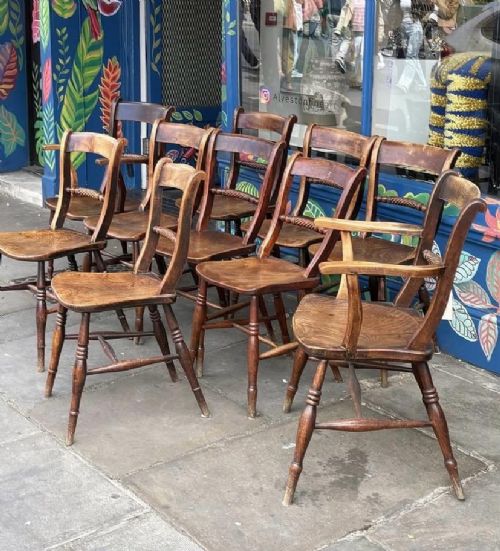
A rustic elm chair is a piece of vernacular seating built primarily for daily utility in farmhouses, kitchens, and country homes. When you search for a rustic elm chair, you encounter regional variations shaped by local makers across the eighteenth and nineteenth centuries.
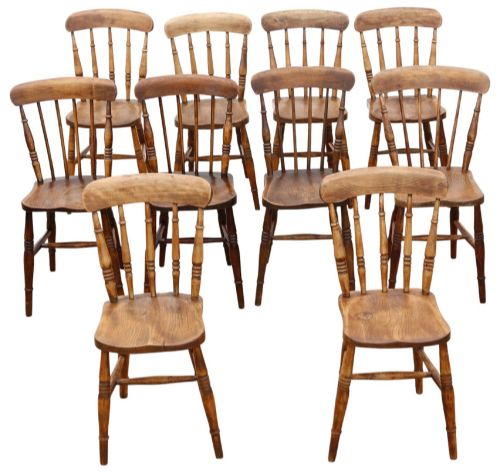
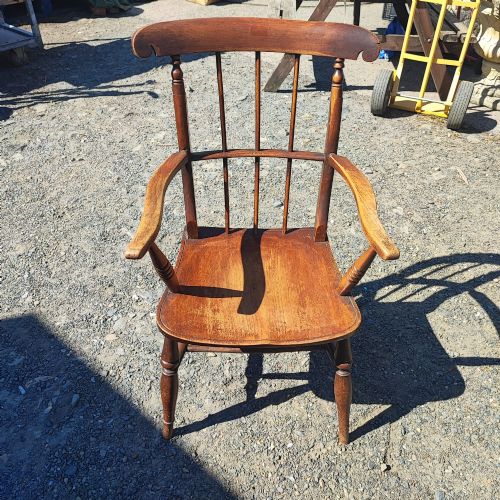
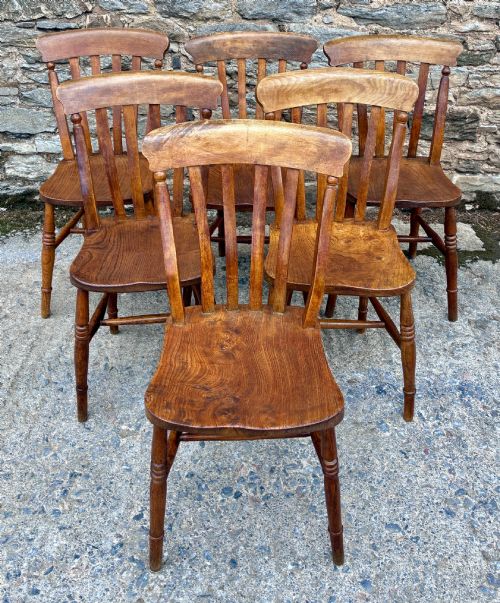
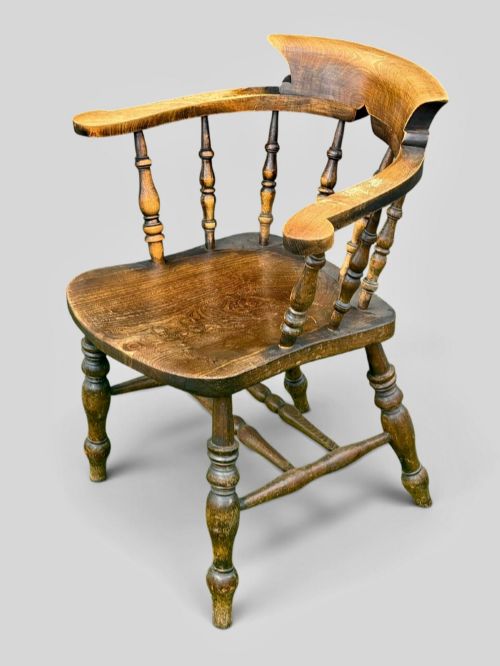
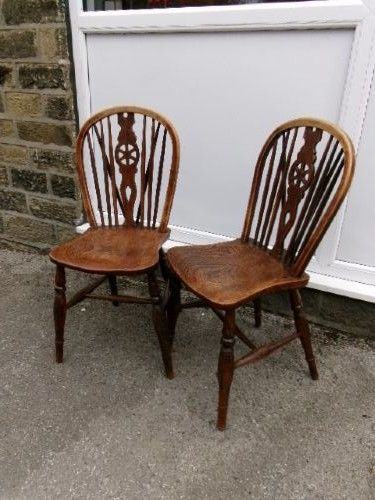
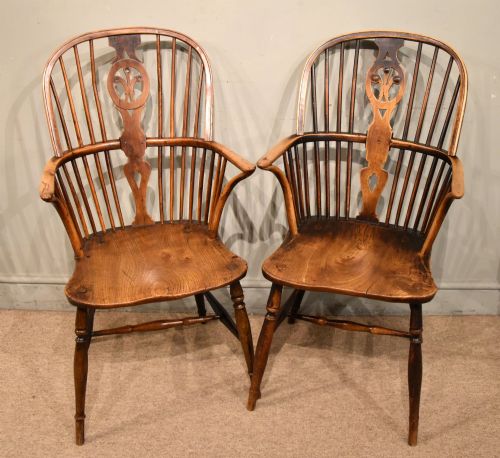
The most common form on this page is the Windsor chair, featuring a solid plank seat with legs and back spindles pegged directly into the wood. These seating pieces span armchairs, high-backs, wheelbacks, and matched or harlequin sets meant for dining.
Evaluating the standard of construction
Quality rests in the harmony of the timber selection and the integrity of the original joints. An exceptional piece retains its deep surface patina, balanced proportions, and uncompromised structural wedge pins where the legs pierce the seat.
Lower tiers often show heavy timber shrinkage, replaced undercarriage components, or excessive sanding that strips away the undulating tool marks left by the original adze and scorper.
Listings feature elm combined with ash, beech, oak, yew, and rush across Georgian and Victorian periods.
The Rustic Elm Chair Glossary
- Windsor chair
- A chair built with a solid wooden seat into which the back and legs are dowelled directly. This form relies on a heavy plank base rather than a separate frame.
- Comb-back
- A Windsor chair variant where the upright spindles pierce a horizontal crest rail resembling the teeth of a comb. This style offers a distinct high back support.
- Crinoline stretcher
- A bentwood undercarriage brace shaped like a hoop that connects the legs of a Windsor chair. It adds rigidity and provides a footrest.
- Harlequin set
- A group of dining chairs matched by style and period rather than born from a single workshop. These sets bring varied regional character to a table.
- Vernacular
- Objects designed by local craftsmen using traditional regional methods rather than following formal academic design patterns. These pieces serve practical domestic needs.
Rustic Elm Chair: Frequently Asked Questions
How do I identify an 18th century elm chair?
Eighteenth century examples often show deep adze marks on the plank seat and distinct high comb-backs or panel-backs. The timber grain displays natural wear patterns developed over generations of domestic use.
Construction details like tapered spindles and hand-carved arm terminals further distinguish these earlier vernacular pieces from later Victorian factory-influenced production.
Can I mix these chairs around a dining table?
Mixing different country chairs creates an authentic harlequin arrangement that reflects how rural households gathered seating over time. Combining similar heights and shared wood tones keeps the group visually cohesive.
Matching elm seats with beech or ash framing elements provides enough common thread to tie disparate regional chairs together successfully.
How should I care for an antique elm surface?
Maintain the dry, honest surface patina by applying traditional beeswax sparingly and buffing with a soft cloth. Avoid modern liquid polishes that build up artificial gloss and trap dirt in the wood grain.
Keep the timber away from direct heat sources and dramatic humidity shifts to prevent the elm plank seat from splitting or warping.