
Brown Carved Armchair
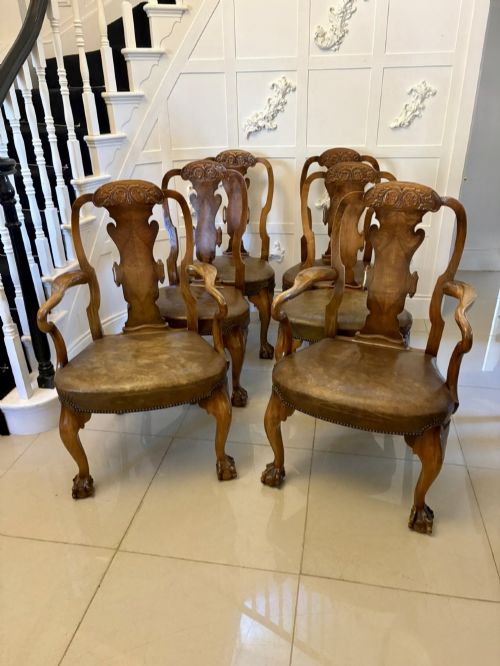
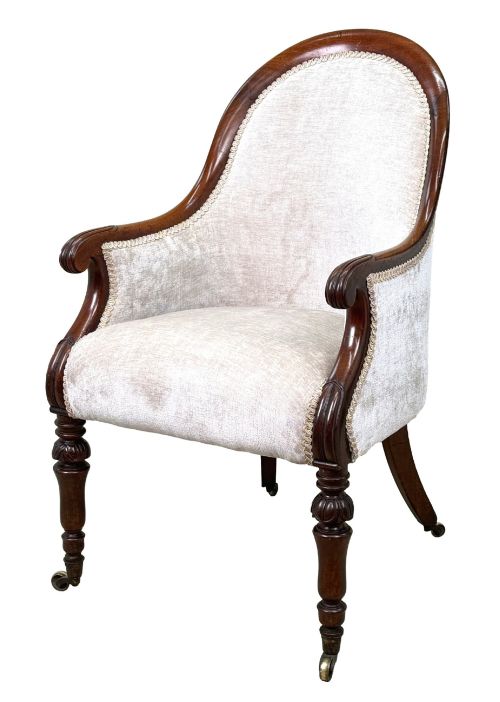
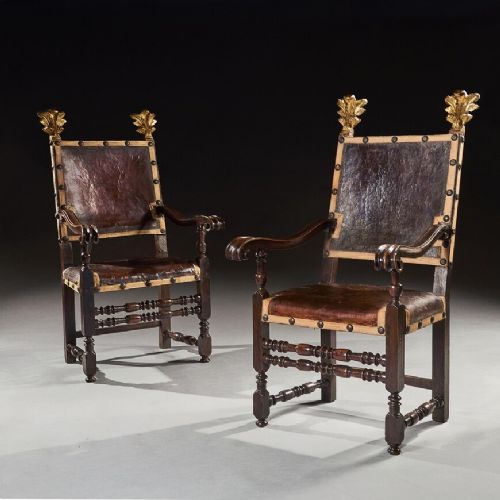
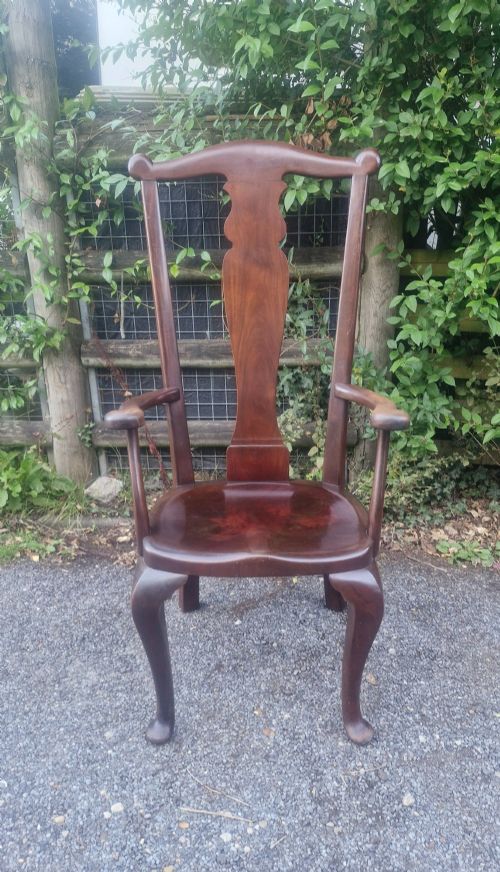
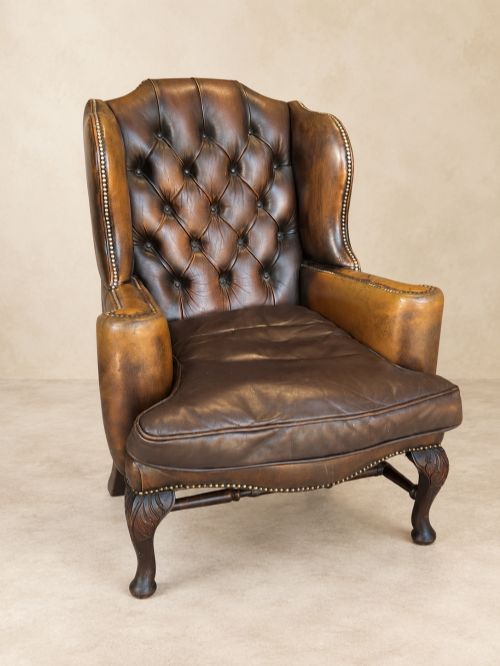
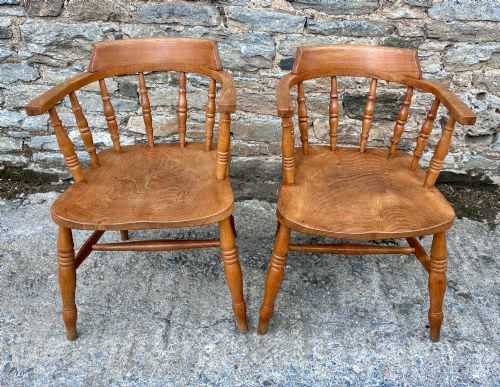
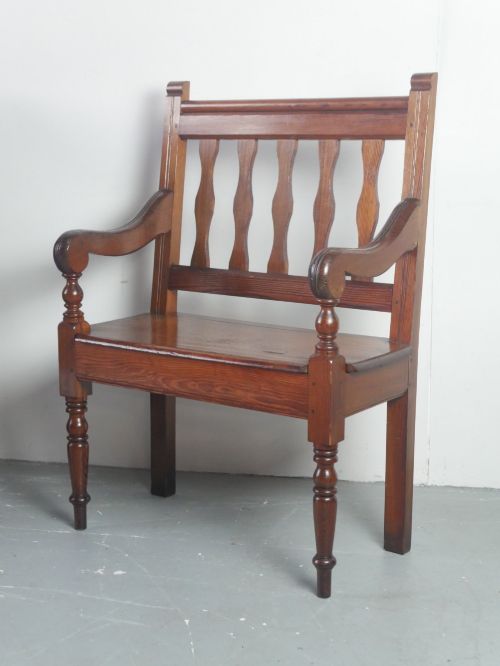
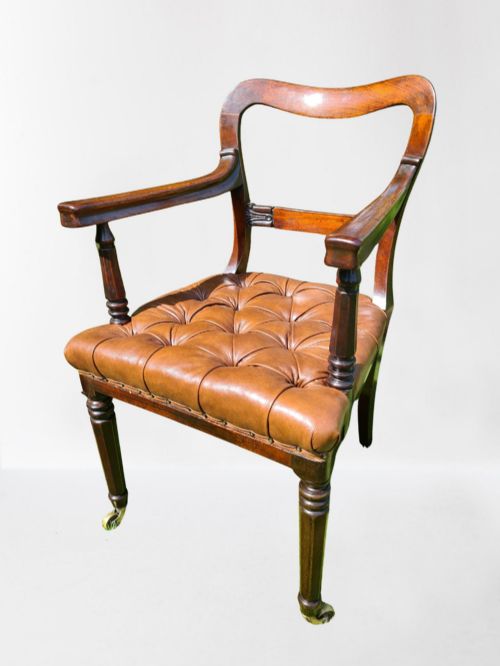
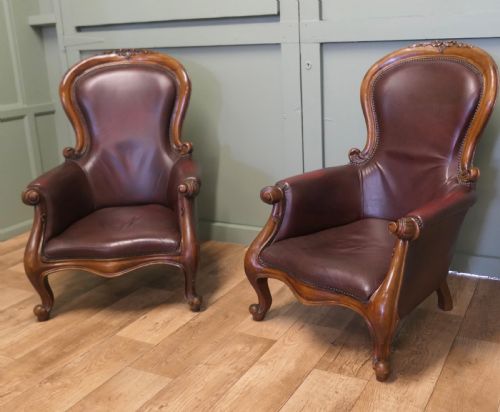
A brown carved armchair brings rich timber tone and tactile depth to a room, offering substantial seating built with traditional joinery.
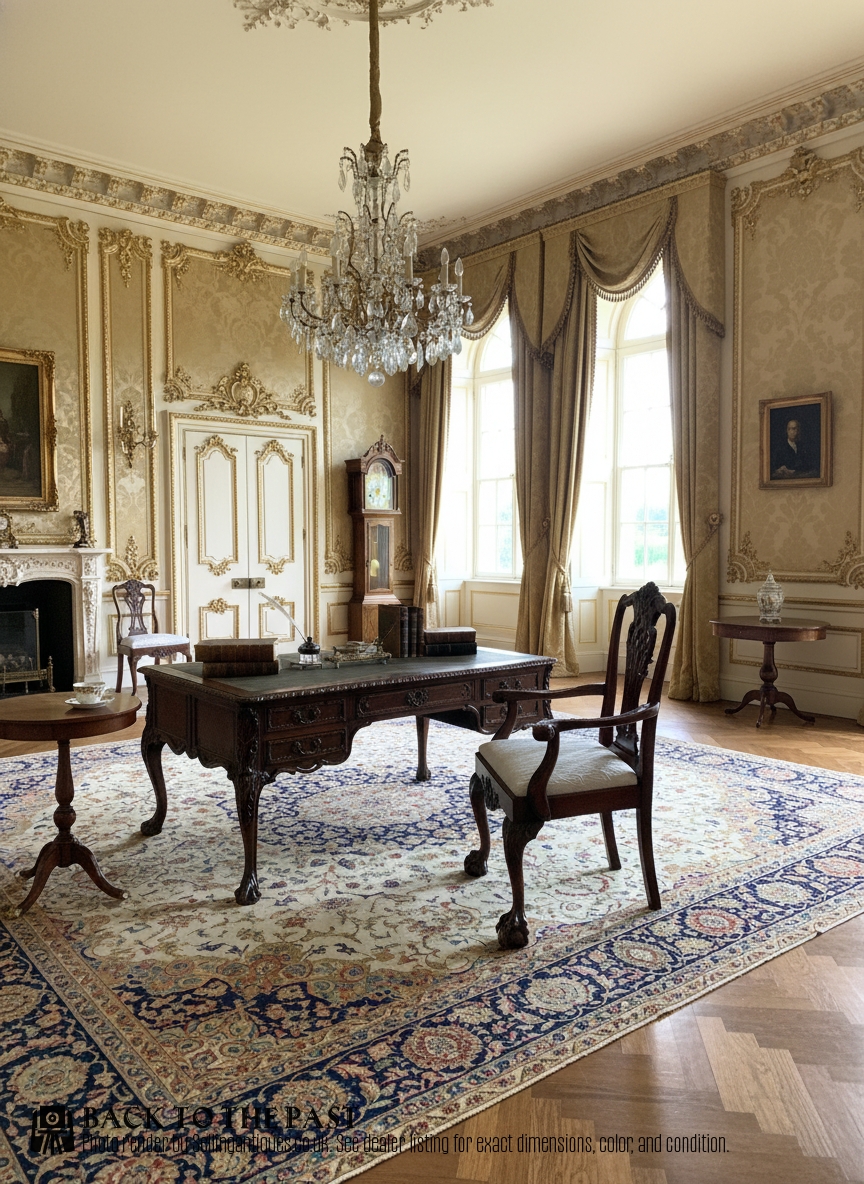
Brown Carved Armchair
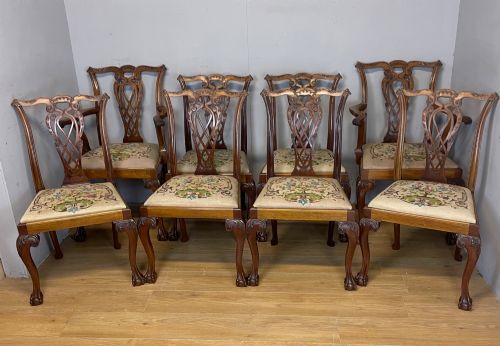
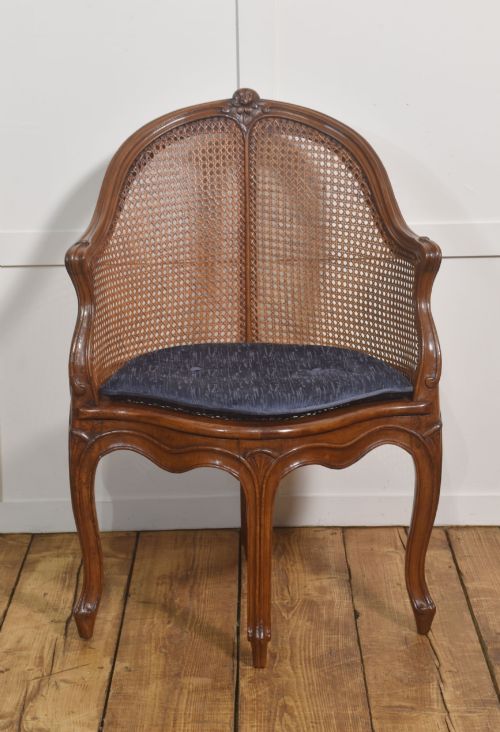
A brown carved armchair encompasses sturdy seating forms rooted in historical periods like the seventeenth and nineteenth centuries. These pieces emerge in dark timbers, often displaying detailed wooden enrichment along the crest rails, arms, and cabriole legs.
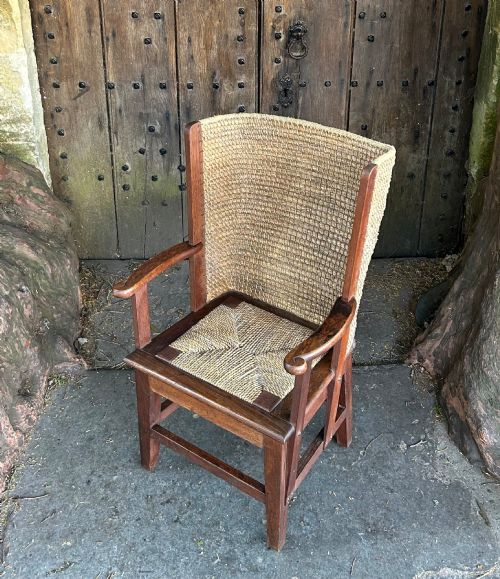
Buyers meeting this phrase most frequently encounter nineteenth-century mahogany, oak, and walnut examples. The selection spans utilitarian captain chairs, library tub seats, and heavy wainscot forms, reflecting varied domestic and institutional uses across Britain and Europe.
Evaluating craftsmanship
Quality rests in the crispness and depth of the timber carving and the weight of the frame. Superior examples show confident hand-tooling rather than soft or shallow machine shaping.
The integrity of the timber and the retention of an authentic surface patina distinguish finer seating. Original joinery without modern reinforcement indicates superior historical preservation.
Listings feature woods like mahogany, oak, walnut, elm, and birch paired with leather, cane, and brass details.
Warings·Andrea Brustolon
The Brown Carved Armchair Glossary
- Wainscot chair
- A heavy wooden armchair dating from the seventeenth or eighteenth century, constructed with panelled backs and solid armrests.
- Glastonbury chair
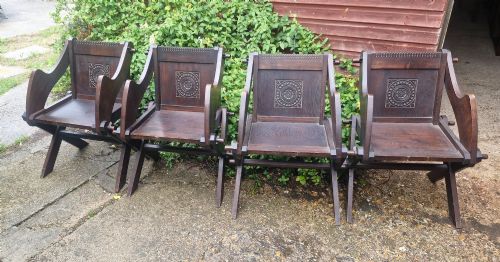
- A distinctive nineteenth-century ecclesiastical armchair design featuring folding X-frame supports and inscribed wooden panels.
- Smoker's bow
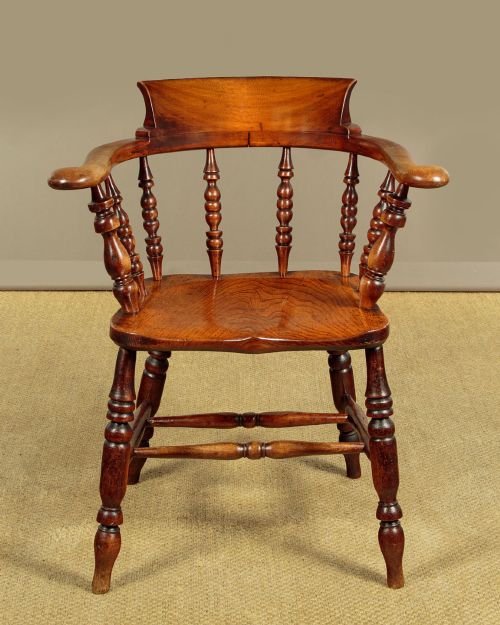
- A low-backed wooden Windsor armchair featuring a rounded continuous arm rail supported by turned spindles.
- Parcel-gilt
- A decorative treatment where specific carved wooden details are partially gilded with gold leaf over a dark timber ground.
- Cane
- Woven rattan material utilised for chair seats and backs to create a flexible, breathable panel.
Brown Carved Armchair: Frequently Asked Questions
What periods do these armchairs come from?
The pieces span multiple centuries, ranging from seventeenth-century walnut frames to nineteenth-century Victorian revivals. Later twentieth-century interpretations also appear in the selection.
Each period brings distinct stylistic traits, from heavy seventeenth-century oak panelling to elaborate nineteenth-century revival carving.
How were these chairs used historically?
These armchairs served various domestic functions, acting as primary seating in libraries, studies, and dining rooms. Sturdier forms provided fireside comfort in halls and parlours.
Specific variants like desk chairs and captain chairs fulfilled practical working requirements in offices and commercial spaces.
How do I care for leather and wood?
Maintain the timber by applying a traditional beeswax polish to nourish the grain and prevent drying. Avoid placing the furniture near direct heat sources or strong sunlight.
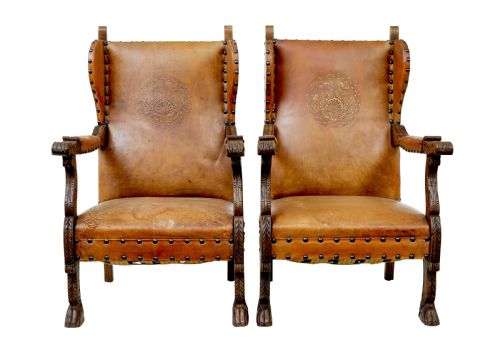
Condition leather surfaces periodically with a suitable balm to preserve suppleness and prevent cracking around the brass tacks.
How can I tell different revival styles apart?
Victorian Gothic revival pieces display pointed arches, tracery, and heavy mouldings inspired by medieval architecture. Chippendale revival items feature elaborate interlaced splats and carved cabriole legs.
Examining the underlying timber and construction methods helps distinguish nineteenth-century interpretations from earlier original pieces.