
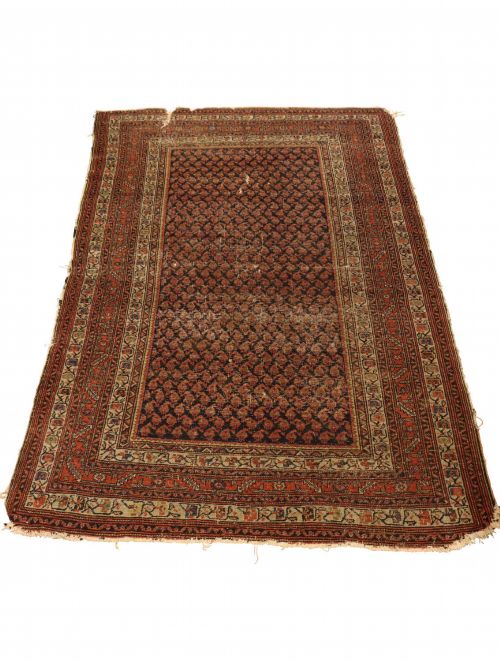


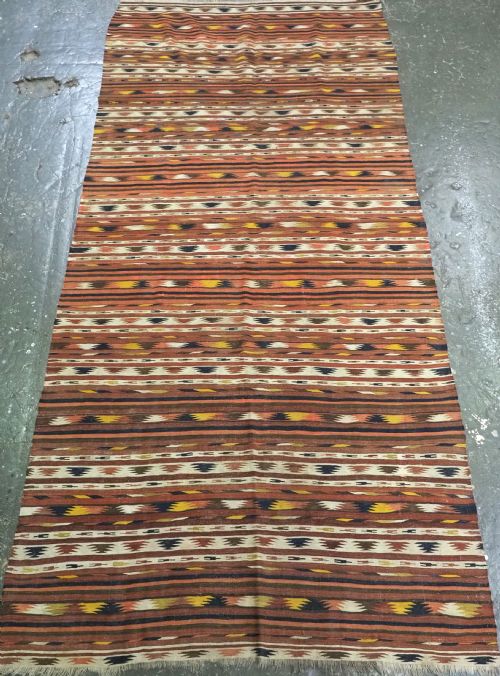


Rust Wool Carpet Runner
These rust wool carpet runner examples bring warmth and pattern to long corridors through durable woven wool.
Rust Wool Carpet Runner
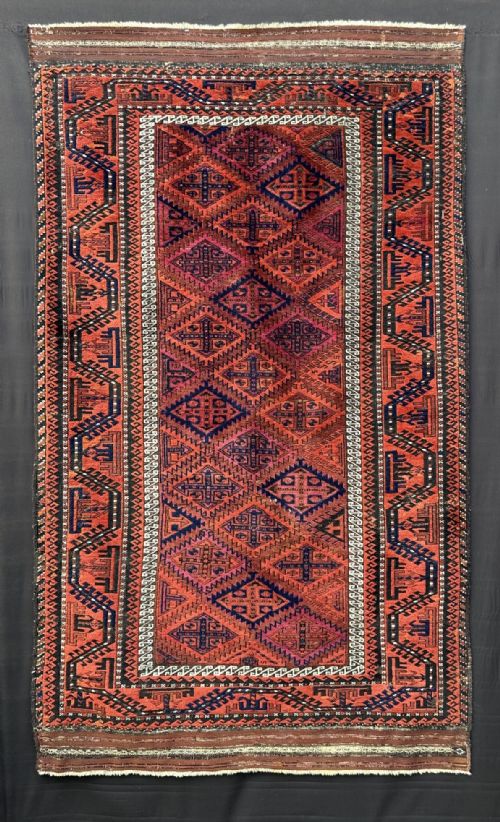
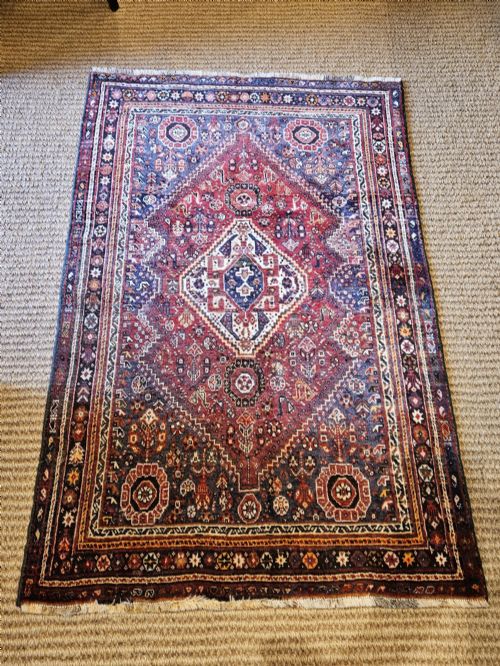
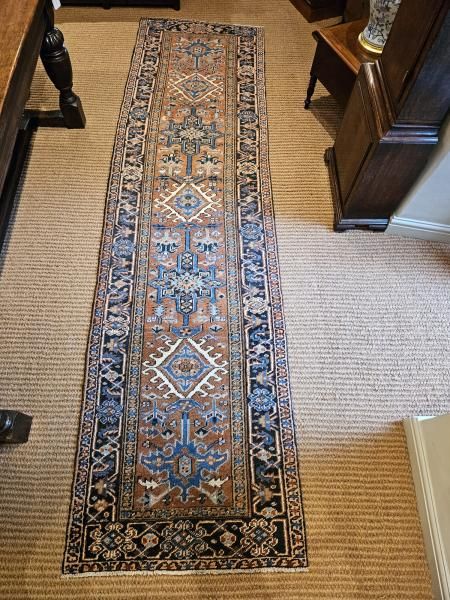
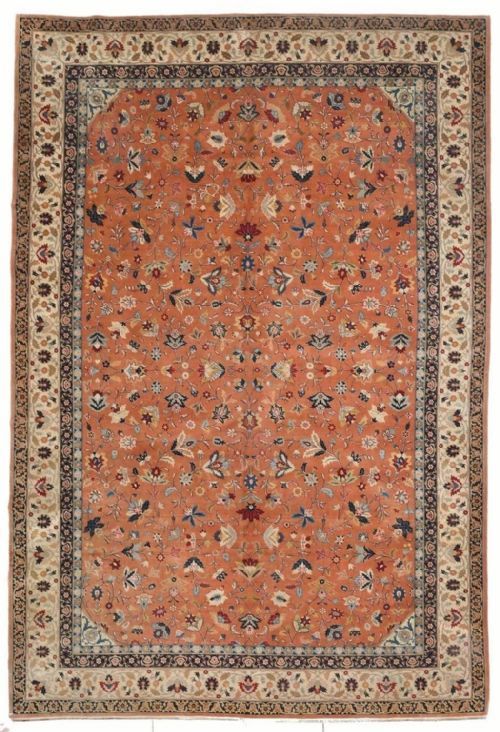
Buyers seeking this phrase encounter various regional styles, including Persian tribal designs, Baluch pieces, and specific village formats such as Heriz and Bakshiash. The palette relies heavily on warm rust tones derived from natural or early chemical dyeing methods applied to wool piles.
Formats range from narrow corridor lengths to gallery proportions, accommodating different architectural requirements. Each piece reflects the functional weaving methods of nomadic and village workshops rather than mass-produced factory standards.
Materials and construction
The primary material found across these listings is wool, chosen for its resilience and ability to hold deep dye saturation, particularly the characteristic rust shades. Foundation threads often incorporate cotton or supplementary animal hair such as goat hair to provide structural stability to the woven field.
Construction relies on hand-knotting techniques executed on upright looms, creating dense pile surfaces designed to withstand heavy foot traffic. Tribal and village weavers utilised local materials, resulting in variable knot densities and distinct textural characteristics across individual pieces.
Narrow village runners often vary slightly in width from top to bottom, revealing the honest hand of the weaver working at the loom.
Qualities that set examples apart
Distinction within this group rests upon the precision of the weave and the depth of the dye work, particularly how well the rust and secondary colours have matured over time. Finer knot counts allow for sharper rendition of geometric motifs, boteh designs, and intricate lattice patterns.
Structural integrity also dictates standing, with evenly balanced foundations and well-secured edges separating superior examples from heavily worn specimens. The visual impact of the design layout, whether balanced tribal guls or continuous field repeats, determines the overall presence of the runner.
The Rust Wool Carpet Runner Glossary
- Boteh
- A stylised almond or pear-shaped motif of Persian origin that frequently appears repeating across tribal and village carpets. This motif has ancient roots and is often associated with fertility and life.
- Gul
- A medallion-like primary design element repeated across the field of Turkmen and Baluch carpets. These octagonal or polygonal motifs often denote specific tribal lineages.
- Kilim
- A flat-woven carpet or rug produced without a pile by tightly interweaving warp and weft strands. This technique creates a lightweight, reversible textile with sharp geometric patterns.
- Runner
- A long, narrow carpet format specifically designed for corridors, stairs, and narrow hallways. They provide both acoustic dampening and floor protection in high-traffic areas.
- Warp
- The stationary vertical threads stretched across a loom that form the structural foundation of a woven rug. Wefts are interlaced horizontally through these threads to secure the knots.
Rust Wool Carpet Runner: Frequently Asked Questions
Where should I place a rust wool carpet runner?
These long formats suit narrow hallways, staircases, and entrance corridors where durable floor coverings are required. Their warm rust tones add visual weight and colour to transitional spaces.
Ensure you use an appropriate underlay to prevent slipping and to cushion the wool pile against hard subfloors.
How do I clean a antique wool runner?
Gentle vacuuming without a rotating brush roll prevents damage to the hand-knotted pile and delicate edge bindings. Professional textile cleaners experienced with antique carpets should handle deeper maintenance.
Avoid excessive moisture and harsh chemical detergents, which can strip natural dyes from the wool.
What causes the rust colour in these runners?
The rust hues are achieved through traditional dyeing methods utilising natural sources or early aniline dyes applied to sheep wool. Over decades of exposure to light and air, these tones develop a characteristic soft patina.
Sonal variations across the field often indicate batch dyeing or natural fading over time.
Are these runners suitable for heavy foot traffic?
Wool possesses natural lanolin that resists dirt and provides inherent resilience against crushing from daily foot traffic. Denser weaves found in traditional village and tribal pieces offer greater durability.
Rotating the runner periodically ensures even wear patterns along its length over the years.