





Traditional Persia Runner
Traditional Persia runner choices bring the rich, tactile heritage of weaving into a long hallway, offering enduring character and historic depth underfoot.
Traditional Persia Runner
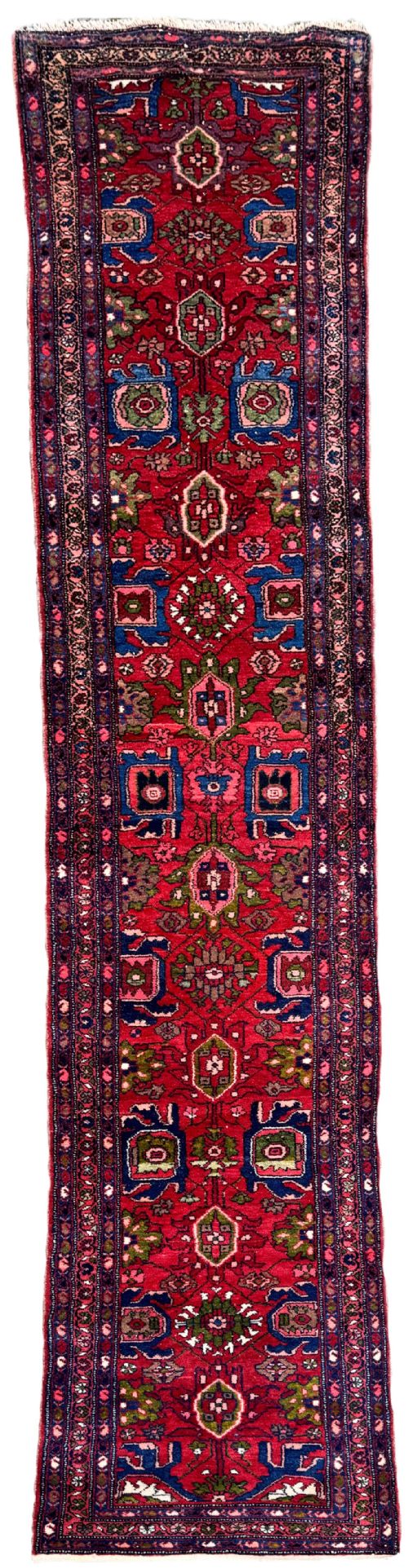
A traditional persia runner delivers a narrow, elongated format designed specifically for corridors, hallways, and narrow spaces within a home. These floor coverings emerge from various regions and nomadic groups across Persia, spanning the late nineteenth and early twentieth centuries.
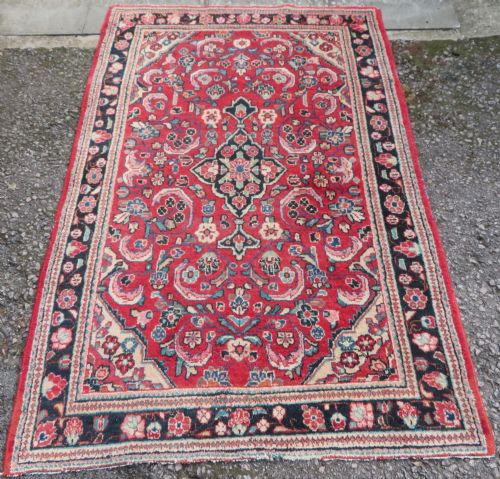
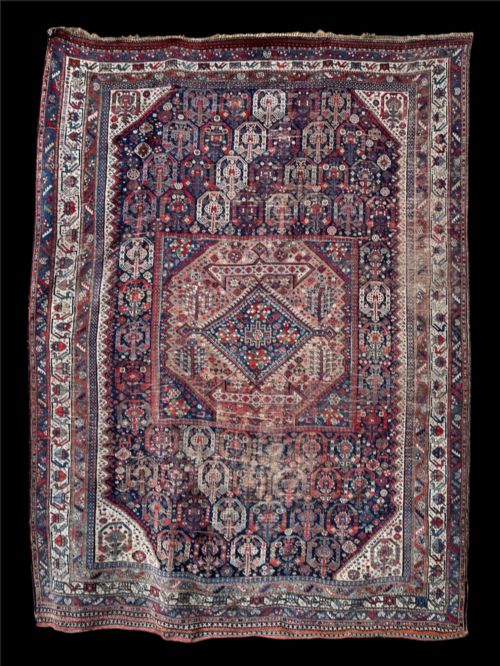
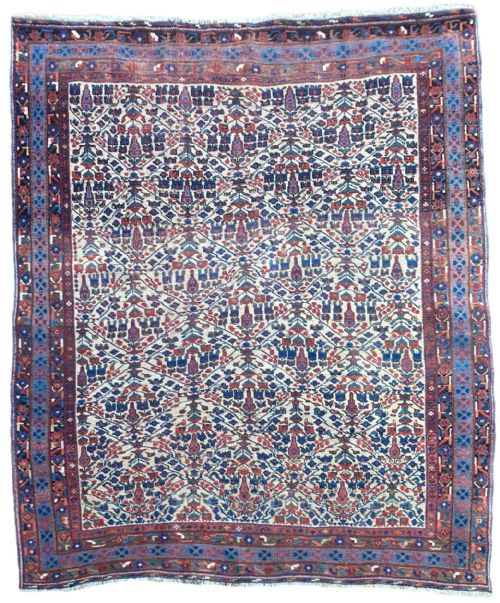
Buyers meet specific village and tribal formats on this page, including Hamadan and Heriz runners alongside regional corridor carpets. Each piece reflects the distinct weaving traditions of its specific origin, from the Chahar Mahal region to north-west Persia.
Materials and construction methods
Weavers utilised natural wool for the pile, providing durability and a soft texture that holds dye over generations. Cotton frequently served as the foundation material for warps and wefts, lending structural stability to the woven format.
Traditional production involved hand-knotting techniques executed on upright looms by village and tribal artisans. Natural and early synthetic dyes coloured the wool, creating complex geometric and floral patterns that define each regional style.
Nomadic weavers sometimes incorporated small accidental asymmetries into geometric borders to ward off the evil eye.
Distinctions in quality
Knot density and structural tightness set finer examples apart from coarser tribal makes, influencing how well the pile resists daily foot traffic. Precision in the execution of intricate geometric or medallion motifs indicates the weaver's skill level.
The integrity of the foundation and the evenness of the wear across the runner determine its structural condition. Examples retaining strong selvedges and original ends demonstrate superior preservation over time.
Waring and Gillow
The Traditional Persia Runner Glossary
- Runner
- A long, narrow carpet format traditionally utilised in hallways, corridors, and on stairs. This shape guides movement through domestic spaces.
- Warp
- The stationary vertical threads stretched upon a loom before weaving begins. The foundation fringe typically originates from these parallel threads.
- Weft
- The horizontal threads passed alternately over and under warp threads to secure the knots in place. This material contributes to the structural firmness of the rug.
- Pile
- The upright cut or looped wool fibres that form the soft surface of the carpet. The height and density of this layer affect both comfort and durability.
- Selvedge
- The reinforced side edges of a rug formed by wrapping extra weft threads. This finishing prevents the edges from fraying or unravelling.
Traditional Persia Runner: Frequently Asked Questions
Where should a runner go?
These narrow formats suit hallways, corridors, and transitional spaces where linear floor coverage enhances the room. They protect high-traffic wooden floors while adding warmth and colour to otherwise neglected passages.
Measuring the available floor space carefully ensures the runner leaves a balanced border of exposed floorboards on either side. Positioning them away from damp areas preserves the wool pile and cotton foundation.
How do I clean a runner?
Regular gentle vacuuming without a rotating brush roll removes surface grit that can lodge within the wool pile. Professional specialist cleaning remains essential for deep washing to protect natural dyes.
Avoiding harsh chemical detergents prevents the wool fibres from drying out and losing their natural lanolin. Promptly blotting liquid spills rather than rubbing stops stains from penetrating the foundation threads.
Are these rugs durable?
Hand-knotted wool construction on a cotton foundation provides natural resilience against heavy daily foot traffic. The dense pile absorbs friction while maintaining its structural integrity over decades of domestic use.
Utilising a quality underlay beneath the runner prevents slipping and cushions the weave against hard flooring. This simple addition reduces wear and extends the lifespan of vintage floor coverings.
How do I date a piece?
Stylistic motifs, colour palettes, and structural characteristics help approximate the period of origin for traditional weaving. Natural dye variations and specific regional designs often point towards late nineteenth or early twentieth-century production.
Examining the construction methods on the reverse side reveals clues regarding village or tribal workshop practices. Comparing knot types and wool characteristics with documented regional examples aids identification.