




Royal Worcester Porcelain Figure
A royal worcester porcelain figure brings Victorian and Edwardian narrative sculpture into the room through delicate modelling and subtle polychrome painting.
Royal Worcester Porcelain Figure
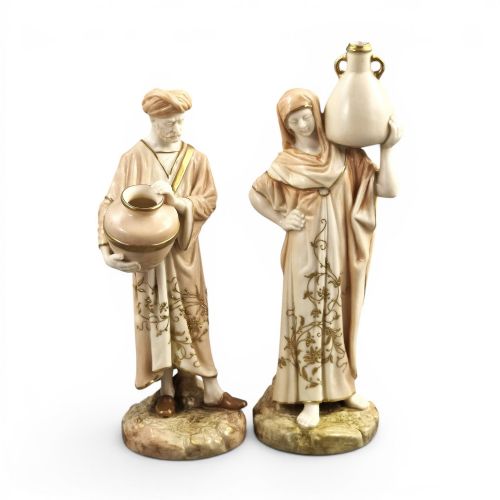
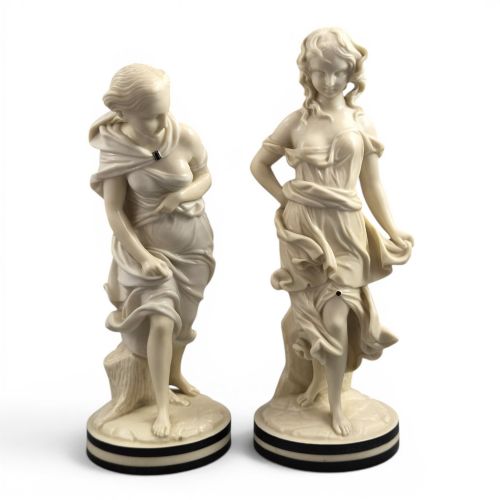
A royal worcester porcelain figure represents a diverse sculptural tradition spanning the nineteenth and twentieth centuries, encompassing classical maidens, Orientalist water carriers, literary characters, and charming candle snuffers. These objects capture changing aesthetic tastes from Victorian classicism and orientalism through to Edwardian whimsy and Art Deco lines.
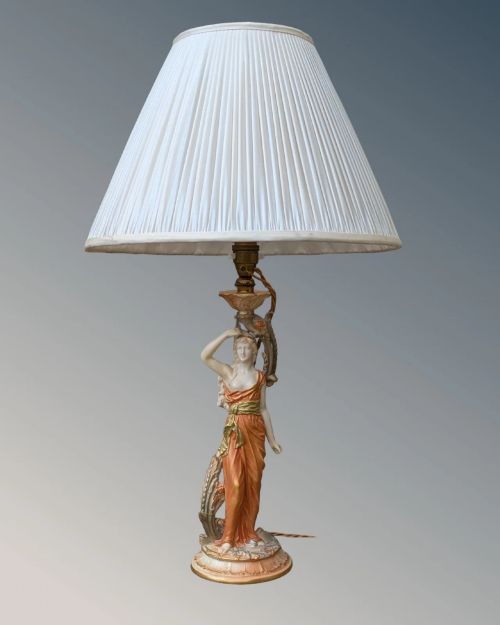
The pieces emerge in various functional and decorative forms, including freestanding figurines, sculptural candlesticks, candelabra, and table lamps. Common subjects range from mythological figures and children to historical models designed by notable modellers associated with the factory.
How They Were Made
Makers utilised fine ceramic bodies, principally standard porcelain and unglazed Parian ware, which mimics marble for classical subjects. Items often received careful hand-painting in enamels combined with gold leaf, gilding, or gilt highlights to accentuate drapery and patterned garments.
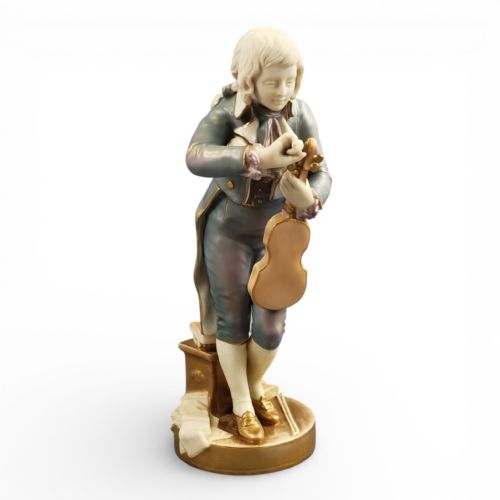
Specialised techniques included blush ivory finishes and shot enamel applications, which produced subtle iridescent colour shifts across the glazed surfaces. Pieces were frequently cast from detailed moulds before receiving individual finishing and signature modelling by factory artists.
Listings span the nineteenth century through the 1950s, featuring porcelain, Parian ware, enamel, and gold leaf.
What Varies in Quality
Quality rests upon the crispness of the original moulding and the sensitivity of the hand-painting, particularly in facial expressions and delicate polychrome or gold detailing. Finer examples retain sharp relief in complex drapery and intricate patterns without losing anatomical proportion.
The distinction between standard production items and works by celebrated modellers like James Hadley lies in the sculptural depth and individual character of the modelling. Superior gilding and enamel work remain intact and evenly applied across complex surfaces like candlesticks and water carriers.
James Hadley·Freda Doughty·Gwendoline Parnell·Kerr And Binns
The Royal Worcester Porcelain Figure Glossary
- Parian ware
- A fine unglazed white porcelain developed to imitate marble, frequently utilised for Victorian classical figures. It allows intricate sculptural detail to emerge without glaze obscuring the surface.
- Blush ivory
- A soft cream-coloured ceramic ground introduced in the late nineteenth century, often decorated with pastel flowers and gilt. This finish provides a muted background for Orientalist and naturalistic subjects.
- Candle snuffer
- A small conical figurine with a handle, designed to extinguish candle flames while doubling as a miniature decorative sculpture. These practical items often depict historical or fictional characters.
- Shot enamel
- An enamelling technique that creates iridescent, multi-toned colour effects across the ceramic surface as light shifts. It appears on select large decorative figures from the Edwardian period.
- Patent metallic
- A specialised finish applied to certain Victorian figures to simulate bronze or other metals on ceramic bodies. This technique adds an industrial weight to sculptural compositions.
Royal Worcester Porcelain Figure: Frequently Asked Questions
What is blush ivory?
Blush ivory is a soft, matte cream ceramic ground developed by the factory during the late nineteenth century. It provides a warm background for delicate floral painting and subtle gilding.
This finish is frequently found on water carriers and Orientalist figures from the Victorian and Edwardian periods.
How do I date a figure?
Dating relies on factory factory marks printed or impressed on the underside, often consisting of dots, crescents, or coded symbols unique to specific years. Stylistic clues like Victorian classical revival or Edwardian costuming also help narrow the timeframe.
Comparing model numbers with factory records confirms the exact production era of each piece.
What are Parian figures?
Parian ware is an unglazed porcelain body created to resemble carved marble, making it ideal for classical maidens and sculptural busts. The material captures fine anatomical details and drapery without the glossy interference of traditional glazes.
Victorian makers utilised this ceramic composition extensively for sculptural art pieces.
How were candle snuffers used?
Candle snuffers combined a functional domestic tool with miniature sculptural art, featuring a hollow conical base beneath a modelled figure. Households used them to safely extinguish candles before electricity became widespread.
Collectors prize these small figures for their distinct character representations and varied subjects.