


Late Victorian Porcelain Statue
A late victorian porcelain statue brings nineteenth-century character to a room, offering classical figures and detailed birds modelled with precision.
Late Victorian Porcelain Statue
When you search for a late victorian porcelain statue, you encounter figurines, busts, and sculptural groups dating from the closing decades of the nineteenth century. These works capture the period's diverse aesthetic interests, spanning classical subjects, orientalist themes, and naturalistic bird studies.
How they were made
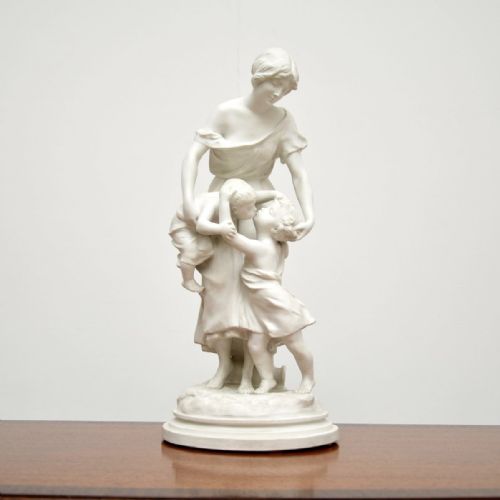
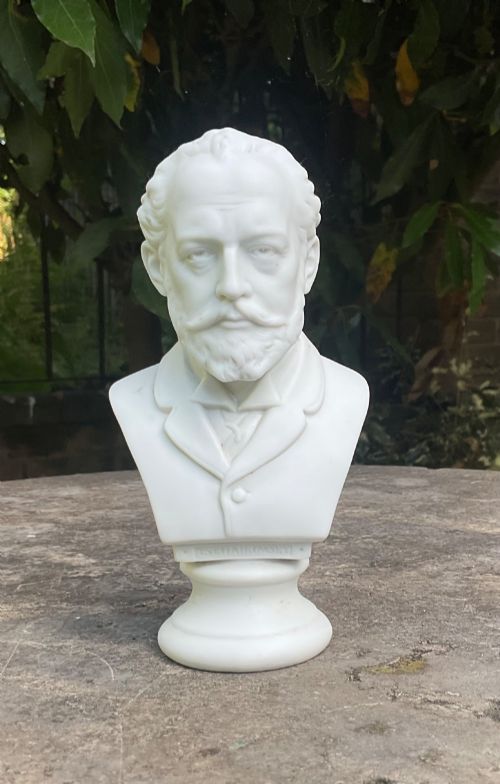
Makers utilised porcelain and unglazed bisque or parian porcelain to achieve different surface textures, often finishing works with enamel painting, glaze, or targeted applications of gold leaf and gilt. Parian ware provided a matte, marble-like finish suited to classical studies and portrait busts.
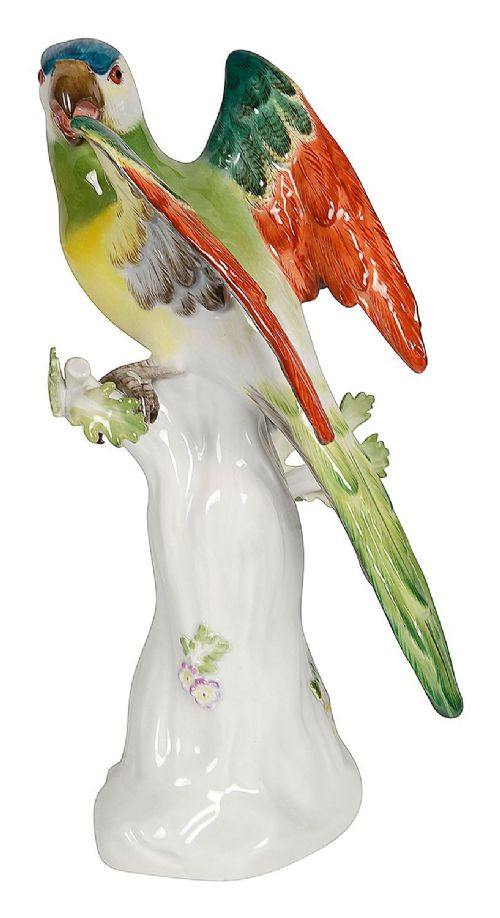
Modelting relied on skilled ceramic techniques to capture intricate drapery, avian plumage, and facial expressions before firing. Workshops combined moulded sections with hand-finished details to produce figures ranging from cabinet scale to larger decorative sculptures.
Listings feature 19th-century periods alongside materials like parian porcelain, bisque, and gold leaf.
What varies in quality
Scale and ambition also differentiate the range, with larger cabinet figures and complex multi-figure groups demanding greater technical mastery in the kiln. The success of parian pieces depends entirely on the purity of the porcelain body and the smoothness of the unglazed surface.
Meissen·Hadley Worcester·Vion et Baury·Royal Worcester
The Late Victorian Porcelain Statue Glossary
- Bisque porcelain
- Unfired-looking, unglazed porcelain with a matte, biscuit-like texture that resembles carved marble. This finish became popular in the nineteenth century for classical and portrait figures.
- Parian ware
- A fine-grained white porcelain developed to imitate marble, often used for nineteenth-century busts and classical figures. It fires to a smooth, unglazed surface.
- Gilt
- A thin layer of gold applied to specific areas of a porcelain figure to highlight ornament or trim. It adds reflective contrast to glazed or matte surfaces.
- Neo-classical
- A style drawing inspiration from the art and culture of classical antiquity, frequently seen in nineteenth-century sculpture and decorative arts. It emphasises proportion, restraint, and mythological themes.
Late Victorian Porcelain Statue: Frequently Asked Questions
How are bisque figures cleaned?
Bisque porcelain has an unglazed, porous surface that absorbs dust and oils more readily than glazed ceramics. Cleaning requires gentle methods such as a soft dry brush or a specialised dry cleaning sponge.
Water and liquid cleaners should generally be avoided on unglazed porcelain because moisture can draw trapped dirt deeper into the porous ceramic body.
Where were these statues displayed?
Late nineteenth-century figures were typically displayed in domestic drawing rooms, parlours, and libraries on mantelpieces, occasional tables, or dedicated brackets. They served as conversation pieces and markers of cultural taste.
Larger studies and pairs of figures were often placed on sideboards or pedestals to anchor the decorative scheme of a formal Victorian interior.
How do I identify a Victorian piece?
Identification relies on stylistic cues, manufacturing materials, and any impressed or painted factory marks on the base. Victorian works often combine naturalistic detail with historical revival styles.
Examining the treatment of the ceramic body, such as the use of parian ware or polychrome enamel, helps place the object within the late nineteenth-century production period.