
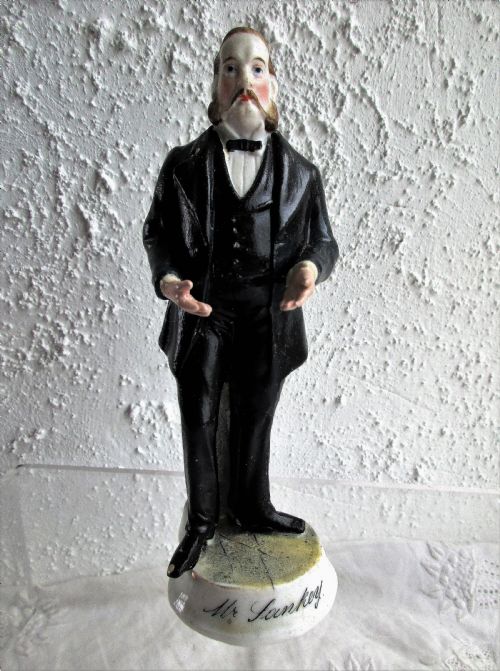


Antique Ceramic Male Figure
An antique ceramic male figure brings character and history into a room, spanning rustic Staffordshire pottery to refined porcelain.
Antique Ceramic Male Figure
When searching for an antique ceramic male figure, collectors encounter a diverse array of sculptural forms originating across the eighteenth, nineteenth, and early twentieth centuries. These objects range from English porcelain and Staffordshire earthenware to large continental terracotta sculptures and continental hard-paste porcelain.
How they were made
Makers utilised slip casting and traditional hand-modelling techniques to shape earthenware, terracotta, and porcelain bodies before applying detailed enamel pigments and glaze. Many pieces incorporate additional surface treatments such as bronzed finishes and touches of gold leaf to enhance their sculptural depth.
Kiln firing methods dictated the durability and translucency of the ceramics, while subsequent hand-painting allowed for nuanced expressions and costume details. Figures were frequently mounted on dedicated circular rustic bases or integral ceramic plinths to support their weight and posture.
Styles represented include Victorian Orientalism, Art Nouveau, Classical Revival, and Neoclassical design.
What varies in quality
The reputation of the manufactory and the artistry involved in the original design heavily influence the standing of a piece. Works associated with noted sculptors or leading European potteries demonstrate a superior command of form and glaze application.
Friedrich Goldscheider·Meissen·Royal Worcester·Sitzendorf
The Antique Ceramic Male Figure Glossary
- Terracotta
- A porous fired red earthenware clay used extensively for sculptural models and architectural ornaments. It provides a warm, matte surface that readily accepts patination or paint.
- Hard-paste porcelain
- A durable ceramic composition fired at very high temperatures, composed of kaolin and petuntse. It produces a dense, bright white body associated with factories like Meissen.
- Enamel
- Vitreous pigments applied over or under the glaze to add colour and detail to ceramic surfaces. Firing permanently fuses these pigments to the body.
- Slip cast
- A manufacturing technique where liquid clay slip is poured into a plaster mould to create hollow figures with uniform walls. This method became widespread during the nineteenth century.
- Bouquetiere
- A decorative ceramic vessel or figure designed to hold small arrangements of flowers. These dual-purpose objects were popular in eighteenth-century continental porcelain.
Antique Ceramic Male Figure: Frequently Asked Questions
What materials are used for these figures?
These pieces utilise various ceramic bodies including porcelain, earthenware, and terracotta. Makers often enhanced these materials with enamel colours, glazes, gold leaf, and bronzed finishes.
The choice of material typically reflects the period and the intended function of the object, ranging from utilitarian earthenware to high-fired porcelain.
How do I identify the period of a piece?
Dating relies on stylistic clues, manufacturing techniques, and factory marks stamped or painted on the underside. Neoclassical and Rococo styles point to specific revival periods of the nineteenth century.
Comparing the base construction and the style of the hand-painting also helps narrow down the decade of manufacture.
Where were these figures displayed originally?
Owners placed them on mantelpieces, side tables, and specialised brackets as part of domestic interior decoration. Large pairs often decorated formal reception rooms or entrance halls.
Smaller figures and bouquetiere pieces served both decorative and functional roles in nineteenth-century homes.
Are these figures glazed or unglazed?
Many figures feature glossy or matte glazes over enamel painting to protect the ceramic body and enrich the colours. Terracotta and certain sculptural models are left unglazed to preserve the natural texture of the fired clay.
The finish depends entirely on the aesthetic of the maker and the specific type of ware.