
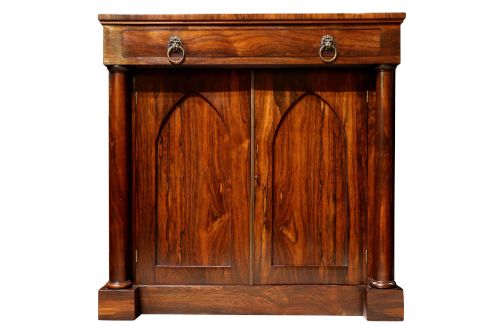
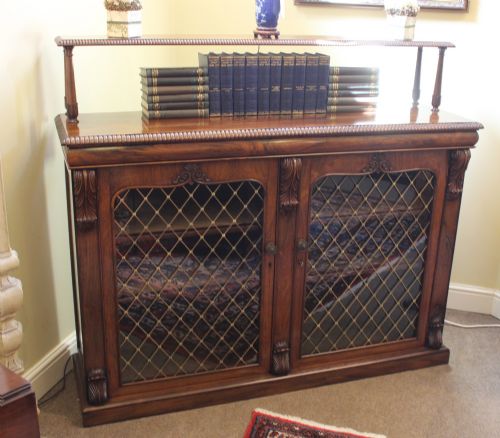
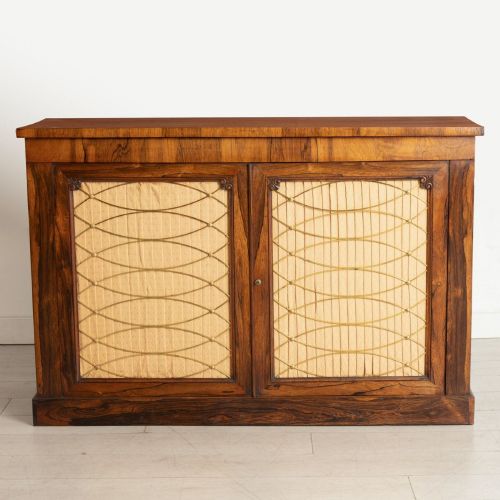
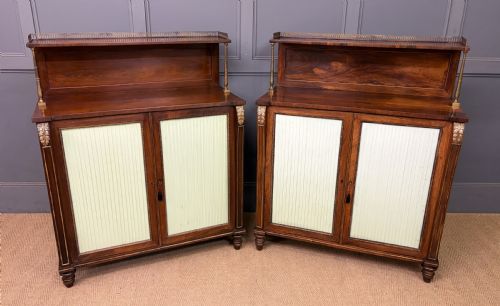
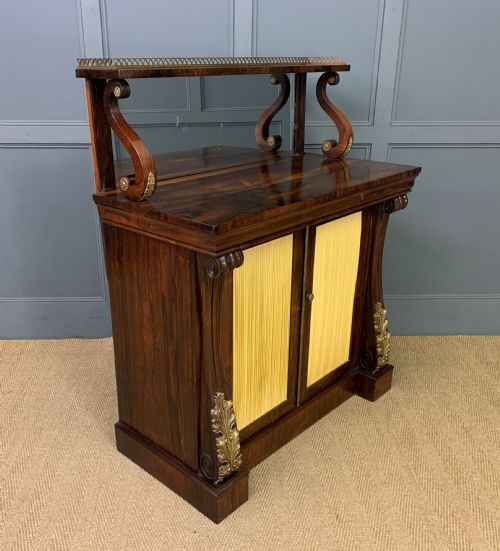


Rosewood Chiffonier Bookcase
A rosewood chiffonier bookcase brings rich timber and refined storage together, offering a commanding yet useful centrepiece for a traditional room.
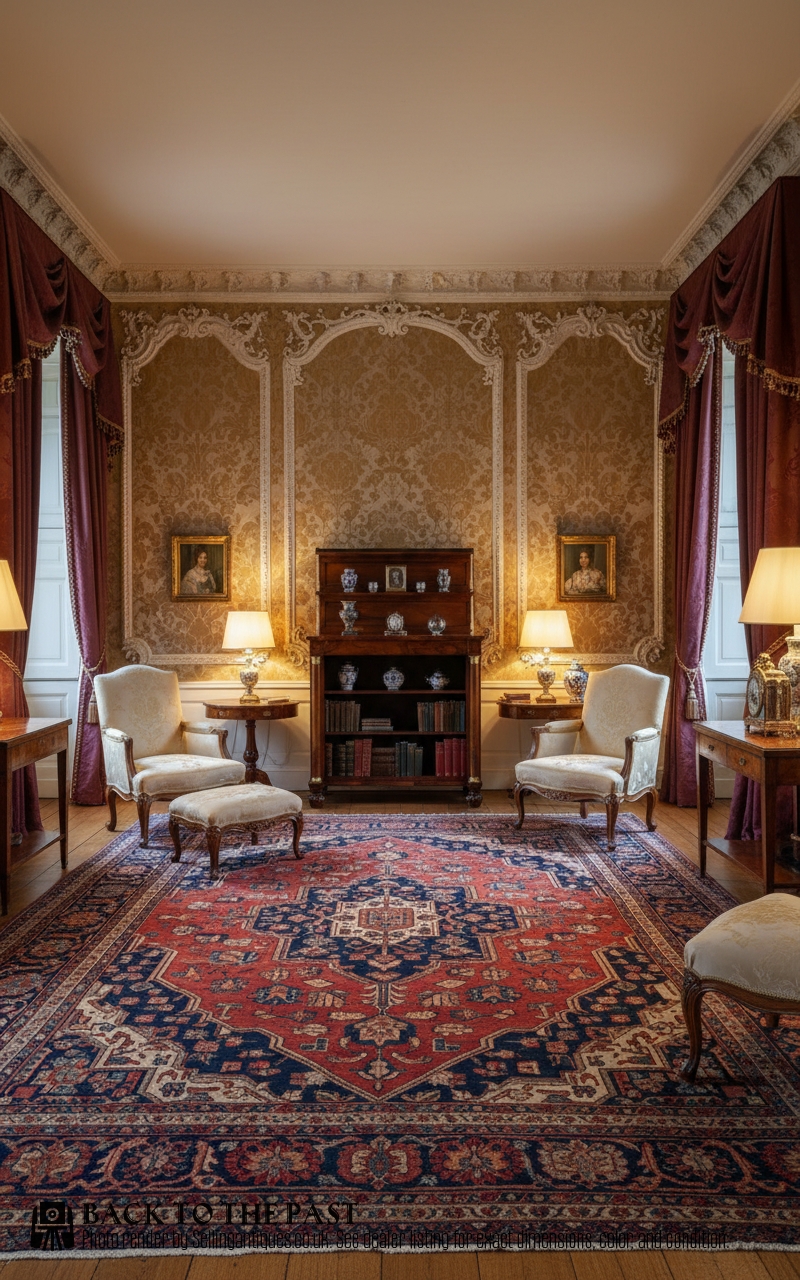
Rosewood Chiffonier Bookcase
A rosewood chiffonier bookcase combines lower enclosed storage with upper shelving, serving as a practical multi-purpose cabinet for books and display. When searching for this phrase, collectors encounter forms that bridge the gap between a side cabinet and a bookcase.
The pieces appearing most frequently date from the Regency and Victorian eras, alongside William IV and Edwardian examples. These items often incorporate glazed or panelled doors, open shelving, and sometimes mirrored backs or pleated silk panels.
Origins trace primarily through nineteenth-century British cabinet making, reflecting shifting domestic needs from formal display to integrated library storage. Such items function well in modern interiors as principal side storage units in sitting rooms or studies.
Materials and construction
Makers utilised solid timbers and figured veneers of rosewood, occasionally employing simulated or painted rosewood on alternative woods to achieve similar dark grain patterns. Brass inlay, often cut into intricate linear motifs, frequently decorates the friezes and door panels of Regency examples.
Listings feature rosewood, brass, glass, fabric, mirror, silk, and marble across Regency, Victorian, and Edwardian periods.
Distinctions in craftsmanship
Quality separates pieces through the crispness of brass inlay work and the depth of figure within the rosewood veneer. Superior examples display careful book-matching of timber grains across large surfaces and doors.
Proportions dictate overall elegance, with finer pieces maintaining neat, balanced dimensions rather than heavy mass. The integration of original brass mounts, glass panes, and properly fitted internal shelving further elevates a cabinet's standing.
Gillow
The Rosewood Chiffonier Bookcase Glossary
- Chiffonier
- A low cabinet originating in the nineteenth century, equipped with drawers and doors beneath a shelved superstructure. It typically serves as a sideboard or general storage unit in a dining or living space.
- Breakfront
- A piece of furniture whose central section projects forward from the flanking wings. This configuration creates visual depth and breaks up the long plane of a large cabinet.
- Palisander
- A dense, dark timber trade name often applied to various species of rosewood. It is prized for its purplish-brown tones and strong contrasting grain patterns.
- Secretaire
- A cabinet incorporating a pull-down writing flap that conceals small drawers and pigeonholes. It merges desk functionality with the enclosed storage of a sideboard.
- Gothic panel
- A decorative wooden framework featuring pointed arches and tracery motifs. This style reflects medieval architectural influences revived during the nineteenth century.
Rosewood Chiffonier Bookcase: Frequently Asked Questions
How do I date a rosewood chiffonier bookcase?
Dating relies on stylistic clues such as the presence of Regency brass inlay versus later Victorian carving or Edwardian marquetry. Construction methods and wood thickness inside the drawers also help pinpoint the manufacturing era.
Cabinet proportions shift across decades, moving from neat Regency lines to heavier William IV and Victorian forms. Examining the backboards and fixings provides further evidence of age.
Where should I place a chiffonier bookcase?
These cabinets suit living rooms, libraries, or large hallways where their combination of display shelving and enclosed storage proves useful. Their shallow depth allows them to sit comfortably against walls without dominating floor space.
Keep them away from direct sunlight and strong heat sources to protect the rosewood veneer and prevent the timber from drying out or splitting over time.
Are these bookcases suitable for actual book storage?
Many versions feature adjustable or fixed open shelving specifically designed for housing books alongside decorative objects. Sturdy carcase construction supports standard volumes without sagging.
Heavier folios fit best on the lower shelves, while lighter editions or display items sit comfortably in the upper sections or behind glazed doors.
What is the difference between a chiffonier and a sideboard?
A chiffonier typically includes a raised superstructure with shelves or a mirror on top of a low cabinet base. A traditional sideboard focuses purely on a low horizontal surface with cupboards and drawers beneath.
Chiffoniers emerged to handle smaller domestic rooms where combined display and storage were required in a single footprint.