
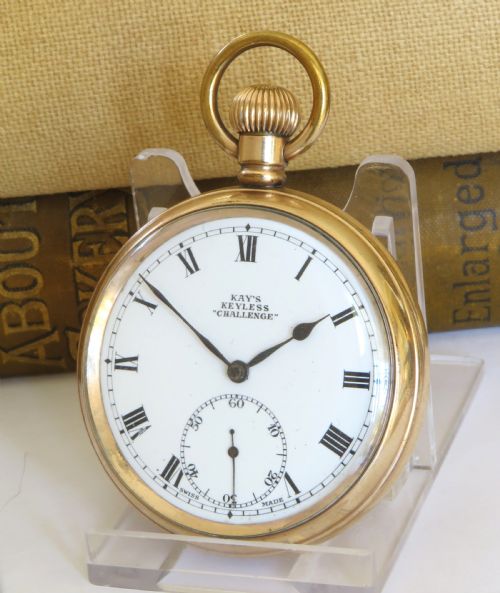
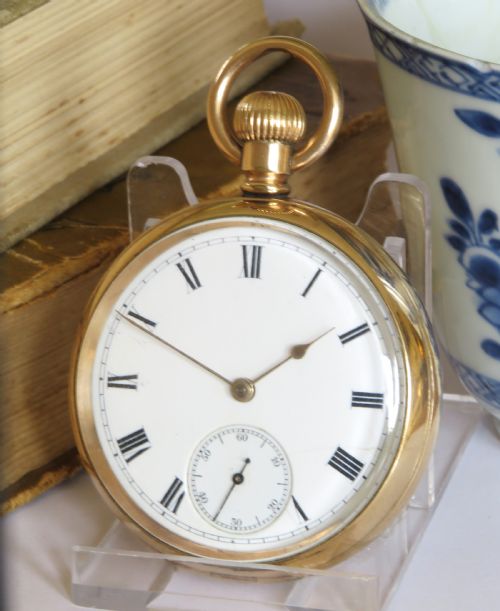
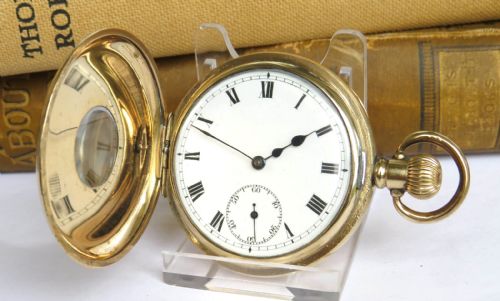


Rolled Gold Pocket Watch
A rolled gold pocket watch is a sturdy, dependable timepiece offering the visual appeal of solid gold without the fragile weight or heavy cost.
Rolled Gold Pocket Watch
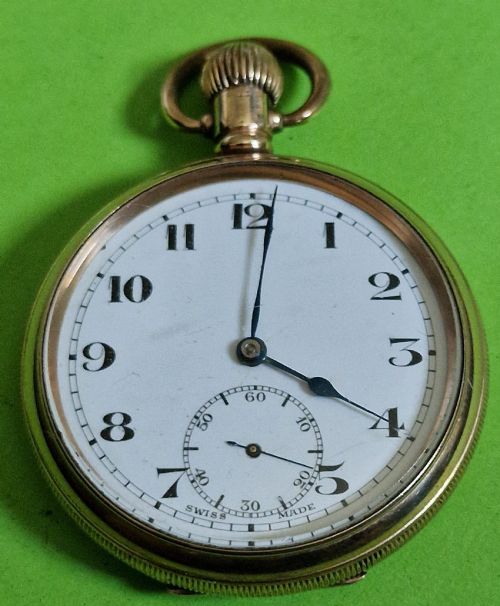
When you search for a rolled gold pocket watch, you encounter durable timepieces and associated chains dating predominantly from the early twentieth century, spanning the Victorian, Edwardian, and Art Deco periods.
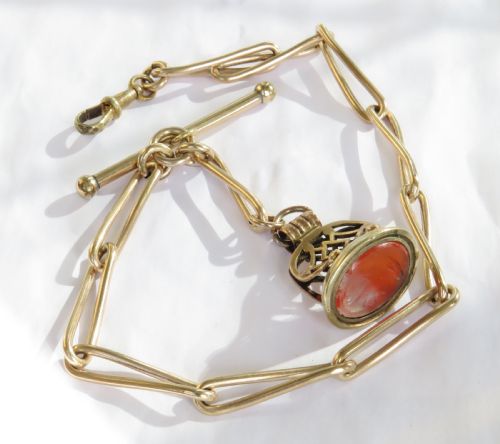
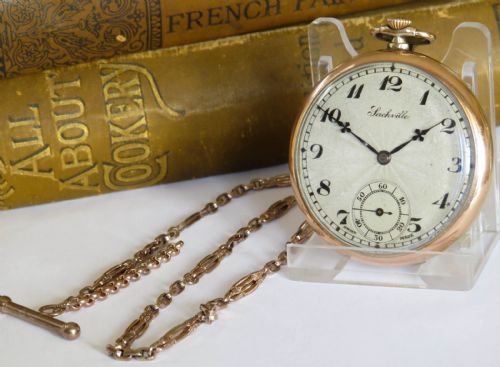
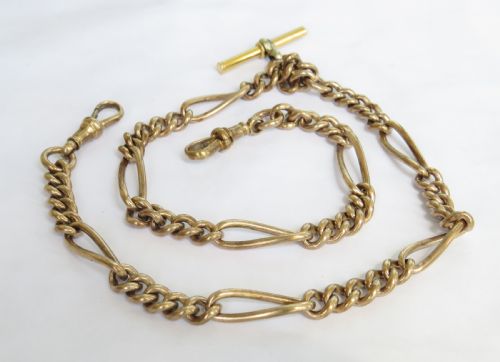
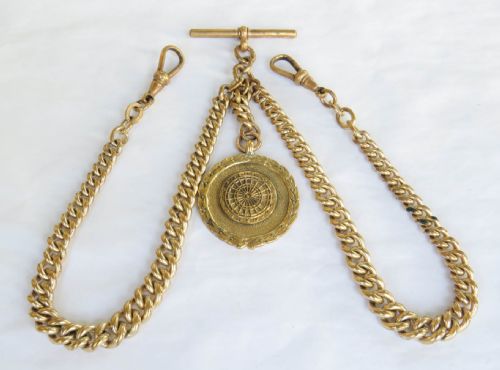
The version most commonly met on this page is the pocket watch paired with a matching albert chain or swivel fob, produced during the 1920s and 1930s by established makers.
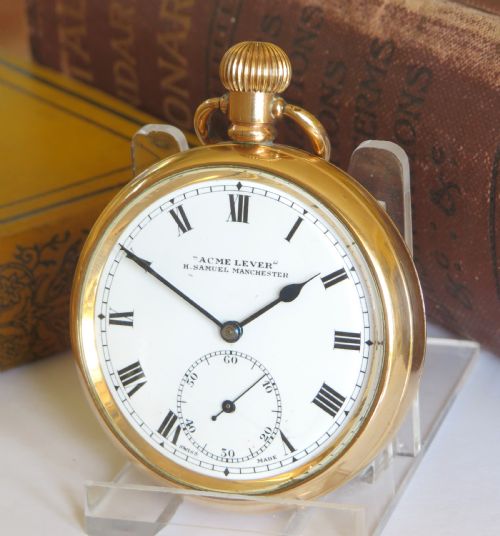
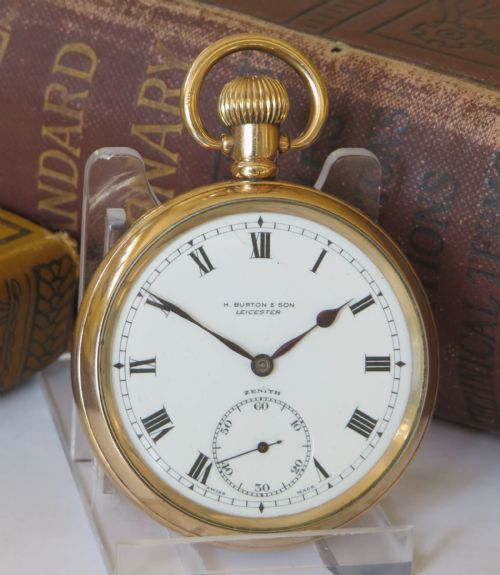
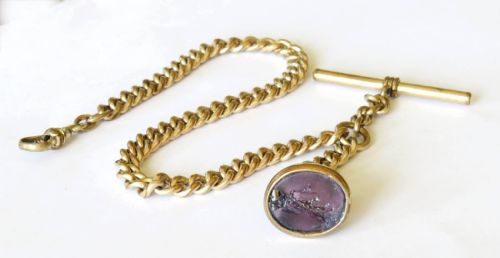
These items include standalone pocket watches, half hunter designs, and complex watch chains incorporating materials such as carnelian and enamel alongside glass dials.
How they were made
These items are constructed by fusing a thin layer of gold, such as 12ct or 18ct, to a stronger core metal base, providing a resilient surface that resists daily wear.
Dials incorporate protective glass covers and delicate enamel work, while chains utilise interlocking links such as fetter patterns paired with steel components and swivel attachments.
Listings span the early twentieth century, incorporating Victorian, Edwardian, and Art Deco styles alongside materials like carnelian, enamel, and glass.
What varies in quality
The thickness of the gold layer bonded to the base metal determines the longevity and tactile weight of the piece, distinguishing heavier layers from thinner platings.
Movement sophistication and maker reputation separate standard utility timepieces from precision pieces signed by notable watchmakers and fitted with intricate albert chains.
H Samuel·Zenith·Dennison·Waltham·Record·Cyma·Tavannes·Hopwood·Elgin
The Rolled Gold Pocket Watch Glossary
- Rolled gold
- A manufacturing method where a sheet of gold is mechanically bonded to a base metal core under heat and pressure. This creates a durable finish that resists tarnishing better than standard gold plating.
- Albert chain
- A watch chain designed to attach a pocket watch to a waistcoat buttonhole. These chains often feature decorative fobs, swivels, and T-bars.
- Half hunter
- A pocket watch case featuring a small glass window or aperture on the outer cover. This allows the wearer to read the time without fully opening the case.
- Fob
- A small medallion, seal, or ornament attached to a watch chain. Fobs often incorporate stones like carnelian or carry club insignia.
- Lever
- An escapement mechanism used in mechanical watches to regulate the release of power. This invention greatly improved the accuracy of portable timepieces.
Rolled Gold Pocket Watch: Frequently Asked Questions
How do I wind a pocket watch?
Most pieces from this period require you to gently turn the crown at the top until you feel resistance. Do not overwind, as this can strain the internal spring.
Stem winding models allow you to set the hands by pulling the crown outward slightly before turning it to the correct time.
What is the difference between rolled gold and solid gold?
Rolled gold involves mechanically fusing a genuine layer of gold over a supportive base metal core. This provides the exact appearance of solid gold with greater structural strength.
Solid gold pieces consist entirely of precious metal throughout the entire thickness of the case and components.
How do I identify the production period?
Examining the typography on the dial, the shape of the hands, and the style of the case helps determine the era. Art Deco pieces display geometric lines, while earlier Victorian designs feature ornate detailing.
Maker signatures and hallmarks stamped on the inner casing provide precise manufacturing dates.