
Edwardian Gold Pocket Watch
An Edwardian gold pocket watch carries the precise craftsmanship of the early twentieth century, offering a tactile piece of horological history that buyers seek for daily wear or collection.
Edwardian Gold Pocket Watch
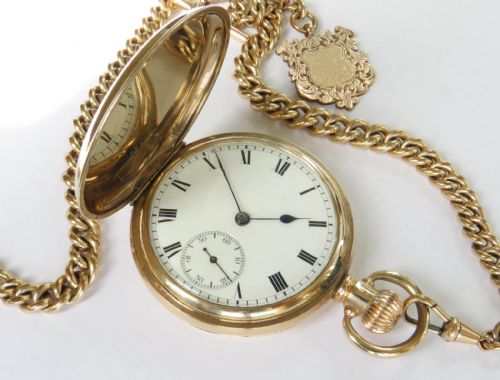
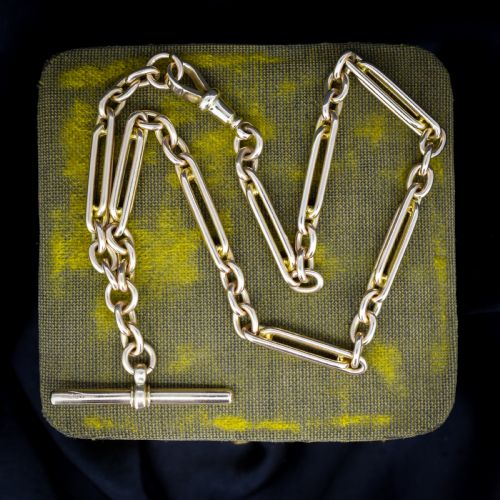
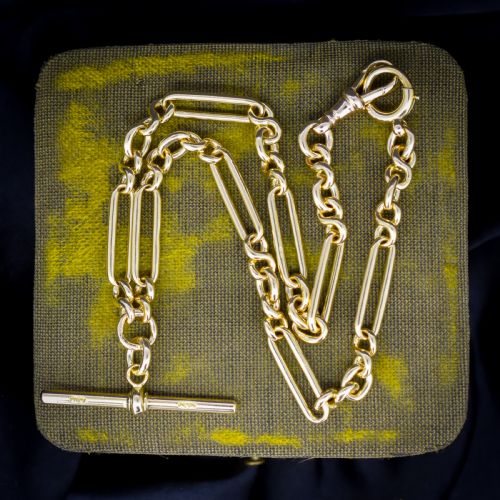
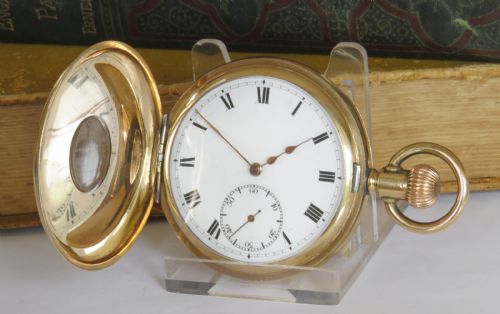
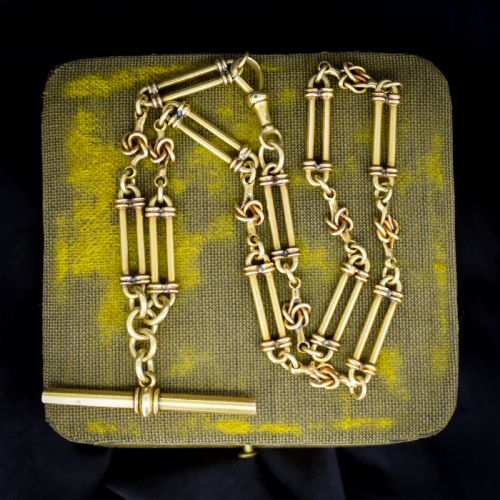
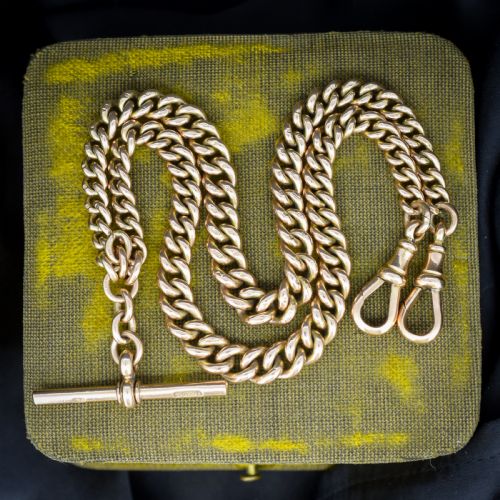
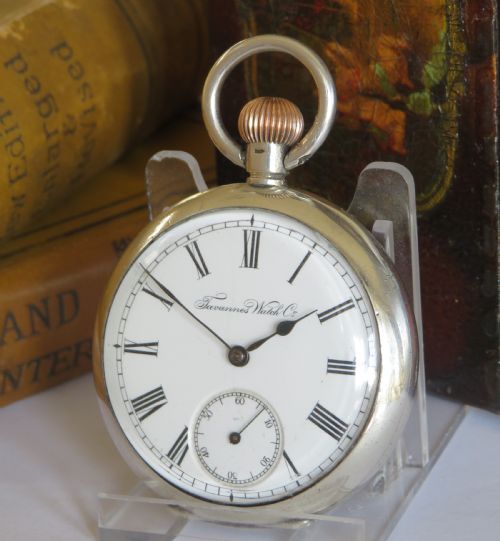
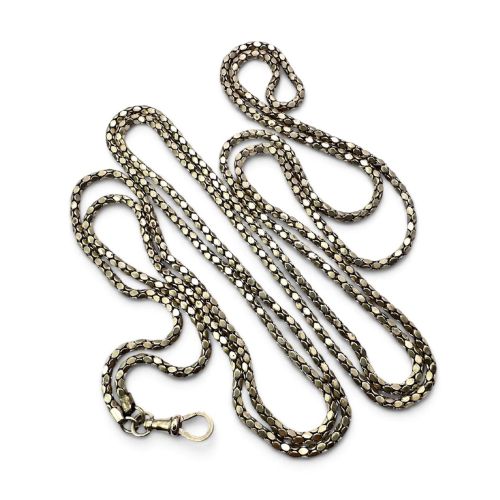
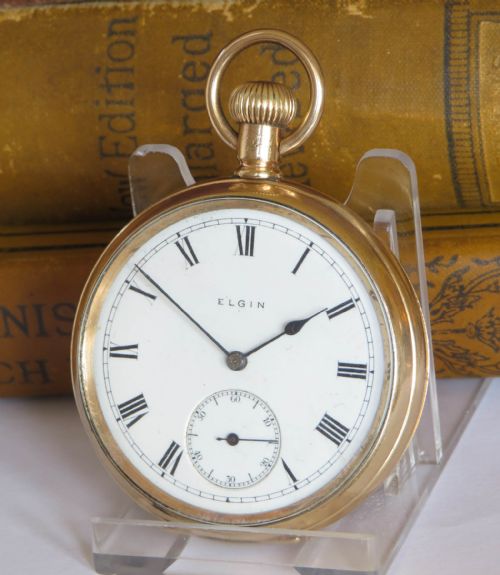
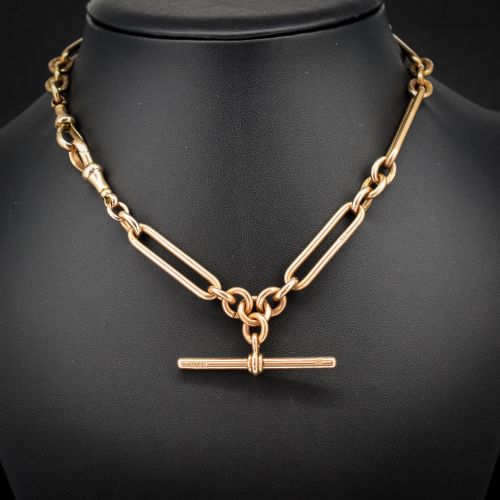
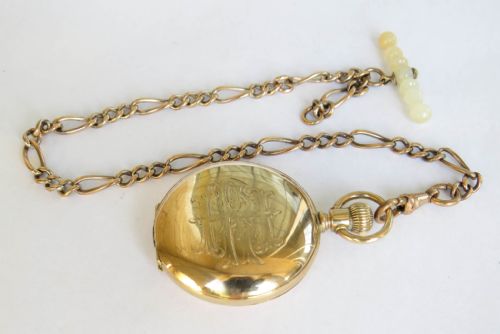
An edwardian gold pocket watch is a portable timepiece housed in a precious metal case, hailing predominantly from the early decades of the twentieth century and the surrounding periods. These timepieces take the form of full hunter or half hunter designs, often accompanied by matching components such as curb link Albert chains, trombone links, and spinning fobs.
Buyers encountering this selection will frequently find items dating from 1900 through the 1920s, reflecting Victorian transition into Edwardian refinement and early Art Deco tastes. Alongside the primary timepieces, the category encompasses associated gold plate, 9ct gold, and 18ct yellow or rose gold chains equipped with dog clips and T-bars.
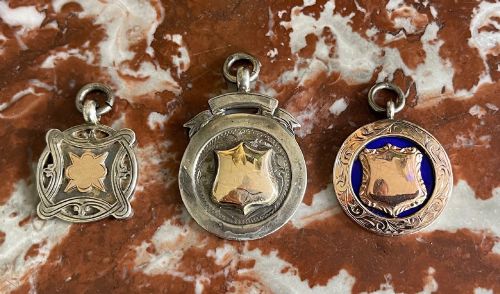
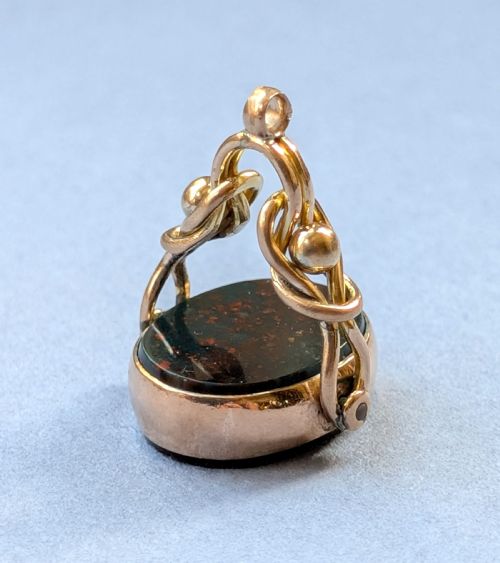
The objects serve both as functional mechanical devices and as historical ornaments, frequently paired with bloodstone fobs, intaglios, or dog clip charm pendants. They represent a distinct era of portable horology where skilled makers produced robust, pocket-sized instruments for daily personal use.
How they were made
Makers constructed these pocket watches and their associated chains using solid 9ct gold, 15ct gold, 18ct gold, and gold plate, incorporating mechanical movements driven by springs and gears. Enamel dials, glass crystals, and steel components formed the internal and external faces, while precious metals were drawn into curb, oval, and trombone links for the accompanying chains.
Workshops utilised stamping, casting, and hand-finishing techniques to shape the watch cases and link the heavy Albert chains. Hallmarks stamped into the metal indicate assay offices such as Birmingham and specific dates of manufacture, pointing to rigorous standards of precious metal production during the Edwardian era and the late nineteenth century.
Listings feature 9ct, 15ct, and 18ct yellow and rose gold, alongside rolled gold and silver pieces spanning the Victorian to Art Deco periods.
What varies in quality
Quality in an edwardian gold pocket watch depends significantly on the purity of the gold used in the case and chain, ranging from rolled gold and gold plate up to solid 15ct and 18ct yellow or rose gold. Heavier, more substantial gauge links and solid gold construction represent the upper tier of the manufacturing spectrum.
The reputation of the maker, such as Waltham, Elgin, or J W Benson, alongside the complexity of the movement - whether full hunter, half hunter, or patent lever - distinguishes finer examples. The presence of fully hallmarked components and intact original elements like dog clips and T-bars further elevates the standing of an individual piece.
The Edwardian Gold Pocket Watch Glossary
- Full hunter
- A pocket watch featuring a spring-loaded metal cover that protects the glass dial from damage. The cover springs open via a button wind mechanism.
- Half hunter
- A pocket watch case featuring a small glass aperture or opening on the outer cover, allowing the wearer to read the hands without opening the entire case.
- Albert chain
- A heavy watch chain designed to secure a pocket watch to a waistcoat, typically suspended with a T-bar at one end and a dog clip at the other.
- Dog clip
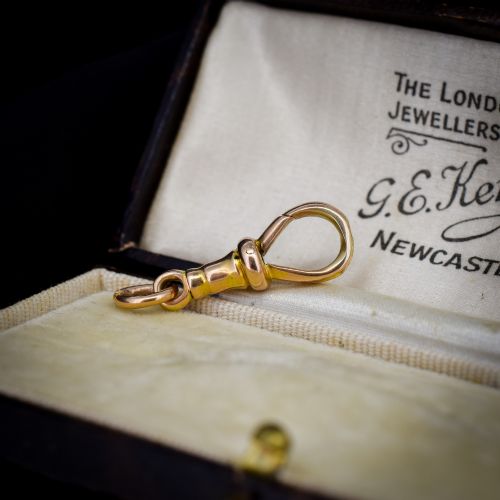
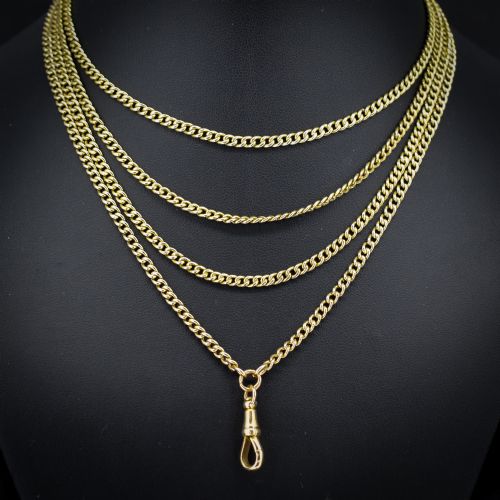
- A spring-loaded swivel clasp attached to watch chains and necklaces, originally used to secure items to clothing buttonholes or waistcoat loops.
- T-bar
- A short transverse metal bar attached to the middle or end of an Albert chain, designed to slide securely through a waistcoat buttonhole.
- Fob
- A small ornament, seal, or medallion attached to a pocket watch chain, frequently featuring inset stones such as bloodstone or spinning mineral panels.
Edwardian Gold Pocket Watch: Frequently Asked Questions
How do I wind an antique pocket watch?
Most Edwardian pocket watches operate via a button wind mechanism where the crown is turned clockwise until resistance is felt. Care must be taken not to overwind the mainspring to avoid damaging the internal components.
After winding, setting the time typically involves pulling the crown outward or pressing a small pin set into the case edge while turning the hands to the correct position.
Can I wear an antique watch chain as a necklace?
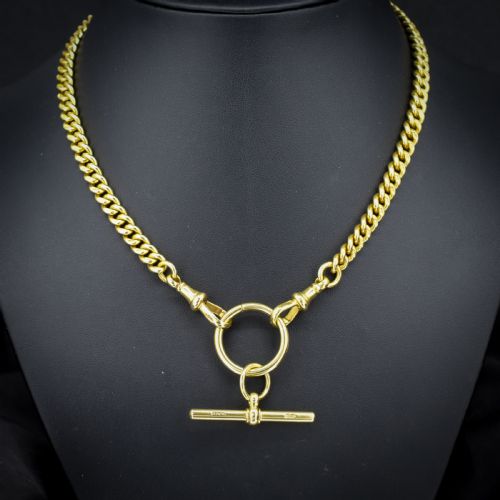
Many Edwardian and Victorian watch chains, particularly longer Albert chains and guard chains, are regularly worn as necklaces today. Their lengths, ranging from short 14-inch pieces to very long guard chains, suit direct conversion into neckwear.
The inclusion of original dog clips and bolt rings makes attaching pendants or doubling the chain straightforward for modern wear.
How do I read hallmarks on gold watch chains?
Hallmarks stamped onto links, T-bars, and dog clips indicate the purity of the gold, such as 9ct or 18ct, alongside the assay office mark. A specific town mark like the Birmingham anchor identifies where the piece was tested.
Date letters accompanying these stamps allow owners to trace the exact year of manufacture, often corresponding to the Edwardian period or late Victorian era.