
Gold Mechanical Timepiece
A gold mechanical timepiece combines traditional spring-driven horology with precious metal, offering buyers both a functional instrument and a portable work of art.
Gold Mechanical Timepiece
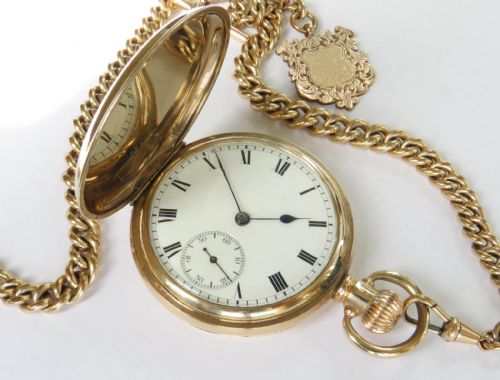
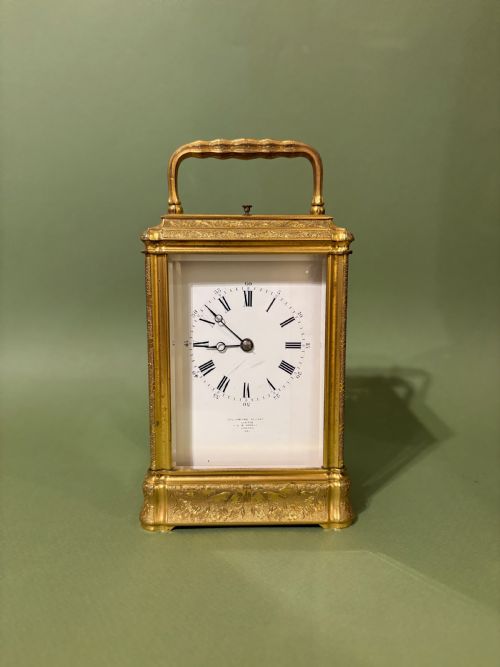
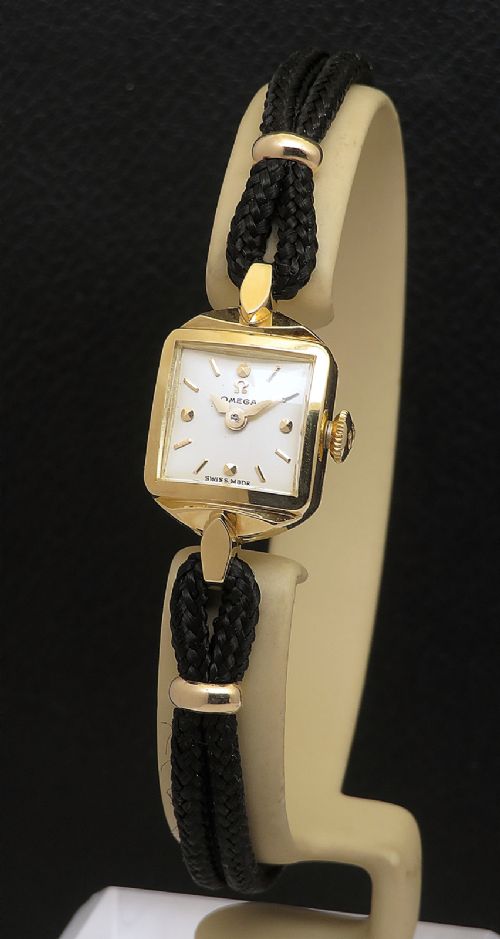
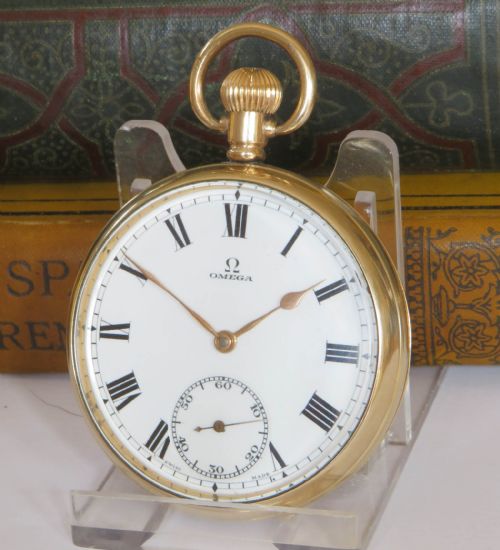
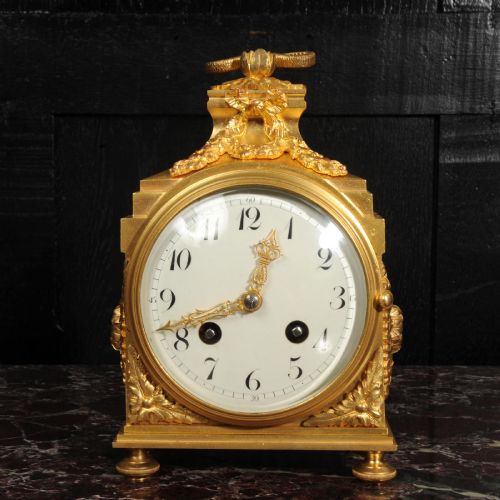
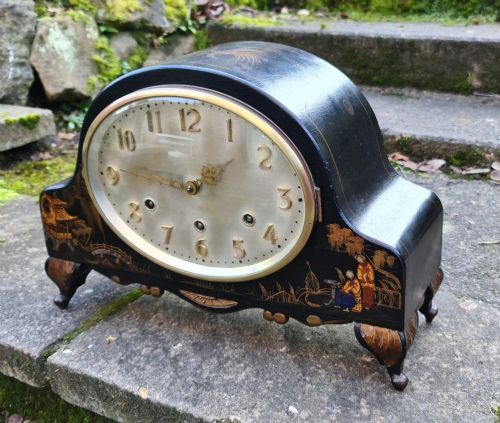
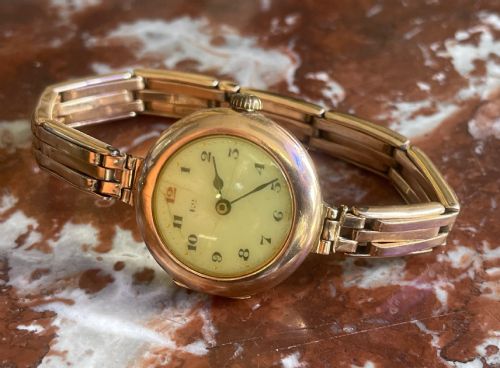
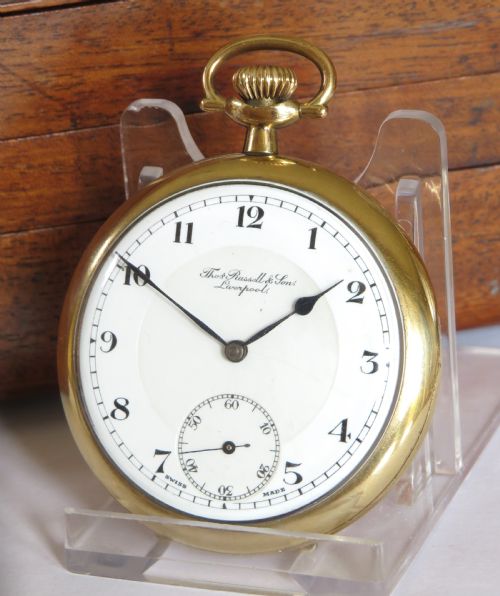
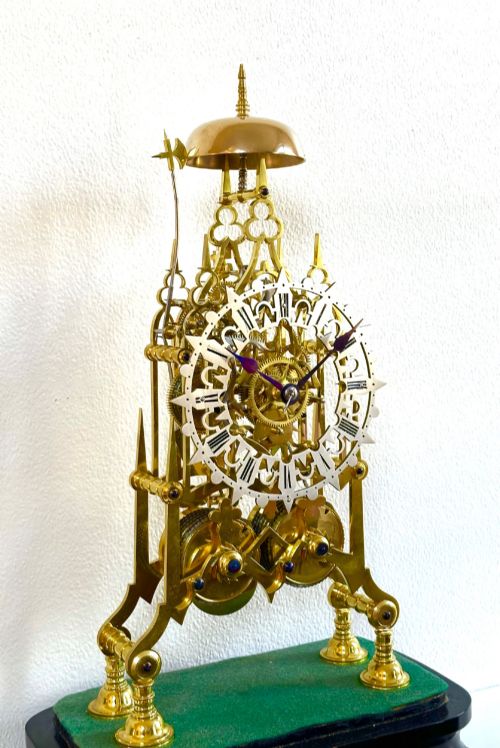
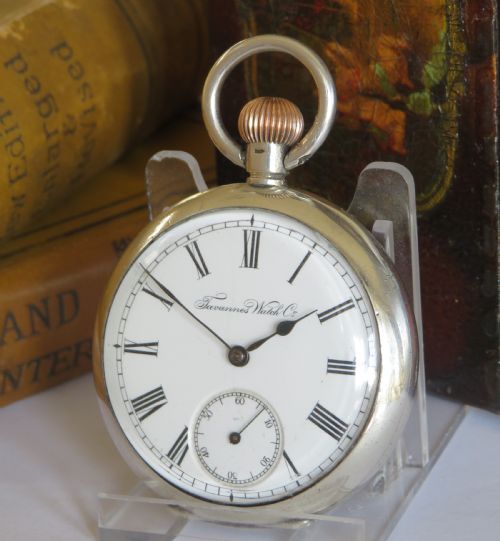
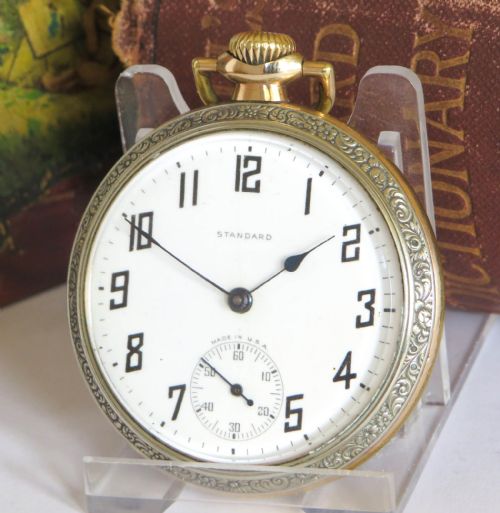
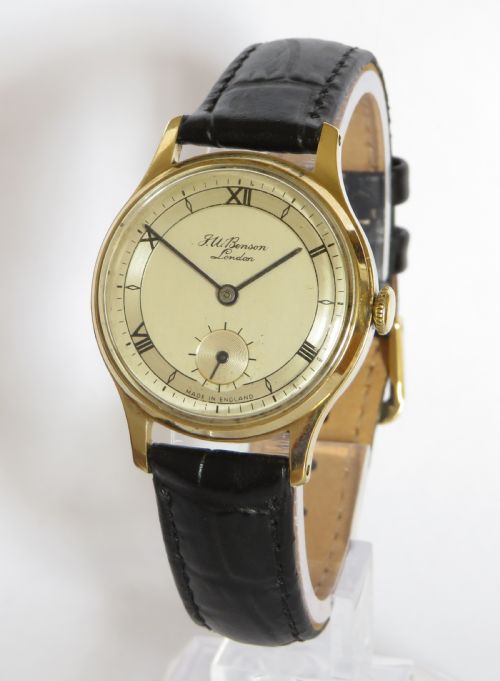
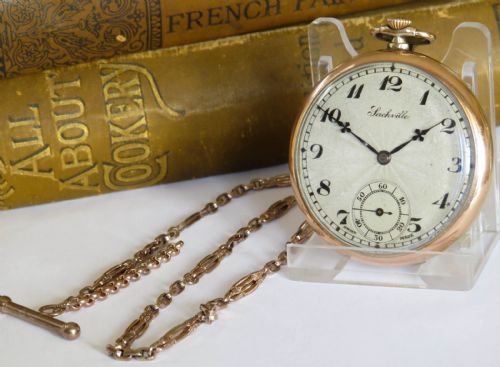
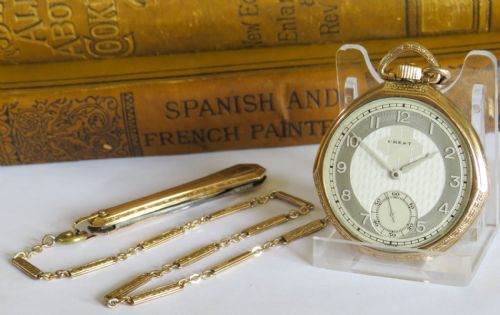
A gold mechanical timepiece encompasses a variety of formats including pocket watches, wristwatches, and mantel clocks spanning from the nineteenth century through the mid-twentieth century. Buyers exploring this category encounter Victorian carriage clocks alongside Art Deco wristwatches and mid-century dress pieces.
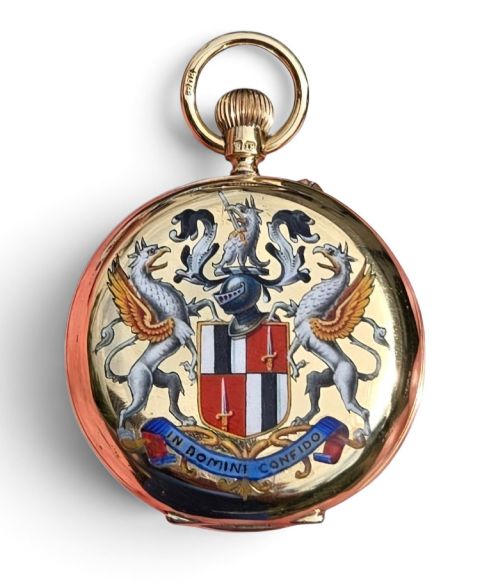
The selections on this page draw from distinct stylistic movements such as Edwardian elegance and Mid-Century Modern design, produced by makers across Britain, Switzerland, and America. These objects range from heavy solid gold ladies' cocktail models to robust full hunter pocket watches designed for daily service.
How They Were Made
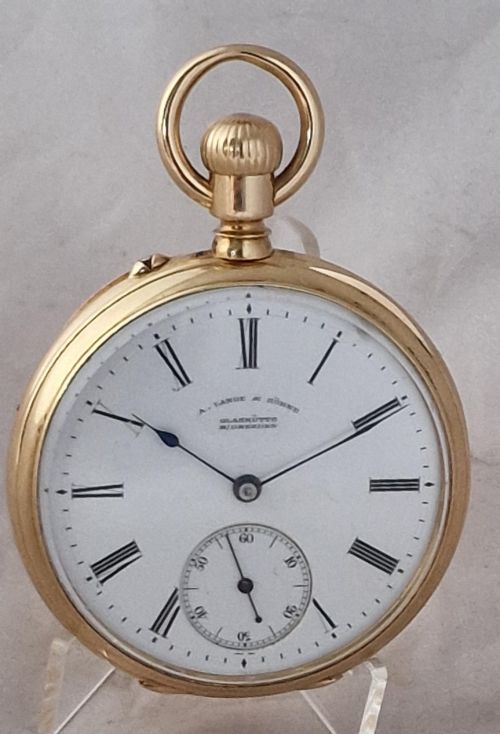
Horologists utilised brass, steel, and glass alongside solid 9ct gold, 18ct gold, and gold plate to construct intricate internal movements and protective outer cases. Enamel dials provide legible numbering beneath glass crystals, while leather straps and brass travel cases offer functional completion.
Movements rely on mechanical gear trains driven by mainsprings, sometimes incorporating complex mechanisms like double fusee systems or automatic winding weights. Master craftsmen housed these delicate assemblies within ormolu, lacquered wood, or precious metal housings.
Some carriage clocks come equipped with their original leather travel cases, having survived a century of bumpy horse-drawn journeys.
What Varies in Quality
The refinement of the internal movement dictates the tier of a gold mechanical timepiece, distinguishing standard commercial calibres from high-grade chronometer mechanisms. Precision engineering, adjustment positions, and the complexity of the escapement separate standard production from exceptional horology.
Casing materials and decorative execution also determine superiority, contrasting solid gold construction and fine enamel work against gold plate and plain brass. Preserved original components, intact boxes, and documented provenance elevate certain pieces above standard wearable examples.
HENRI JACOT·Omega·Rolex Wilsdorf & Davis·Thomas Russell & Son·Lange & Sohne·Elgin·IWC·Waltham
The Gold Mechanical Timepiece Glossary
- Full hunter
- A pocket watch featuring a spring-loaded metal cover that protects the dial from scratches and dust.
- Fusee
- A conical pulley used in older mechanical timepieces to maintain even tension on the gear train as the mainspring unwinds.
- Carriage clock
- A portable spring-driven timepiece developed for travellers during the nineteenth century, typically housed in a brass frame with glass panels.
- Calibre
- The specific internal movement design and manufacturer designation housed within a watch case.
Gold Mechanical Timepiece: Frequently Asked Questions
How do I wind a mechanical timepiece?
Wind the crown clockwise gently until you feel firm resistance, taking care not to over-wind the internal mainspring.
For pocket watches and wristwatches, daily winding keeps the movement running reliably within its specified power reserve.
Can I wear a vintage gold watch daily?
Many vintage models suit regular wear provided they receive proper mechanical servicing and avoid harsh impacts.
Consider whether your specific timepiece possesses water resistance or delicate enamel dials before adopting it for daily use.
What is the difference between a pocket watch and a fob watch?
Pocket watches generally measure larger and secure inside waistcoat pockets via a chain, while fob watches traditionally attach to ornamental ribbons or shorter chains.
Both utilise identical internal mechanical principles to track hours and minutes.
How do I date a nineteenth century clock?
Examine the movement style, signature engravings on the backplate, and architectural details of the brass or ormolu case.
Maker records and hallmark stamps on precious metal components often narrow down the production year significantly.