

Rococo Walnut Chest
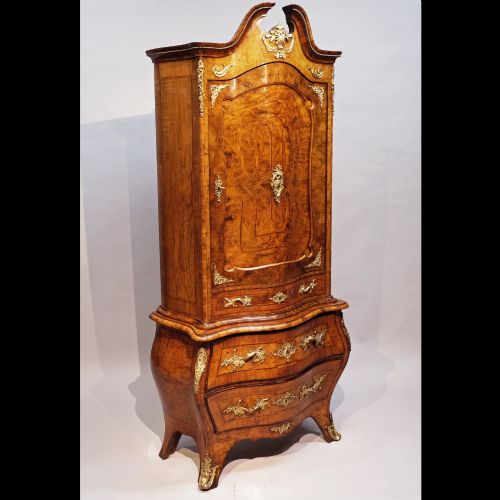
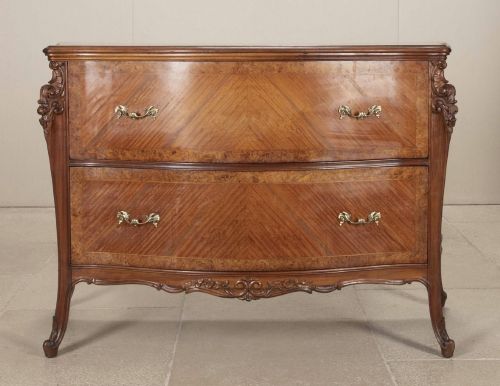
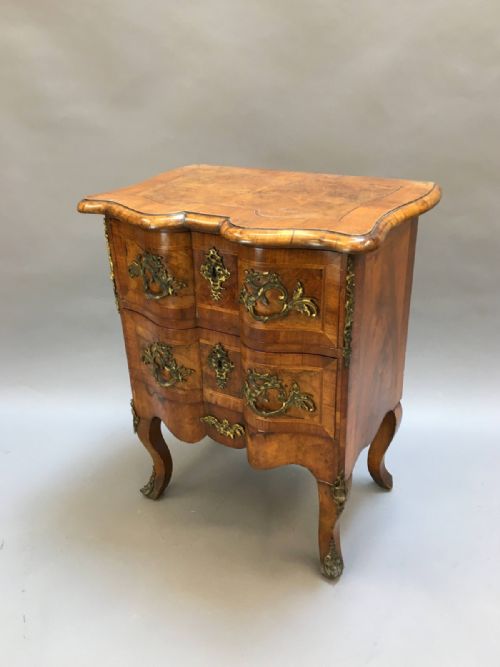
A rococo walnut chest brings fluid serpentine lines and rich timber grain to an interior.
Rococo Walnut Chest
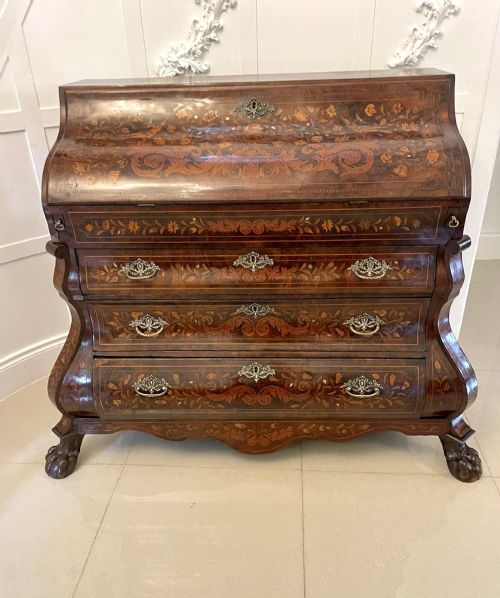
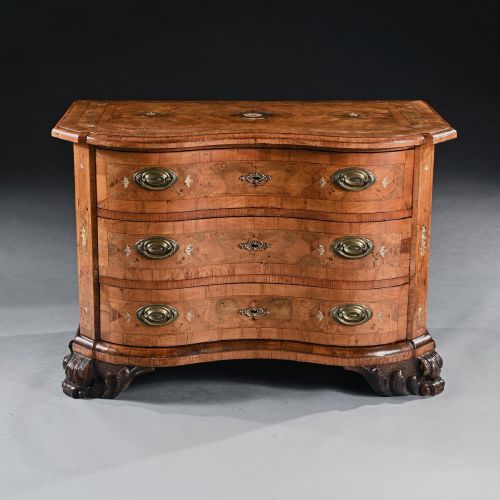
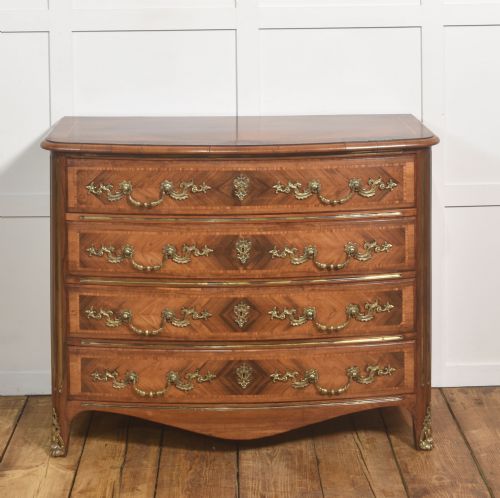
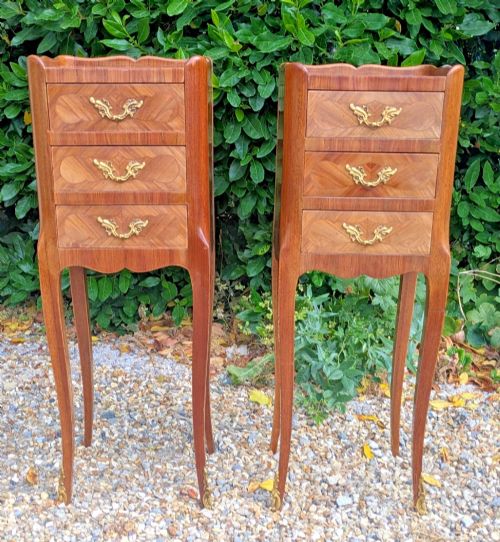
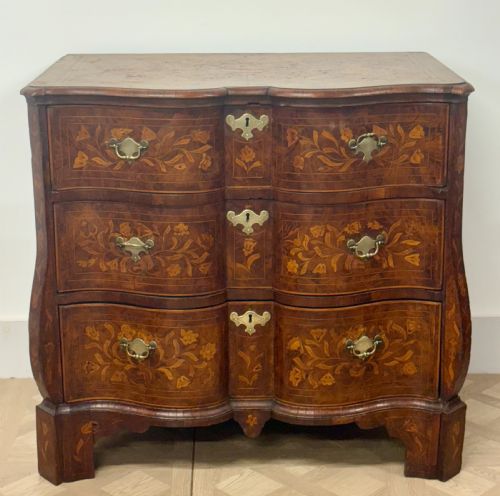
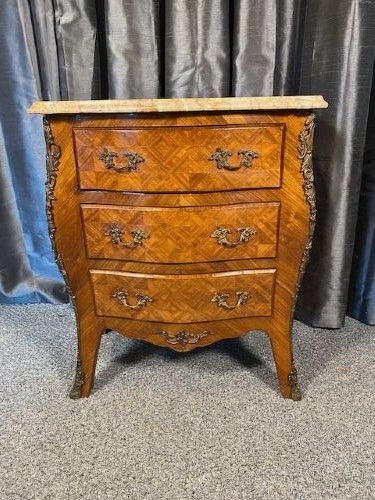
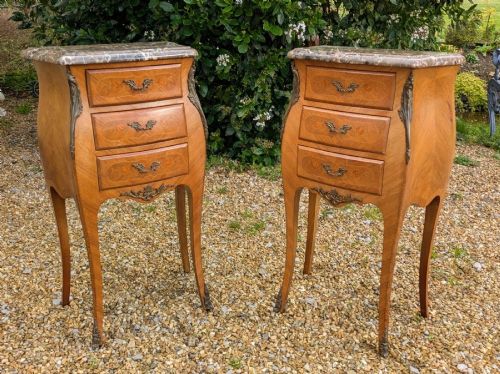
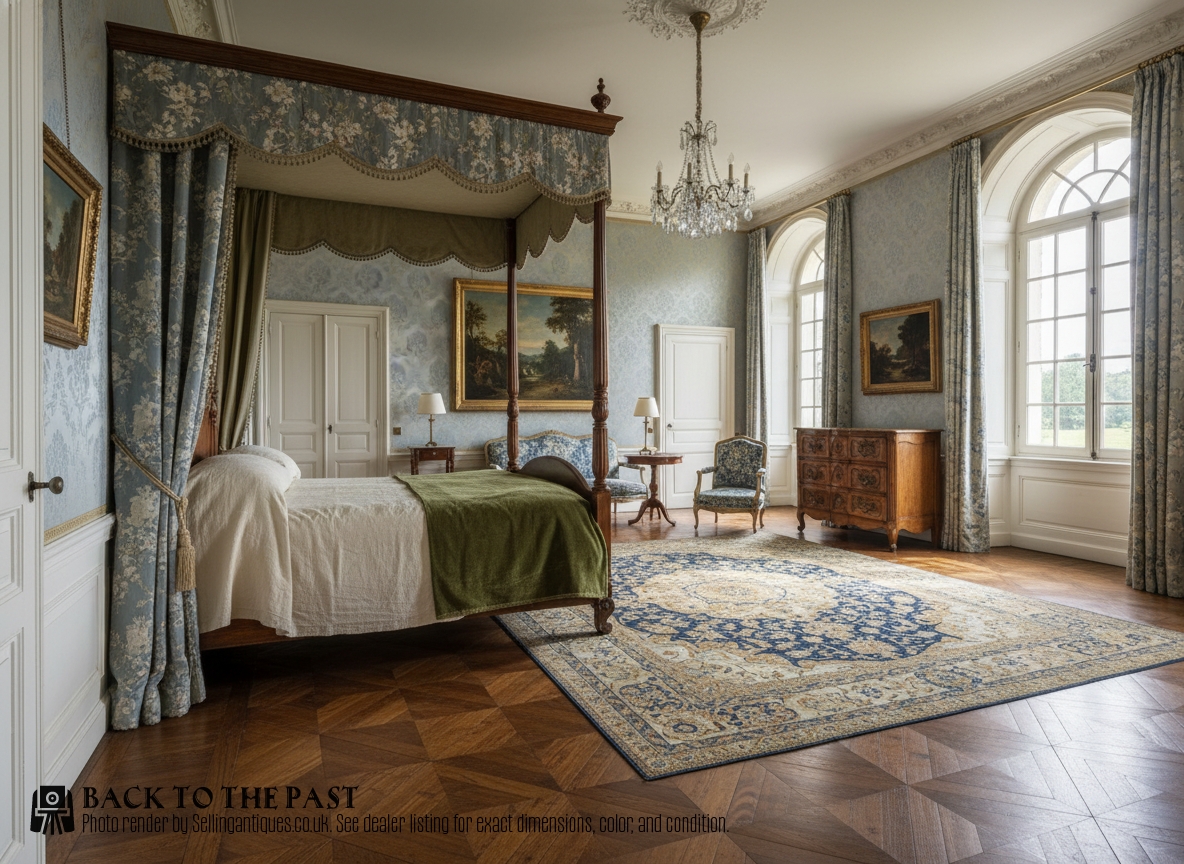
When you search for a rococo walnut chest, you encounter pieces designed with sweeping serpentine fronts, bombé profiles, and asymmetrical curves characteristic of the eighteenth century and subsequent revival periods. These forms encompass bedside cabinets, bureau desks, commodes, and tall chests of drawers created across France, Italy, Germany, and the Netherlands.
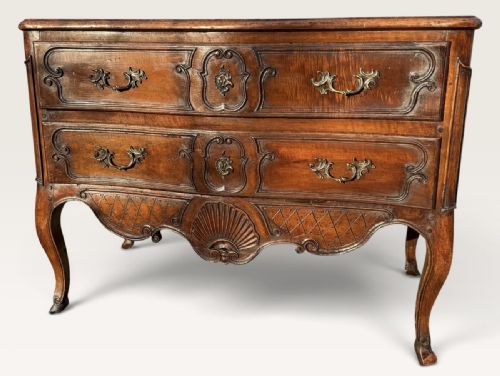
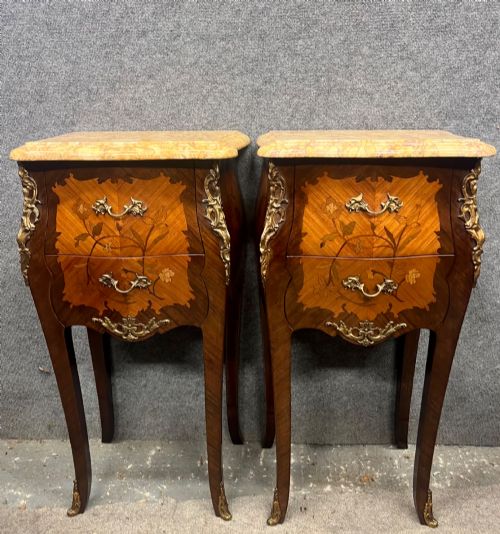
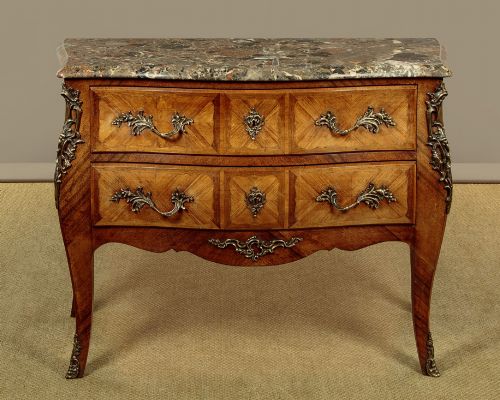
The version you are most likely to meet on this page is the French Louis XV style commode or a later revival piece, often topped with marble and fitted with marquetry. Eighteenth-century originals appear alongside nineteenth-century interpretations and twentieth-century reproductions, reflecting a continuous demand for the aesthetic.
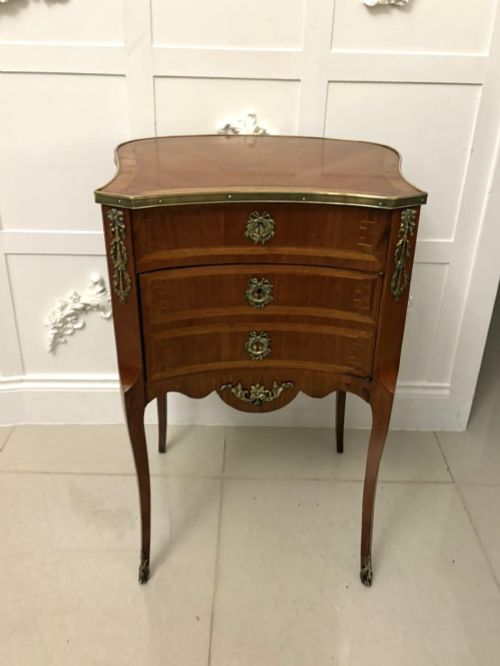
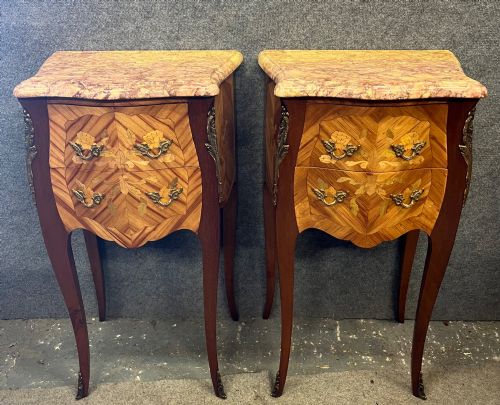
Makers utilised walnut, burr walnut, and satinwood, frequently embellishing the carcass with floral inlay or parquetry geometric patterns. The scale ranges from compact bedside chests to substantial case furniture suited for principal reception rooms.
Quality factors
The distinction between average and exceptional pieces lies in the fluidity of the timber grain and the precision of the marquetry inlay. Superior examples display carefully matched burr walnut veneers that flow naturally across the drawer fronts rather than appearing disjointed or patched.
The execution of the carved details and the weight of the cast bronze or ormolu mounts signal the workshop standard. Crisp definition in the foliage and mountings, alongside original handles and well-fitted drawer linings, separates master furniture from mass production.
The listings span the eighteenth, nineteenth, and twentieth centuries, featuring walnut, burr walnut, marble, and gilt bronze.
The Rococo Walnut Chest Glossary
- Bombe
- A swollen or bulging convex shape characteristic of furniture from the period. This profile requires advanced carpentry to curve outwards in multiple directions.
- Serpentine
- A front or side profile that curves inward centrally and outward at the ends. It creates a gentle, undulating wave effect across the piece.
- Marquetry
- Decorative patterns formed by inserting thin pieces of wood, ivory, or metal into a veneered surface. Floral motifs are especially common on continental case pieces.
- Ormolu
- Gilded bronze mounts applied to furniture edges and handles. The technique involves finishing bronze with an amalgam of gold.
Rococo Walnut Chest: Frequently Asked Questions
What is a bombe commode?
A bombe commode is a chest of drawers featuring sides and a front that bulge outward in a rounded, swelling form. These pieces demand advanced cabinetmaking skills to curve the timber successfully.
Originating in continental Europe during the eighteenth century, they served as decorative storage units in parlours and bedchambers.
How do I spot an eighteenth-century original?
Examining the construction methods inside the drawer linings and the timber shrinkage reveals the age of a piece. Eighteenth-century examples display hand-cut dovetails and natural wear appropriate to their years.
Revival pieces from later centuries often utilise machine-cut elements and standardised timber thicknesses that differ from period work.
Where should I place a bedside cabinet?
Compact bedside cabinets and lamp tables fit neatly beside low beds or seating areas. Their small proportions provide surface space and enclosed storage without dominating a room.
Marble tops on these tables offer a durable surface for lighting and everyday objects.
What is the difference between marquetry and parquetry?
Marquetry involves cutting pictorial or floral designs using varied wood veneers and materials. It creates organic scenes across the drawer fronts.
Parquetry relies on geometric shapes such as cubes and diamonds to form repeating patterns across the wooden surface.