

Antique Louis XV Commode
An antique louis xv commode brings curvaceous lines, rich timbers, and decorative metal mounts to a room.
Antique Louis XV Commode
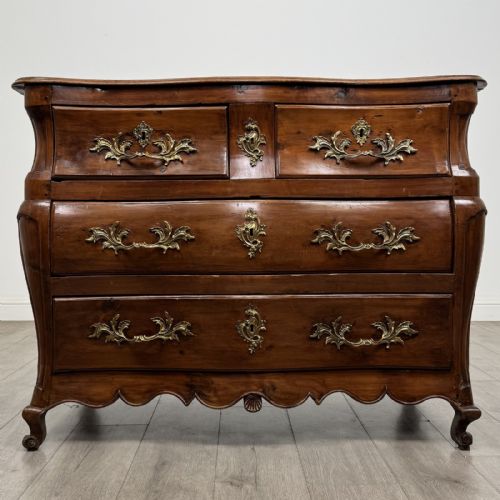
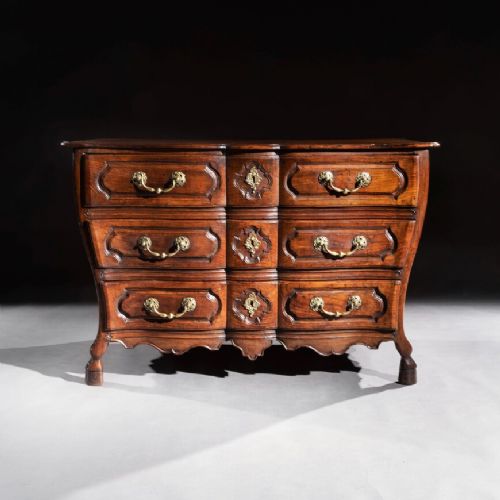
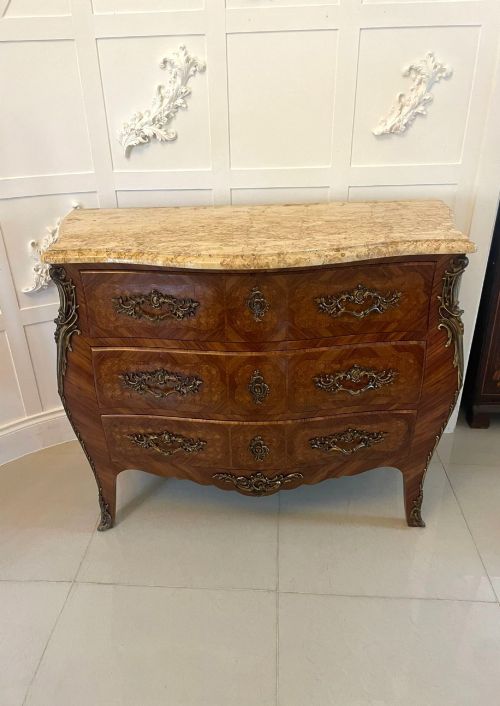
An antique louis xv commode is a low chest of drawers defined by serpentine or bombe silhouettes, originating in eighteenth-century France and reinterpreted across the nineteenth and early twentieth centuries.
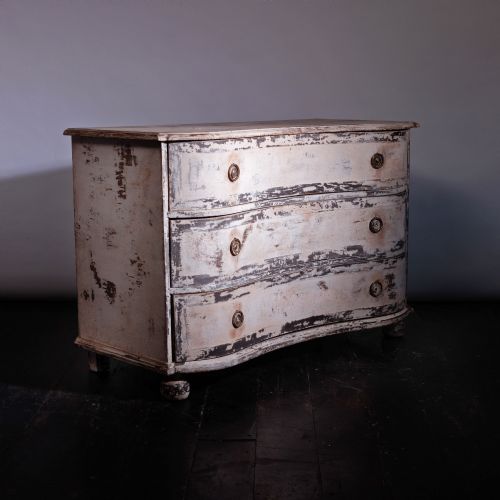
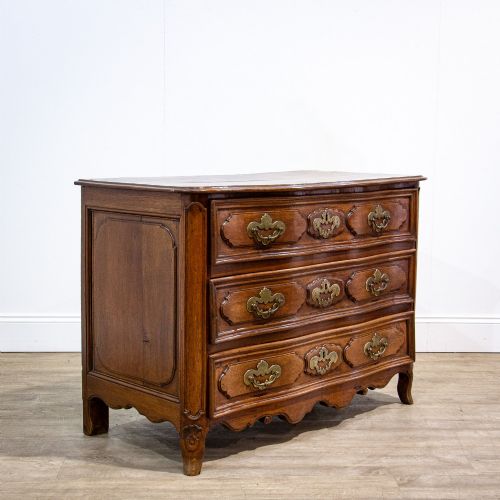
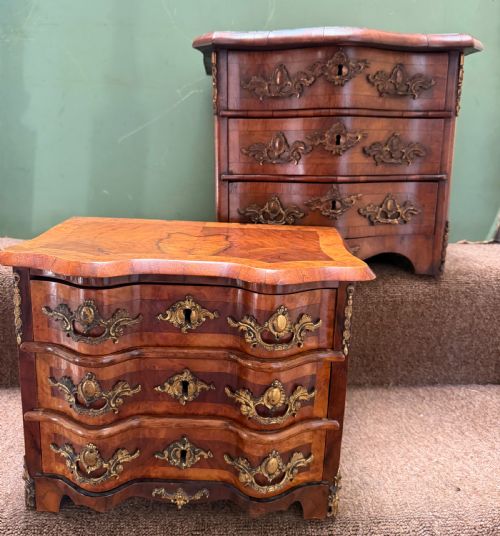
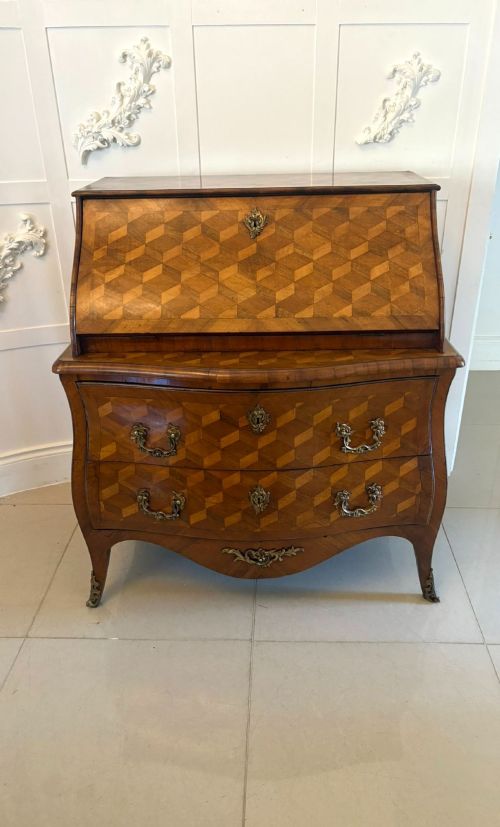
The versions most commonly met on this page range from provincial walnut and oak pieces to grander revival examples veneered in kingwood with intricate parquetry or marquetry.
Materials and construction
Carpenters built the carcases using solid native timbers like oak, chestnut, and walnut, often applying decorative surface veneers of kingwood and exotic woods.
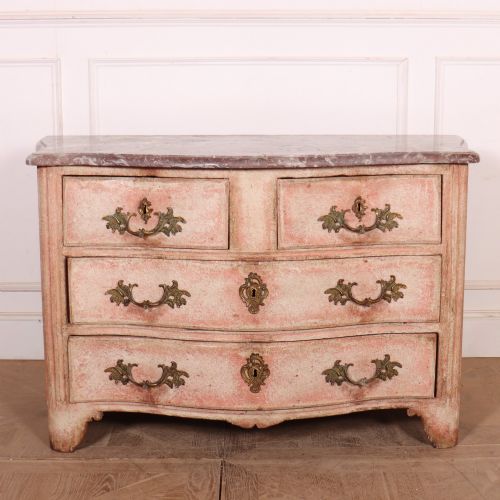
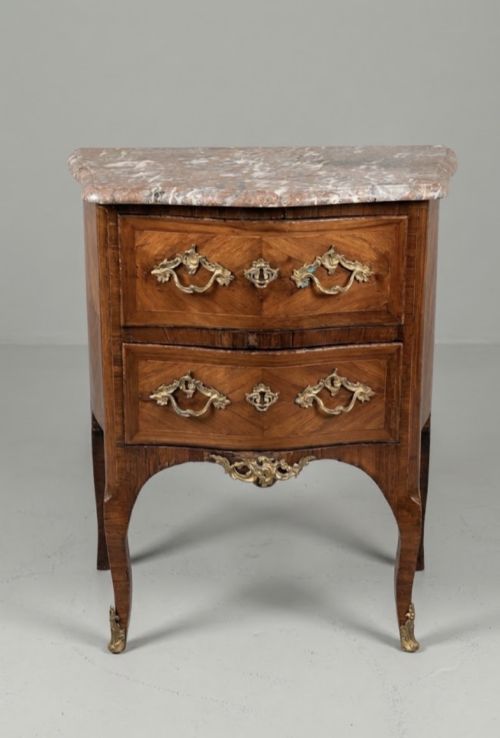
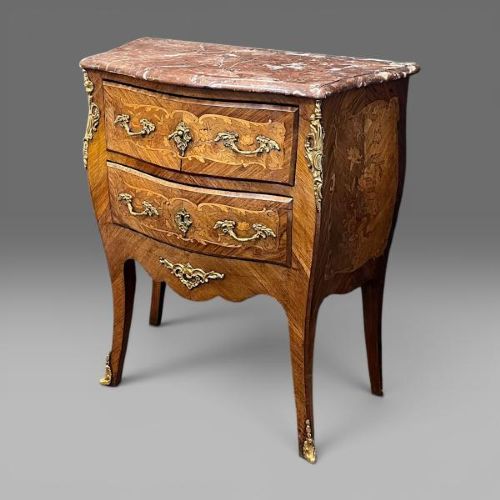
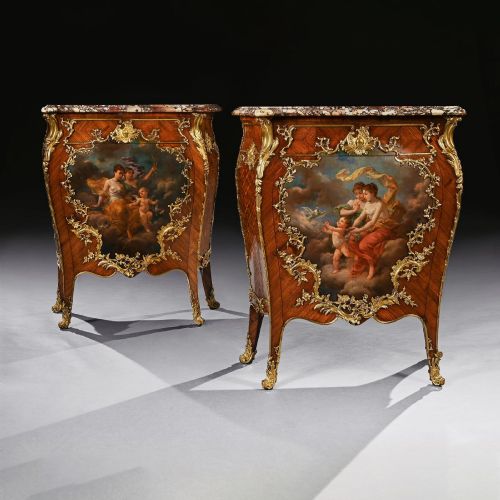
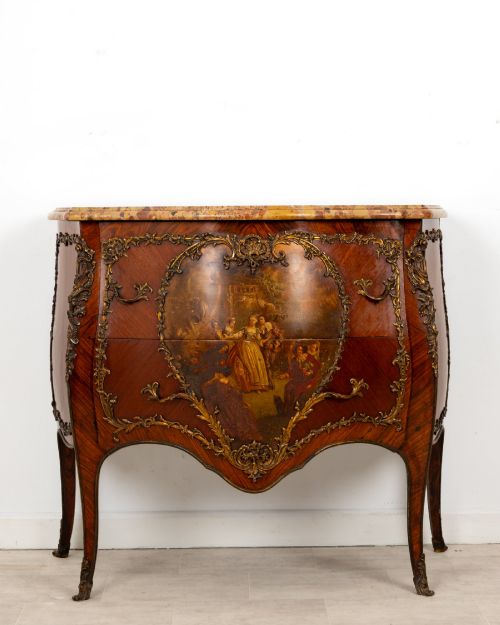
Gilt bronze, ormolu, and brass mounts were cast and chased to accentuate the sweeping contours of the drawer fronts and corners.
Many examples feature shaped marble slabs fitted to the top surface, following the serpentine lines of the woodwork below.
Antique Louis XV Commode Retail Price Guide 2026
Typical asking prices for louis xv commode among the pieces listed under this phrase on Sellingantiques today, from the lower quarter to the upper quarter. They describe what is for sale here now, not the wider market.
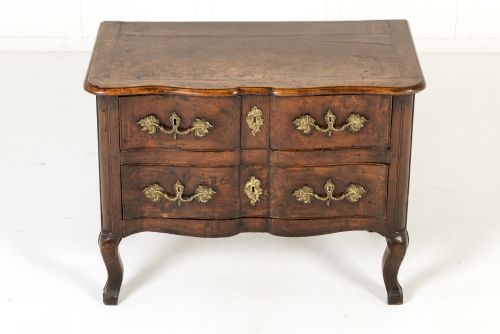
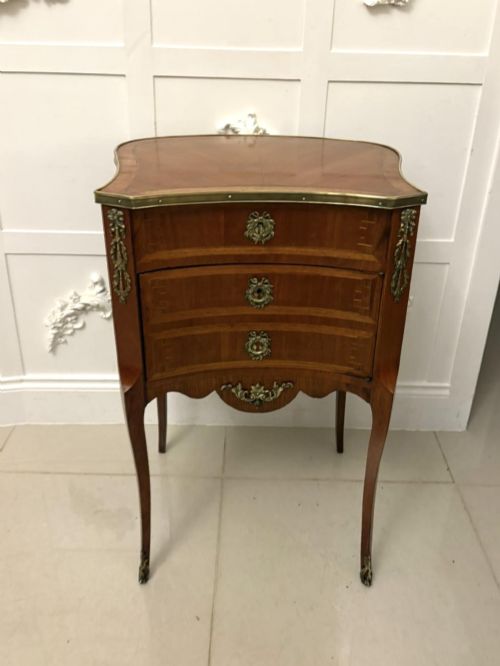
Miniature commodes offered a way for cabinetmakers to test complex bombe shapes before tackling full-sized furniture.
Evaluating craftsmanship
The distinction between standard and exceptional pieces rests upon the crispness of the gilt bronze mounts and the precision of the parquetry or marquetry patterns.
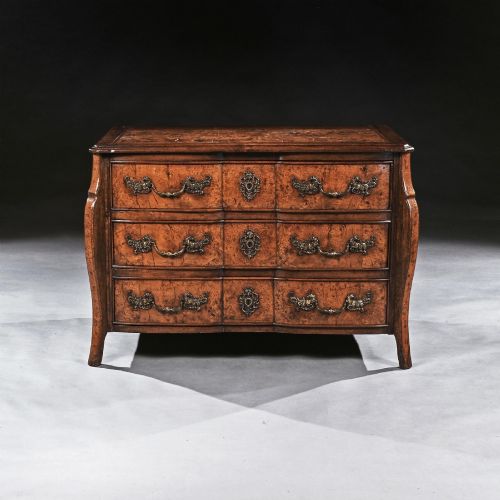
Structural integrity reveals itself in the hand-cut joinery of the drawers and the smooth execution of the curved bombe or serpentine profiles.
The choice of surface timbers, from humble bleached oak to figured burr elm and kingwood, dictates the visual depth of the finished cabinet.
François Linke·Jacques Bircklé·E. Kahn
The Antique Louis XV Commode Glossary
- Bombe
- A swelling, outward-curving contour found on the front and sides of eighteenth-century and revival case furniture.
- Ormolu
- Gilt bronze mounts cast and finished to ornament the corners, handles, and apron of the furniture.
- Marquetry
- Decorative patterns formed by fitting together small pieces of wood veneer onto the carcase.
- Parquetry
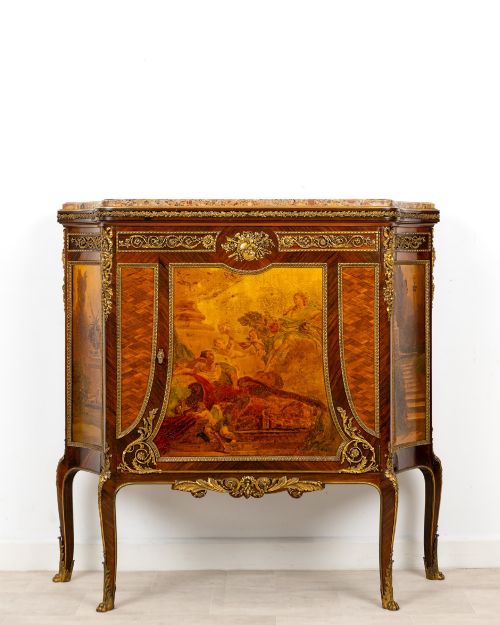
- Geometric wood inlay designs arranged in repeating grid or diagonal patterns.
- Vernis Martin
- A type of simulated Japanese lacquer developed in France, often seen on revival cabinets.
- Serpentine
- A furniture front or top shaped with a central concave curve flanked by two convex sweeps.
Antique Louis XV Commode: Frequently Asked Questions
How do I spot a true eighteenth-century piece?
Examine the interior construction, drawer linings, and hand-cut dovetails for signs of period hand-tooling rather than machine manufacture.
Timber shrinkage and traditional joinery methods provide further confirmation of genuine age against later revival alternatives.
Where should I place a commode at home?
These low chests function well in hallways, living rooms, or bedrooms as statement storage surfaces.
The decorative marble tops provide a durable finish for lamps and decorative objects.
What is the difference between provincial and revival pieces?
Provincial examples display simpler regional construction in solid oak, chestnut, or walnut without elaborate veneers.
Revival pieces often utilise rich kingwood veneers, intricate marquetry, and heavier gilt bronze mounts.
How do I care for the marble top?
Clean the stone surface regularly with a soft cloth and warm soapy water, avoiding acidic or abrasive household cleaners.
Use protective pads beneath heavy or wet objects to prevent scratching and staining.