


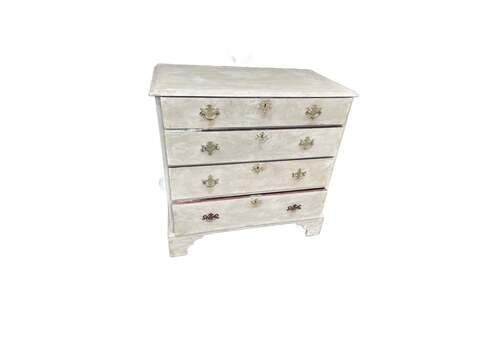


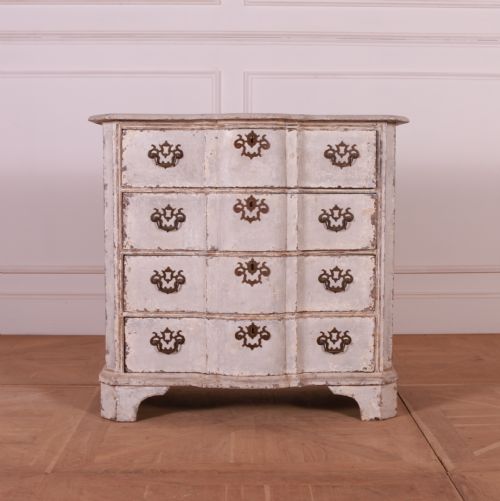


White Distressed Commode
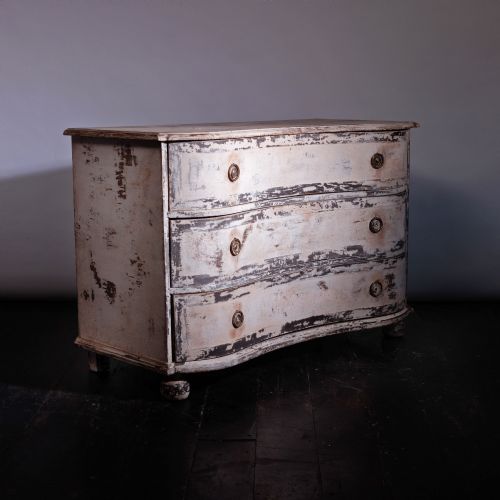
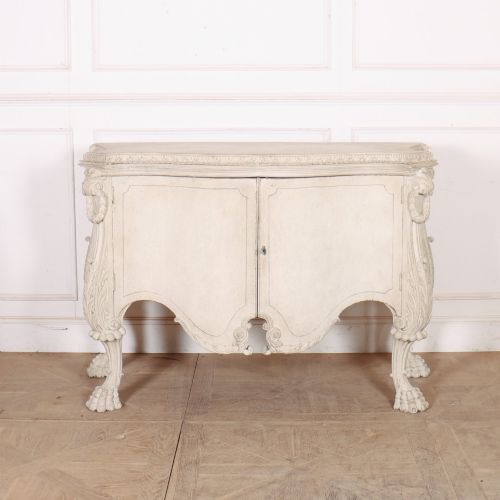
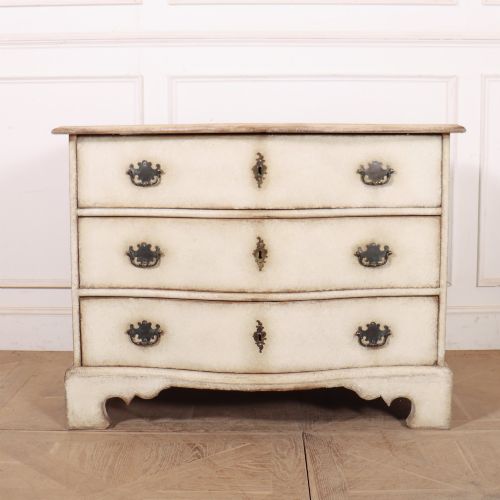
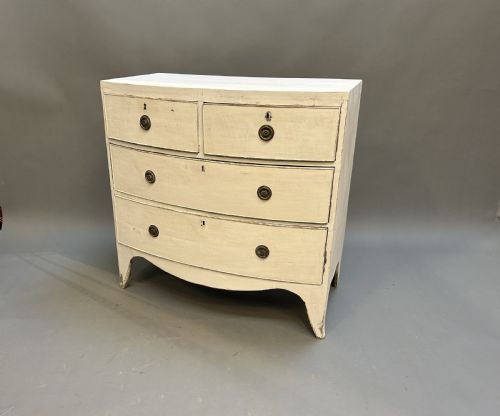
A white distressed commode offers practical storage with period character, bringing painted surface texture and graceful curves to a room.
White Distressed Commode
A white distressed commode provides drawer storage while displaying the painted surface wear characteristic of older pieces. The selection includes items originating from France, Italy, Germany, Sweden, Denmark and the Netherlands.
The objects span multiple centuries, appearing in forms such as chests of drawers, side cabinets and linen cupboards. French provincial, Gustavian, Italian Rococo and Louis XV styles shape the designs.
Surviving examples range from eighteenth-century serpentine pieces to nineteenth-century pine versions and early twentieth-century interpretations. These items function as bedroom storage units or living room side cabinets.
How they were made
Carpenters constructed these items using oak, pine and general wood frameworks. Craftsmen shaped carcases with straight or serpentine fronts, occasionally incorporating carved wooden details.
Workers applied paint and gesso finishes to the timber surfaces. Hardware elements utilised brass and other metals for drawer pulls and key escutcheons.
White Distressed Commode Retail Price Guide 2026
Typical asking prices for white distressed commode among the pieces listed under this phrase on Sellingantiques today, from the lower quarter to the upper quarter. They describe what is for sale here now, not the wider market.
Some chests travelled so widely across European borders that their drawers still slide with the slow rhythm of three different centuries.
What varies in quality
The refinement of the carving work influences the character of each piece, distinguishing simple country items from elaborate court-influenced designs. Serpentine fronts and shaped drawer profiles demand greater cabinet-making skill than plain rectangular boxes.
The handling of the painted finish and the integrity of the underlying timber structure determine the overall execution. Surviving hardware and the original movement of the drawers also shape the standard of the object.
Edwards and Roberts
The White Distressed Commode Glossary
- Commode
- A low chest of drawers or cabinet, typically standing on legs and designed for domestic storage. Originating in France, the form evolved from heavy cupboards into elegant drawer units.
- Serpentine
- A front profile that curves outward in the centre and inward at the sides in a gentle 'S' shape. This contour requires skilled carpentry to execute across drawer fronts.
- Gesso
- A plaster-like mixture applied to wood surfaces to prepare them for painting and gilding. It provides a smooth ground that accepts decorative pigments.
- Gustavian
- The Swedish interpretation of French neoclassical design, characterised by pale painted finishes and restrained ornamentation. It draws inspiration from the reigns of Gustav III.
- Bombe
- A bulging, outward-curving furniture shape where the sides and front swell outward toward the base. This silhouette is frequently seen in Dutch pieces.
White Distressed Commode: Frequently Asked Questions
What is a commode?
A commode is a low chest of drawers or storage cabinet used primarily for domestic storage in bedrooms or living spaces. These pieces combine functional drawer capacity with decorative surface finishes.
Historically, the form served various storage purposes within elite and provincial households alike. Today they function as bedside units, hallway tables or focal storage points.
How old are these?
The pieces span from the eighteenth century through to the early twentieth century. Dates are attributed based on construction methods, stylistic markers and regional design traits.
Earlier examples from the seventeen-hundreds often feature intricate serpentine fronts and regional European styling. Later nineteenth and twentieth-century items continue these traditional forms.
Where were they made?
Origin locations include France, Italy, Sweden, Germany, Denmark and the Netherlands. Each region developed distinct stylistic interpretations of the form.
French pieces often display Louis XV or provincial styling, whilst Swedish items reflect Gustavian design principles. Italian and German pieces frequently utilise dramatic serpentine curves.
What woods are used?
Construction materials primarily consist of oak and pine, alongside general wood carcases. These timbers provided sturdy foundations for the painted and gessoed finishes.
Craftsmen selected these woods for their availability and structural stability. The timber choice often aligns with the geographical origin of the piece.