


Louis XV Carved Drawers
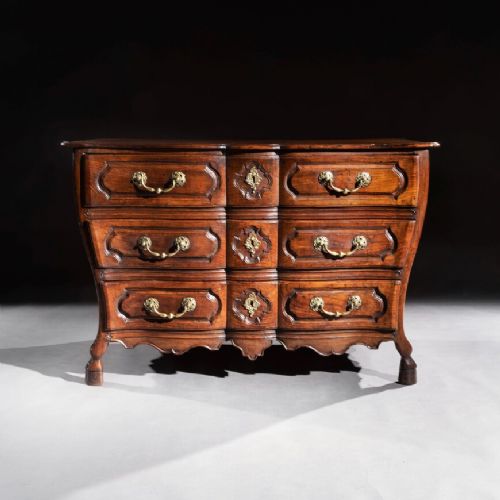
Louis xv carved drawers bring sophisticated French provincial character to a room through serpentine fronts and rich timber patination.
Louis XV Carved Drawers
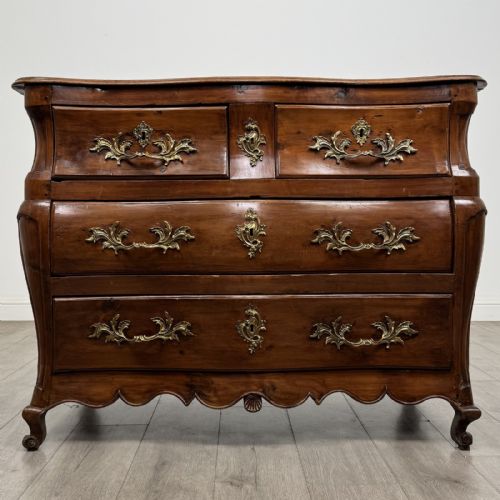
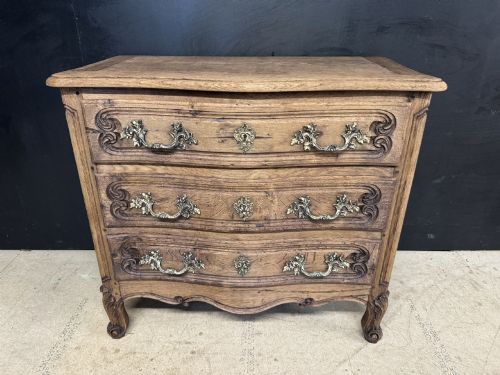
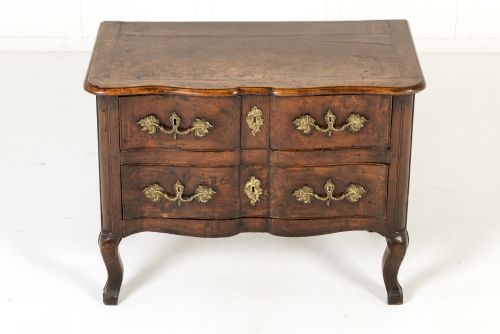
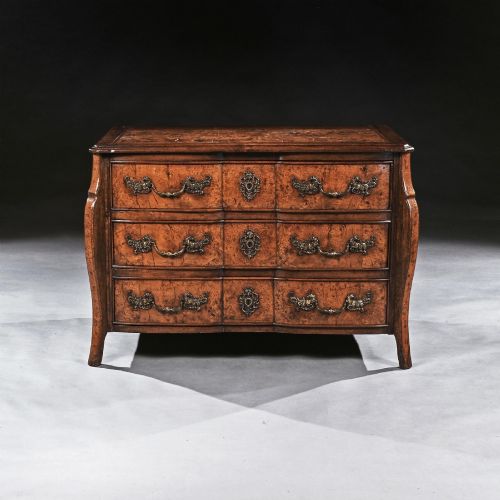
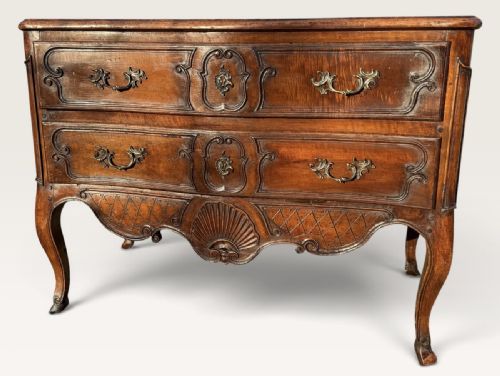
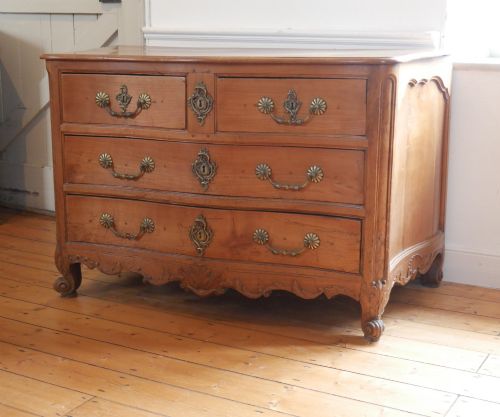
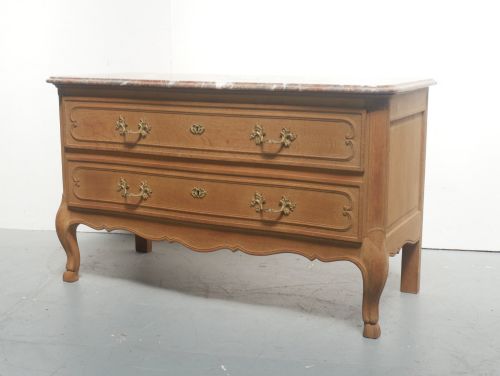
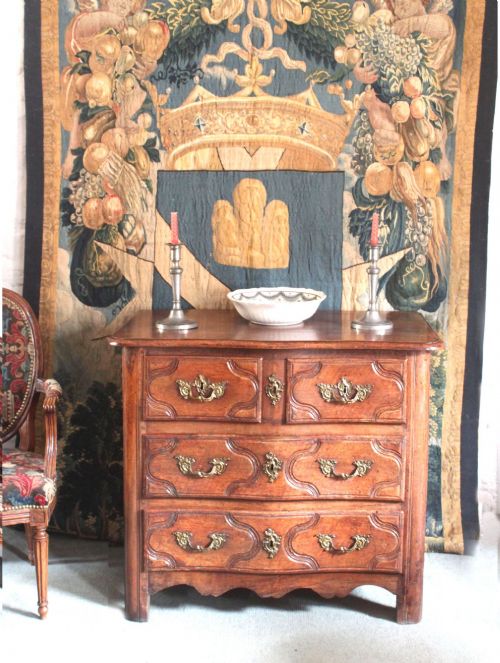
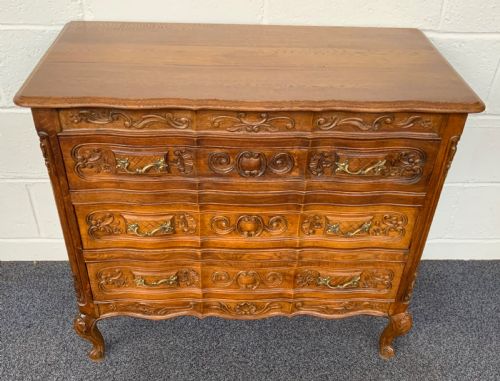
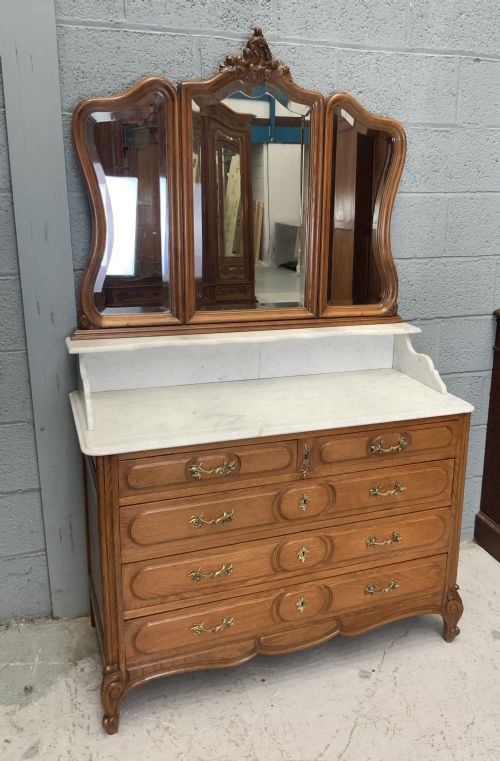
These pieces are primarily commodes, bedside cabinets and chests of drawers rooted in French provincial and Rococo revival traditions. When searching for louis xv carved drawers, buyers encounter 18th-century originals alongside later interpretations from the early 20th century.
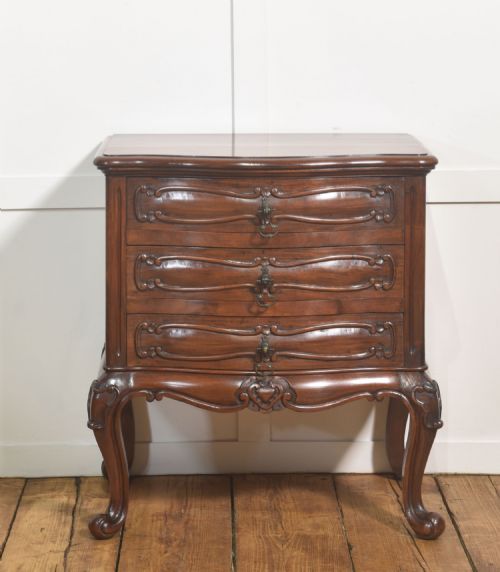
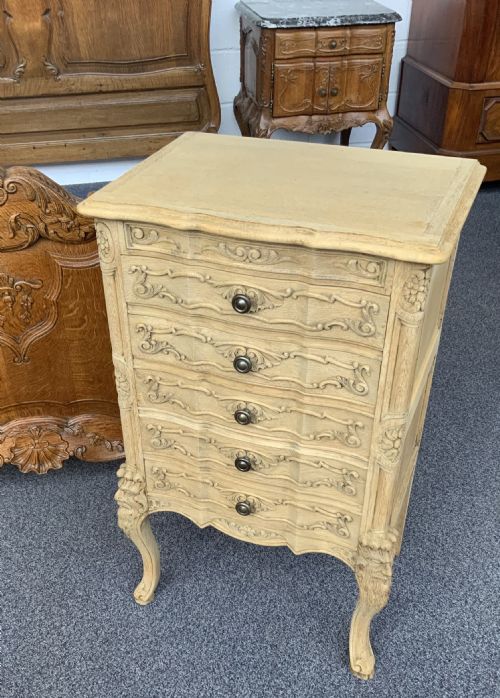
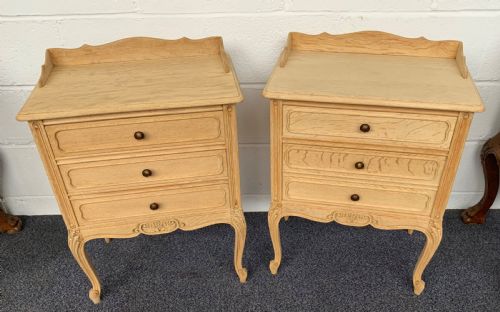
The dominant forms display serpentine or bombe contours shaped from timber, often topped with marble or fitted with brass hardware. Buyers meet both grand walnut specimens from the 1700s and lighter bleached oak or painted versions from subsequent decades.
Materials and Construction
Cabinetmakers utilised solid timbers such as walnut, oak, burr elm and cherry wood, shaping them into curved fronts and panelled sides. Joinery relies on traditional techniques to accommodate the swelling contours of commodes and bedside tables.
Surfaces feature hand carving, parquetry or painted finishes, frequently paired with marble slabs on commode tops and brass mounts on the drawers.
Louis XV Carved Drawers Retail Price Guide 2026
Typical asking prices for louis xv carved drawers among the pieces listed under this phrase on Sellingantiques today, from the lower quarter to the upper quarter. They describe what is for sale here now, not the wider market.
Listings span the 18th century through the mid-20th century, encompassing walnut, oak, burr elm, and painted wood.
Assessing Quality and Execution
Quality rests upon the fluency of the carved decoration and the precision of the timber shaping, particularly around the complex serpentine and bombe profiles. Finer examples show crisp hand work that integrates smoothly into the structural frame.
The choice of material and the integrity of the patination distinguish superior specimens, whether dealing with figured walnut from the 18th century or decorative painted finishes from later revival periods.
The Louis XV Carved Drawers Glossary
- Commode
- A low chest of drawers or cabinet originating in France, serving as a principal storage piece in domestic interiors. These typically feature serpentine or bombe fronts.
- Bombe
- A swelling, outward-curved contour found on the sides and fronts of case furniture, demanding advanced woodworking skill. This shape characterises many provincial commodes.
- Serpentine
- A line or surface that curves outward centrally and inward at the sides, creating a gentle undulating wave. This profile defines the fronts of numerous period chests.
- Parquetry
- Geometric wood mosaic work used for decorative surfaces on furniture, formed by fitting small pieces of veneer together. It adds intricate pattern to drawer fronts and tabletops.
- Mazarin
- A type of kneehole desk or cabinet featuring central cupboards flanked by banks of drawers, often associated with early 18th-century craftsmanship.
Louis XV Carved Drawers: Frequently Asked Questions
How do I date a chest?
Dating relies on examining the timber species, construction methods, hardware and overall stylistic execution of the piece. Eighteenth-century examples display hand-cut joinery and aged patination.
Later revivals from the early 20th century often utilise bleached oak or painted finishes while mimicking earlier French provincial forms.
Where were they made?
These items originate primarily from France, spanning major cabinetmaking workshops and provincial regions such as Provence. Regional makers adapted court styles into simpler country furniture.
This provincial tradition accounts for the varied use of local woods like walnut, cherry and chestnut alongside oak.
How do I style a commode?
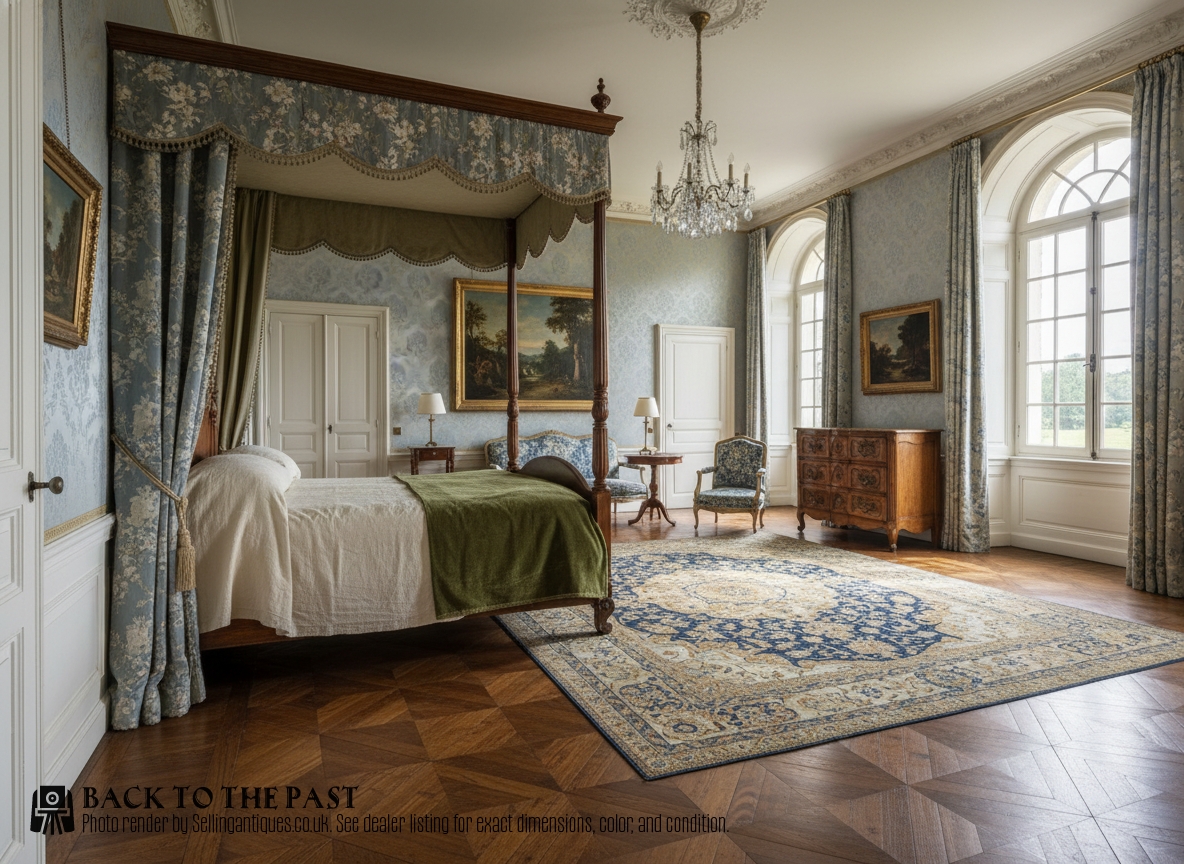
A serpentine commode works well against a plain wall where its curved silhouette and timber grain remain visible. Placing a lamp or mirror above enhances its decorative presence.
The natural patination of walnut or bleached oak contrasts effectively with both traditional and modern interiors.