

18th Century French Chest
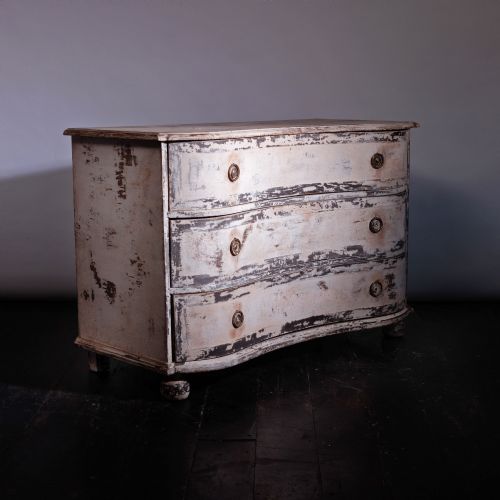
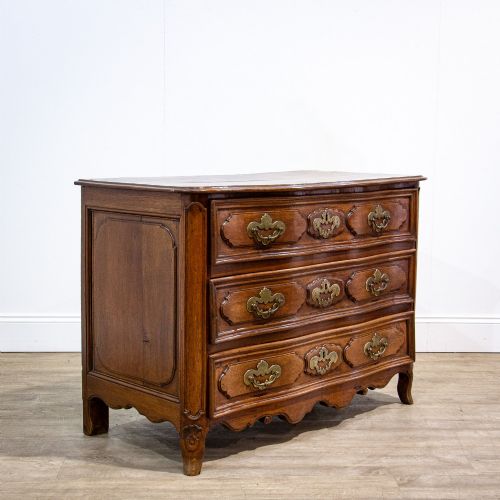
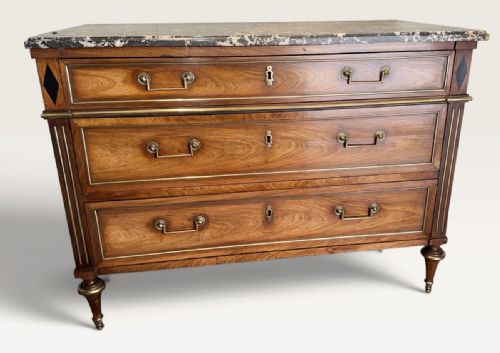
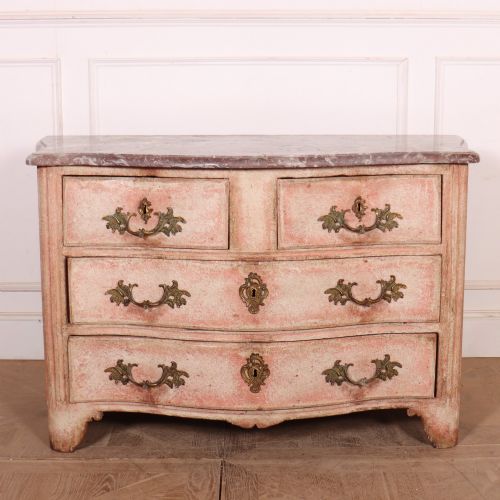
An 18th century french chest brings provincial warmth and fine cabinet-making traditions into a modern room through generous storage and rich timber patination.
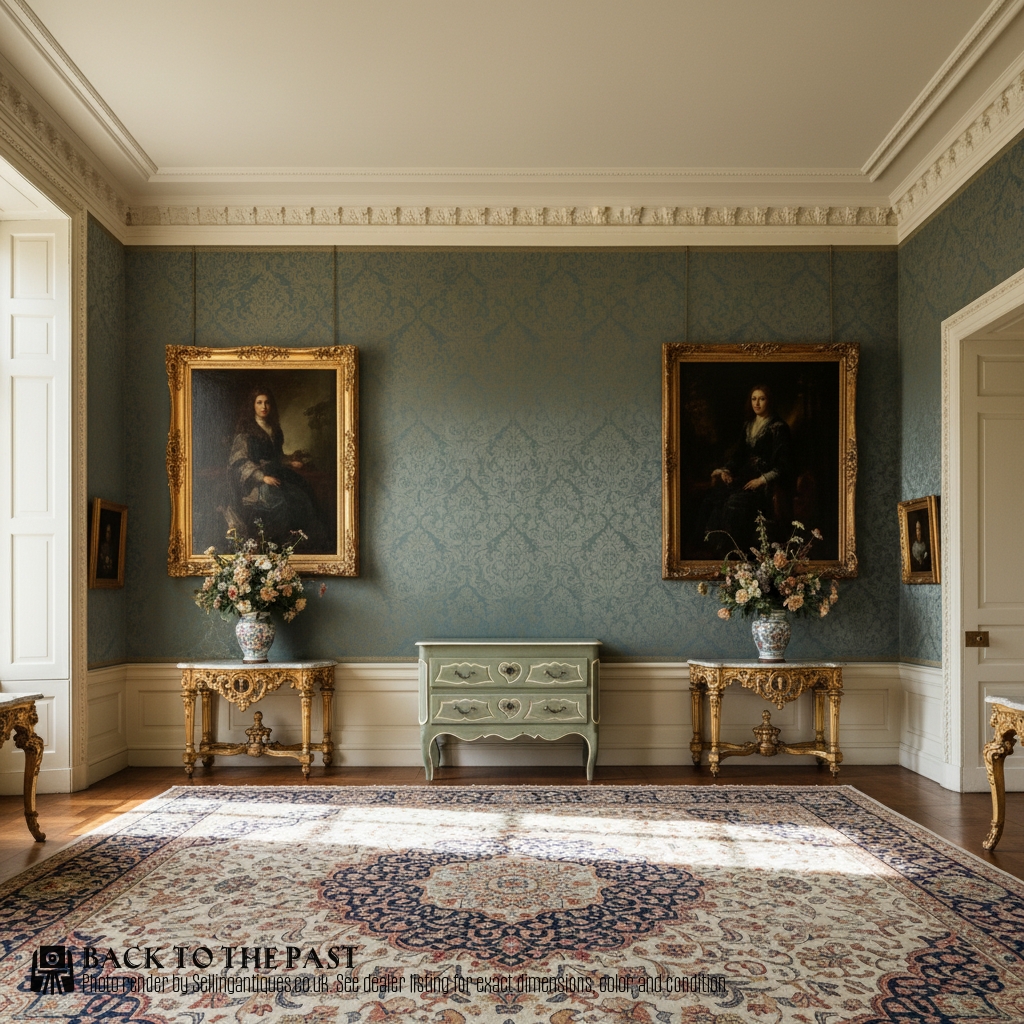
18th Century French Chest
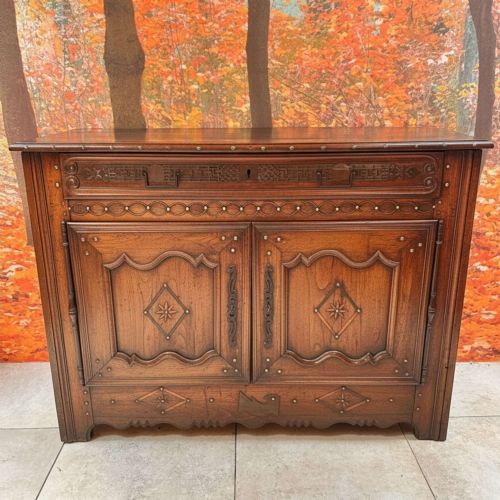
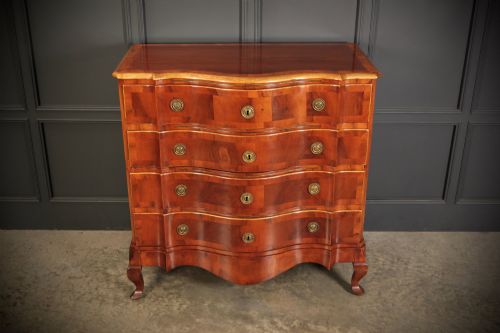
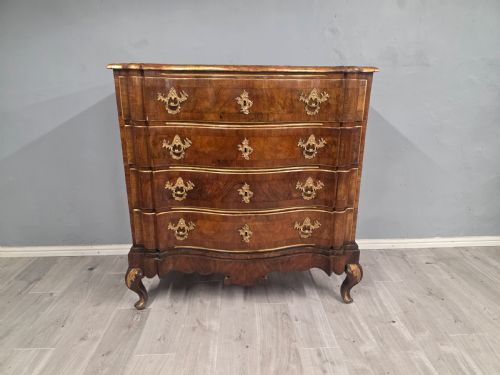
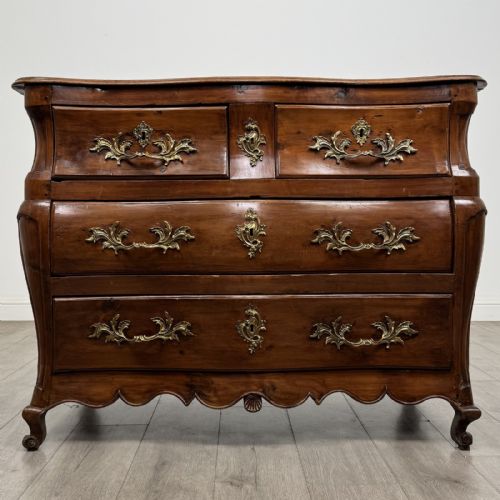
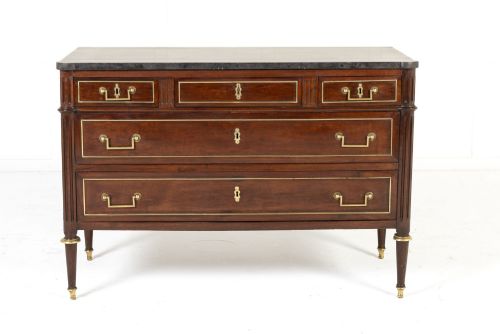
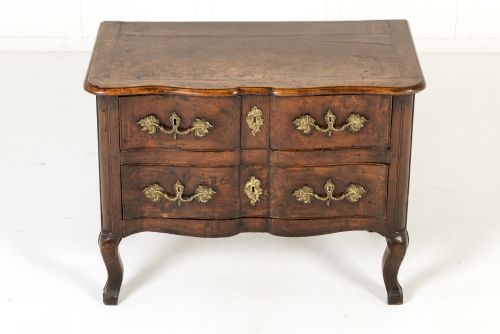
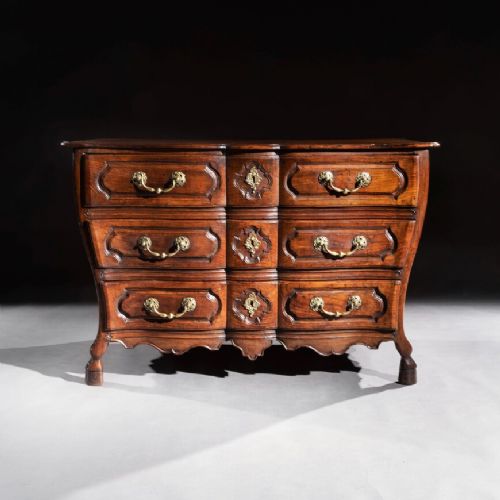
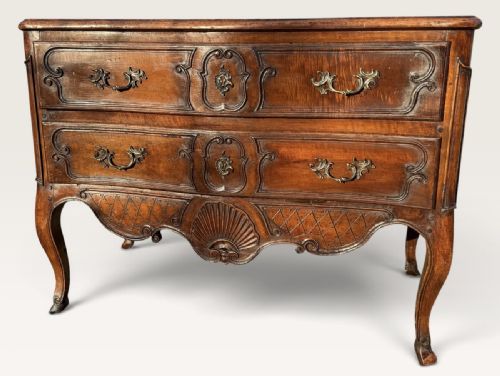
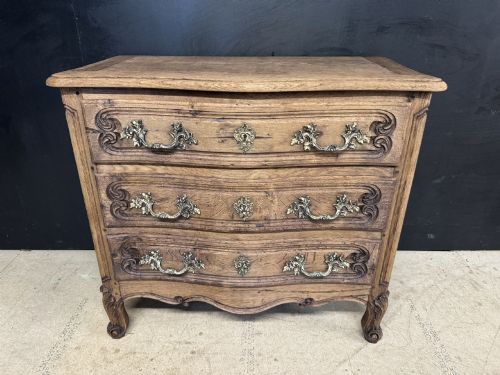
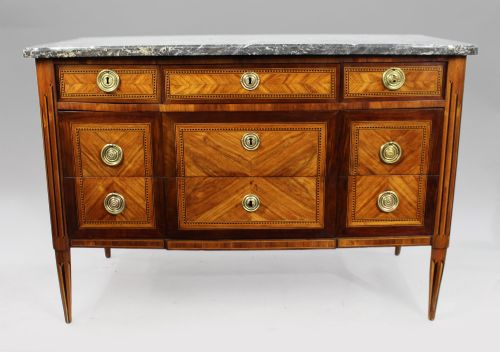
The primary forms recorded include commodes with multiple drawers, cupboard commodes, and tall chests designed for domestic storage. Stylistic variations lean heavily towards French Provincial and Louis XV aesthetics.
Origins range from formal walnut models to rustic chestnut and painted pieces. Surviving examples demonstrate the diverse regional tastes operating across France during this period.
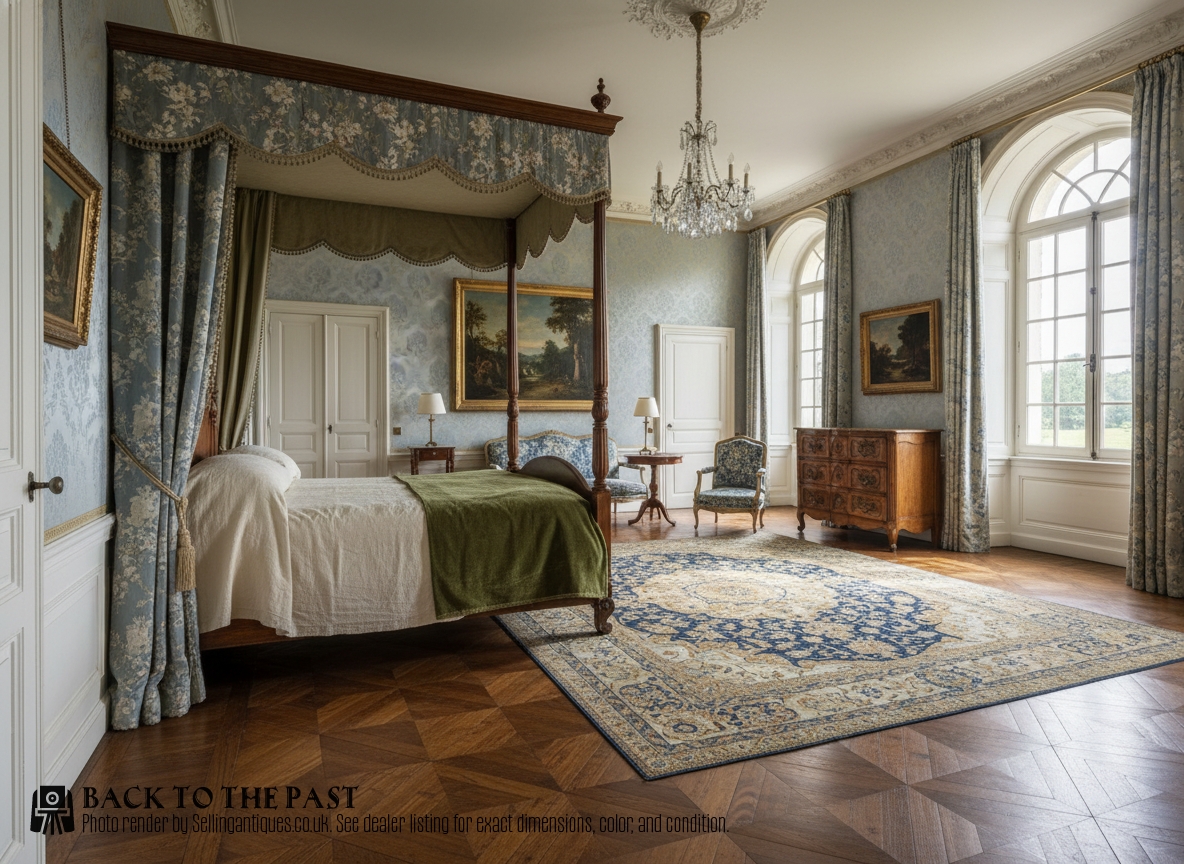
Variations in Quality
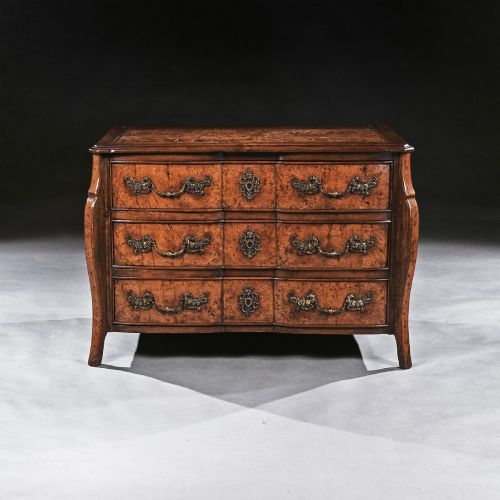
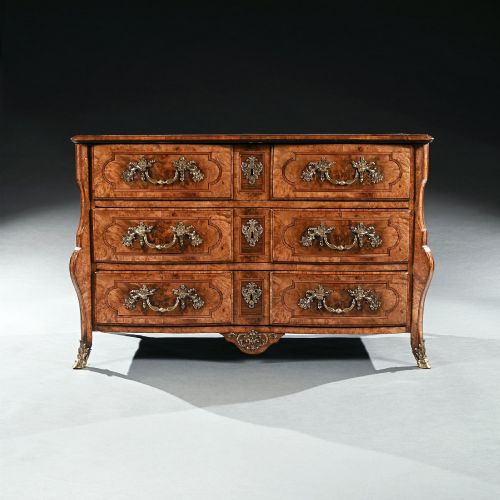
The standard of timber selection separates simpler provincial utility pieces from refined urban commissions. Figured grains and carefully matched veneers elevate the visual impact of high-end commodes.
Execution of carved detailing and serpentine shaping demonstrates the hand of skilled artisans. Crisp mouldings and well-integrated brass mounts indicate superior workshops compared to plain, utilitarian constructions.
Surface preservation affects the overall integrity, with untouched patinated timber finishes holding greater visual depth than heavily restored or aggressively stripped surfaces.
18th Century French Chest Retail Price Guide 2026
Typical asking prices for 18th century french chest among the pieces listed under this phrase on Sellingantiques today, from the lower quarter to the upper quarter. They describe what is for sale here now, not the wider market.
Some provincial chests harbour secret compartments designed long ago for hiding precious household silver from tax collectors.
Henry Edridge
The 18th Century French Chest Glossary
- Commode
- A low chest of drawers, typically featuring two or more full-width drawers. This form stands as the quintessential French storage furniture of the period.
- Serpentine
- A curved line that undulates inwards and outwards, commonly seen on the fronts and tops of sophisticated commodes. It requires advanced woodworking skill to execute properly.
- Provincial
- Denotes items made in the regions outside Paris. These pieces often display charming local characteristics and practical regional timbers like chestnut or fruitwood.
- Gilt
- Covered in a thin layer of gold leaf. This decorative treatment highlights carved mouldings and focal points on painted furniture.
- Fossil marble
- Limestone containing distinct fossil fragments, used frequently for high-end furniture tops. It provides a cool, heavy contrasting surface to warm wooden carcases.
18th Century French Chest: Frequently Asked Questions
How do I identify a true period chest?
Examine the timber shrinkage, hand-cut dovetail joints, and internal construction methods. Period pieces display natural wear patterns and tool marks consistent with manual woodworking.
Compare the timber species and hardware against known regional styles. Provincial pieces often use local woods like chestnut, whilst urban workshops favoured walnut and exotic veneers.
Where should I place a commode at home?
These pieces function effectively in hallways, living rooms, and bedrooms as statement storage units. Their generous proportions provide ample surface area for lamps and decorative objects.
Ensure placement avoids direct sunlight and major heat sources to protect the historic timber and prevent panel splitting.
What maintenance do antique wooden chests need?
Apply a quality beeswax periodically to nourish the dry timber and maintain the natural lustre of the patina. Avoid modern silicone-based polishes which can damage historic finishes.
Maintain stable room humidity levels to prevent wood movement and protect structural joints from loosening over time.
What is the difference between provincial and Louis XV styles?
Provincial pieces exhibit simpler lines, heavier proportions, and practical local timbers suited to rural homes. They prioritise utility while retaining charming regional character.
Louis XV furniture showcases refined curves, cabriole legs, and elaborate ornamentation designed for fashionable urban interiors. The craftsmanship reflects sophisticated court aesthetics.