



Rococo Painted Commode
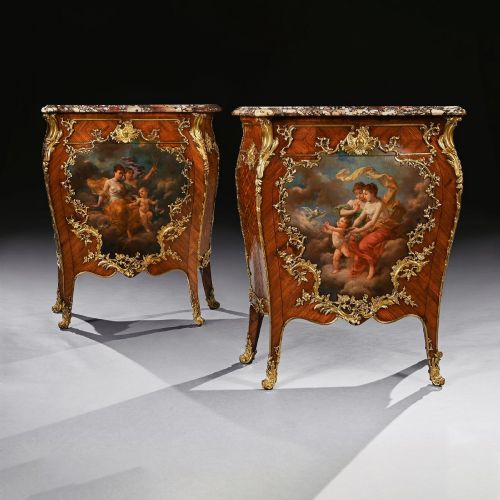
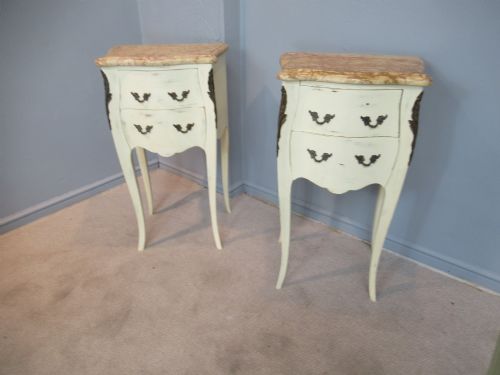
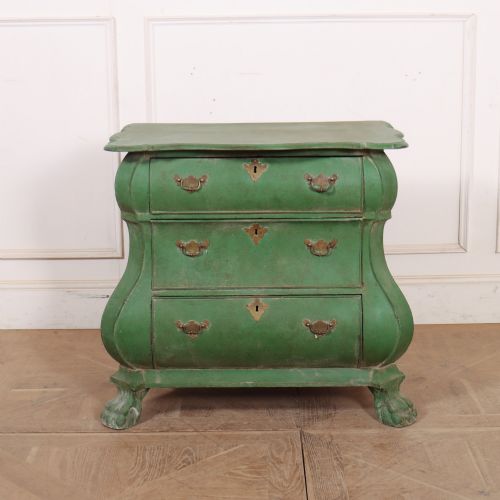
A rococo painted commode brings flowing curves and decorative painted surfaces into a room, offering both generous drawer storage and distinctive continental style.
Rococo Painted Commode
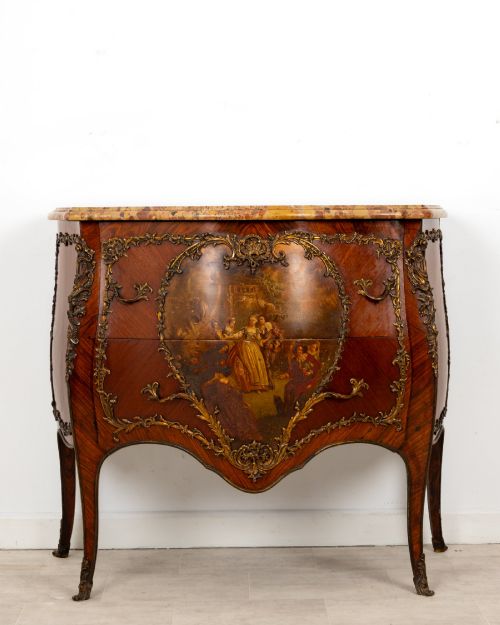
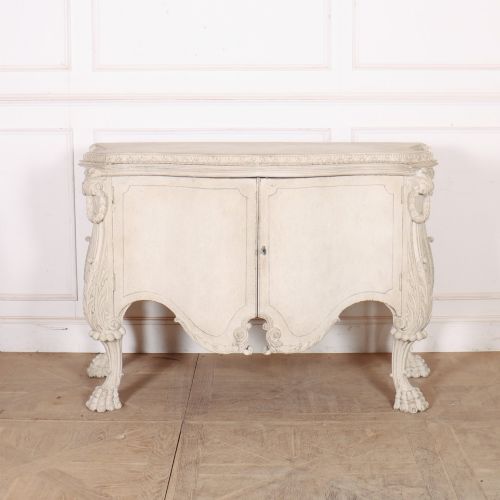
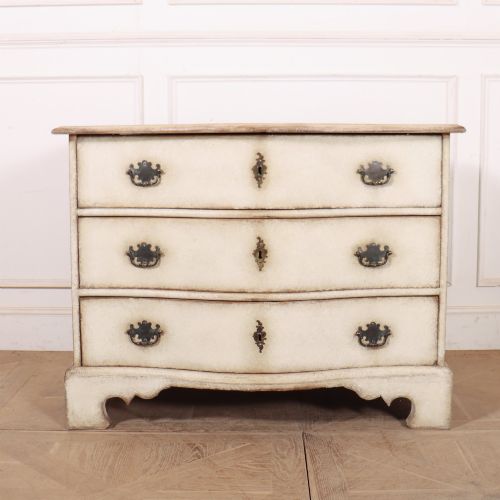
A rococo painted commode is a set of drawers or a low cabinet characterised by serpentine contours, bombe profiles and applied painted decoration. These pieces originate across Europe, with French, Italian, Dutch and Scandinavian examples forming the core of the selection available to collectors.
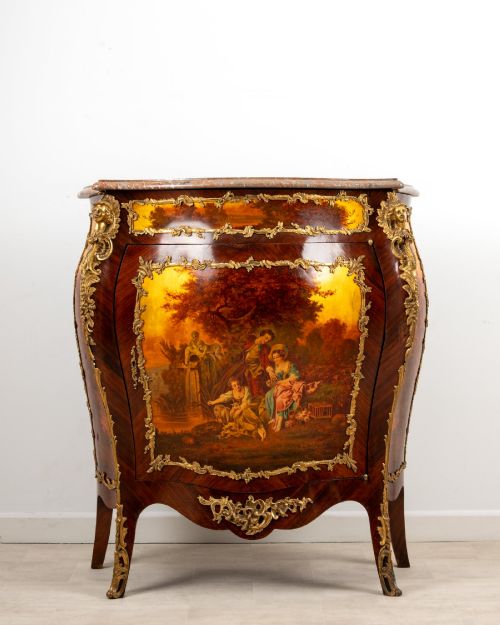
The most common version encountered here is the nineteenth century revival piece or eighteenth century original featuring painted wood, often topped with marble and fitted with ormolu or brass mounts. They function as bedside tables, side cabinets and substantial chests of drawers.
Makers and craftsmen drew inspiration from Louis XV designs, Italian workshops and regional provincial traditions. The resulting furniture balances functional storage with ornate artistic expression through carved details and decorative paintwork.
What varies in quality
The refinement of the painted surface work dictates the distinction between standard and exceptional pieces, where delicate hand-painted scenes or intricate lacquer demand superior artistic execution. Finer examples display harmonious integration between the painted decoration, the gilt-bronze mounts and the underlying wood structure.
The precision of the cabinetmaker's joinery on complex serpentine and bombe shapes determines structural integrity over centuries. Superior items retain crisp carving in the wood and securely fitted marble tops without resorting to heavy structural alterations.
Listings span multiple centuries, incorporating eighteenth century originals alongside nineteenth century revival pieces and twentieth century interpretations.
The Rococo Painted Commode Glossary
- Bombé
- A swelling, bulging chest profile that curves outward on the front and sides. This technique demands advanced woodworking skill to maintain structural stability.
- Serpentine
- A furniture front or top shaped with a double-curved line, convex in the centre and concave at the sides. It creates a fluid movement characteristic of the style.
- Vernis Martin
- A simulated lacquer finish developed in France during the eighteenth century using multiple layers of varnish. It was widely utilised on revival cabinets and commodes.
- Ormolu
- Gilt-bronze mounts applied to furniture edges, corners and feet for decorative accent. The metal is cast and then finished with mercury gilding or modern electroplating.
- Chinoiserie
- European decorative motifs inspired by Chinese art, featuring painted figures, landscapes and pagodas. This style appears frequently on lacquered and painted cabinets.
Rococo Painted Commode: Frequently Asked Questions
Where were these commodes originally placed?
These decorative chests were designed for principal reception rooms, bedchambers and private boudoirs in grand European houses. Their finished backs and ornate fronts allowed them to sit prominently against walls or within formal room layouts.
Over time, their practical storage capacity made them adaptable for modern hallways, living spaces and bedrooms as statement side cabinets.
How do I care for a painted wood surface?
Painted and lacquered furniture requires a stable environment away from direct sunlight and sudden temperature shifts. Dusting should be done gently with a dry, soft cloth without chemical polishes.
Moisture can damage fragile painted layers and Vernis Martin finishes, so liquids must be kept away from the timber and marble surfaces.
How can I tell an eighteenth century piece from a revival?
Distinguishing period pieces involves examining construction methods, timber ageing, and the wear patterns on internal drawer linings. Eighteenth century commodes show hand-cut joinery and period-specific tool marks.
Revival pieces, such as those from the nineteenth and early twentieth centuries, often utilise machine-sawn timber elements and standardised hardware while copying earlier stylistic motifs.
What is the purpose of the marble top?
Marble slabs provided a durable, cool surface that resisted staining and wear from items placed on the commode. They also added substantial weight to anchor the serpentine cabinetry.
The stone was selected to complement the painted woodwork, often featuring natural veining that echoed the colours within the painted scenes.