




Gilt Wood Commode
A gilt wood commode brings architectural presence and opulent surface work to a room, offering both generous storage and distinct period character.
Gilt Wood Commode
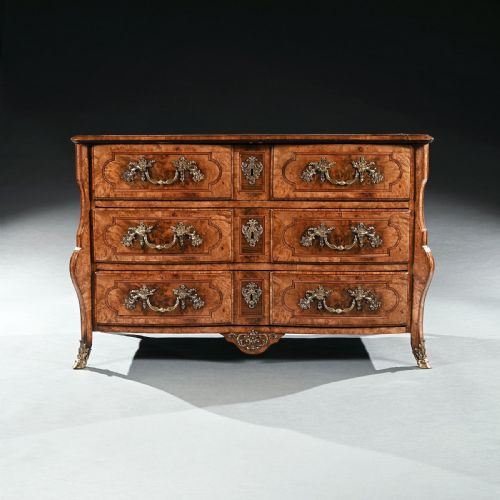
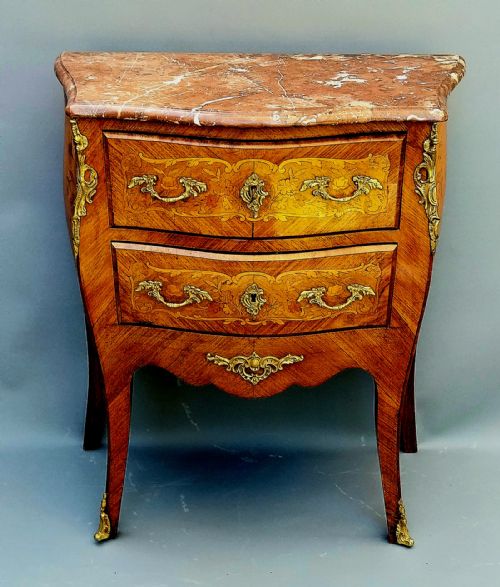
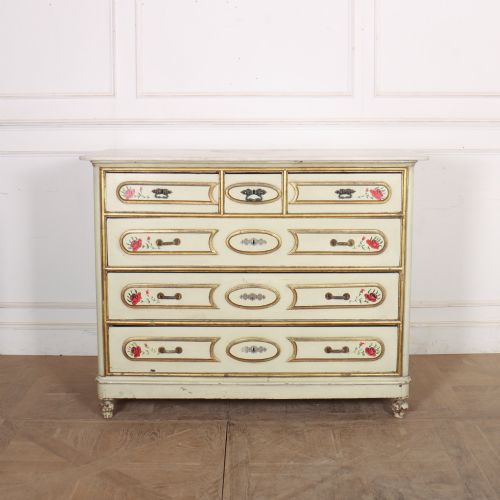
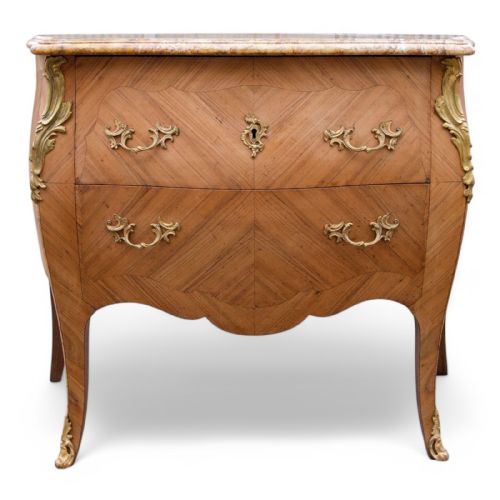
When you search for a gilt wood commode, you encounter a substantial low storage piece defined by gilded surfaces, decorative carving, and often a stone top. The items span various forms from chests of drawers and bedside tables to side cabinets and bombé shaped cupboards.
The pieces meeting you on this page predominantly originate from French and Italian workshops, stretching from the eighteenth century through nineteenth-century revivals into the twentieth century. Makers applied styles ranging from Louis XV and Louis XVI to Regence and Italian Rococo, alongside Chinoiserie decoration.
These items served historically as grand storage furniture for principal rooms, combining utility with ornamental display. Today they function equally well as focal points in hallways, drawing rooms, or bedrooms where surface reflection and timber grain catch the light.
How they were made
Cabinet makers constructed carcass frames from timbers such as oak, mahogany, walnut, kingwood, and tulipwood, frequently applying elaborate wood veneers and marquetry patterns across the drawer fronts and sides. Gesso served as the prepared base layer for subsequent gilding on carved wooden mouldings and frames.
Mounts of ormolu, gilt bronze, and gilt metal provided structural emphasis and edge protection around corners and aprons. Marble tops, including breche d'alep varieties, were cut and polished to fit precisely over the wooden chests of drawers and side cabinets.
Listings feature pieces spanning the eighteenth to the twentieth centuries, utilising marble, ormolu, kingwood, gesso, and various wood veneers.
What varies in quality
The depth and crispness of the carved giltwood elements distinguish ambitious commissions from simpler production work. Hand-chased ormolu mounts that fit flush against the timber carcass indicate higher workshop standards than cast pieces with loose tolerances.
The choice of surface materials creates a clear hierarchy, with figured kingwood, tulipwood, burr maple, and intricate marquetry inlay demanding greater skill from the cabinet maker than painted or plain wood finishes. Heavy, well-finished marble slabs matched to the specific contour of a bombé or demi-lune top separate standard utility items from superior decorative pieces.
Thomas Hache of Grenoble·Edmond Poteau
The Gilt Wood Commode Glossary
- Commode
- A low chest of drawers or cabinet designed for domestic storage. It typically stands on shorter legs and provides a broad top surface.
- Bombe
- A swelling, outward-curved contour found on the front and sides of furniture. This fluent profile requires advanced mastery of wood bending and veneer application.
- Ormolu
- Gilded bronze used for decorative mounts, handles, and feet. Artisans applied gold amalgam to bronze through heat treatment to achieve a rich metallic lustre.
- Marquetry
- Decorative patterns formed by fitting contrasting veneer pieces into a wooden ground. Craftsmen utilised fine timbers to create elaborate floral or geometric designs.
- Regence
- A transitional decorative style bridging the seventeenth and eighteenth centuries in France. It emphasises asymmetrical curves and early rocaille motifs.
Gilt Wood Commode: Frequently Asked Questions
How do I date a gilt wood commode?
Dating relies upon examining the construction methods of the internal drawers, the timber species used for the secondary woods, and the specific characteristics of the gilt bronze or ormolu mounts. Stylistic indicators like the asymmetry of Louis XV work or the straight-lined neoclassical restraint of Louis XVI provide further chronological markers.
Cabinetry details such as hand-cut dovetails and the ageing of the gesso beneath the gilding help confirm whether a piece belongs to its original period or stems from a later nineteenth-century revival.
Where should I place a gilt wood commode?
These pieces command attention and work effectively against neutral walls where their gilded surfaces and marble tops can reflect natural light. They suit hallways, principal living rooms, or bedrooms as statement storage units.
Ensure the piece is positioned away from direct heat sources and strong sunlight to protect the fragile gesso, gilding, and delicate wood veneers from drying out or fading over time.
Are marble tops original to these commodes?
Many eighteenth and nineteenth-century commodes were designed specifically to receive heavy stone tops, which provided a durable and cool surface. Inspecting the seating rebate on the wooden carcass reveals whether the stone sits correctly within the original frame.
Varieties like breche d'alep marble are characteristic of French and Italian pieces from this tradition, though replacement tops do occur in older furniture and should be assessed by their fit and edge profiling.
What is the difference between Louis XV and Louis XVI styles?
Louis XV furniture is defined by flowing serpentine lines, bombé curves, and asymmetrical rococo ornamentation that eschews straight angles. The overall aesthetic feels organic, fluid, and exuberant.
Louis XVI design marks a return to classical symmetry, featuring straight fluted legs, rectangular proportions, and architectural motifs such as urns, swags, and restrained geometric marquetry.