
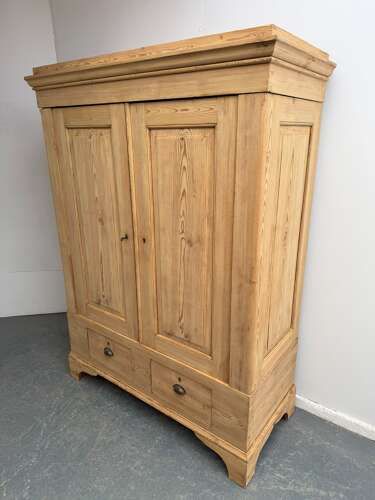
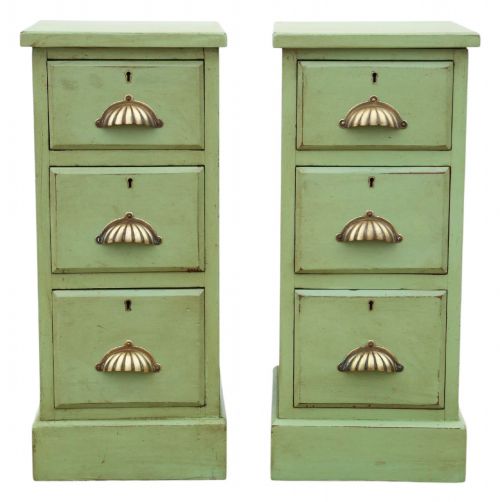
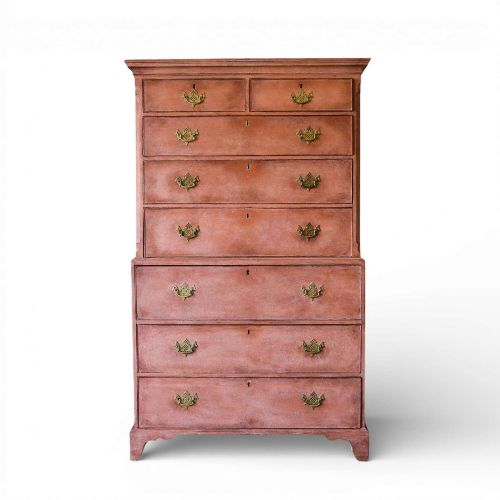
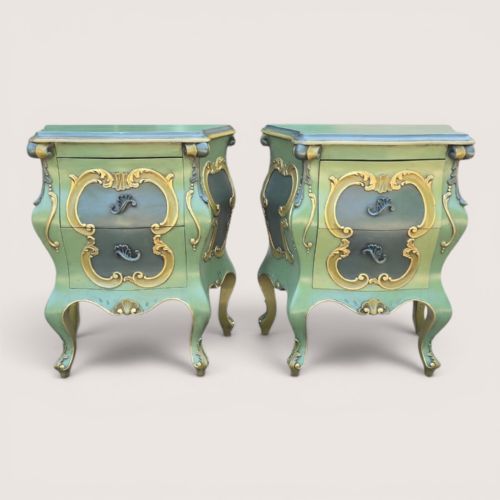
Painted Drawers Cabinet
These painted drawers cabinet listings bring together functional storage and decorative painted surfaces from Georgian, Victorian, and later periods.
Painted Drawers Cabinet
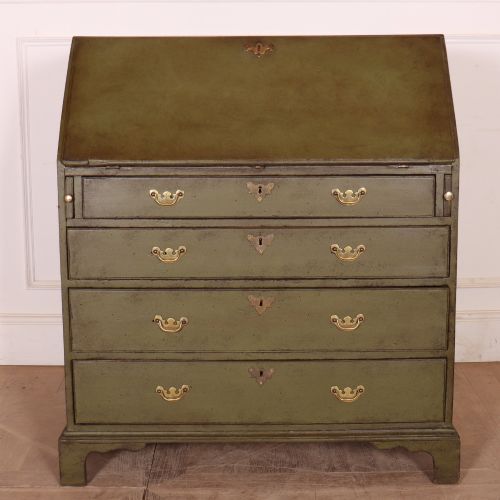
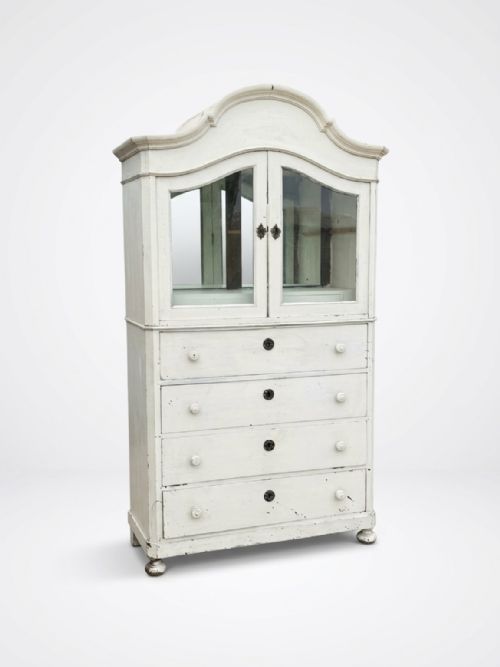
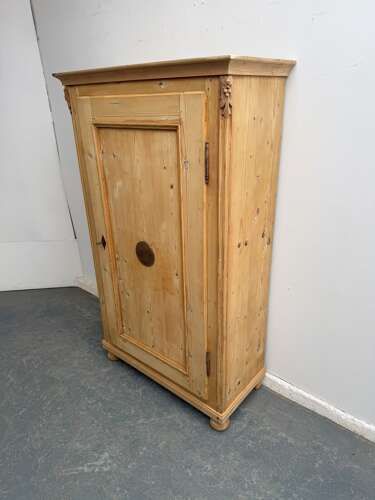
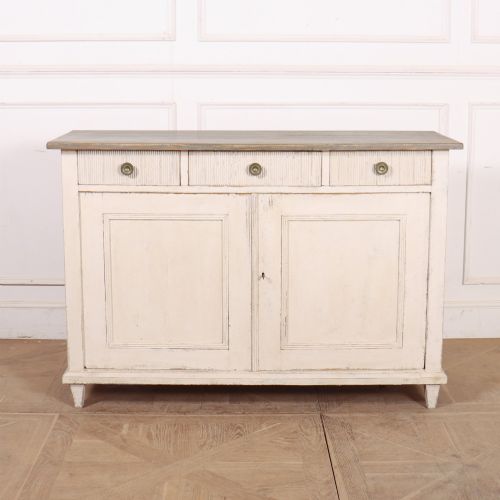
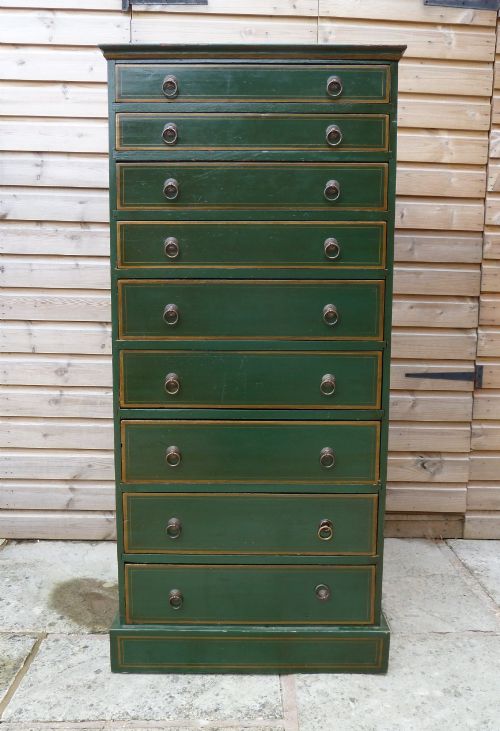
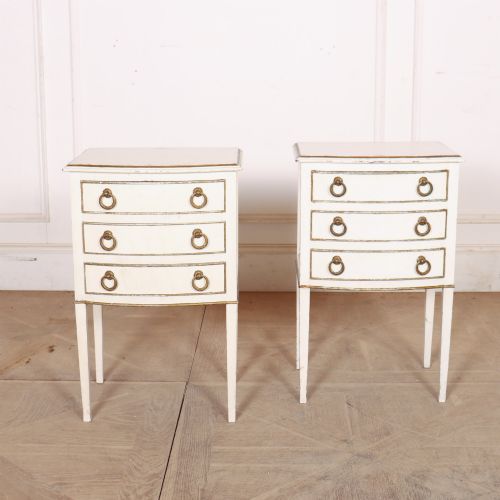
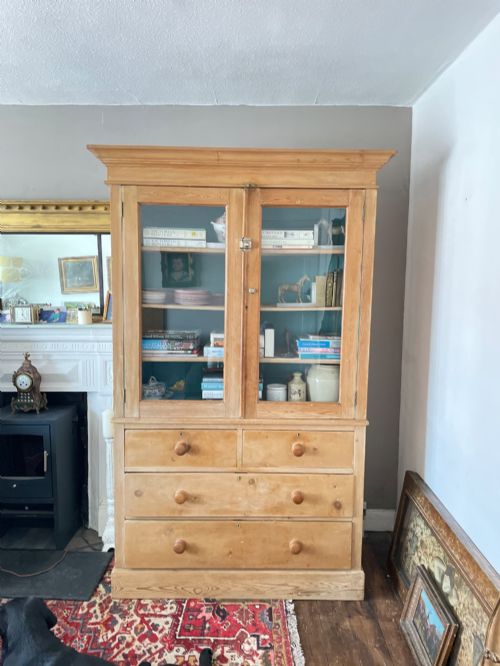
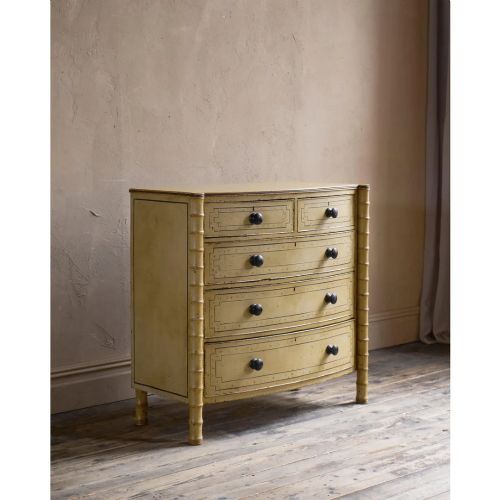
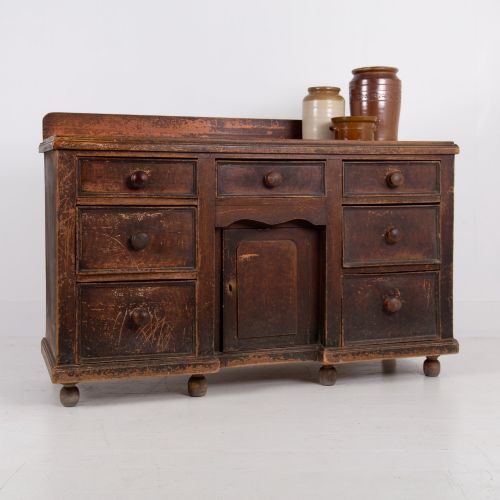
A painted drawers cabinet encompasses various storage forms, ranging from utilitarian pine banks of drawers and shop fittings to refined Georgian chests on chests and French bedside cabinets. Pieces span the eighteenth, nineteenth, and early twentieth centuries, reflecting both country utility and formal decorative styles.
Buyers frequently encounter items described in original paint alongside pieces that retain later decorative finishes or structural adaptations. The forms balance domestic utility with distinct regional aesthetic traditions.
Materials and Construction
Makers relied heavily on solid pine and mahogany for carcases and drawer construction, supplemented by brass handles, iron hardware, and glass elements in glazed bookcases. Wood surfaces were finished with traditional paint layers, sometimes incorporating detailed Chinoiserie lacquer or decorative brass embellishments.
Joinery techniques reflect the period of manufacture, from eighteenth-century cabinet making to nineteenth-century workshop production and multi-drawer shop fittings. Original paint finishes are preserved on many pieces, while others exhibit layered decorative treatments applied over time.
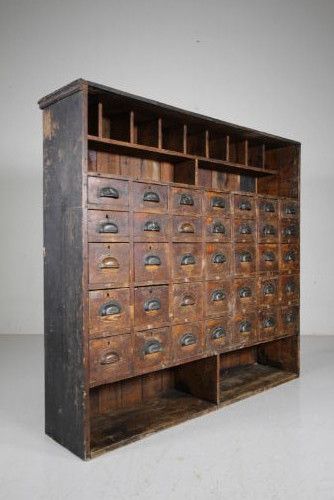
One exceptional workshop cabinet provides fifty separate drawers for the most organised collector.
Quality and Finish
The distinction between standard utility items and finer examples rests on the integrity of the original construction and the survival of early or original paint surfaces. Pieces featuring integrated architectural details, such as bonnet tops or serpentine fronts, demonstrate higher craftsmanship.
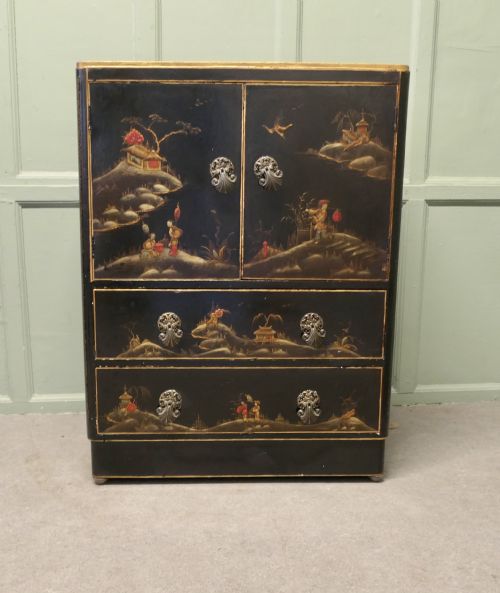
Refinement in hardware, such as cast brass handles and functional locks, separates superior cabinets from simpler workshop and office fittings. The preservation of authentic decorative schemes, including Chinoiserie lacquer or regional folk art paintwork, defines the upper tier of the range.
The Painted Drawers Cabinet Glossary
- Commode
- A low cabinet or chest of drawers, often of French origin and decorative design. These pieces frequently feature serpentine fronts or specialised painted finishes.
- Chinoiserie
- A European artistic style reflecting Chinese motifs, commonly applied as lacquerwork or painted decoration on cabinets and chests during the nineteenth and early twentieth centuries.
- Shop Fitting
- Utilitarian storage furniture featuring multiple small drawers, originally utilised in chemists, offices, or commercial premises. These multi-drawer units are constructed for heavy daily use.
- Dresser Base
- A heavy lower cabinet equipped with cupboards and drawers, historically used in kitchens for storage and food preparation. Surviving examples often retain layers of historic paint.
- Chest on Chest
- A tall storage unit comprising a smaller chest of drawers stacked atop a larger one, creating substantial vertical capacity. Georgian examples sometimes incorporate secretaire drawers.
Painted Drawers Cabinet: Frequently Asked Questions
What periods do these cabinets come from?
The pieces span from the eighteenth century through the Georgian and Victorian eras up to the early twentieth century. Listings include items made around nineteen-ten and nineteen-twenty.
Construction methods and stylistic details align with these specific historical periods, showing the evolution of domestic and commercial storage furniture.
Are the paint finishes original?
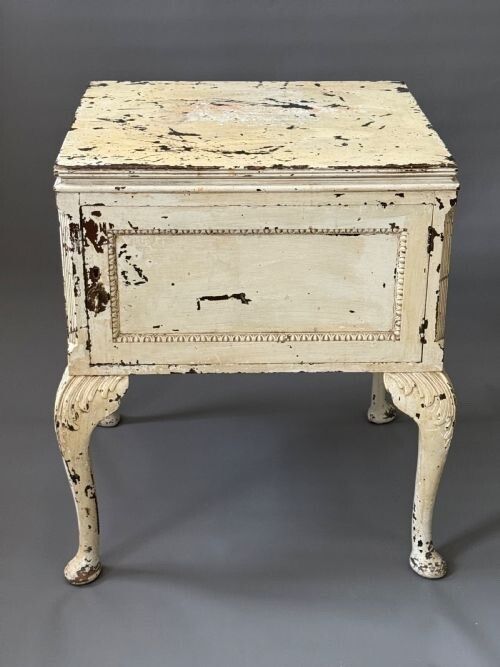
Many items retain their original paint or early decorative schemes, while others show later painted surfaces or stripped wood ready for finishing. Specific descriptions note whether paint layers date from the original period of manufacture.
Original painted surfaces range from simple regional pine colours to elaborate Chinoiserie lacquer and detailed French decorative schemes.
What types of wood were used?
Pine is the predominant wood found across country kitchen furniture, bedside cabinets, and multi-drawer shop fittings. Mahogany appears in more formal Georgian and nineteenth-century pieces.
Additional materials include oak in interior components, brass handles, iron hardware, and glass panels for glazed bookcases.
How were multi-drawer cabinets used?
Multi-drawer units and banks of drawers served commercial and utilitarian functions in chemist shops, offices, and workshops. They provided organised storage for small items, documents, and merchandise.
In domestic settings, smaller variations functioned as collectors cabinets or specialised storage chests for personal belongings.
What styles are represented here?
The selection includes English country, Victorian, Regency, French Chateau, Gustavian, and rustic country styles. Each style brings distinct proportion, ornament, and regional characteristics to the furniture.
Chinoiserie and faux bamboo finishes provide decorative alternatives to standard wood or plain painted surfaces.