
Painted Bedroom Commode
These painted bedroom commode pieces bring colour and historical character to a room through traditional finishes on timber.
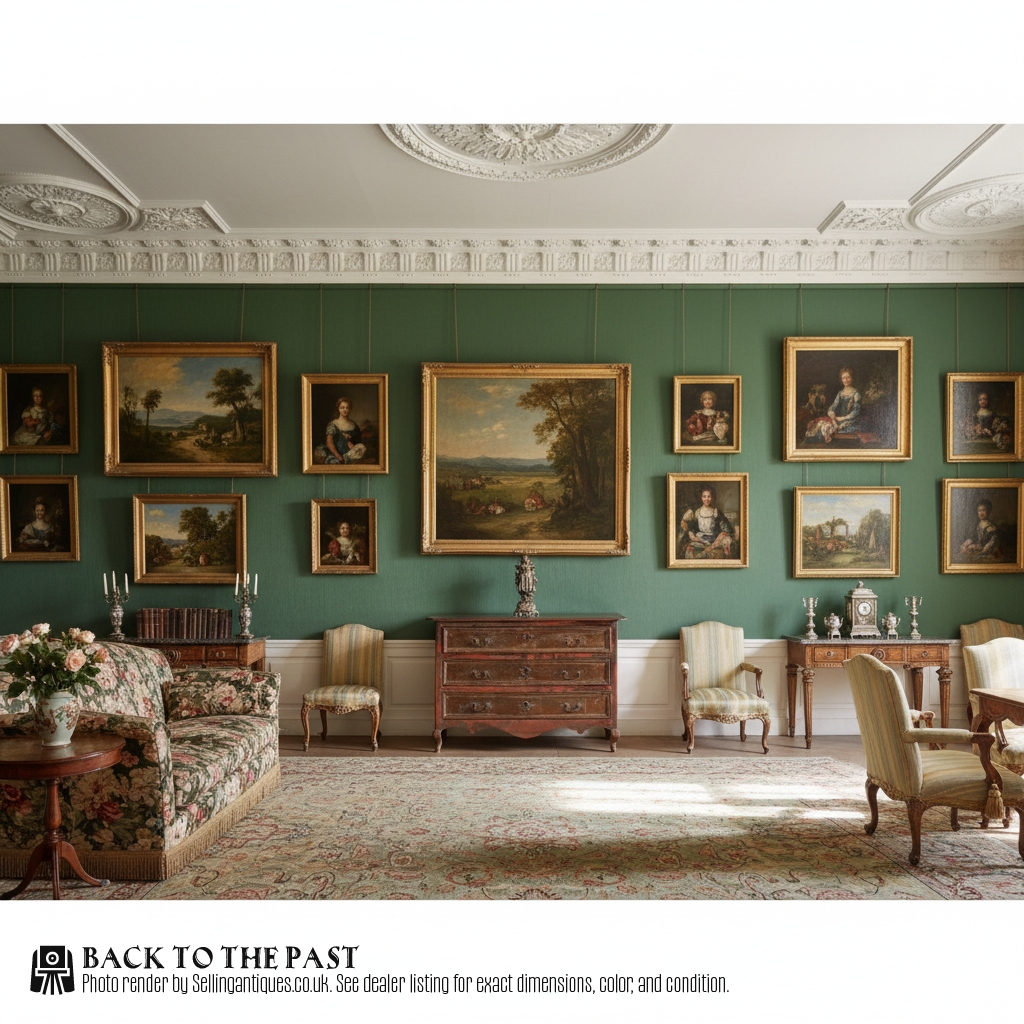
Painted Bedroom Commode
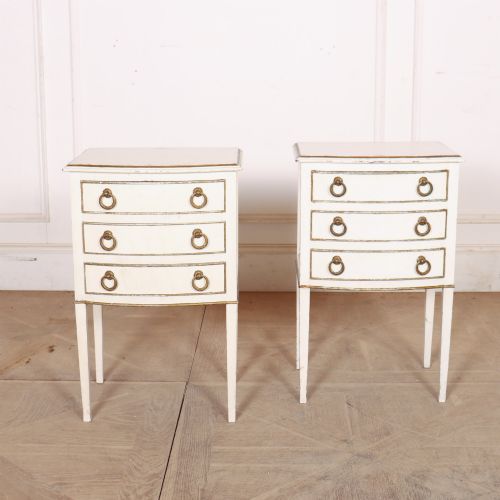
When you search for a painted bedroom commode, you encounter a variety of storage forms including chests of drawers, bedside tables, and commodes. These items originate from British, French, Swedish, Hungarian, and Spanish workshops, spanning the eighteenth and nineteenth centuries into the early twentieth century.
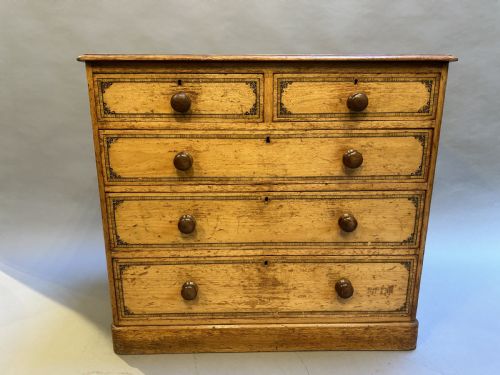
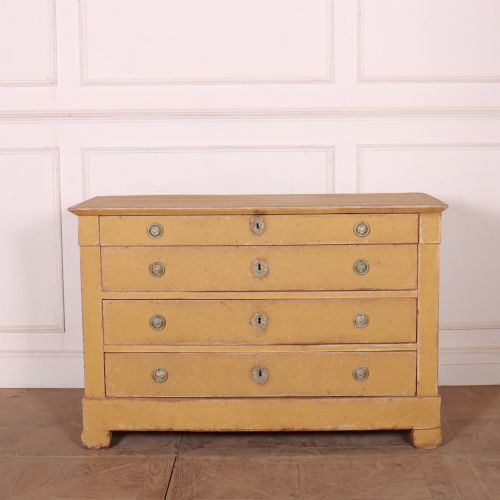
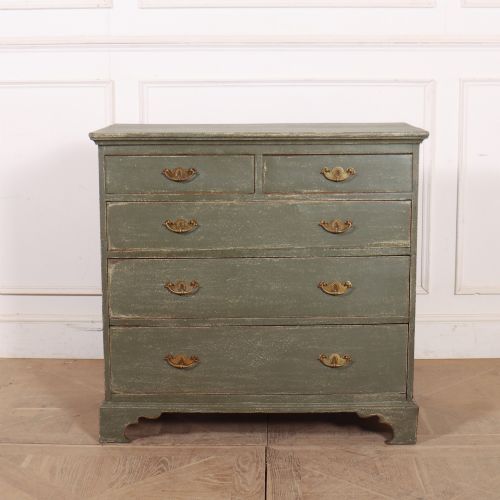
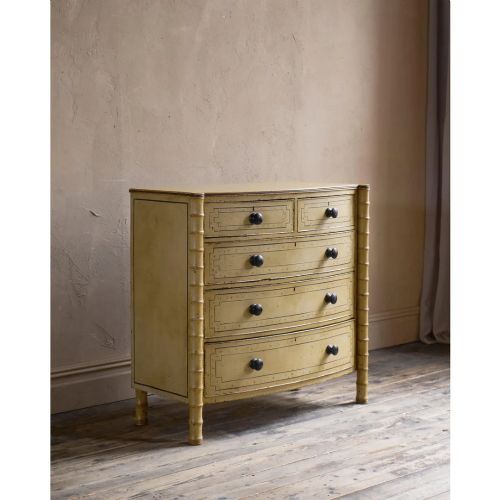
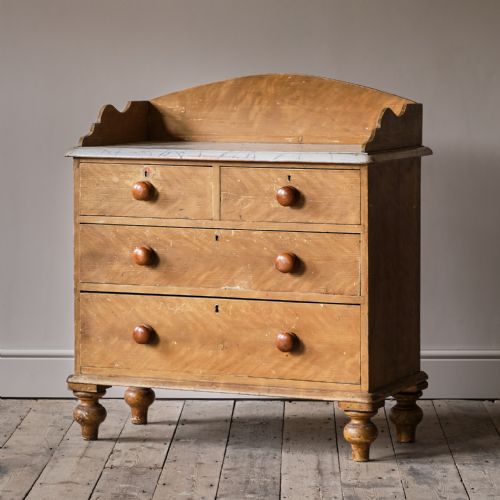
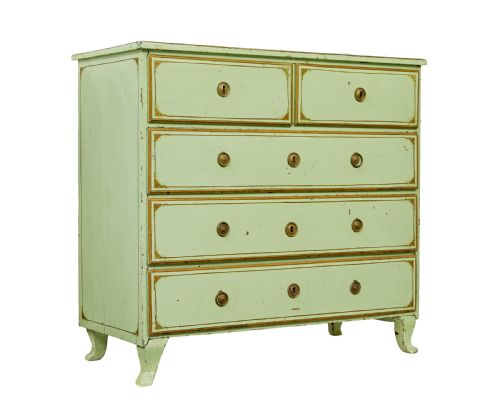
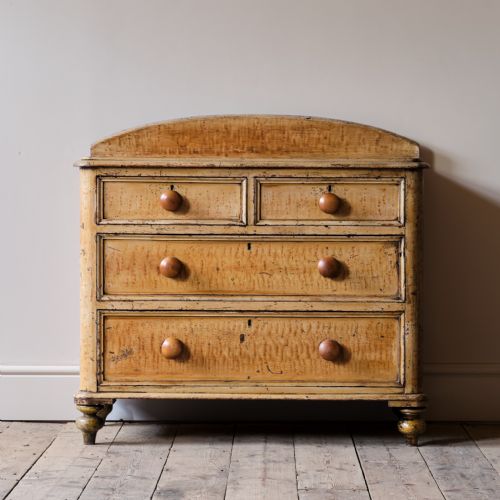
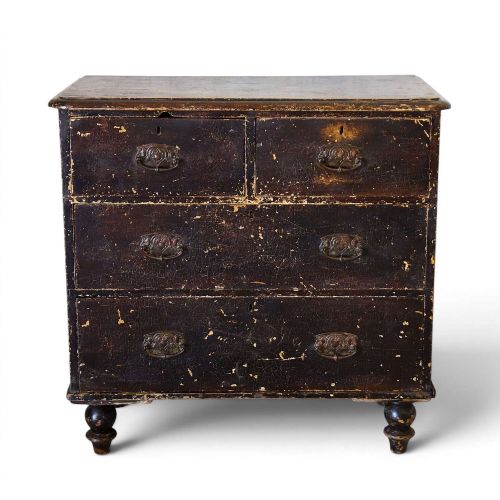
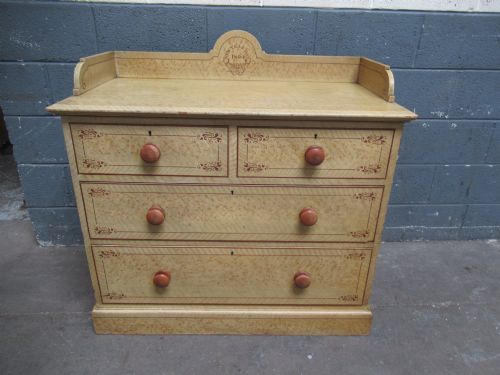
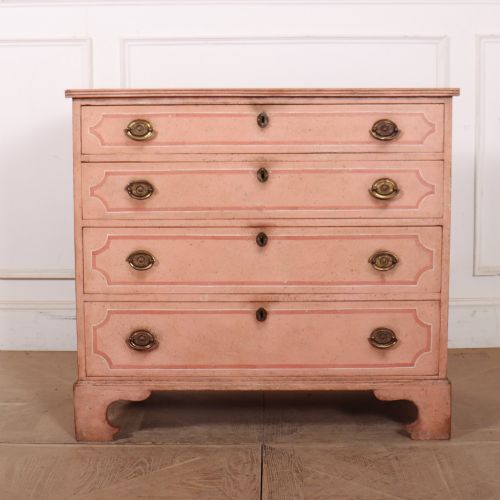
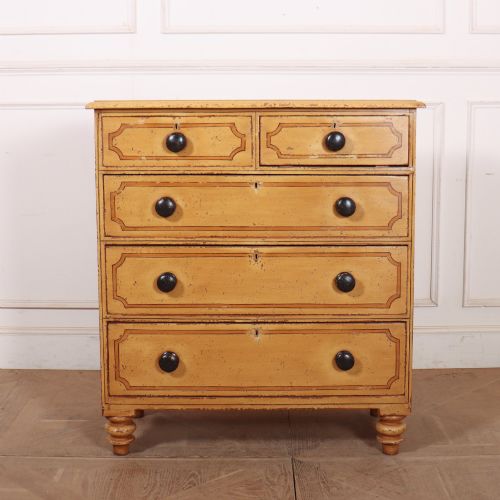
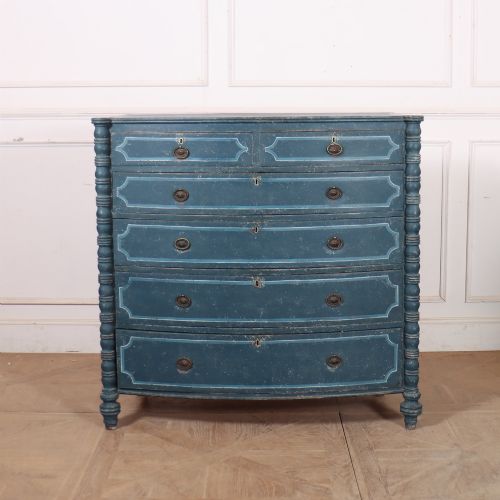
The version most commonly met on this page is the pine chest of drawers finished in original paint, often dating from the Victorian era. Alongside these, continental styles such as Gustavian, French provincial, and Empire pieces appear, alongside English bowfront and Sheraton revival designs.
How they were made
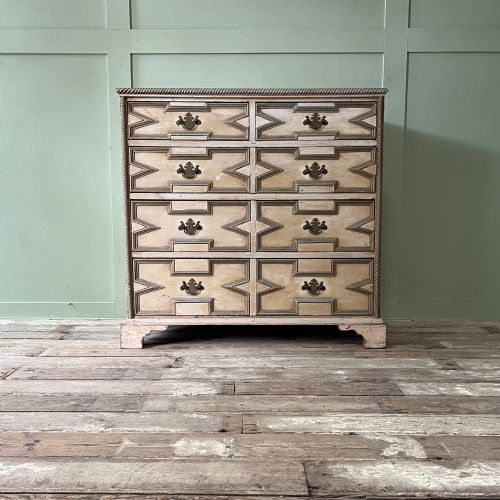
Carpenters constructed these pieces primarily from timber such as pine, oak, and satinwood, occasionally incorporating brass hardware and marble tops. Carved details and panelled drawer fronts demonstrate traditional cabinet-making methods of the period.
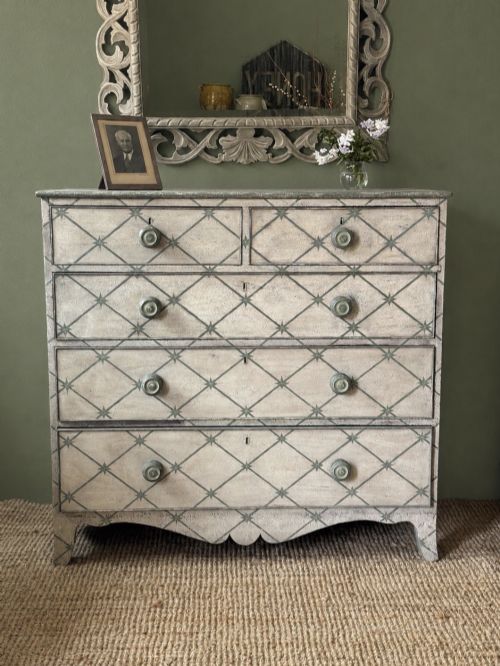
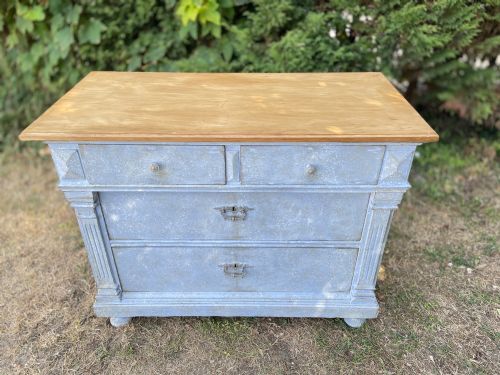
Surfaces received decorative treatments including stencilling, scumble paint, and layered pigments applied to create specific regional aesthetics. Many examples retain their original paint finish, showing the patination accumulated over decades of use.
Several nineteenth-century pieces arrive bearing the quiet witness of scumble paint and dated inscriptions left by past hands.
What varies in quality
Quality rests upon the integrity of the timber frame and the survival of the original decorative surface. Pieces retaining untouched period paintwork and distinct regional characteristics command greater interest than later repainted examples.
Construction details such as drawer dovetailing, the smoothness of drawer action, and the subtlety of decorative mouldings distinguish finer workshop production from standard utility furniture.
Sir Clough Williams-Ellis·Edwards and Roberts
The Painted Bedroom Commode Glossary
- Commode
- A low chest of drawers or cabinet, typically French or continental in origin, used for bedroom storage.
- Scumble paint
- A translucent glaze layered over a base coat to simulate wood grain or create textured decorative effects.
- Gustavian
- The Swedish interpretation of French neoclassical style, characterised by restrained carving and pale painted finishes.
- Bowfront
- A curved front convex in shape, popular on English chests of drawers during the Georgian and nineteenth centuries.
- Serpentine
- A furniture front shaped with a central convex curve flanked by concave sweeps.
Painted Bedroom Commode: Frequently Asked Questions
What is a painted bedroom commode?
A painted bedroom commode is a historic chest of drawers or cabinet finished with decorative paint rather than polished wood. These pieces served practical bedside or bedroom storage needs while adding colour to domestic interiors.
Originating across Britain and continental Europe, they range from simple pine country chests to refined neoclassical commodes.
How do I identify original paint?
Original paint shows natural wear, craquelure, and integrated patination that aligns with the age of the underlying timber. Layers of dust and gentle fading beneath handles and mouldings indicate historic rather than modern application.
Clean, uniform modern emulsions lack the depth and cumulative wear found on genuine nineteenth-century surfaces.
Where were these commodes made?
These pieces originate from workshops across Britain, France, Sweden, Hungary, Spain, and Italy. Each region developed distinct stylistic preferences, from Swedish Gustavian neocorticism to English Victorian pine joinery.
Regional palette choices and construction timbers usually point clearly to the country of origin.
How do I care for antique painted furniture?
Protect antique painted surfaces by keeping them away from direct sunlight and maintaining stable room humidity. Dust gently with a dry, soft cloth and avoid chemical cleaning agents that can strip historic pigments.
Wax should be used sparingly and only on unpainted wooden elements to preserve the fragile original finish.