


Vintage Italian Commode
These vintage italian commode selections offer robust storage and undeniable decorative presence, bringing classical proportion and grand continental character directly to your interior.
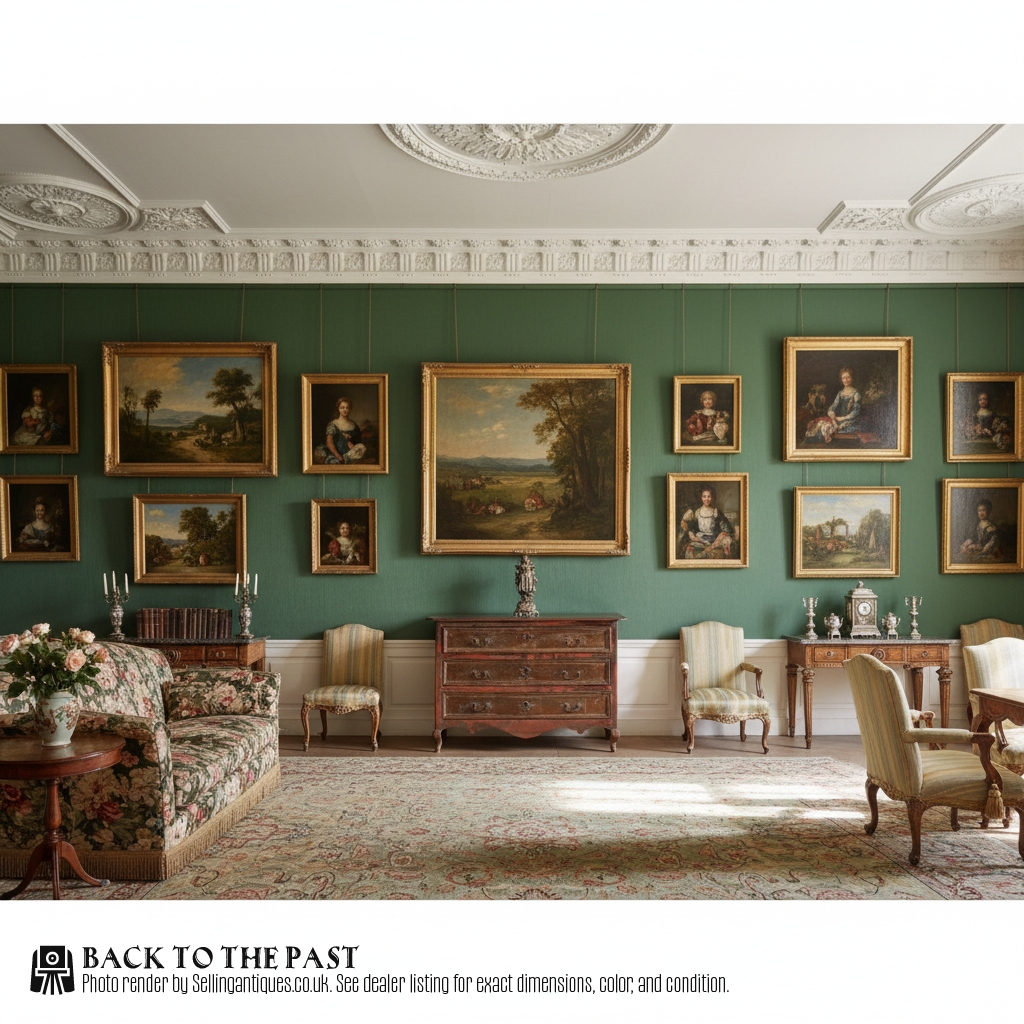
Vintage Italian Commode
A vintage italian commode is a low storage chest designed with drawers or cupboards, built across centuries from the 1750s through to the 1930s. The selection on this page centres heavily on walnut, painted wood, and burr walnut, alongside related forms such as bedside tables and bureau bookcases.
Buyers encounter striking variety in style, ranging from Italian Rococo and Venetian Rococo to Italian Neoclassical and Baroque pieces. The core offering spans serpentine fronts, bombe shapes, and hand-painted finishes, alongside practical bedside cupboards and side cabinets.
Origins stretch from eighteenth-century craftsmanship to twentieth-century revivals, giving collectors a choice between genuine period antiques and later interpretations. Every piece maintains the low chest profile that defines the category, whether fitted with brass hardware or carved gesso details.
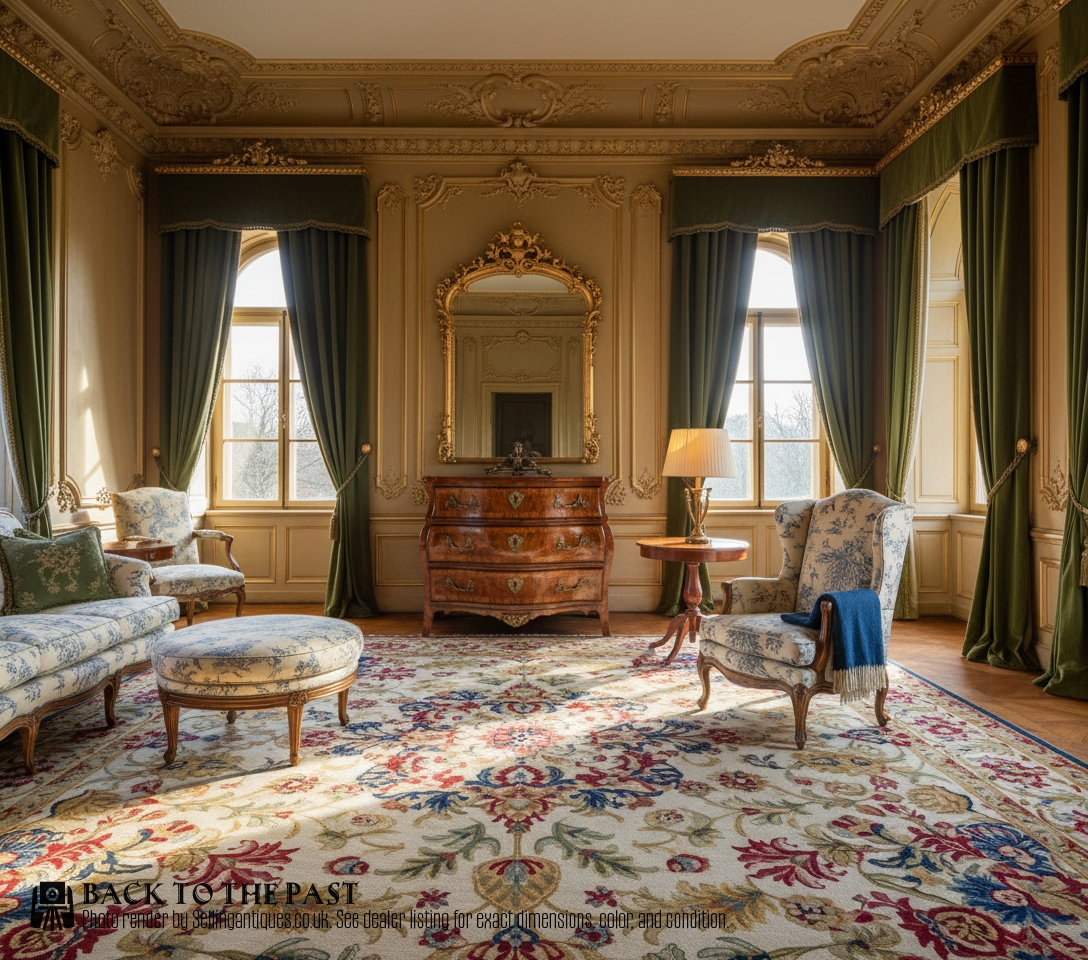
How they were made
Cabinet makers utilised solid woods like walnut and fruitwood, often applying burr walnut and kingwood veneers to achieve complex grain patterns. Carved gesso and applied paint provide the decorative surfaces seen on many examples.
Construction techniques include serpentine and bombe shaping, requiring skilled timber manipulation to create the characteristic curved fronts and sides. Brass mounts and handles complete the structural assembly on numerous chests.
Several cupboards come in matching pairs, saving owners from the eternal debate over asymmetrical bedroom decor.
What varies in quality
The sophistication of the timber work and the execution of carved details separate standard items from finer examples. Grain selection in the walnut or burr walnut veneer dictates much of the visual depth.
Original painted surfaces and authentic patination carry greater distinction than later decorative updates. The fluency of the serpentine or bombe profile demonstrates the carver's original skill.
The Vintage Italian Commode Glossary
- Bombe
- A swelling, outward-curving chest front and side profile that swells gently from top to bottom. This contour requires advanced woodworking skill to execute properly.
- Serpentine
- A front edge shaped in a continuous wavy line, curving outward in the centre and inward at the ends. It provides a fluid, dynamic silhouette to the furniture.
- Gesso
- A plaster-like mixture applied to wood surfaces as a base for painting or gilding. It allows for crisp, intricate low-relief carving.
- Burr walnut
- Wood taken from the wart or burl growth on a walnut tree, producing highly twisted and swirling grain patterns. It is sliced into veneers for decorative cabinet fronts.
- Bureau bookcase
- A combination piece featuring a sloping desk flap over drawers, topped with a cabinet for books. This form provides both writing space and storage.
Vintage Italian Commode: Frequently Asked Questions
How do I identify an 18th-century piece?
Eighteenth-century pieces display period construction methods, hand-cut joinery, and natural timber ageing. Walnut and painted finishes from this era show authentic wear patterns.
Examining the interior drawer construction and secondary woods helps confirm the age of the chest.
Where should I place a commode?
These chests work well in hallways, living rooms, and bedrooms as statement storage pieces. Their decorative fronts and marble or wooden tops provide a surface for lamps and displays.
Consider the clearance needed for doors and drawers, especially with serpentine or bombe shapes that extend further into the room.
What is the difference between painted and wood finishes?
Painted finishes often feature decorative motifs and distressing developed over decades, common in Venetian and Florentine styles. Wood finishes highlight the natural grain of walnut, kingwood, or fruitwood.
Choice depends on whether you prefer the texture of exposed timber grain or the colour of traditional painted surfaces.