

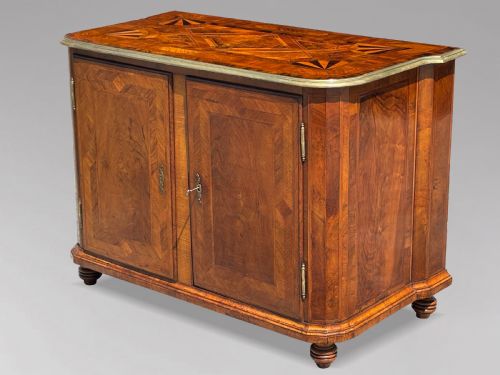


Continental Walnut Furniture
Continental walnut furniture brings substantial European presence into a room, offering rich grain and historic utility from centuries past.
Continental Walnut Furniture
Continental walnut furniture covers a diverse range of historic seating, storage, and desk forms originating from regions across Europe. Buyers seeking these pieces encounter items spanning the seventeenth through to the twentieth centuries, reflecting changing domestic needs.
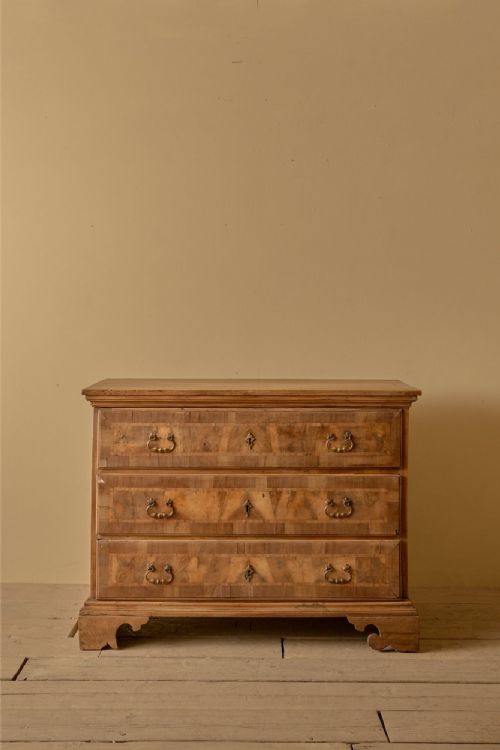
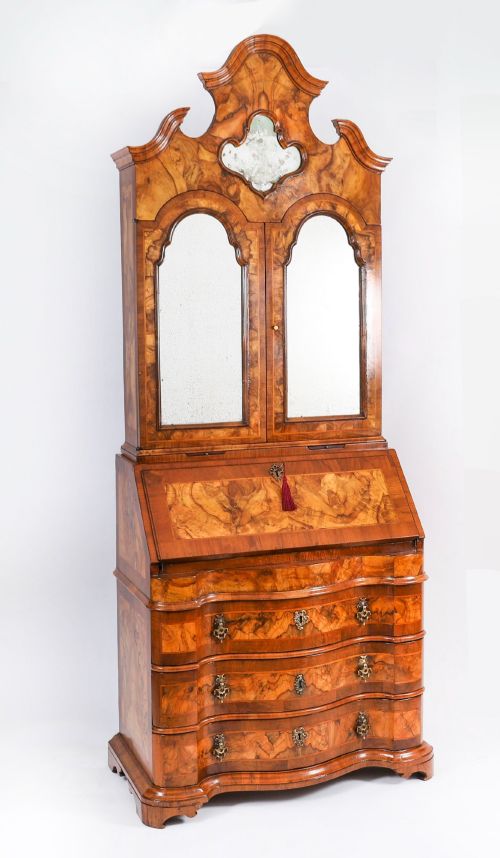
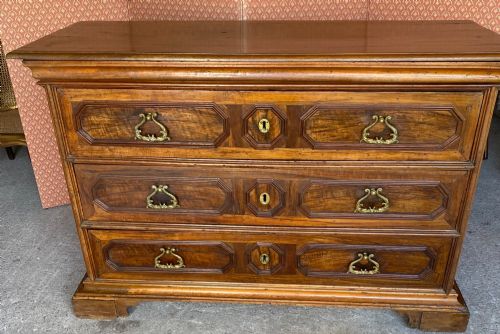
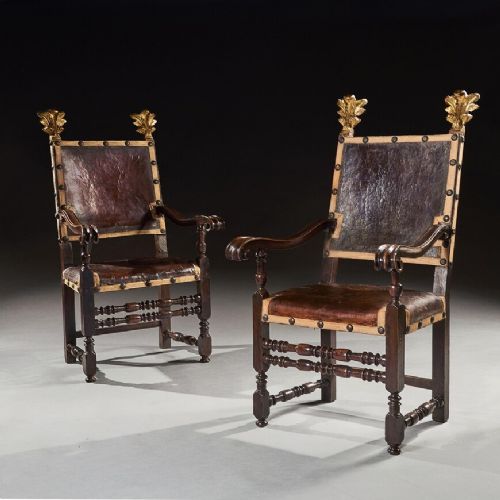
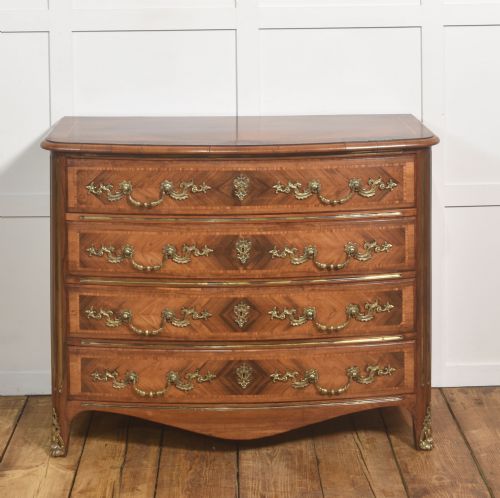
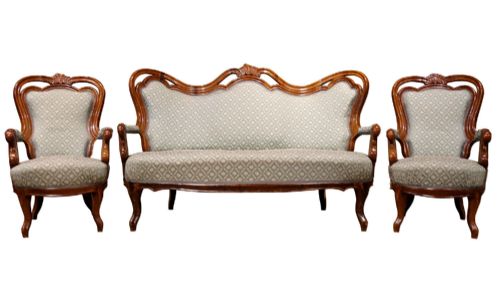
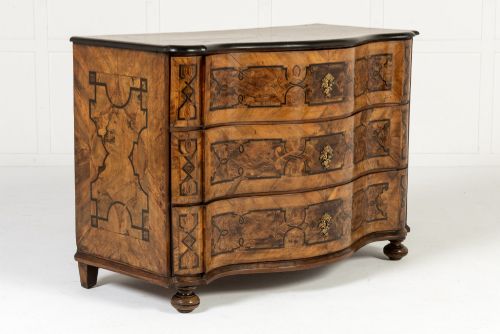
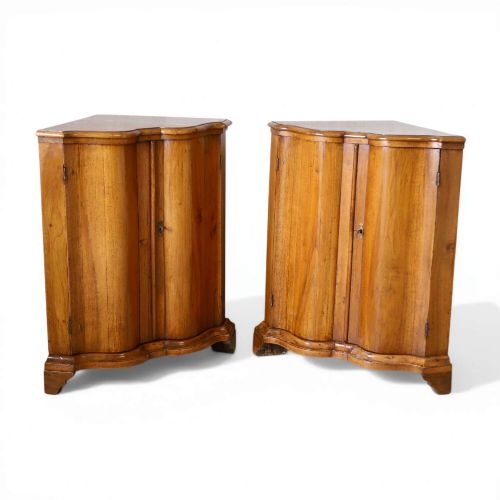
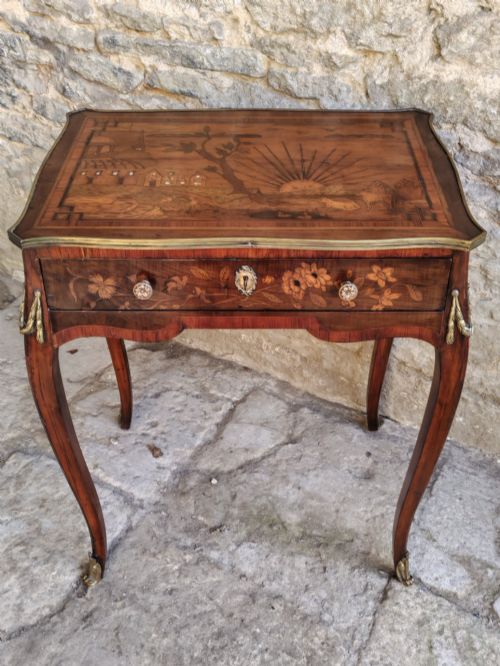
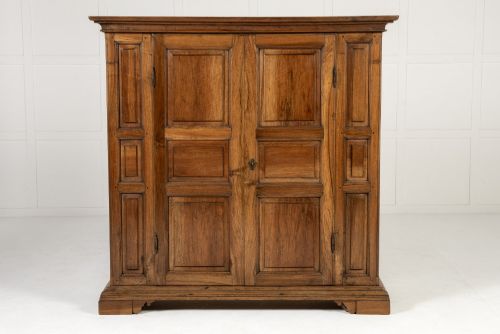
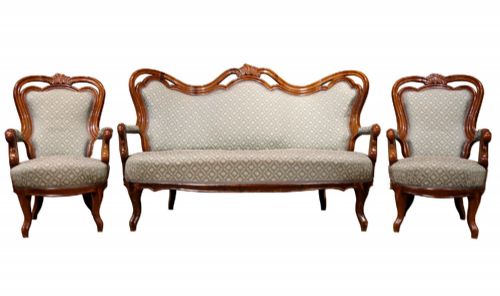
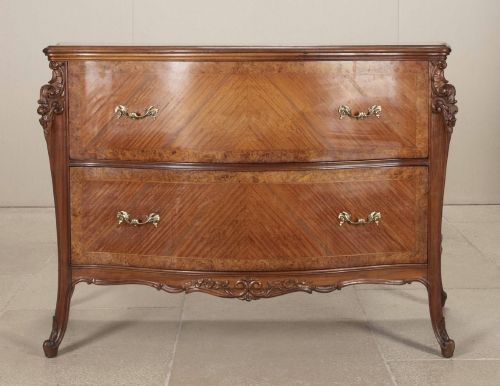
The selection on this page leans heavily toward eighteenth-century Italian and German commodes, chests of drawers, and cabinets. Alongside these storage pieces, buyers regularly find armchairs, salon suites, desks, and occasional tables from various continental workshops.
Regional variations define the offerings, from Dutch and German baroque designs to Biedermeier and Art Deco interpretations. Each piece demonstrates the distinct aesthetic priorities of its country of origin, whether through sculptural carving or clean, figured surfaces.
How they were made
Cabinetmakers utilised solid walnut and decorative veneers such as burr walnut applied over secondary woods like oak and fruitwood. Marquetry and inlay using contrasting timbers, satinwood, and parcel-gilding often ornamented the primary surfaces.
Structural integrity relied on traditional joinery methods, supplemented by brass hardware, iron fittings, and locks with keys. Ebonised wood details and carved elements added architectural definition to baroque and rococo forms.
Continental Walnut Furniture Retail Price Guide 2026
Typical asking prices for continental walnut furniture among the pieces listed under this phrase on Sellingantiques today, from the lower quarter to the upper quarter. They describe what is for sale here now, not the wider market.
Several pieces come equipped with their original working keys, saving future owners from calling a locksmith for a historic drawer.
What varies in quality
The sophistication of the timber figure and the precision of the veneer work separate standard examples from exceptional ones. Richly figured burr walnut and balanced marquetry layouts indicate superior craftsmanship.
Depth of carving and proportion govern the visual impact of baroque and rococo pieces, where confident execution distinguishes regional masterwork from simpler production.
The Continental Walnut Furniture Glossary
- Burr walnut
- A figured wood grain obtained from the growths of walnut trees, prized for its swirling patterns. Cabinetmakers utilised this timber for decorative veneer panels on commodes and cabinets.
- Commode
- A low chest of drawers or cabinet developed in France during the seventeenth century. These storage pieces often feature serpentine fronts and elaborate marquetry.
- Marquetry
- Decorative patterns formed by fitting together thin slices of various coloured woods. Artisans applied these pictorial designs to the exterior surfaces of desks and tables.
- Parcel-gilt
- Partly gilded with gold leaf to highlight specific carved details. This finish frequently accentuates seventeenth-century Italian baroque armchairs.
- Biedermeier
- A central European style emphasising clean lines and blonde wood grains during the nineteenth century. Pieces from this period focus on the natural beauty of figured walnut.
Continental Walnut Furniture: Frequently Asked Questions
What defines continental walnut furniture?
Continental walnut furniture comprises seating, storage, and desks produced across Europe using walnut timber and veneers. The category spans baroque, rococo, and later design movements.
Items range from seventeenth-century Italian armchairs to twentieth-century Art Deco headboards and dressing tables.
How do I date a walnut chest?
Dating relies on examining the construction methods, hardware, and stylistic details such as serpentine fronts or marquetry. Seventeenth and eighteenth-century pieces often display heavier baroque carving.
Nineteenth-century examples frequently show lighter woods like satinwood combined with burr walnut veneers.
Where were these pieces made?
Origin locations include Italy, Germany, the Netherlands, France, Austria, and Spain. Each region developed distinct stylistic characteristics in its cabinetmaking.
Italian and German workshops are particularly well represented in baroque and rococo storage forms.
How should I care for walnut furniture?
Protect antique walnut surfaces from direct sunlight and stable humidity levels to prevent timber movement. Gentle dusting with a dry cloth maintains the finish.
Avoid chemical polishes that can degrade historic wax or polish layers over time.