


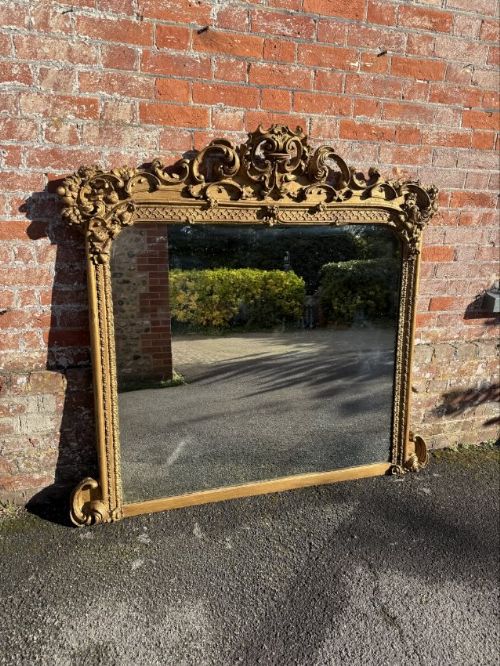
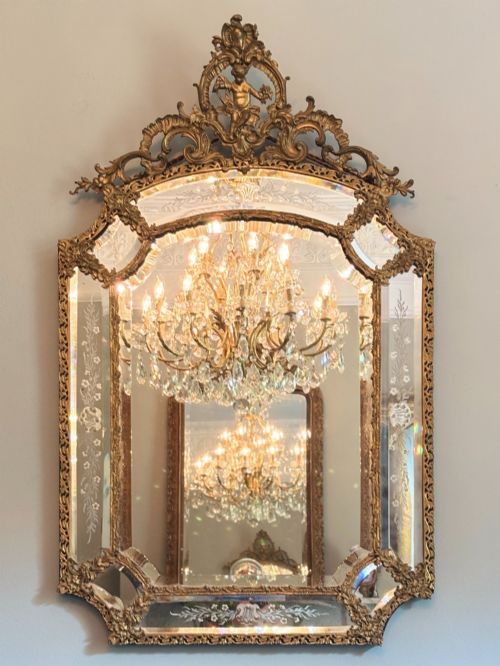
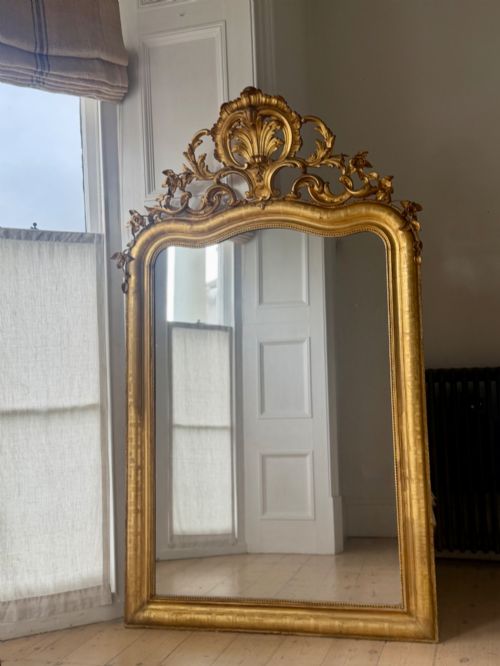
Rococo Style Glass Mirror
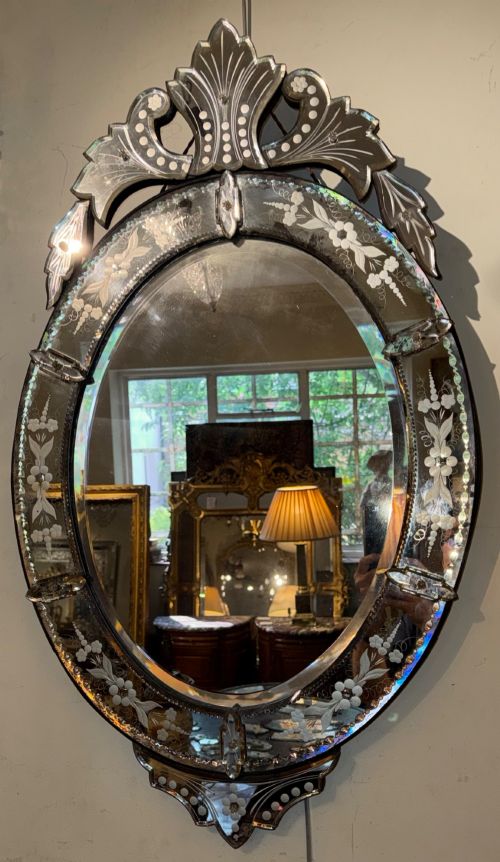
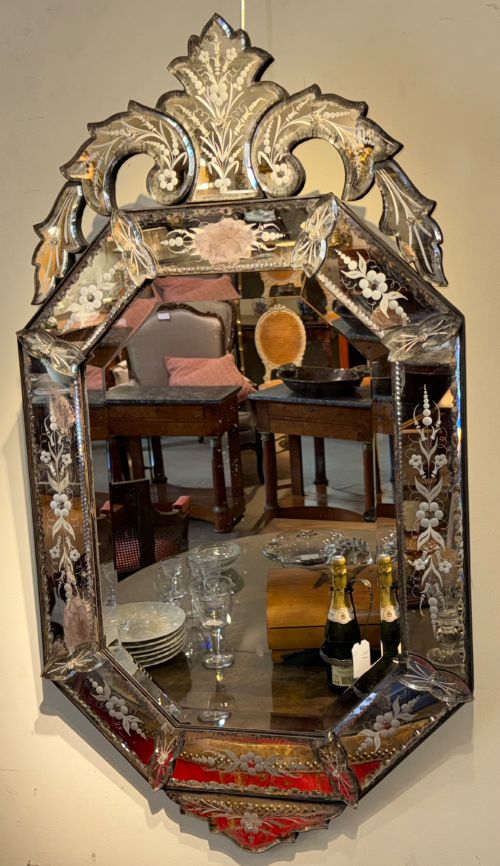
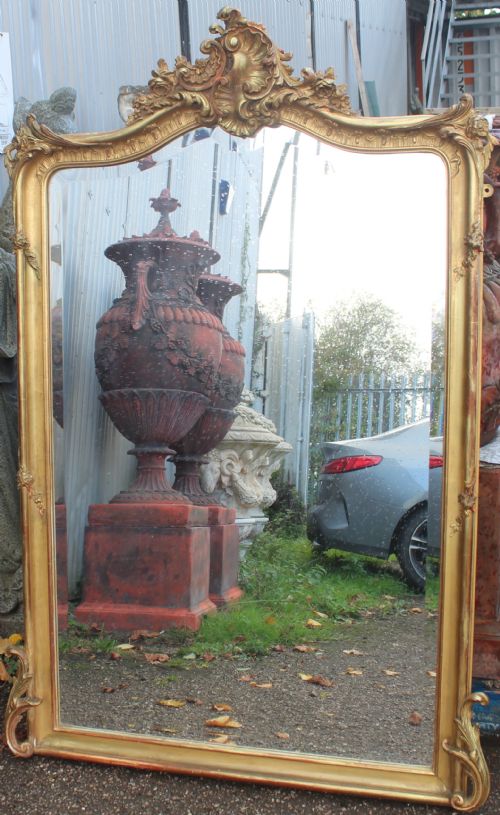
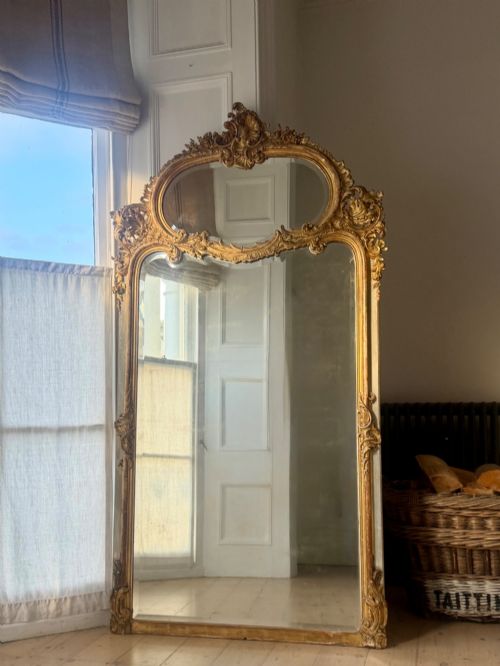
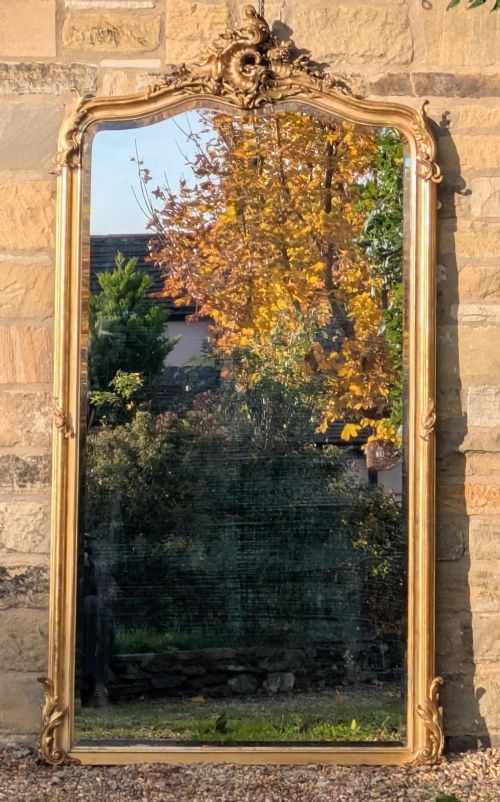
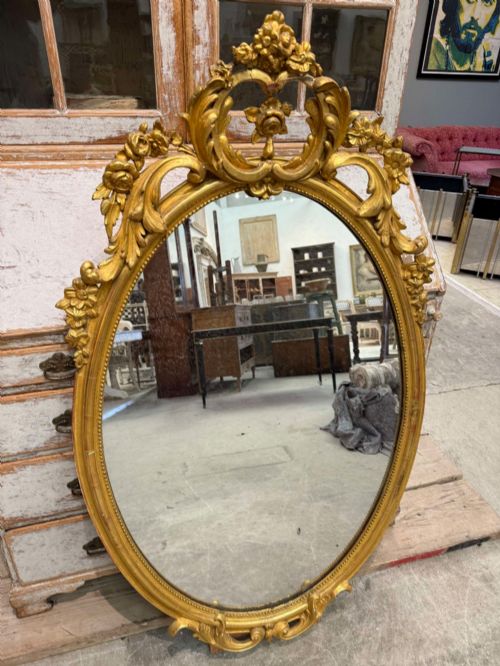
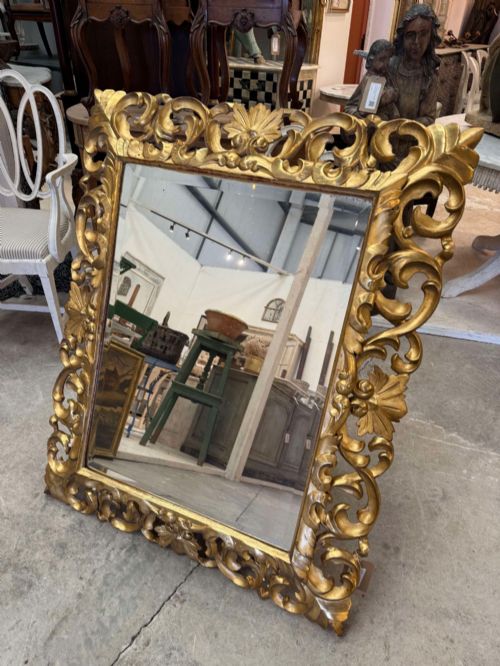
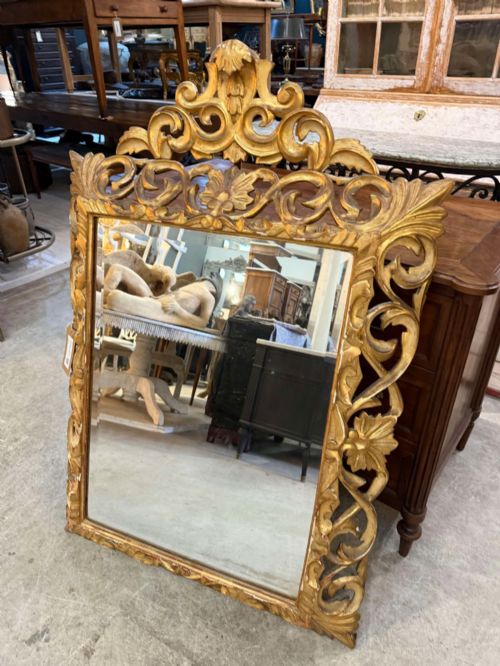
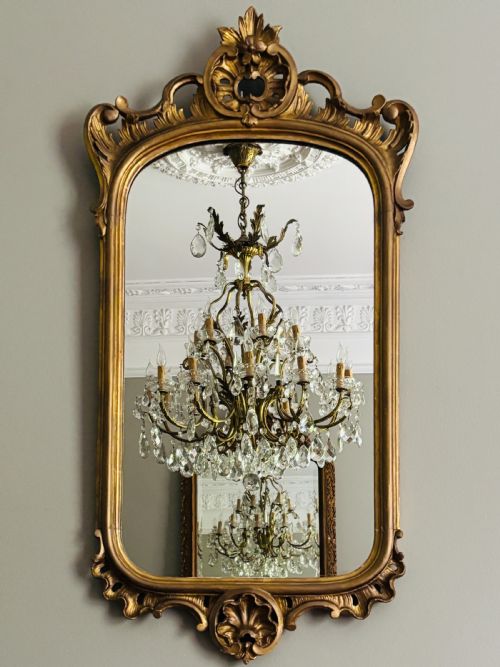
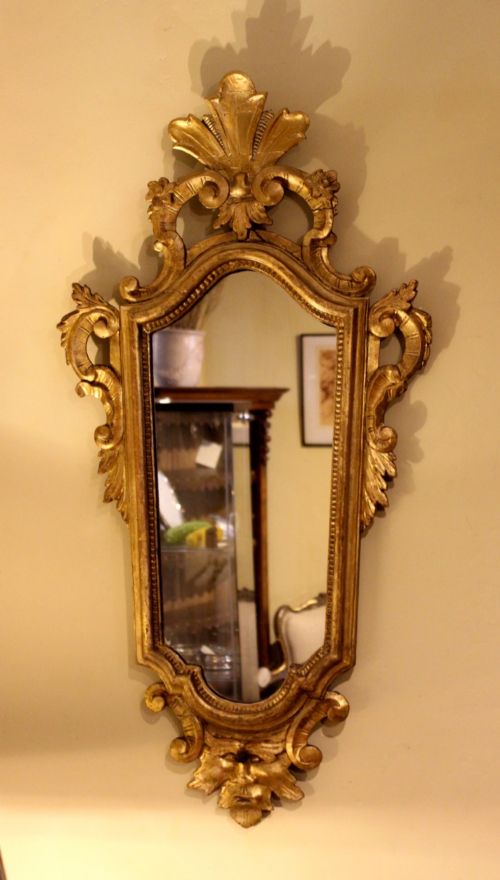
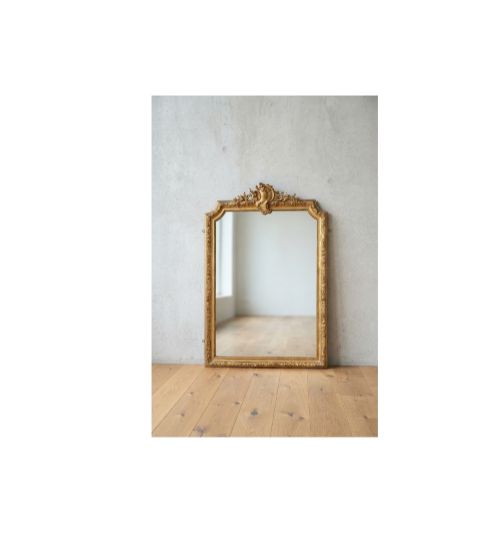
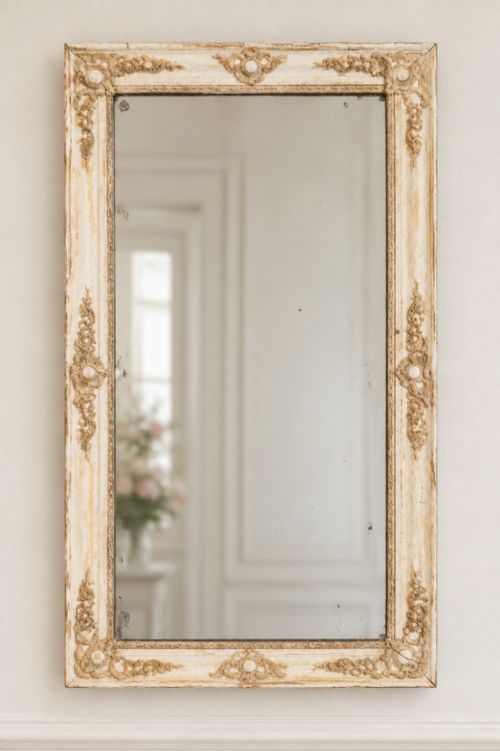
These pieces are a rococo style glass mirror, bringing asymmetrical scrollwork and gilded elegance into a room.
Rococo Style Glass Mirror
A rococo style glass mirror draws upon centuries-old design traditions spanning the eighteenth, nineteenth, and early twentieth centuries. Pieces found here range from grand overmantle mirrors and tall pier glasses to smaller wall-hung designs.
The aesthetic frequently manifests through French Louis XV revival and Italian influences, utilising curvilinear frames and organic motifs. Many examples hail from the nineteenth century, including Victorian interpretations and Napoleon III chateau pieces.
While primarily functioning as wall mirrors, related forms such as console tables and display cabinets occasionally appear alongside the core mirror types. These objects share the characteristic gilding and ornate woodwork defining the grouping.
How They Were Made
Makers constructed the structural frames of a rococo style glass mirror using carved wood, frequently applying layers of gesso to build up intricate relief details. Artisans then finished these surfaces with gold leaf or liquid gilding to achieve a luminous appearance.
Glass plates within these frames vary, including early mercury glass with characteristic foxing, bevelled edges, and etched designs. Gilt bronze or ormolu mounts also appear on specific continental pieces, securing the glass and adding metallic contrast.
Rococo Style Glass Mirror Retail Price Guide 2026
Typical asking prices for rococo style glass mirror among the pieces listed under this phrase on Sellingantiques today, from the lower quarter to the upper quarter. They describe what is for sale here now, not the wider market.
Periods represented span from the eighteenth century through the Victorian era and into the early twentieth century.
What Varies in Quality
The depth and crispness of the wood carving dictate much of the visual merit, separating hand-carved relief work from simpler moulded gesso compositions. Superior pieces display fluid, undercut foliage and scrolls that retain their sharpness beneath the gilding.
The integrity and age of the mirror plate itself influence the character of the object, with original mercury glass offering a distinct, mottled reflection compared to later replacement plates. Frame construction methods, such as traditional joinery on large overmantles, also indicate the standard of craftsmanship.
François Linke
The Rococo Style Glass Mirror Glossary
- Gesso
- A plaster-like mixture applied to wood frames to create a smooth surface for gilding or deep relief carving. It allows artisans to model fine botanical details before applying gold leaf.
- Giltwood
- Timber coated with gold leaf or powdered gold. This finish protects the underlying wood while providing a bright, reflective surface suited to formal interiors.
- Mercury glass
- A type of double-walled glass blown with a silvering mixture trapped between the layers. It produces a dimpled, atmospheric reflection common in older mirrors.
- Pier glass
- A tall mirror designed to hang on the wall space between windows. These pieces often sit above matching console tables to bounce light around a room.
- Trumeau
- A decorative wall mirror incorporating an oil painting or panel within the upper section of the frame. They originated in eighteenth-century French interiors.
Rococo Style Glass Mirror: Frequently Asked Questions
Where should I hang an overmantle mirror?
An overmantle mirror is traditionally positioned directly above a fireplace mantelpiece to anchor the central wall of a principal room.
Because these pieces are often heavy and wide, secure wall fixings into masonry or studs are essential to support the weight safely.
What is mercury glass?
Mercury glass refers to silvered glass produced using a mercury amalgam technique popular before safer chemical silvering methods were adopted in the mid-nineteenth century.
Over time, this material develops foxing and dark spots, which collectors prize for the authentic antique character it brings to the reflection.
How do I care for gilded wooden frames?
Gilded frames require gentle dusting with a soft, dry brush to prevent accumulation in the intricate recesses of the carved gesso and wood.
Avoid using water, liquid cleaners, or abrasive cloths, as moisture can lift the delicate gold leaf and damage the historic finish.
How do I tell a nineteenth-century mirror from a modern reproduction?
Examination of the reverse and the glass plate reveals the age of the piece through construction marks, hand-beveelling irregularities, and backboards.
Older frames show shrinkage cracks in the gesso and oxidation on the mirror plate consistent with decades of atmospheric exposure.