




Italian Glass Frame Mirror
An italian glass frame mirror brings unmistakable light and drama to a room, combining centuries of artisanal skill with reflective depth.
Italian Glass Frame Mirror
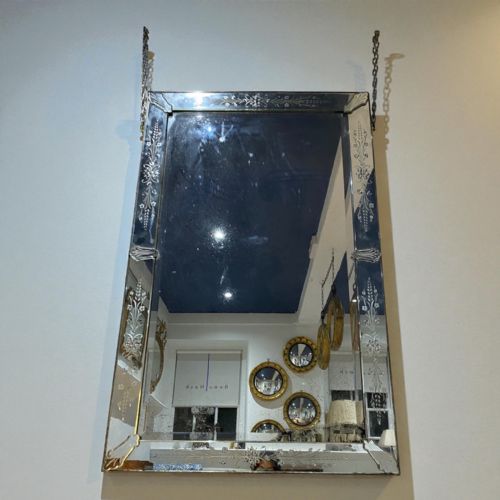
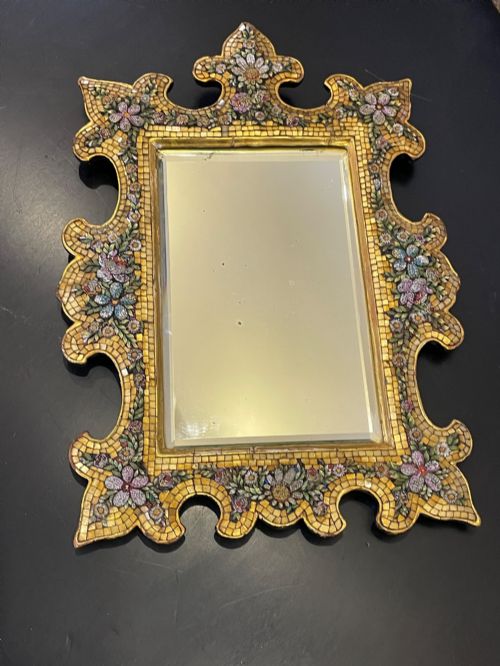
When you search for an italian glass frame mirror, you encounter pieces spanning from the eighteenth century through to the early twentieth century. The selection leans heavily toward Venetian designs alongside Florentine and Rococo revival styles.
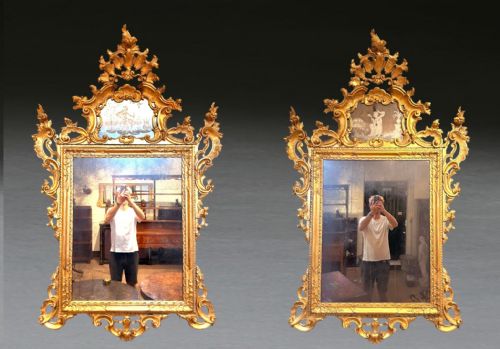
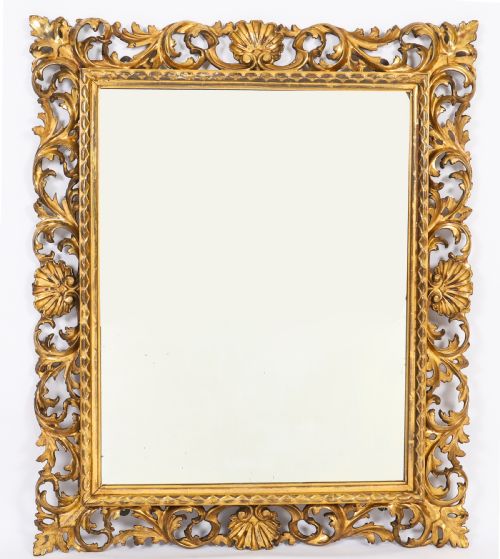
Most examples function as wall mirrors, though overmantle pieces, pier glasses and cheval mirrors also appear. Wall mirrors dominate the selection, frequently taking the form of cushion mirrors or ornate carved giltwood frames.
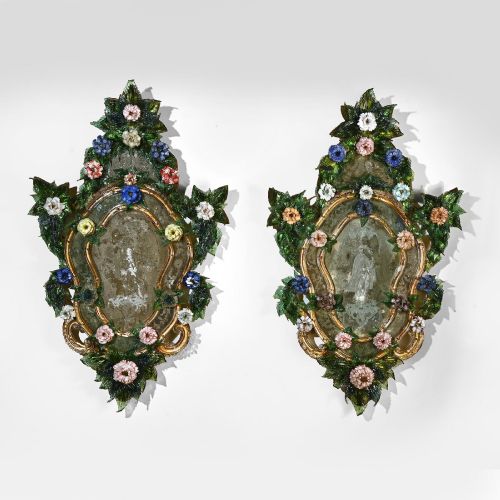
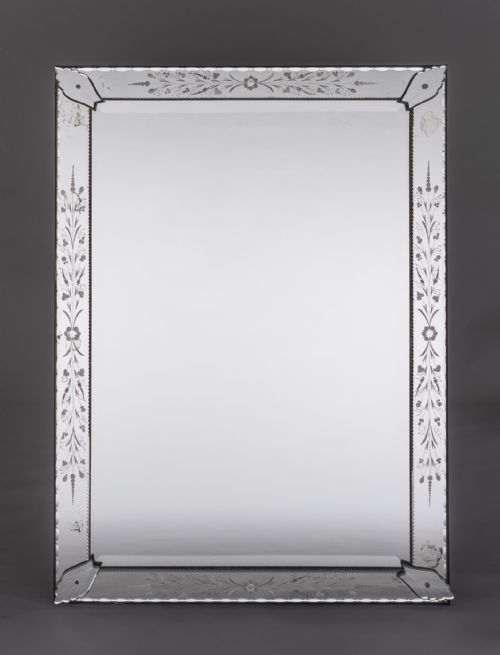
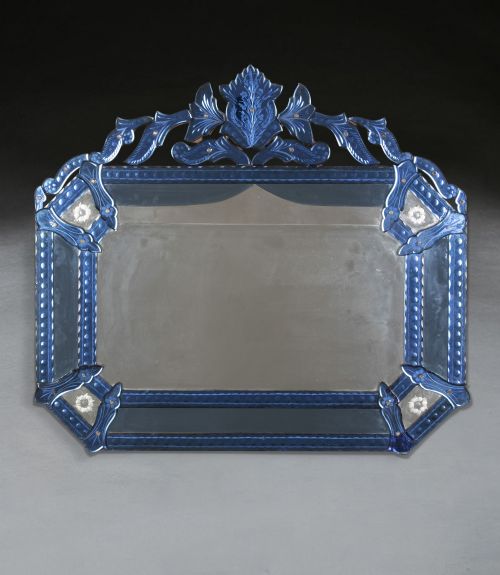
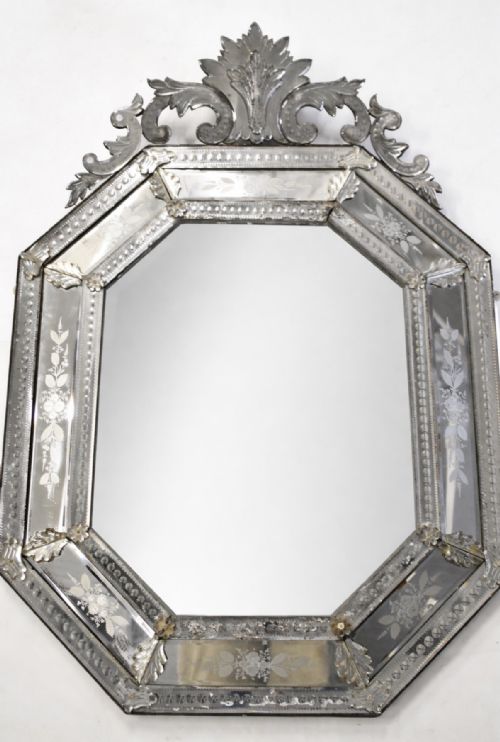
Venetian workshops supply a large share of these items, often utilising coloured glass elements, blue glass borders or etched plates. Buyers frequently select these objects to anchor a hallway or principal room with historical character.
How they were made
Makers built the structural carcases primarily from wood, such as limewood or general timber, applying gesso to prepare surfaces for subsequent gilding. Giltwood and gilt gesso finishes give these frames their characteristic metallic sheen.
Glass production combined clear mirror glass with specialised elements like ruby red borders, blue glass sections and marginal plates. Artisans then decorated the plates using cutting, engraving and hand-painting techniques.
Carving required specialist skill, particularly for the elaborate scrolls and crests found on Rococo and Baroque style frames. Metal components, including bronze framing on specific cheval examples, also support the glass structures.
Listings feature items dated from the eighteenth century through to the 1930s, spanning Victorian, Edwardian and Regency periods.
What varies in quality
The finesse of the hand-carving separates standard production from exceptional work, particularly in the depth and undercut relief of giltwood foliage and scrolls. Crisp detailing on carved wooden frames reflects superior workshop output.
The complexity of the glass work dictates much of the distinction between pieces, with deeply cut and hand-etched plates commanding higher regard than plain glass. Marginal plates and coloured glass sections demand precise assembly and specialist glass-blowing skill.
Originality of the components, including the preservation of early engraved plates and the integrity of the gilt surfaces, defines the standing of an individual piece. Retaining matching pairs or untouched nineteenth-century glass plates adds notable substance.
The Italian Glass Frame Mirror Glossary
- Cushion mirror
- A mirror frame constructed with a convex, sloping profile that directs the eye toward the central glass plate. This shape appeared frequently in Venetian workshops during the nineteenth century.
- Giltwood
- Timber that has been coated with a thin layer of gold leaf over a prepared gesso base. It provides a durable and luminous finish characteristic of ornate Italian frames.
- Pier glass
- A tall, narrow mirror designed specifically to hang on the wall space between two windows. These pieces often incorporated hand-painted details or decorative crests.
- Marginal mirror
- A mirror design where the central plate is surrounded by smaller, individual segments of tinted or bevelled glass held within the main frame. They create a faceted border effect.
- Foxed plate
- Mirror glass displaying dark spots and age-related oxidation caused by the degradation of the backing silver over time. Collectors often appreciate this characteristic as proof of genuine antique age.
Italian Glass Frame Mirror: Frequently Asked Questions
How do I date an antique Italian mirror?
Dating relies heavily on examining the frame construction, carving style and the glass plate itself. Eighteenth-century pieces often show hand-bevelled, thinner glass alongside deeper, more organic carving styles.
Nineteenth-century examples frequently adopt revival aesthetics such as Rococo or Baroque, whilst early twentieth-century pieces introduce cleaner bevels and distinct colour accents like ruby borders.
Where should I hang a Venetian glass mirror?
These mirrors excel in spaces where they can capture and multiply natural light, such as above a drawing room fireplace or in a generous hallway. Their reflective borders and glass frames function best away from direct moisture.
Piers between windows or above console tables provide traditional placements that allow the intricate glasswork to remain visible.
How do I clean an antique glass frame?
Dust the carved wooden or gilt frame gently with a soft, dry brush to prevent damage to the delicate gesso or gold leaf. Avoid liquid cleaners on the wooden portions entirely.
Clean the glass plate sparingly using a soft microfibre cloth dampened slightly with distilled water, ensuring moisture does not seep behind the marginal plates or foxed edges.
Are Venetian mirrors fragile?
The combination of carved wooden frames and delicate applied glass elements makes these pieces structurally sensitive. Care is required during movement or hanging due to the weight of the glass and timber.
Professional installation using appropriate wall fixings is essential to support heavy giltwood and overmantle formats securely.