



Silver Etched Glass Mirror
A silver etched glass mirror brings luminous depth and historic character to a room, offering both functional reflection and decorative artistry.
Silver Etched Glass Mirror
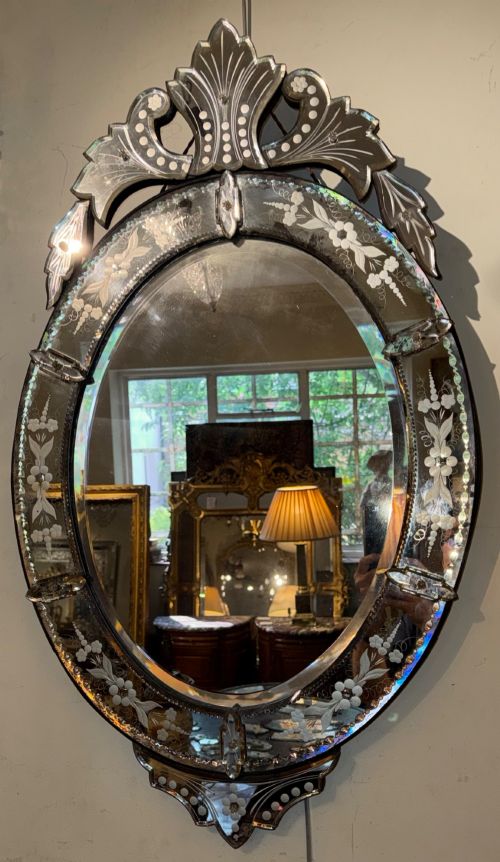
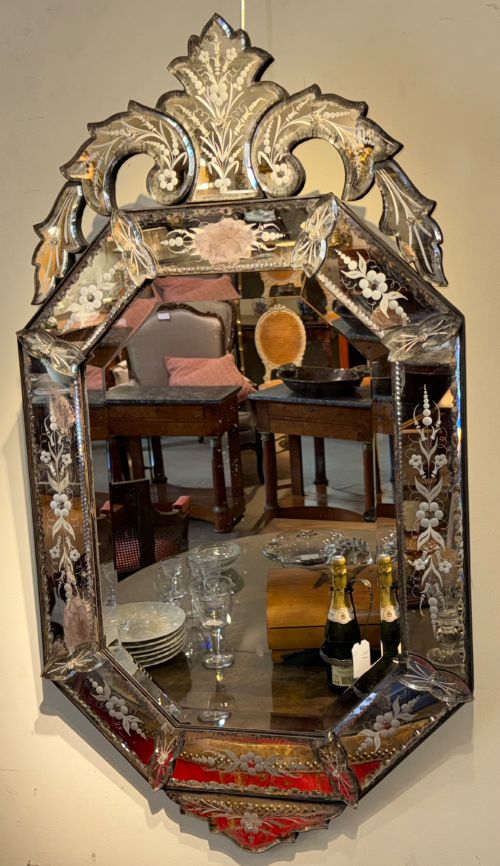
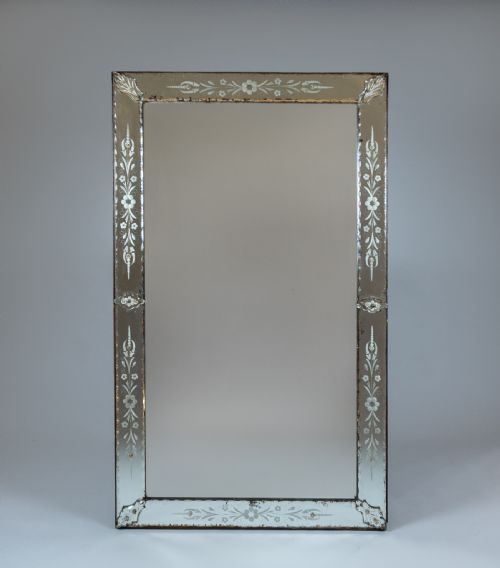
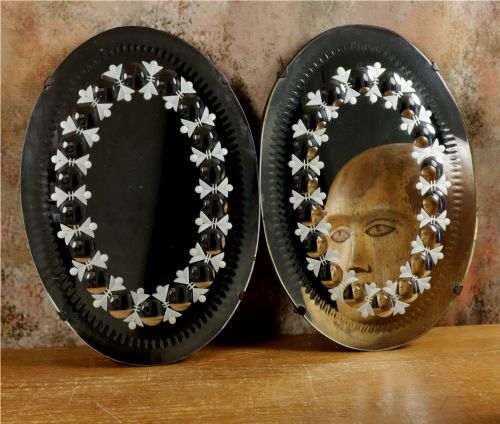
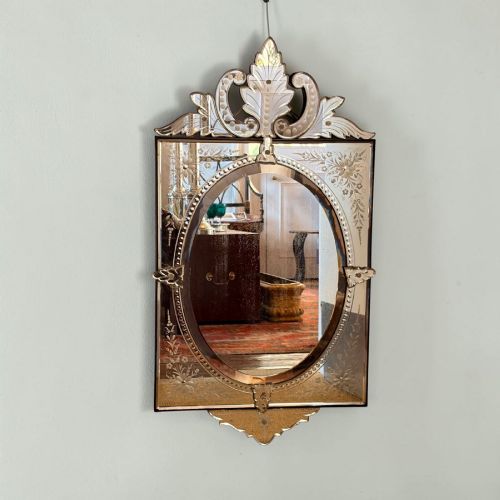
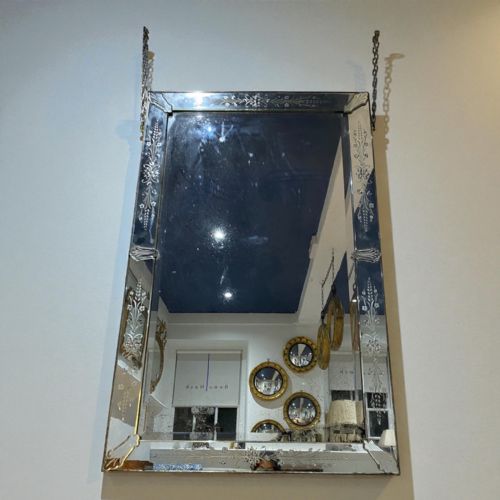
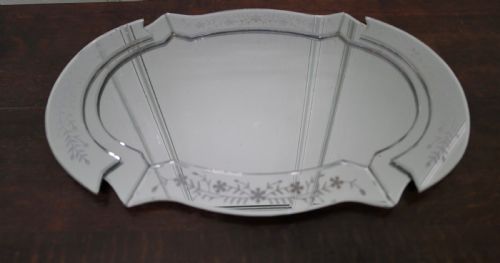
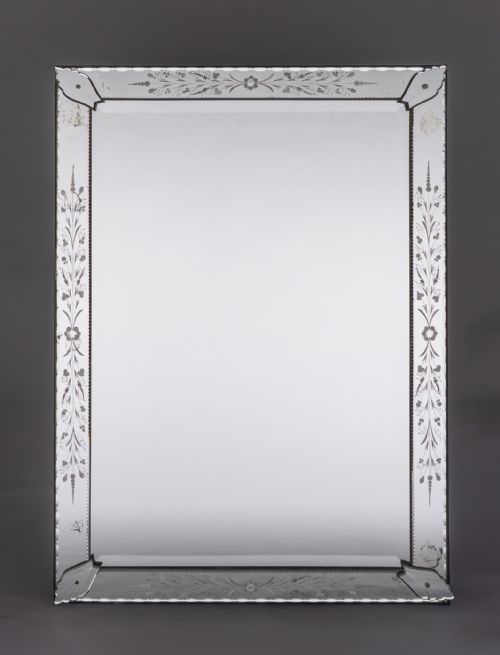
A silver etched glass mirror combines reflective glass surfaces with delicate surface engraving, appearing in forms such as wall mirrors, overmantle mirrors, and mirrored trays. These pieces span periods from the nineteenth century through the Edwardian era and into the Art Deco decades of the nineteen-thirties.
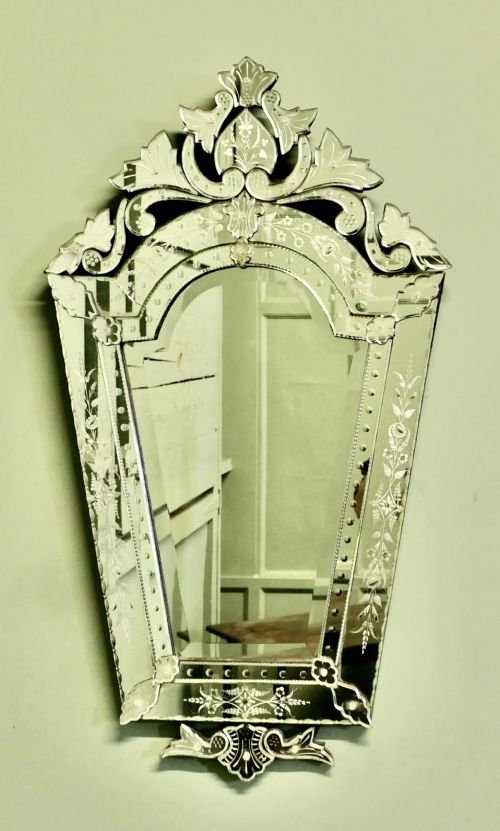
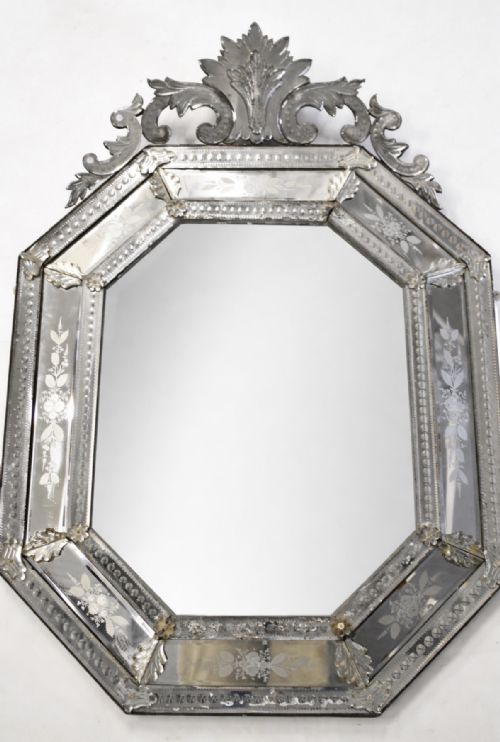
The Venetian style dominates this selection, often featuring cushion frames, bevelled plates, and intricate floral or geometric etching. Buyers frequently encounter wall mirrors and decorative table plateaus originating from Italian workshops alongside French mirrored furniture.
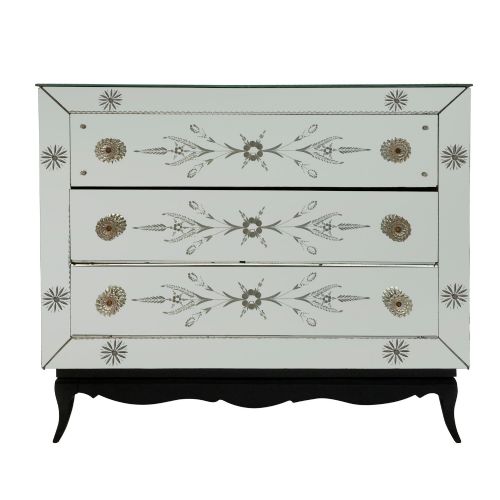
Beyond traditional wall hanging pieces, the selection includes specialised items like wine trays and mirrored chests of drawers. Each object demonstrates the versatility of mirrored glass within domestic interiors across more than a century of design.
What varies in quality
Quality rests in the crispness and complexity of the hand etching upon the glass, alongside the preservation of the original silvering. Pieces with deep bevelling and well-defined cushion frames show a higher standard of craftsmanship than simpler frameless variants.
The structural integrity of the underlying wooden or metal framework dictates the durability of larger pieces like overmantle mirrors and chests of drawers. Intricate detailing in Venetian designs requires high precision from the glass cutter and engraver.
Silver Etched Glass Mirror Retail Price Guide 2026
Typical asking prices for silver etched glass mirror among the pieces listed under this phrase on Sellingantiques today, from the lower quarter to the upper quarter. They describe what is for sale here now, not the wider market.
Listings feature pieces spanning from the nineteenth century through the Edwardian period into the nineteen-fifties, utilising glass, wood, chrome, and metal.
The Silver Etched Glass Mirror Glossary
- Overmantle mirror
- A large mirror designed to hang directly above a fireplace mantelpiece. These pieces often feature extended horizontal proportions and elaborate frames.
- Cushion mirror
- A mirror style where the central plate is surrounded by angled border panels that slope outward toward the frame. This construction creates a multifaceted appearance that catches ambient light.
- Foxed mirror
- A mirror plate exhibiting dark spots or discolouration caused by the ageing and oxidation of the silver backing over time. Collectors often value this natural patina for its historic authenticity.
- Table plateau
- A mirrored tray or base placed upon a dining table to display centrepieces, candelabras, or glassware. It typically incorporates a metal or wooden gallery edge.
- Bevelled plate
- A glass mirror featuring an angled, polished edge along its perimeter. This technique adds visual depth and refracts light differently than a flat-cut edge.
Silver Etched Glass Mirror: Frequently Asked Questions
How do I hang a heavy Venetian mirror?
Heavy wall mirrors require secure fixings anchored directly into solid masonry or substantial wall studs to support the weight safely. Professional mirror hangers should assess the hanging wire or brackets attached to the wooden backing.
Ensuring the weight is distributed evenly prevents stress on the glass plate and the antique frame during daily use.
How should I clean antique mirrored glass?
Clean the surface gently using a soft, lint-free cloth and a mild, ammonia-free glass cleaner applied to the cloth rather than directly to the mirror. Avoid spraying liquid near the edges or the back where moisture can seep behind the silvering.
Take care around areas of foxing or delicate etching so the historic finish remains undisturbed.
What defines the Art Deco style in these mirrors?
Art Deco mirrors from the nineteen-thirties favour geometric symmetry, clean lines, and stylised fan or floral motifs over ornate Victorian flourishes. Frameless constructions and segmented glass panels often replace traditional heavy wooden surrounds.
This aesthetic prioritises streamlined forms that complement modernist interior design principles.