

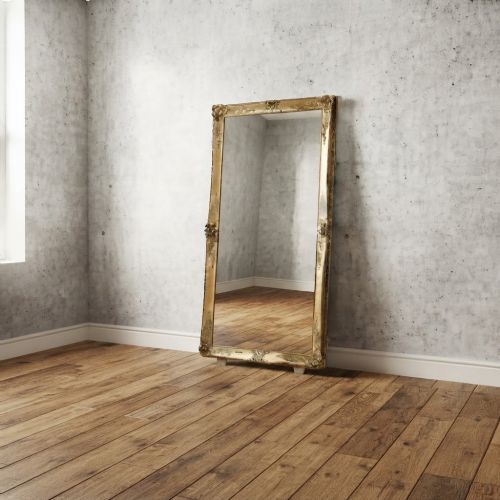
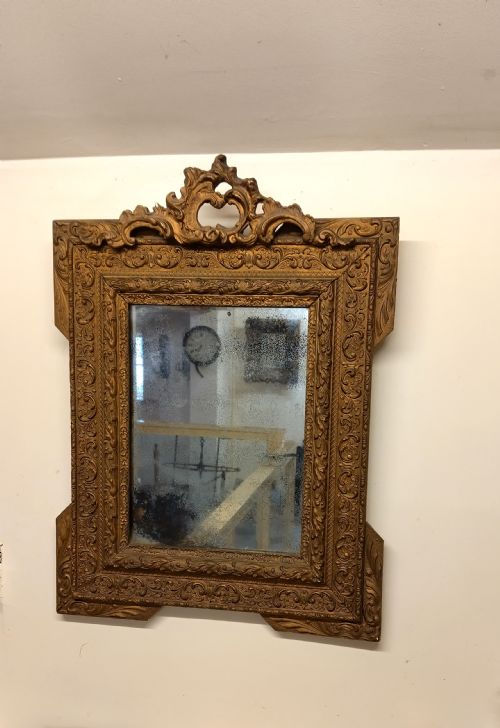
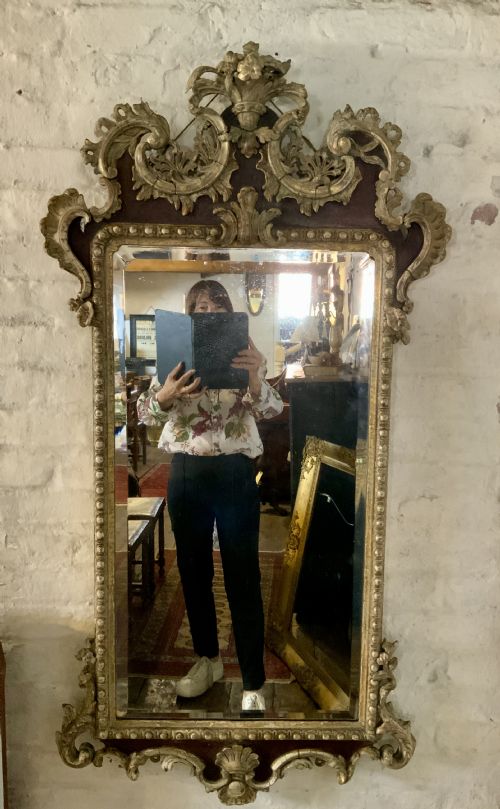
Rococo Style Giltwood Mirror
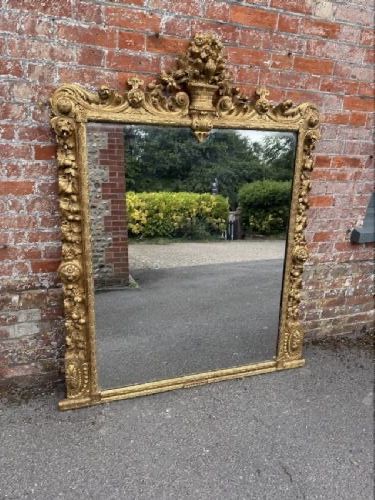
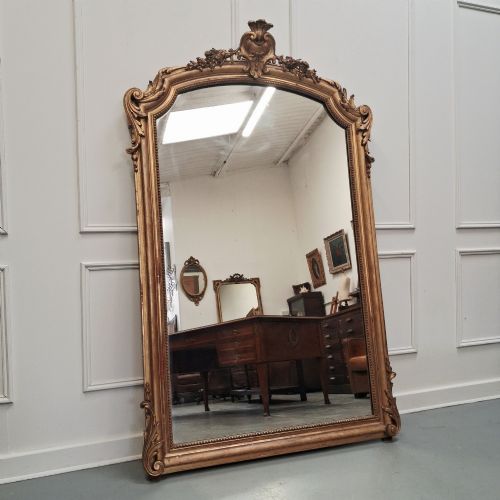
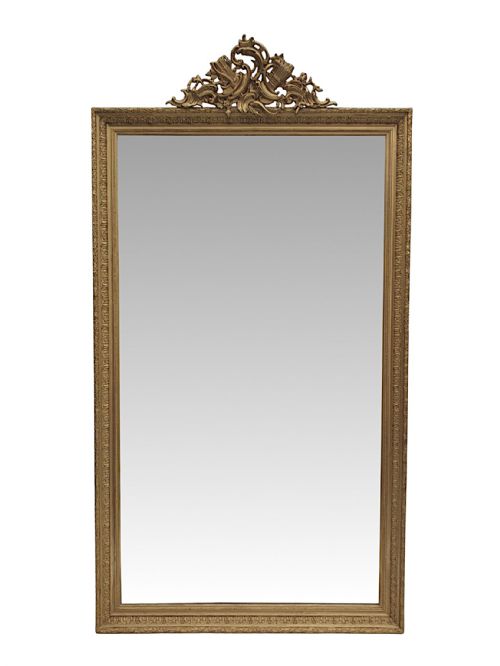
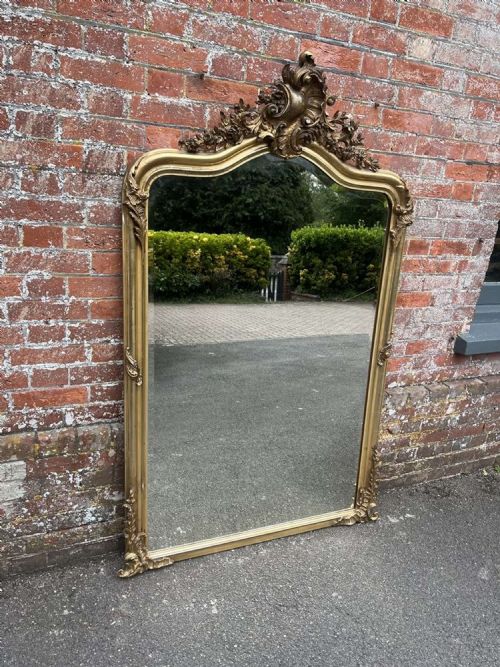
A rococo style giltwood mirror brings dramatic curves, ornate carvings and a luminous metallic finish to a room.
Rococo Style Giltwood Mirror
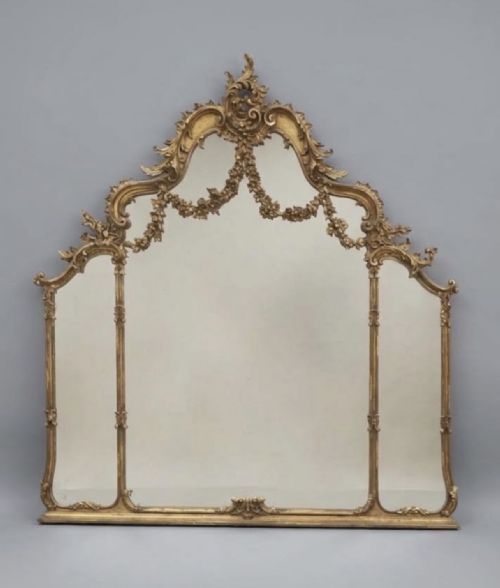
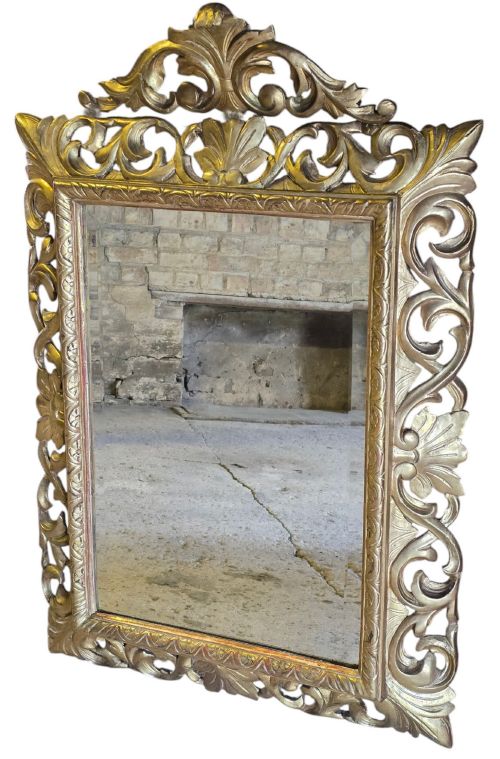
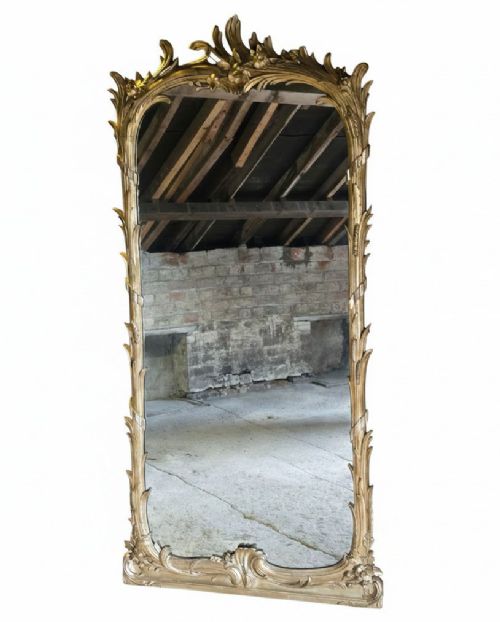
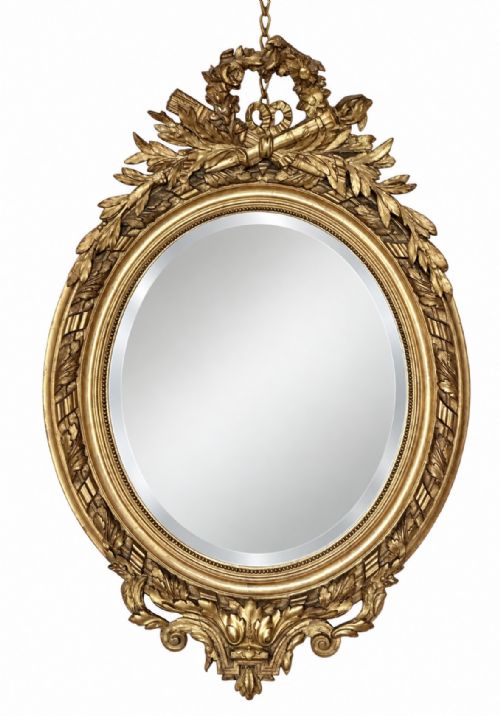
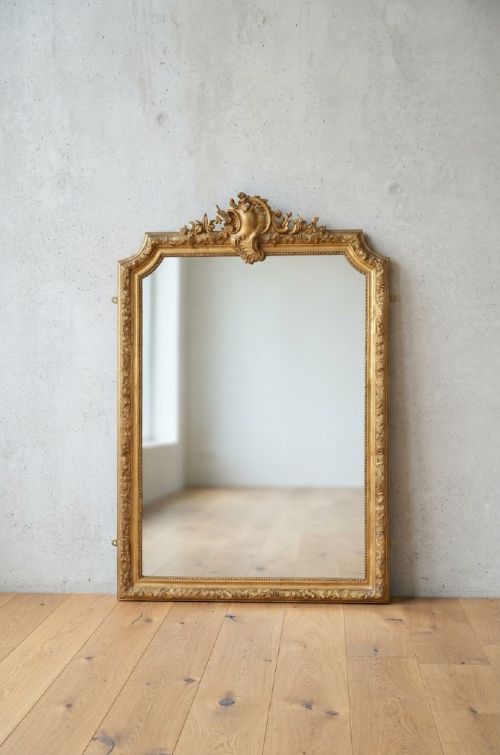
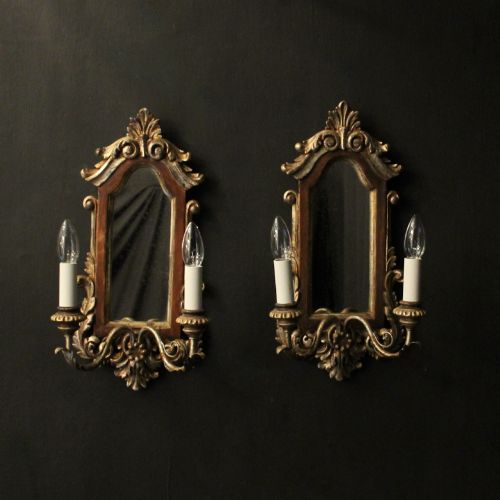
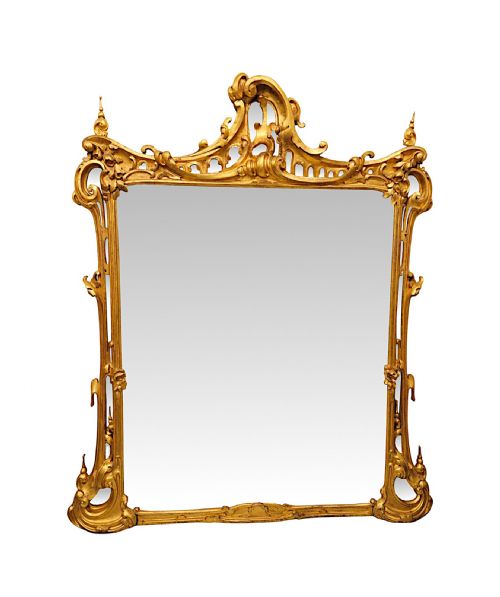
A rococo style giltwood mirror draws on historical 18th-century design, appearing across the nineteenth century and into the early decades of the twentieth century in various iterations. The forms on this page include grand overmantel mirrors, tall leaner mirrors, twin arm girandoles, and smaller wall-hanging pieces.
Makers drew inspiration from French Louis XV designs, Italian craftsmanship, and Chinese Chippendale motifs, creating asymmetrical scrolls and naturalistic flourishes. The most common survivals on the market span nineteenth-century revival periods, often displaying deep frames designed to command a wall.
Buyers encounter these objects in formats ranging from wide triple-plate overmantels meant for positioning above a fireplace to vertical wall mirrors designed to draw light into principal rooms. The diverse range reflects both British and continental European workshop traditions from the Georgian era through to the Edwardian period.
Materials and construction
Wood serves as the foundational substrate for these frames, often built from pine, walnut, or carved timber upon which gesso and composition ornaments are applied. Artisans then coated the prepared surface with gold leaf or metal leaf to achieve the characteristic metallic sheen.
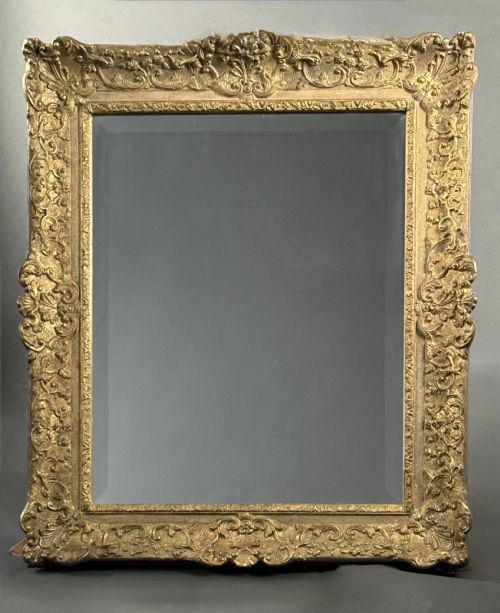
The decorative relief work relies heavily on moulded composition or hand-carved gesso built up over wood to form the intricate C-scrolls, foliage, and shell motifs associated with the style. Bevelled or plain mirror plates are then secured into the reverse of these elaborate wooden housings.
Listings feature pieces spanning the eighteenth, nineteenth, and early twentieth centuries, utilising wood, gesso, composition, and gold leaf.
Assessing craftsmanship
The depth and crispness of the carving or moulded gesso relief dictate the visual impact of the frame, separating mass-produced decorative items from superior workshop output. Sharply defined asymmetry and fluid scrolls demonstrate a higher level of artisan skill during the manufacturing process.
The handling of the gold leaf or silver-gilt surface layer influences the longevity and patina of the piece, with smoother burnishing and layered application yielding a richer reflection of light. Furthermore, the structural integrity of the underlying wooden joins determines how well a heavy overmantel or leaner frame supports its own weight over time.
The Rococo Style Giltwood Mirror Glossary
- Giltwood
- Wood that has been coated with gold leaf or metal leaf. This surface treatment provides the bright, reflective metallic finish seen on traditional decorative frames.
- Gesso
- A plaster-like mixture applied to wood frames to create a smooth surface for gilding or to be moulded into raised decorative reliefs. It allows for intricate scrollwork and detail.
- Overmantel mirror
- A large mirror specifically proportioned to hang on the wall directly above a fireplace mantelpiece. These pieces frequently feature wide horizontal formats or arched tops.
- Girandole
- A wall-mounted mirror equipped with attached candle sconces or arms. The candleholders reflect light directly off the glass plate.
- Composition
- A moulded material made from Whiting, resin, glue, and linseed oil, pressed into decorative shapes for picture and mirror frames. It offers an efficient alternative to hand-carved wood.
Rococo Style Giltwood Mirror: Frequently Asked Questions
How do I hang a heavy overmantel mirror safely?
Large overmantel mirrors require secure anchoring directly into wall studs or masonry using heavy-duty brackets suited to the substantial combined weight of the wood, gesso, and glass plate.
Professional installation is recommended for grander pieces, particularly leaner mirrors that rest against the wall while anchored securely at the top to prevent tipping.
Where should I place a giltwood mirror in my home?
These mirrors function effectively above mantelpieces, console tables, or as full-length leaner mirrors positioned opposite windows to amplify natural light within a reception room or hallway.
Their decorative frames allow them to act as standalone statement pieces or to anchor the visual balance of a room above existing furniture.
How do I clean and care for antique giltwood?
Dust the carved frame gently with a soft, dry brush or feather duster, avoiding moisture or chemical cleaners that can lift the delicate gold leaf or composition relief.
Glass plates can be cleaned using a minimal amount of glass cleaner applied to a cloth rather than sprayed directly onto the surface, preventing liquid seepage beneath the rabbet.
What distinguishes Rococo Revival from original 18th-century pieces?
Revival pieces date primarily from the nineteenth century and later periods, reinterpreting the asymmetry, flora, and shell motifs of the original mid-eighteenth-century French movement with slightly heavier construction and machine-molded composition elements.
Examining the backing woods, joint construction, and the ageing of the gesso helps differentiate an authentic eighteenth-century artefact from a Victorian or Edwardian interpretation.