





Decorative Italian Gilt Mirror
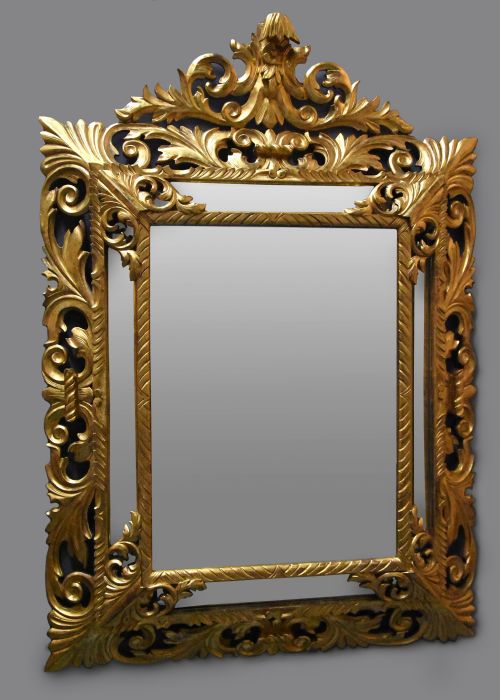
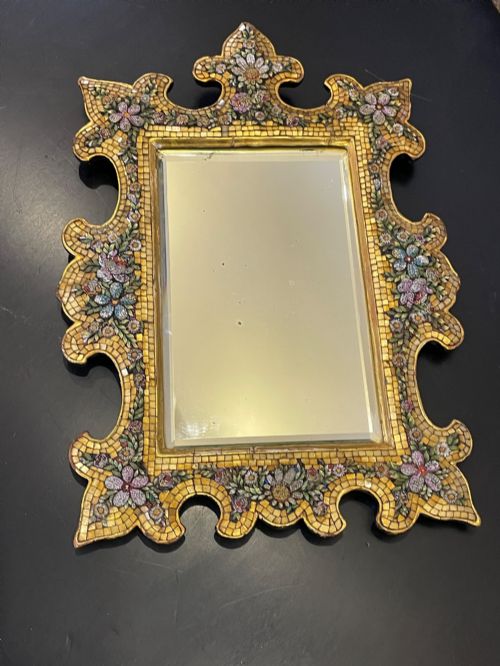
A decorative italian gilt mirror brings brilliant light and ornate carving into a room, spanning styles from grand Baroque to delicate Rococo.
Decorative Italian Gilt Mirror
When you search for a decorative italian gilt mirror, you encounter pieces designed primarily for wall display, overmantles, and hallways. The selection ranges from grand overmantle frames to smaller dressing mirrors and paired girandoles.
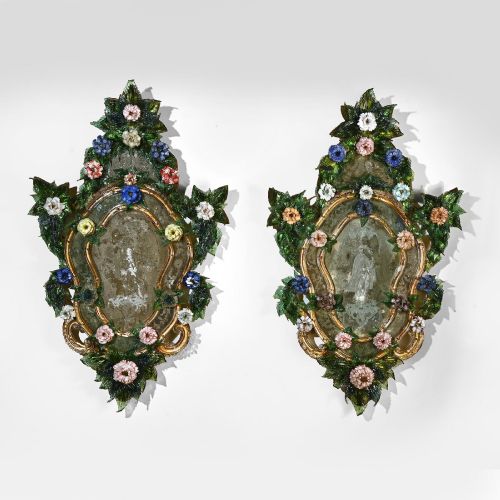
The most common examples on this page date from the nineteenth century and the early twentieth century. These mirrors often incorporate regional designs, notably Florentine and Venetian traditions, reflecting centuries of local craftsmanship.
The physical forms include cushion mirrors, pier glasses, and tabernacle frames. Many pieces exhibit regional stylistic revivals, drawing heavily on eighteenth-century aesthetics while retaining the construction methods of their actual period of creation.
Materials and Construction
Makers constructed the structural foundations of these pieces using carved wood, applying gesso to smooth the surfaces before gilding. Artisans then layered gold leaf, silver leaf, or paint onto the prepared wooden frames.
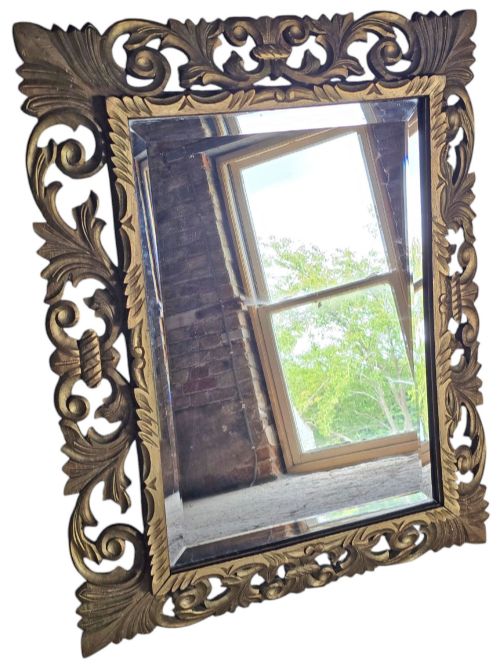
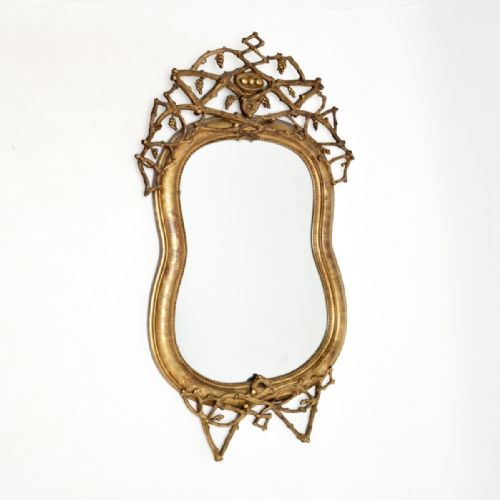
The decorative schemes rely heavily on carved details such as fruiting vines, scrolls, and rococo motifs. Some variants feature hand-painted panels or engraved glass plates, while others utilise mirrored glass set within deep, multi-tiered wooden mouldings.
Materials recorded across the inventory include gesso, carved wood, mirror glass, and surfaces finished in both gold and silver leaf.
Assessments of Quality
Quality rests in the depth and crispness of the wood carving rather than the mere presence of gilt. Hand-carved elements display subtle undercut details and varied textures that distinguish them from simpler moulded decoration.
The integrity of the surface finish dictates visual success. Surviving original gold leaf and gesso patinate with distinct warmth, whereas heavy restoration or unsympathetic repainting obscures the original hand of the maker.
The Decorative Italian Gilt Mirror Glossary
- Giltwood
- Wood that has been coated with gold leaf. This material forms the primary reflective frame in most traditional Italian mirrors.
- Gesso
- A plaster-like mixture applied to wood to create a smooth surface for gilding. Artisans carve directly into this layer to achieve sharp decorative relief.
- Girandole
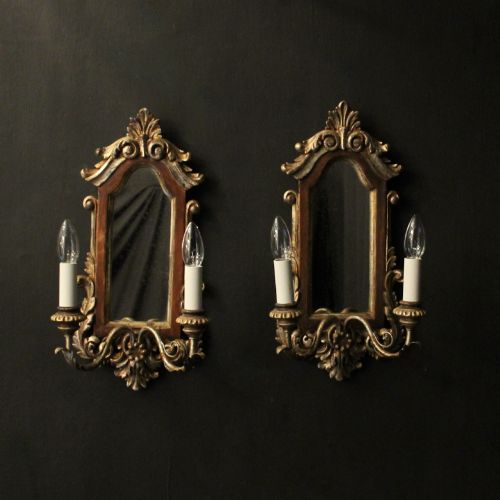
- A branched wall mirror designed to hold candles. These pieces reflect and multiply candlelight through their polished glass plates.
- Pier Glass
- A tall, narrow mirror designed to hang on the wall between windows. They frequently match console tables in grand domestic interiors.
Decorative Italian Gilt Mirror: Frequently Asked Questions
Where should I hang a decorative italian gilt mirror?
These pieces suit principal reception rooms, hallways, and above fireplaces where their reflective qualities amplify natural daylight. Their ornate frames function effectively as primary focal points on large expanses of wall.
Ensure the wall structure supports the substantial weight of carved wood and glass. Positioning the frame opposite a window maximises the distribution of light across the interior.
How do I identify a Florentine mirror?
Florentine mirrors typically feature elaborate carved foliage, scrolls, and openwork frames that often dispense with sharp corners entirely. Their decoration draws directly on historical Renaissance and Baroque motifs native to the region.
The gilding on these pieces is frequently applied over a red bole, showing subtle wear through the gold leaf on high points.
Are these mirrors fragile?
The combination of aged wood, gesso, and historical mirror glass requires careful handling during relocation. The intricate carved projections on giltwood frames are particularly susceptible to impact.
Routine maintenance involves dusting with a dry cloth, avoiding liquid cleaners that might degrade the historic gold leaf or silvered backing.
What is a tabernacle mirror?
A tabernacle mirror follows the architectural format of an altarpiece shrine, featuring classical columns or pilasters flanking the glass plate. These pieces originate from Italian Renaissance traditions and saw revivals in later centuries.
They offer a structured, architectural presence that contrasts with the flowing asymmetry of Rococo designs.
How do I distinguish eighteenth-century pieces from later revivals?
Period indicators include the composition of the gesso, the tooling marks on the timber frame, and the characteristics of the mirror glass itself. Eighteenth-century examples display hand-beveled plates and distinct oxidation patterns.
Nineteenth and twentieth-century revivals utilise similar techniques but often exhibit more uniform machine-prepared woods and different chemical silvering on the glass.