


Rococo Porcelain Centrepiece
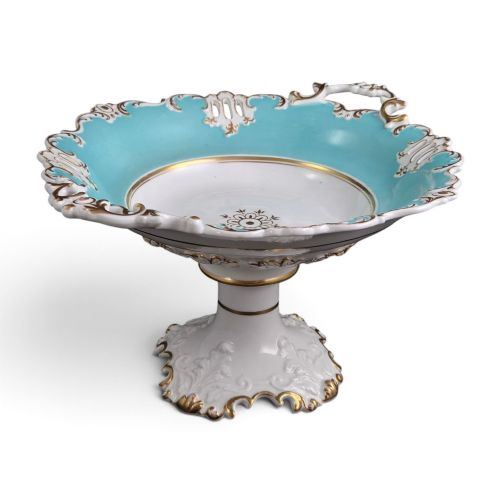
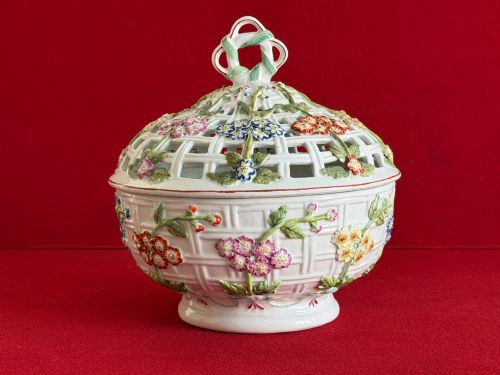
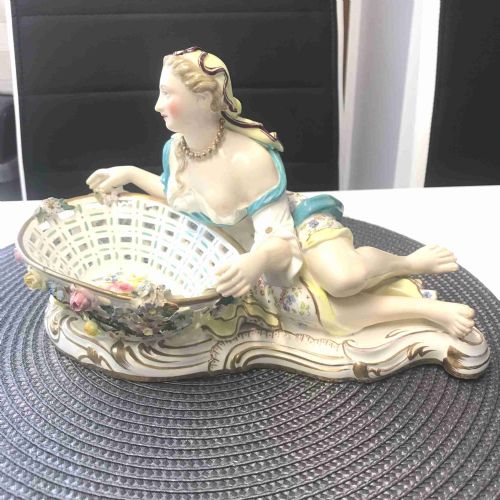
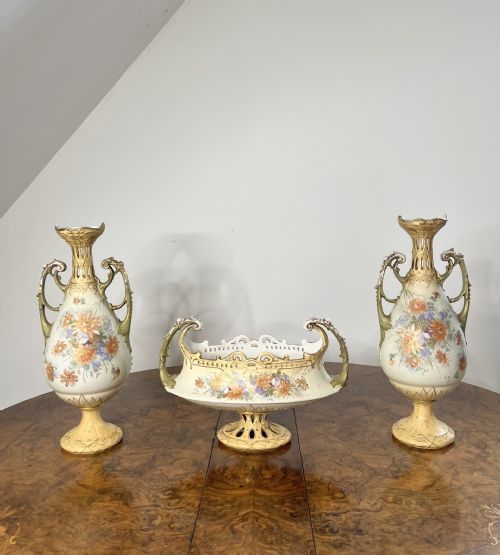
A rococo porcelain centrepiece commands the middle of a dining table with sweeping asymmetry, painted flora and playful figural work.
Rococo Porcelain Centrepiece
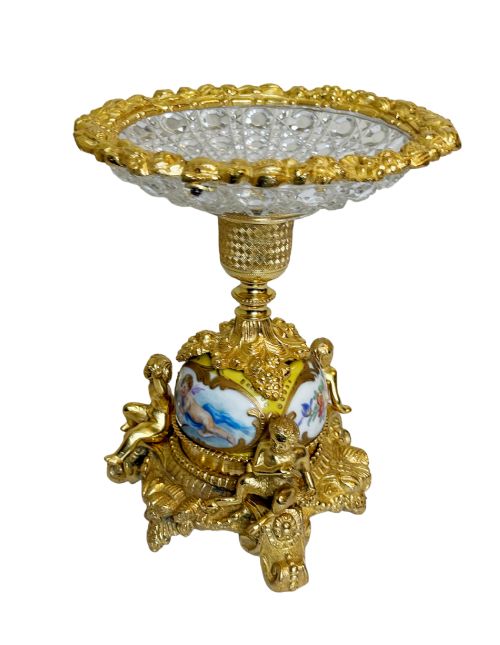
A rococo porcelain centrepiece brings together decorative bowls, tazzas, sweetmeat dishes and figural candelabra shaped by the 18th-century revival taste. Buyers seek these objects for their intricate sculptural detail and presence as table focal points.
The selection ranges from Georgian soft-paste creations to 19th-century Victorian and continental revivals. German factories, French makers and English potteries dominate the origins seen here.
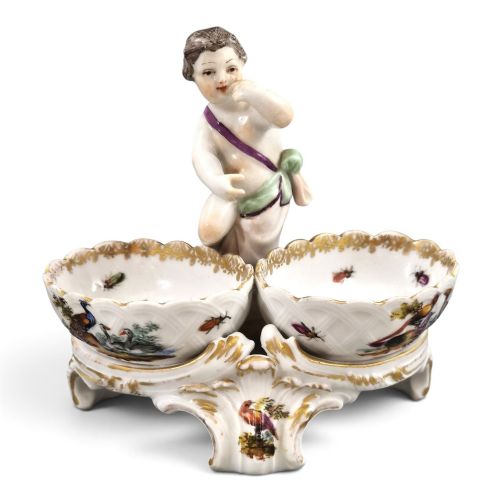
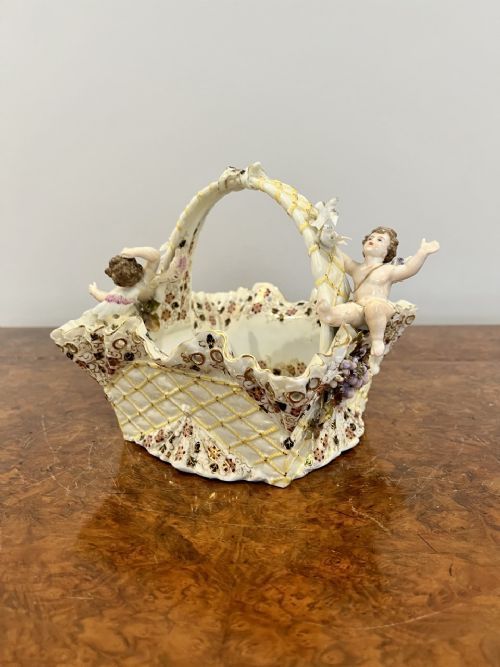
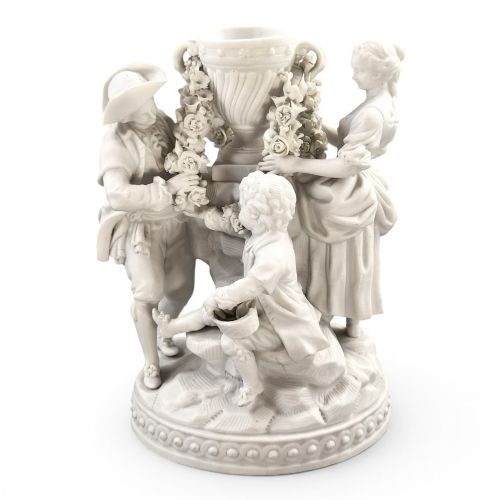
Most examples combine modelled porcelain figures, cherubs or floral baskets with shaped ceramic bowls and stands. Common forms include comports, tureen-style dishes and elaborate figural carts.
How they were made
Potters shaped these objects using hard-paste or soft-paste porcelain, often building complex figure groups and baskets by hand. Artisans applied hand-painted glazes, enamels and delicate floral garlands before firing.
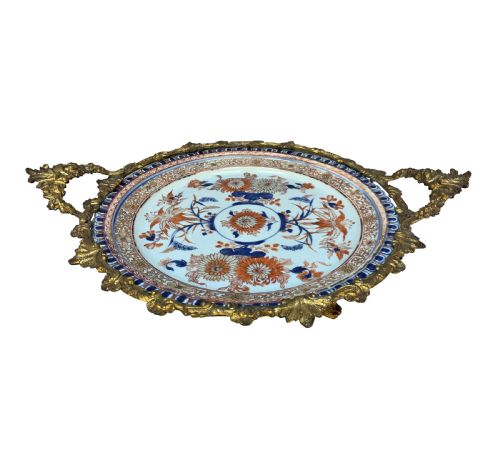
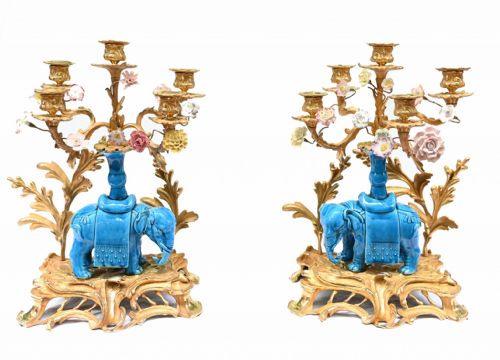
Metal mounts in ormolu and gilt bronze frequently frame the ceramic bodies, particularly in French and continental pieces. Gilt leaf and surface gilding highlight the scrollwork and asymmetrical cartouches typical of the style.
Several pieces feature cherubs clinging to giant sea shells and floral carts, proving that table decoration was once wonderfully theatrical.
What varies in quality
The integration of metalwork also marks the difference between tiers. Solid gilt bronze or ormolu mounts that complement the porcelain body demonstrate higher workshop standards than simpler gilt applications.
Coalport·Derby·KPM Berlin·Vieux Paris·Meissen·Royal Vienna·Volkstedt·Schierholz·Sitzendorf·Sevres·Samson·Dresden
The Rococo Porcelain Centrepiece Glossary
- Ormolu
- Gilt bronze mounts cast and chased to frame porcelain bowls and figures. This technique was widely utilised by French and continental workshops.
- Sweetmeat dish
- A small ceremonial dish designed for serving confections or sweetmeats at the table. These often feature figural supports or shell-shaped basins.
- Comport
- A raised decorative dish or bowl standing on a stem and foot. They function as centrepieces for fruit and sweet displays.
- Tazza
- A wide, shallow saucer-like dish mounted on a pedestal. Potters decorated these with intricate borders and painted scenes.
- Soft-paste
- An early porcelain composition fired at lower temperatures than hard-paste. It produces a warm glaze texture found in 18th-century French pieces.
Rococo Porcelain Centrepiece: Frequently Asked Questions
How were rococo porcelain centrepieces used?
These pieces served as ornamental centrepieces on grand dining tables during dessert courses. Hosts filled the bowls with fresh fruit, sweetmeats or flowers to impress guests.
Beyond dining tables, they sat on sideboards and console tables as decorative sculptures. The integrated candelabra versions also provided ambient lighting during evening meals.
How do I tell an 18th-century piece from a 19th-century revival?
Eighteenth-century examples often utilise soft-paste porcelain bodies with softer glaze textures and hand-painted motifs specific to early factories like Derby or Meissen. The modelling tends to show organic asymmetry tied directly to the original French movement.
Nineteenth-century revival pieces, produced in large numbers by German and French factories, generally employ harder porcelain pastes and crisper, brighter enamels. Markings and stylistic exaggerations also point towards Victorian and continental copyist traditions.
How do I clean and care for a porcelain centrepiece?
Dust the porcelain and any ormolu mounts gently with a soft, dry brush to prevent the accumulation of dirt in crevices. Avoid harsh chemical cleaners and do not submerge pieces with gilt bronze mounts in water.
Keep the centrepiece away from direct sunlight to preserve the hand-painted enamels and gilding. Handle the object by its sturdy base rather than delicate floral attachments or arms.