


Rococo Mantel Mirror
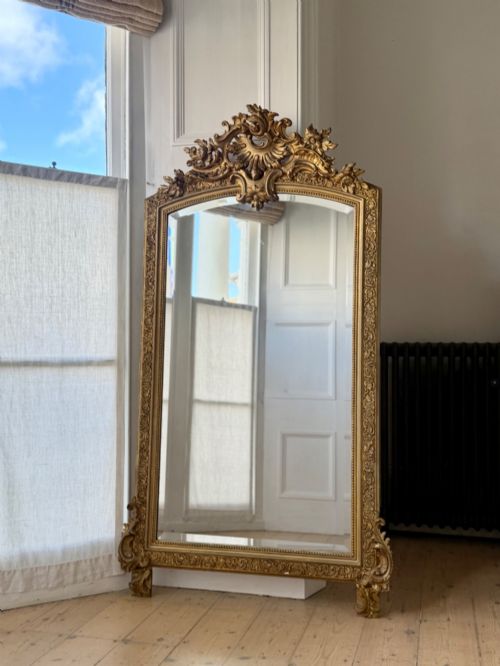
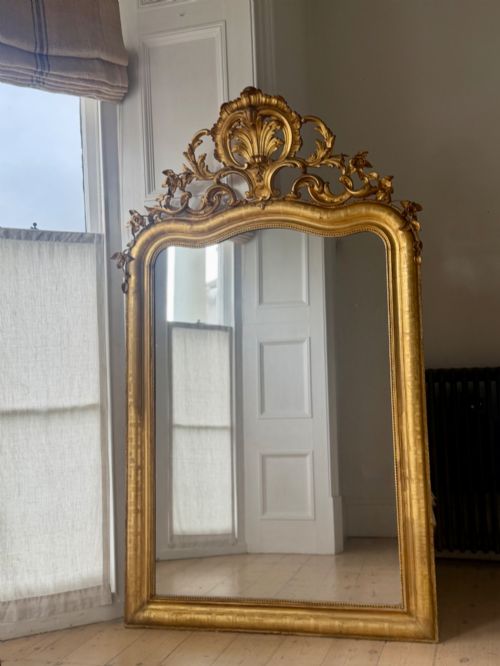
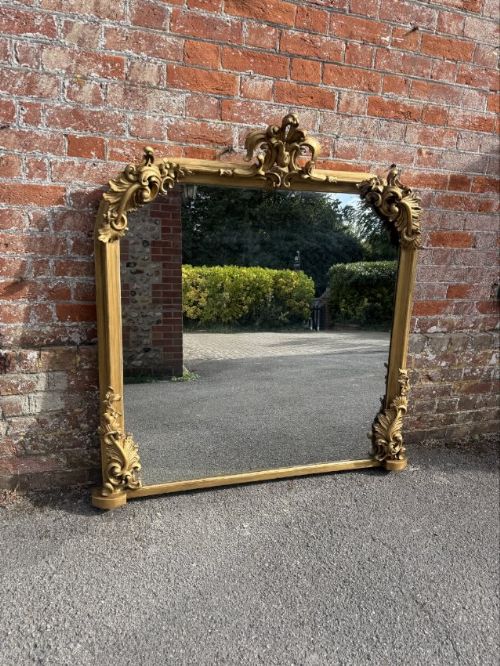
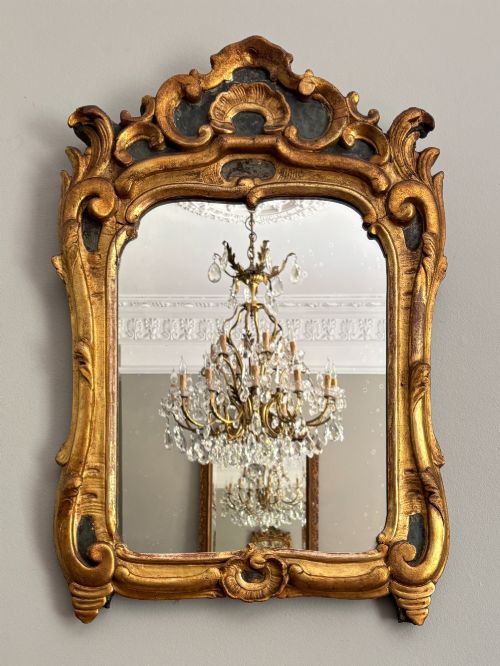
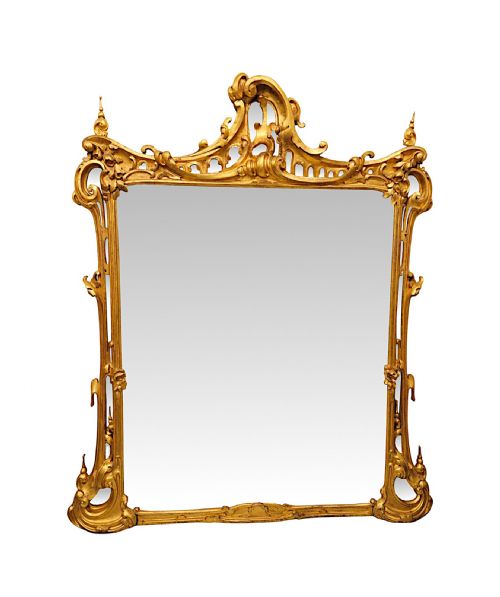
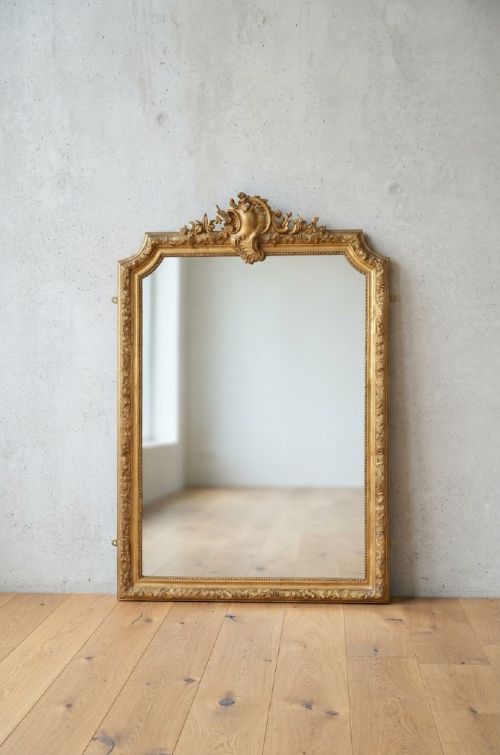
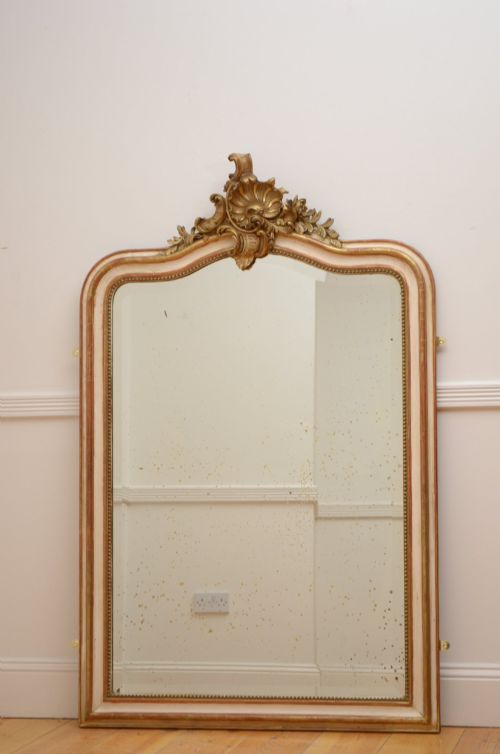
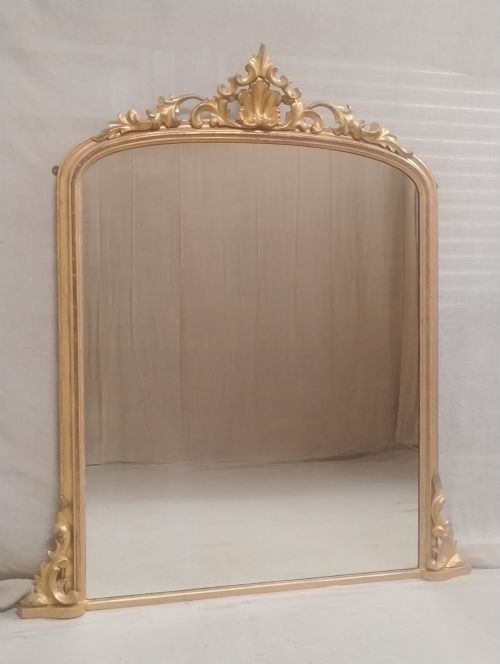
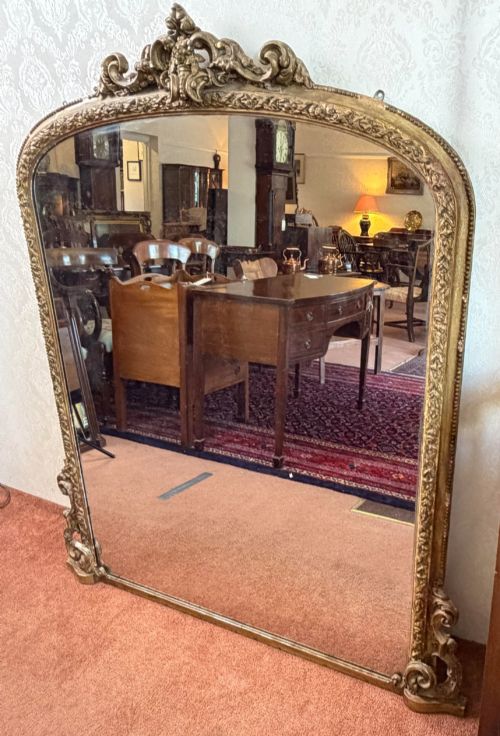
A rococo mantel mirror brings sweeping C-scrolls, asymmetric cartouches and gilded warmth to a room, anchoring a chimney breast with decorative impact.
Rococo Mantel Mirror
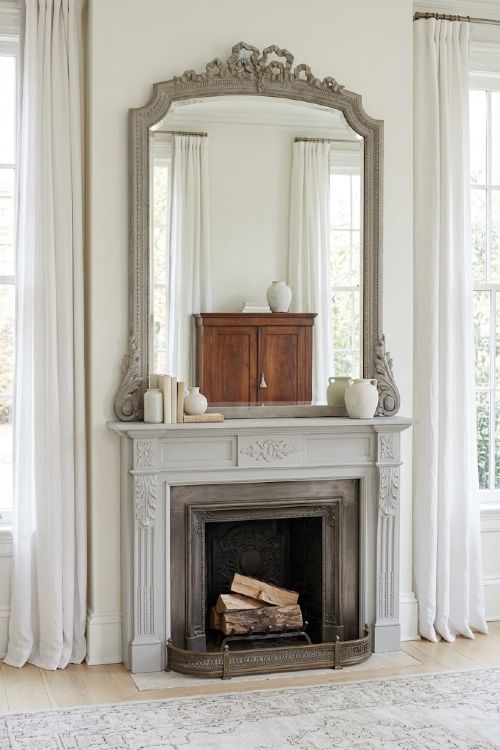
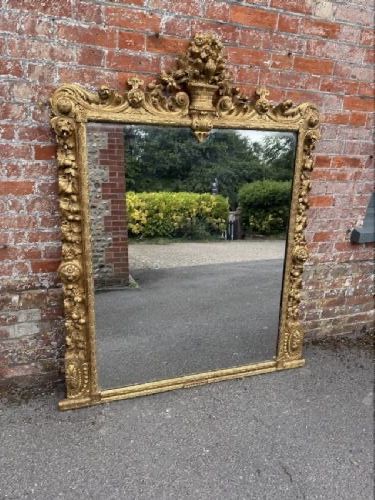
A rococo mantel mirror is a large wall-hanging or overmantel glass designed specifically to sit above a fireplace, reflecting light and decorative detail around the interior. When exploring this selection, a buyer encounters substantial 19th-century interpretations alongside earlier Georgian and 18th-century examples.
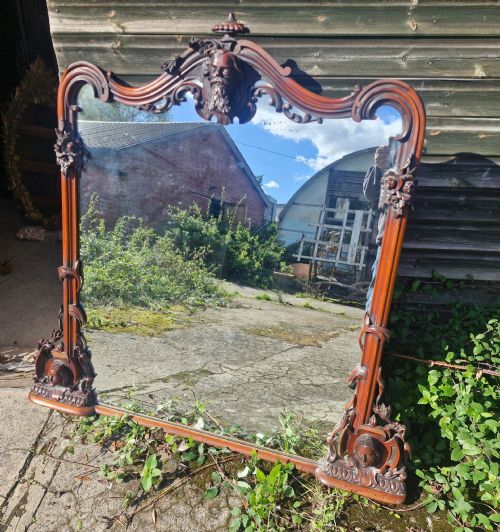
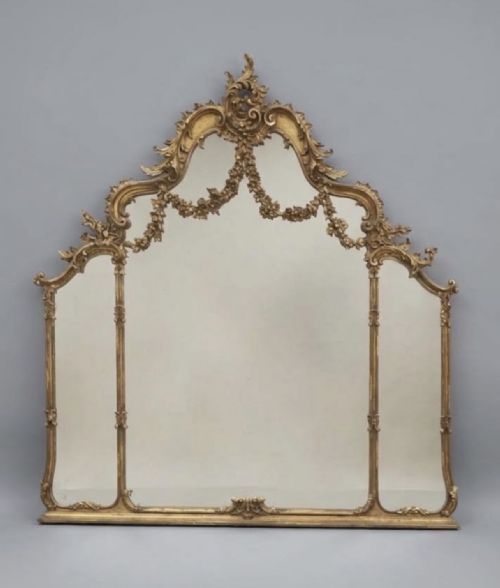
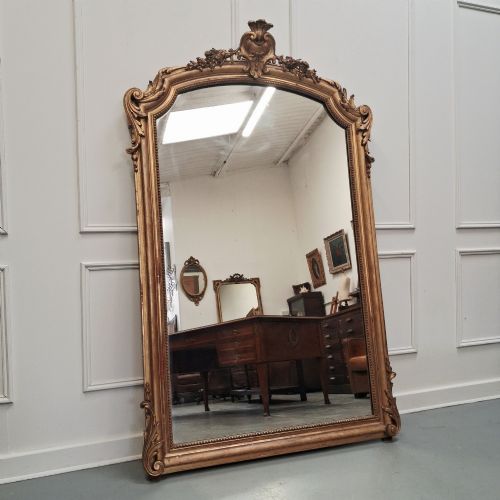
The dominant forms span French chateau wall mirrors, English overmantels and arched-top designs featuring ornate crests. Many pieces exhibit distinct revival characteristics, drawing on the exuberant curves and naturalistic motifs popular during the Victorian era and the mid-19th century.
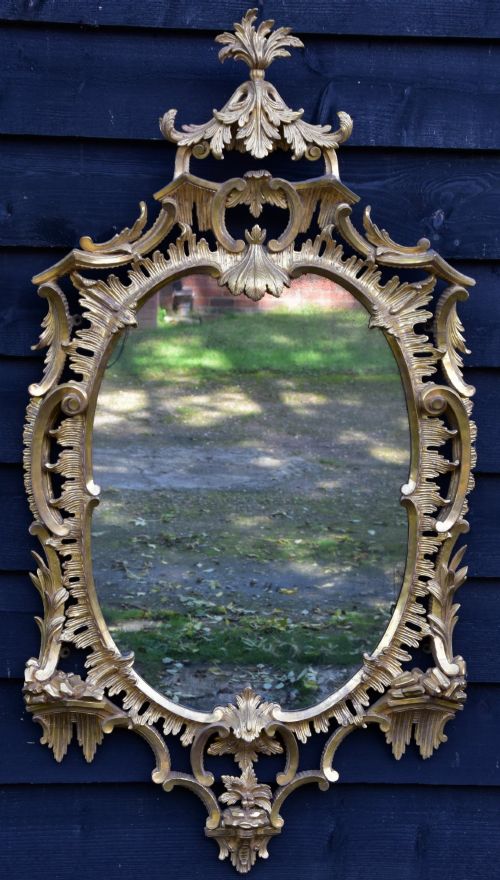
Makers often shaped these frames to command the proportions of principal reception rooms, resulting in massive country house editions as well as more intimate boudoir formats. The overarching aesthetic remains tied to the rococo style, defined by C-scrolls, foliage and playful asymmetry.
How they were made
Carved wood and gesso form the structural foundation of these frames, providing the pliable surface necessary for deep, intricate relief work. Artisans applied thin layers of gold leaf or silver leaf over the prepared gesso to achieve a brilliant, reflective metallic finish.
Mirror glass of the period was frequently hand-silvered and set within arched or rectangular rebates, sometimes complemented by painted or ebonised details. The joinery and carving relied on traditional hand tools, allowing for the elaborate cresting and foliate scrolls characteristic of the aesthetic.
Some grand country house overmantels are so massive they practically require their own postcode just to reflect the ceiling.
What varies in quality
The depth and crispness of the carving dictate much of the visual success, separating skilled hand-modelled gesso work from more routine production. Superior examples display spirited asymmetry and finely articulated foliate crests where the relief work maintains its definition beneath layers of gilding.
The integrity of the original mirror glass and the preservation of the gold leaf or silver leaf surface heavily influence the character of the piece. Heavier, more monumental frames require robust structural framing behind the carved elements to support the substantial weight of the glass.
The Rococo Mantel Mirror Glossary
- Gesso
- A plaster-like mixture applied to wood frames to create a smooth, buildable surface for carving and gilding. It allows artisans to achieve sharp relief details before applying gold leaf.
- Giltwood
- Timber, typically pine or oak, that has been coated with gold leaf or metal leaf. This technique provides the luminous metallic sheen central to traditional mantel mirrors.
- Overmantel
- A large mirror or painting designed specifically to hang on the wall directly above a mantelpiece. These pieces are proportioned to fill the vertical space of a chimney breast.
- Trumeau
- A decorative wall mirror, often incorporating painted panels or carved wood above the glass plate. Originating in French interior design, they bring architectural elegance to a room.
Rococo Mantel Mirror: Frequently Asked Questions
How do I hang a heavy overmantel mirror?
These large framed mirrors carry substantial weight from the wood, gesso and glass, requiring secure attachment directly into wall studs or masonry using heavy-duty brackets.
Professional installation ensures the frame is properly balanced and safely supported above the fireplace without straining the plaster.
Can these mirrors be used without a fireplace?
While originally designed for chimney breasts, these large formats work effectively as freestanding floor mirrors or statement wall hangings in hallways and reception rooms.
Their reflective glass and decorative crests help amplify natural light and create a sense of expanded space in any interior.
How do I distinguish 18th-century pieces from 19th-century revivals?
Earlier pieces from the Georgian and 18th-century periods often exhibit hand-carved timber construction with distinct tool marks and thinner gesso applications.
Nineteenth-century revival examples frequently utilise heavier moulded gesso compositions and display the robust, exuberant proportions typical of Victorian craftsmanship.