
Rococo Display Cabinet
A rococo display cabinet brings the fluid asymmetric curves and elaborate mounts of eighteenth-century French and Dutch taste directly into a modern interior.
Rococo Display Cabinet
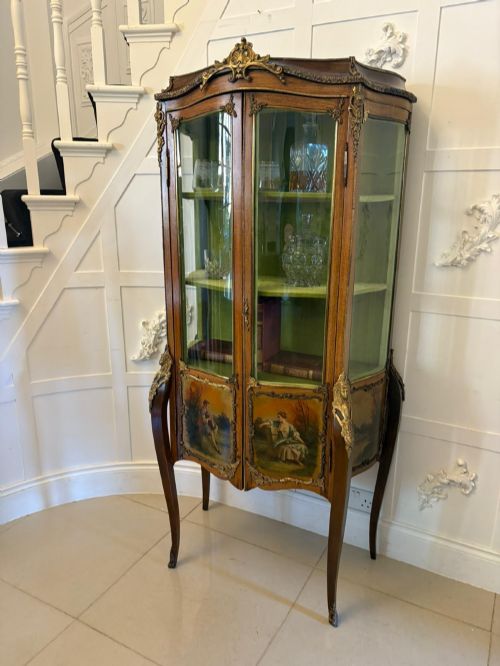
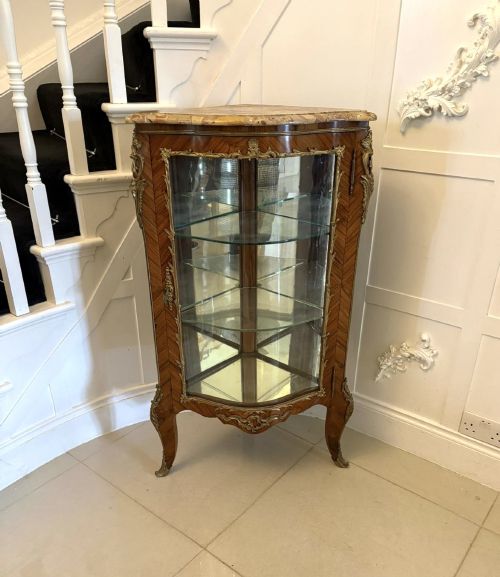
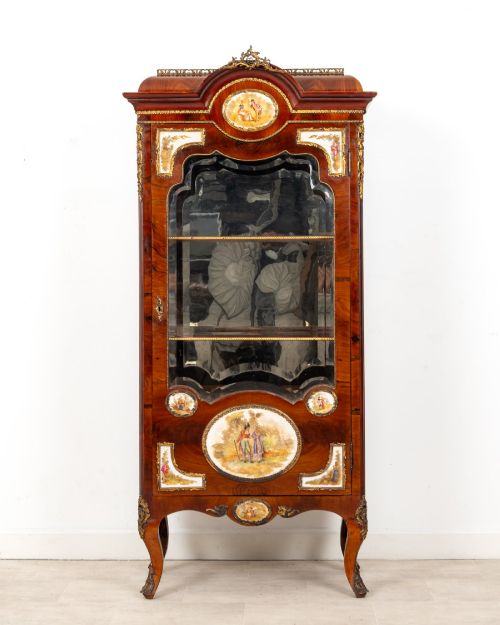
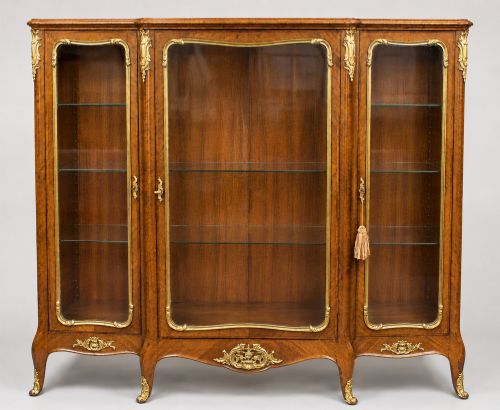
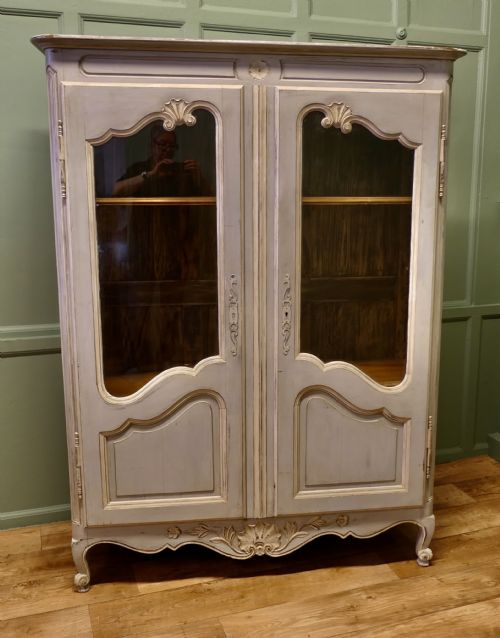
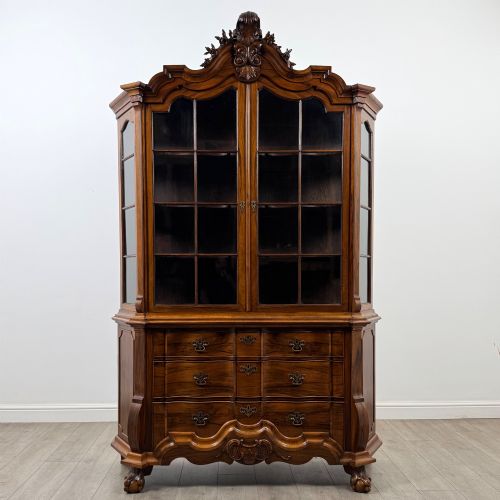
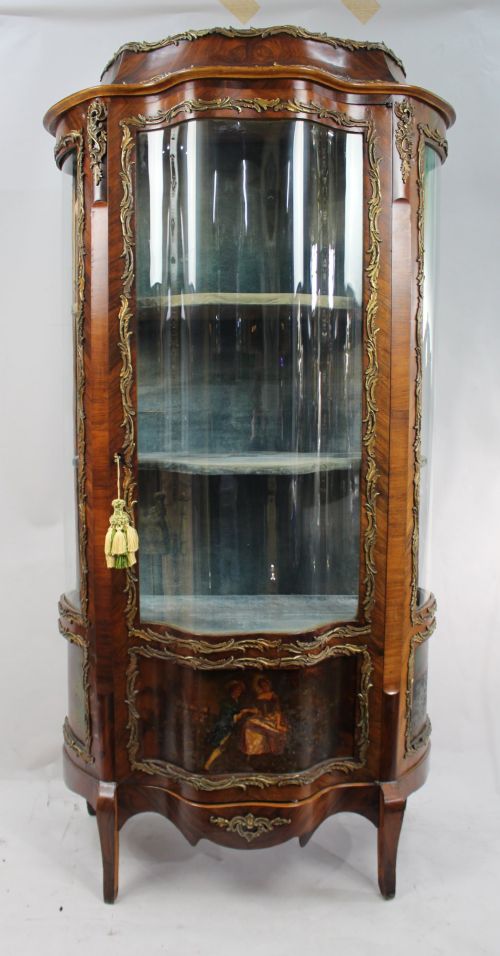
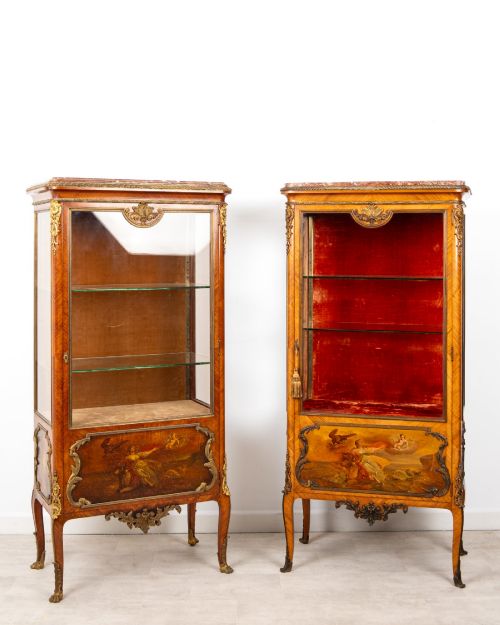
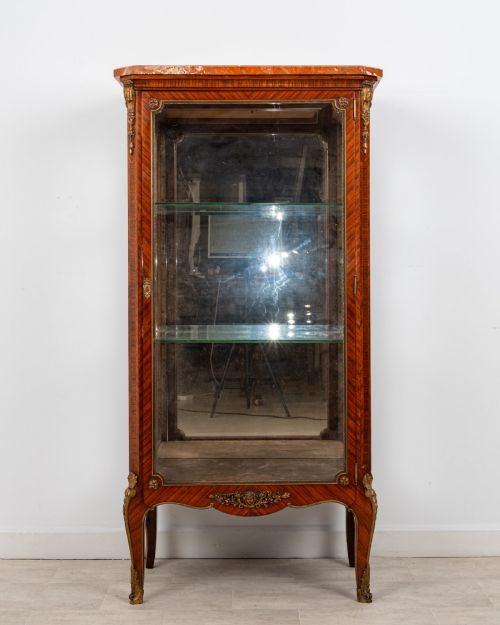
A rococo display cabinet is typically encountered as a freestanding vitrine, a corner cabinet, or a serpentine-fronted piece designed to exhibit porcelain and decorative objects behind glass panels. These furnishings draw heavily on Louis XV revival, French chateau, and Dutch rococo styles spanning from the eighteenth century through the Victorian period and into the early twentieth century.
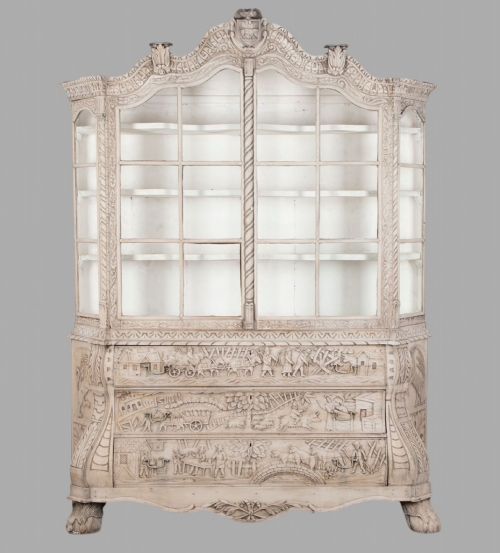
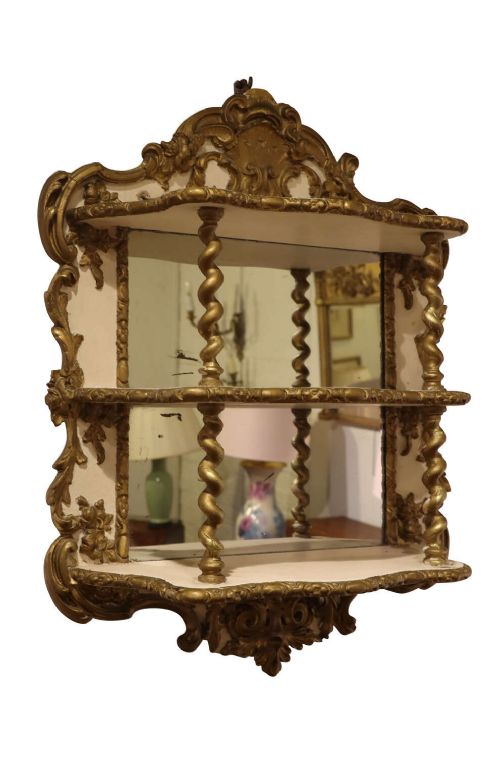
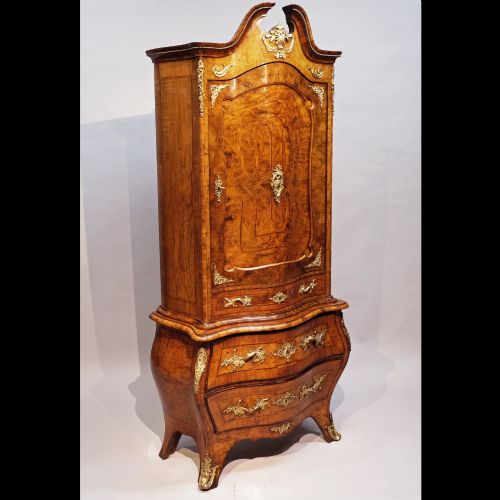
Buyers will find pieces constructed in forms ranging from tall double-door bookcases and wall-mounted étagères to bombés and cabinets raised on chests. Many incorporate glazed sides to maximise light exposure for the contents inside, uniting display utility with decorative woodwork and painted panels.
The aesthetic is defined by ornamental display cabinets that channel continental European court taste, particularly French and Dutch interpretations of rococo curves. Pieces frequently feature serpentine or bombé shapes that break away from rigid rectilinear forms.
Materials and construction
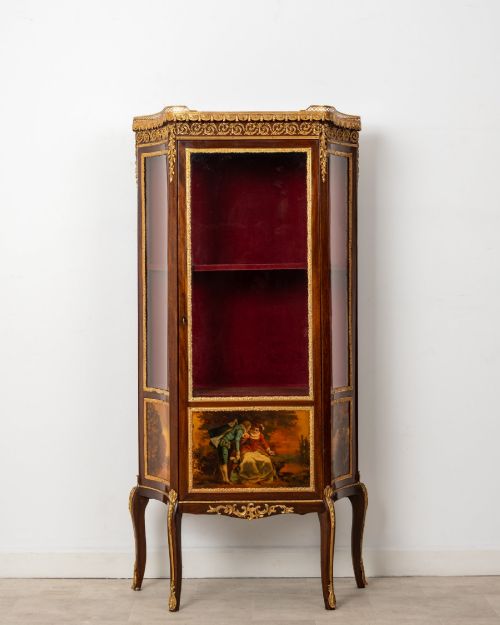
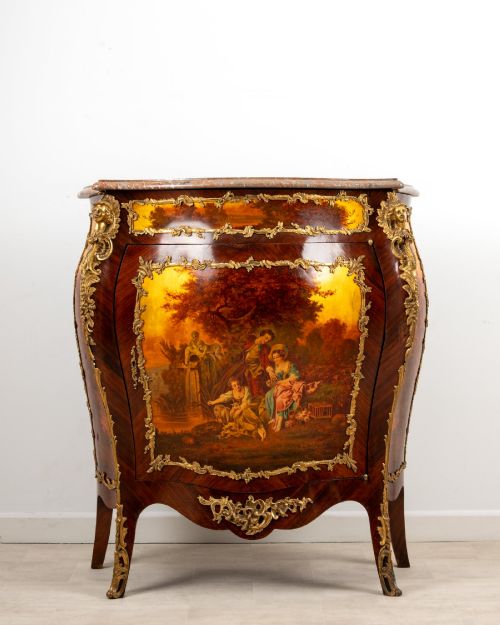
Construction relies on timber framing using hardwoods such as kingwood, walnut, mahogany, and oak, often finished with painted or giltwood surfaces. Cabinetmakers shaped carcasses into serpentine and bombé contours, sometimes housing hand-painted Vernis Martin panels depicting pastoral or romantic scenes.
Mounts and surfaces utilise cast or gilt-bronze ormolu, marble tops, and brass details to frame the glazed doors and illuminate the timber grains. Glass panes are fitted into the cabinet doors and sides to enclose the interior shelves securely.
Rococo Display Cabinet Retail Price Guide 2026
Typical asking prices for rococo display cabinet among the pieces listed under this phrase on Sellingantiques today, from the lower quarter to the upper quarter. They describe what is for sale here now, not the wider market.
Listings feature examples spanning from the eighteenth-century Georgian and Dutch periods through Victorian revivals and into the twentieth century.
Factors of quality
Quality rests on the crispness of the gilt-bronze ormolu mounts, the precision of the timber matching in veneers like kingwood or burr walnut, and the artistic execution of any hand-painted Vernis Martin panels. Superior examples exhibit fluid, hand-carved details that integrate smoothly with the structural form rather than appearing stiff or heavy.
The handling of serpentine and bombé curves demonstrates the maker's joinery skill, particularly in how well doors seal against shaped frames and how cleanly marble slabs are fitted to the upper surfaces. Finer pieces maintain balanced proportions and refined proportions across glass glazing bars and structural supports.
François Linke·Doe and Rogers·John Ridgway·Royal Crown Derby·Helena Wolfsohn·Meissen·Chantilly·Copeland
The Rococo Display Cabinet Glossary
- Ormolu
- Gilded bronze mounts applied to furniture. This technique provides metallic highlights and decorative framing to cabinet edges.
- Vernis Martin
- A simulated Japanese varnish technique used by European cabinetmakers. It produces translucent decorative painted panels with a lustrous finish.
- Serpentine
- A curved line that is convex in the middle and concave at the sides. This shape gives cabinet fronts a flowing, undulating appearance.
- Bombé
- A swelling or bulging outward profile found on cabinet bases and sides. It is characteristic of adventurous continental furniture design.
- Vitrine
- A glass-fronted cabinet built for displaying fine porcelain and curiosities. Glazed sides are frequently included to admit light from multiple angles.
Rococo Display Cabinet: Frequently Asked Questions
What is a Vernis Martin panel?
Vernis Martin is a decorative lacquer finish developed in eighteenth-century France to imitate Asian lacquerware. Artisans applied multiple layers of varnish over painted scenes to achieve a durable, glossy surface.
In furniture construction, these panels are typically incorporated into cabinet doors or lower panels to add colourful pictorial elements alongside gilt-bronze mounts and timber veneers.
How do I distinguish French and Dutch rococo cabinets?
French rococo revival pieces often emphasise refined serpentine curves, delicate ormolu mounts, and polished exotic veneers like kingwood. They lean toward a lighter, ornate aesthetic associated with courtly display.
Dutch interpretations frequently employ heavier walnut or oak constructions, occasionally featuring pronounced bombé shaping and substantial proportions. These reflect a sturdy domestic interpretation of continental design.
Where should I place a display cabinet?
These cabinets work best in principal rooms where natural light can strike the glass panels and illuminate the interior shelves. Corner cabinets make effective use of neglected junctions in smaller spaces.
Position them away from direct heat sources and strong sunlight to protect aged timber veneers and delicate interior painted surfaces from fading or drying out.
What items are suitable for display inside?
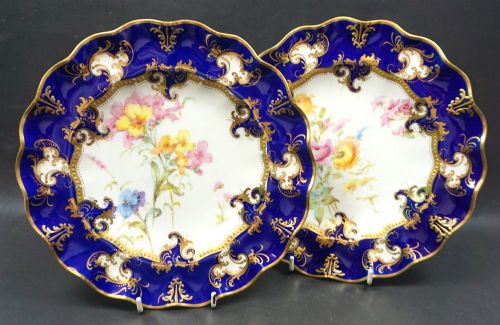
Cabinets of this type were traditionally built to house porcelain plates, decorative ceramics, and small curiosities. The glazed sides and shelves provide a secure enclosure for delicate collections.
Arranging items with varied heights and materials helps balance the visual weight behind the glass doors without cluttering the interior.