
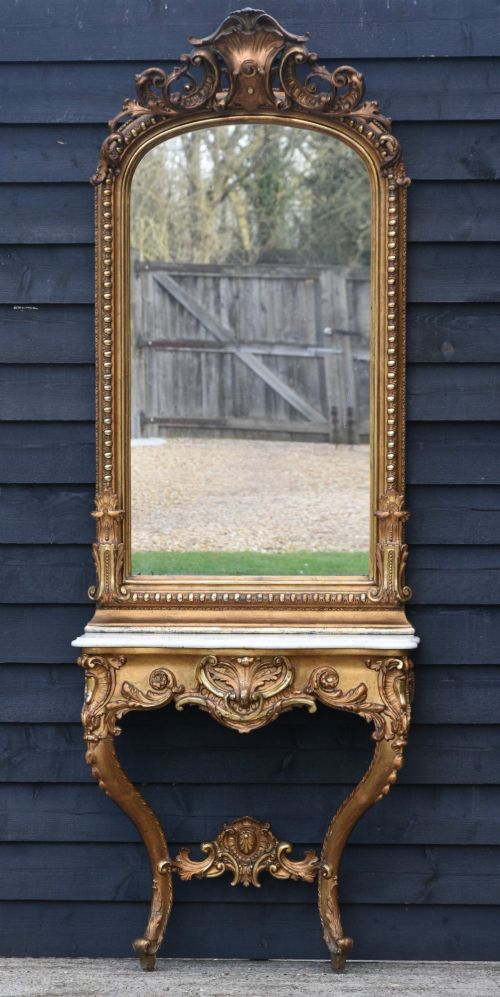
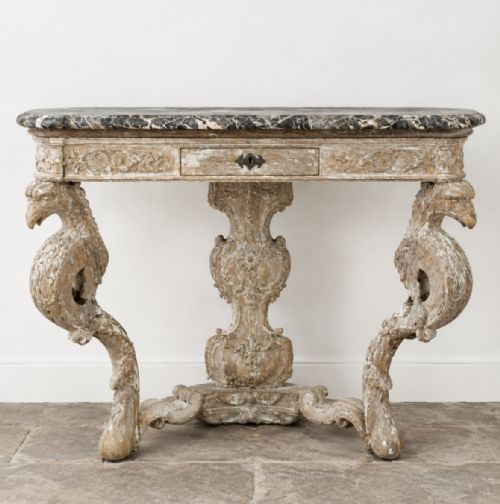
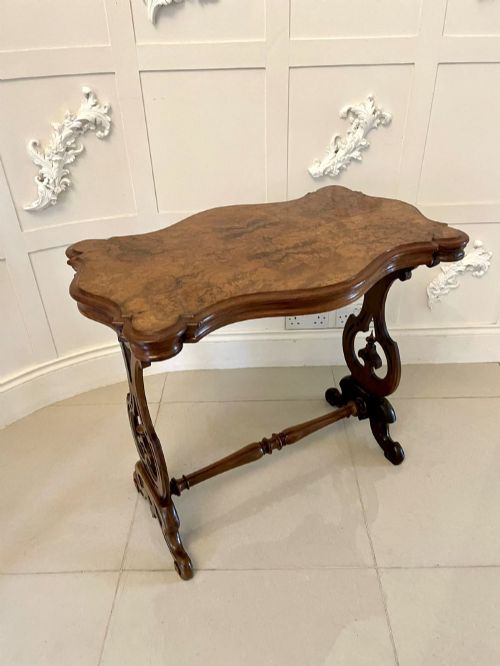
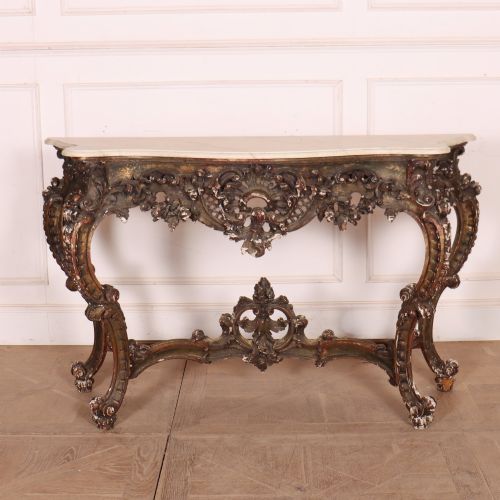

Rococo Carved Pier Table
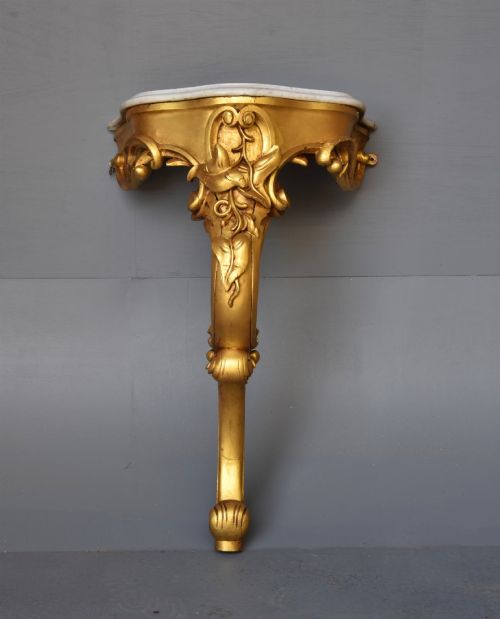
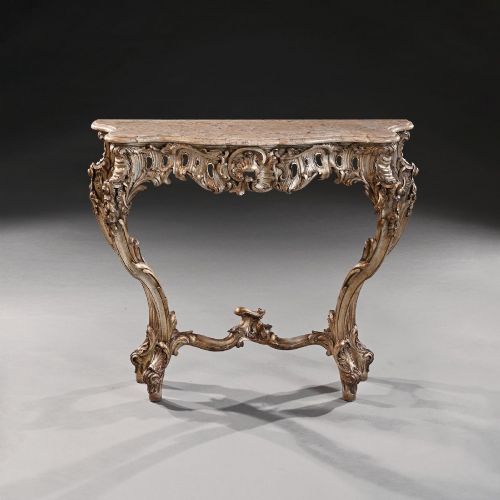
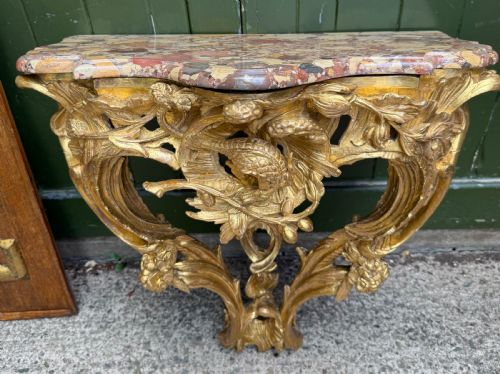
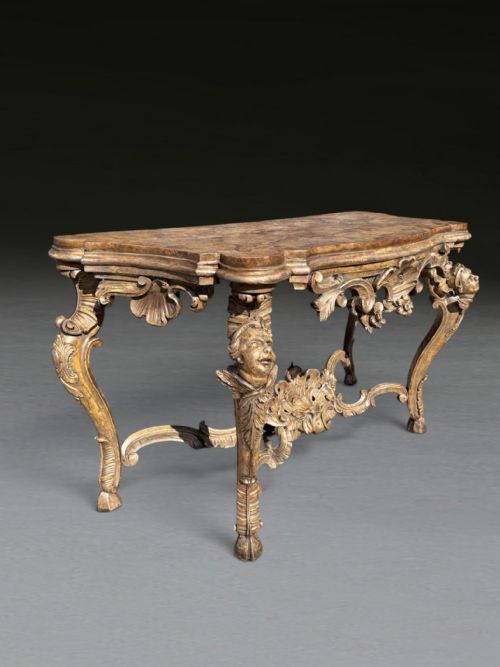
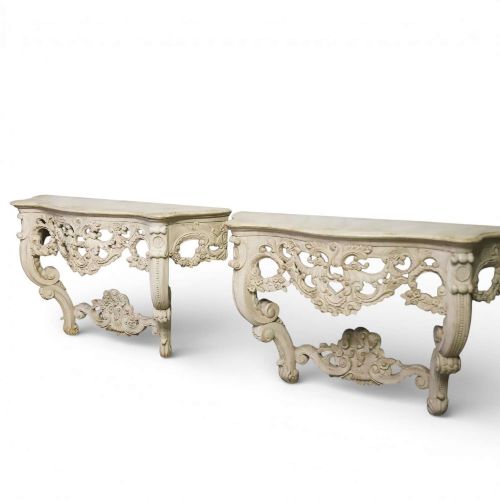
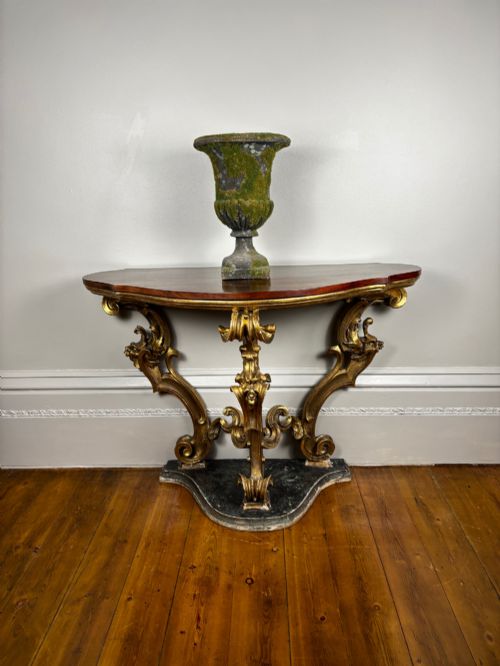
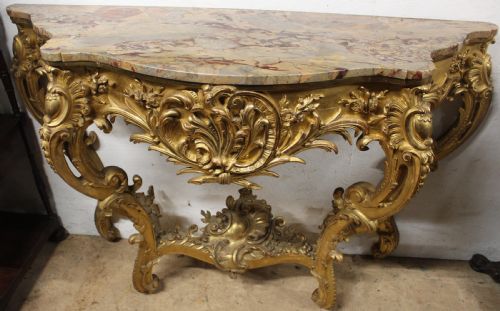
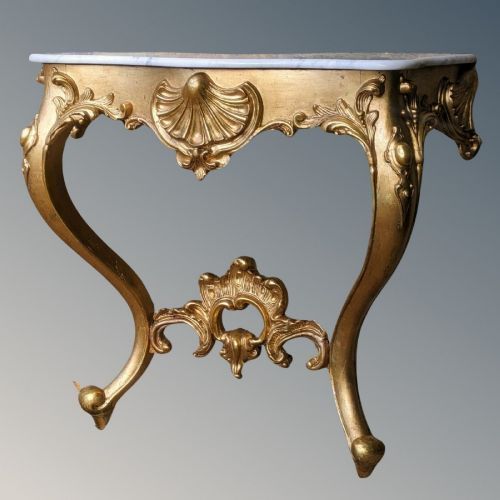
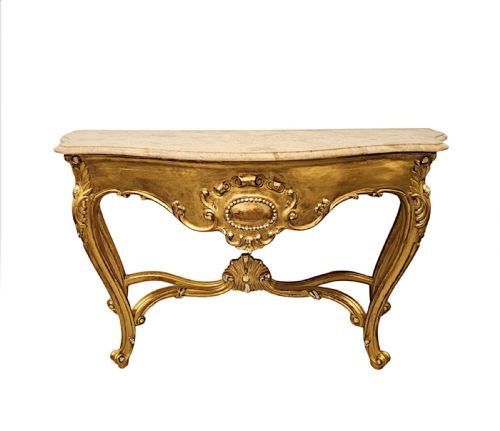
A rococo carved pier table brings unmistakable theatricality to a room, pairing heavy carved frames with shaped marble tops.
Rococo Carved Pier Table
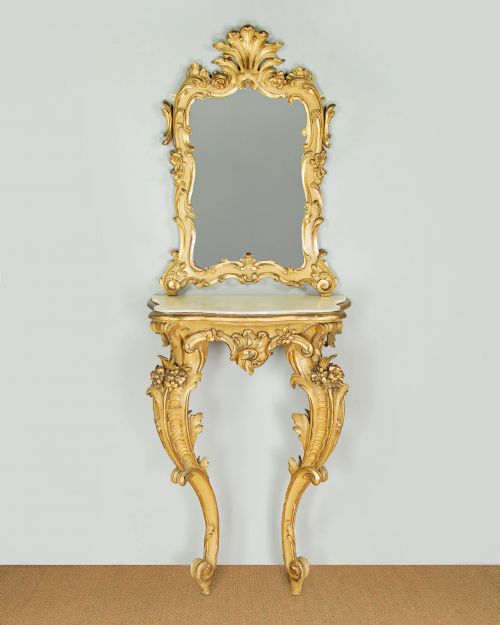
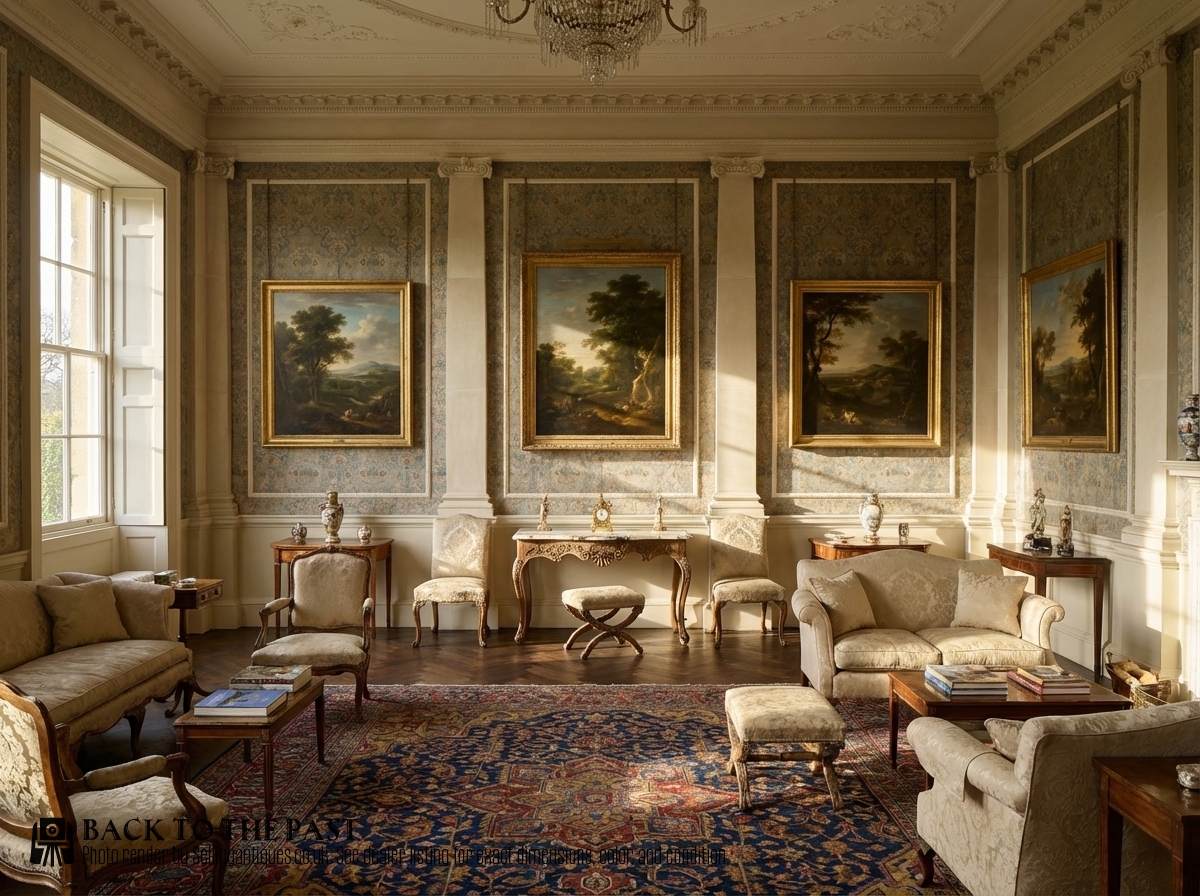
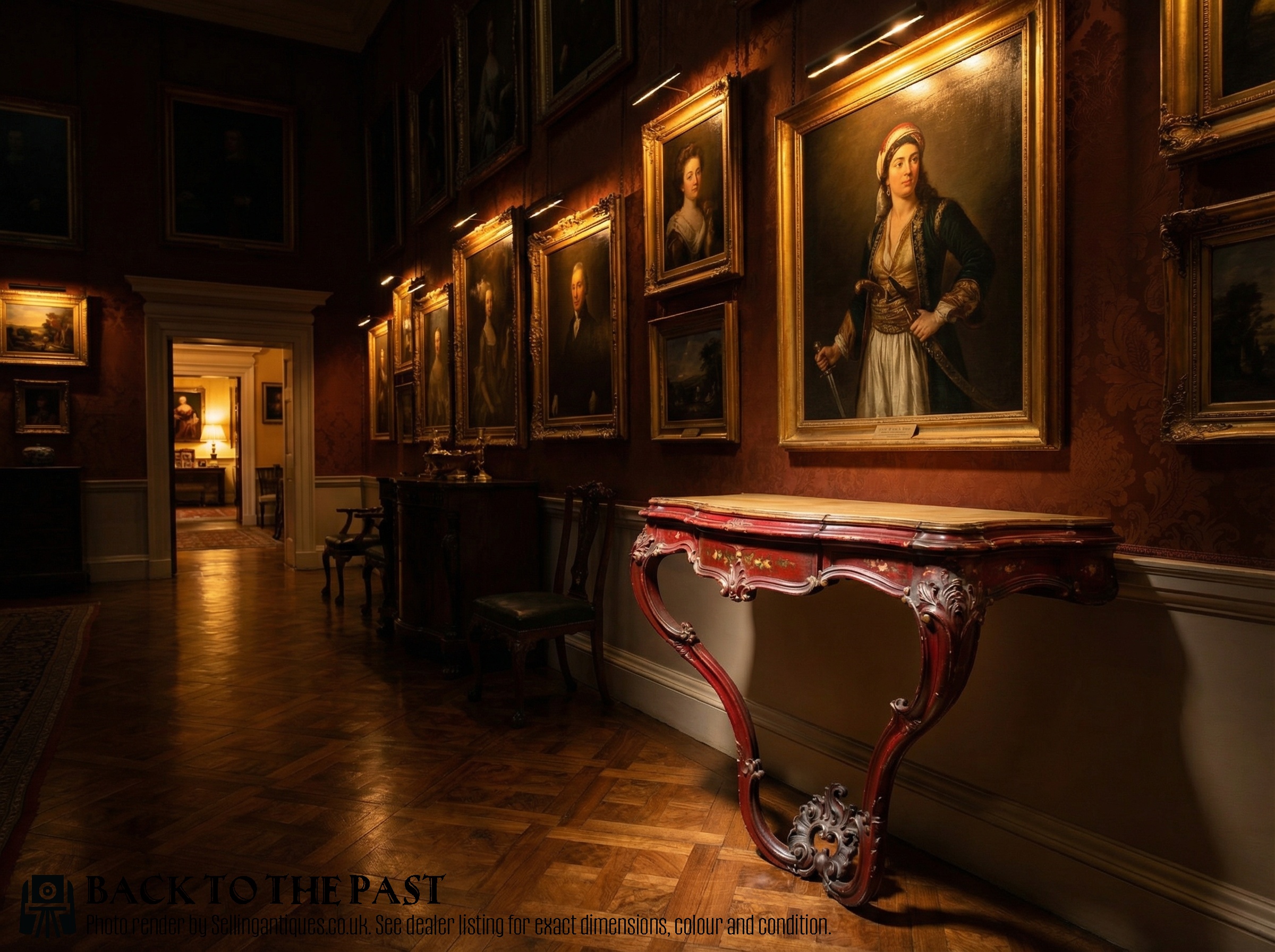
A rococo carved pier table sits flush against a wall, frequently positioned beneath a matching mirror between windows. You will encounter these pieces across the eighteenth and nineteenth centuries, spanning French, Italian, and Victorian revivals.
The form appears as console tables, side tables, and console table and mirror sets, often featuring serpentine fronts and heavy carved wooden frames. The majority originate from nineteenth century production alongside eighteenth century exemplars and early twentieth century interpretations.
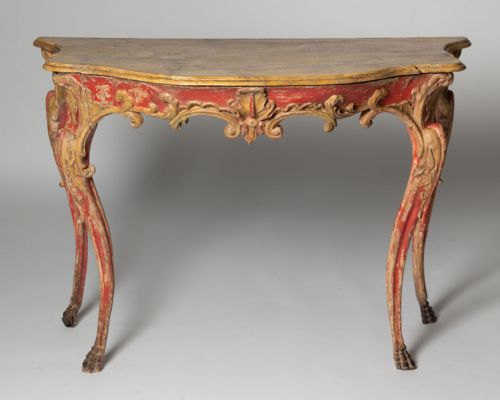
Makers utilised various regional interpretations, moving from authentic Venetian and French rococo work to later Victorian expressions. The inventory reflects this through diverse forms such as wall console tables, centre tables, and large hall consoles.
Materials and construction methods
Makers shaped the heavy foundational structures from carved wood, walnut, oak, and gesso before applying surface decoration. Giltwood, gold leaf, silver gilt, and paint finishes define the visual weight of these tables.
Heavy marble tops, including Carrara and Sienna varieties, sit atop the carved wooden bases to provide a cool, durable surface. Artisans shaped these stone slabs with serpentine curves to match the complex contours of the woodwork beneath.
Rococo Carved Pier Table Retail Price Guide 2026
Typical asking prices for rococo carved pier table among the pieces listed under this phrase on Sellingantiques today, from the lower quarter to the upper quarter. They describe what is for sale here now, not the wider market.
Listings feature items spanning from the eighteenth century through the 1930s, constructed in carved wood, walnut, oak, and marble.
Distinguishing quality in carving and materials
The depth and crispness of the carved wood separate standard production from superior examples, where scrolls and asymmetrical foliage retain sharp definition. Hand-carved execution demonstrates the hand of a skilled artisan rather than mechanical replication.
The selection and thickness of the marble top indicate the grade of the piece, with figured stones and precise serpentine profiling marking higher tiers of craftsmanship. Surface treatments such as genuine gold leaf layered over gesso age differently than simple painted finishes.
The Rococo Carved Pier Table Glossary
- Pier table
- A table designed to stand against a wall, typically placed between two windows directly beneath a pier mirror.
- Giltwood
- Timber coated with a thin layer of gold leaf or gold paint, frequently applied over a prepared gesso ground.
- Gesso
- A plaster-like mixture applied to wood surfaces as a smooth base for gilding or painting.
- Serpentine front
- A furniture front characterised by a wavy outline featuring a central convex curve flanked by concave sweeps.
Rococo Carved Pier Table: Frequently Asked Questions
Where should I place a pier table?
These tables find their traditional home against a flat wall, often positioned in an entrance hall or reception room. Placing one beneath a matching mirror creates a balanced architectural focal point.
Because these pieces sit against the wall rather than floating in open space, ensure the dimensions allow clear passage around adjacent doorways and furniture.
How do I care for the marble top?
Wipe the stone surface regularly with a soft, damp cloth to remove dust and prevent grit from scratching the polish. Avoid acidic cleaning products that can etch the marble.
Use coasters under glasses and protect the stone from direct impacts, as heavy items can chip the shaped edges of older marble.
Are these tables sturdy enough for daily use?
Most antique pier tables rely on wall attachment for complete stability, as their ornate carved legs often support heavy marble tops without full freestanding bracing. Securing the frame to the wall prevents tipping.
While functional for display and decorative storage, heavy loads should be avoided on tables with slender or heavily scrolled supports.
How do I distinguish eighteenth century from revival pieces?
Eighteenth century examples display the organic wear patterns, tool marks, and construction techniques specific to period joinery. Wood shrinkage and historical gilding wear naturally over centuries.
Revival pieces from the nineteenth and early twentieth centuries often employ machine-assisted shaping alongside period stylistic motifs, reflecting the historicism of later eras.