



Rococo Carved Bed Frame
These rococo carved bed frame options bring ornate curves and historic timber into a bedroom.
Rococo Carved Bed Frame
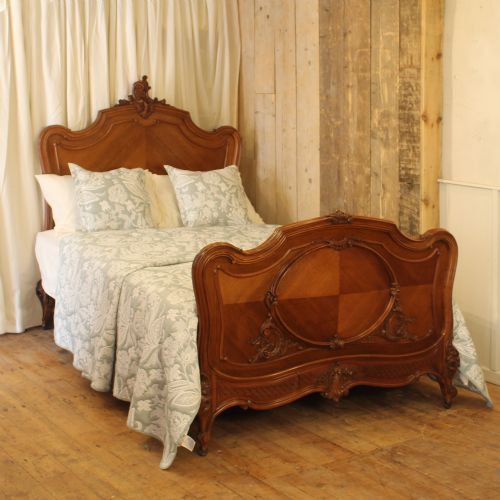
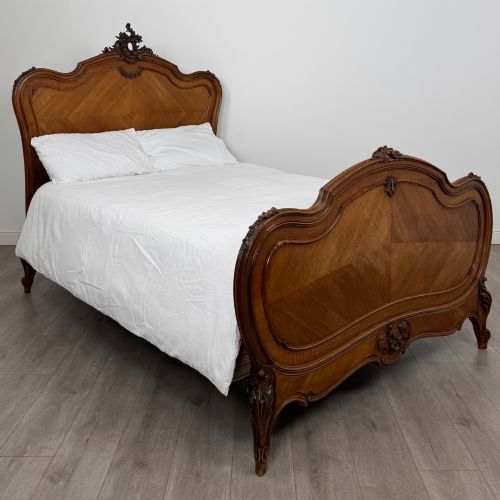
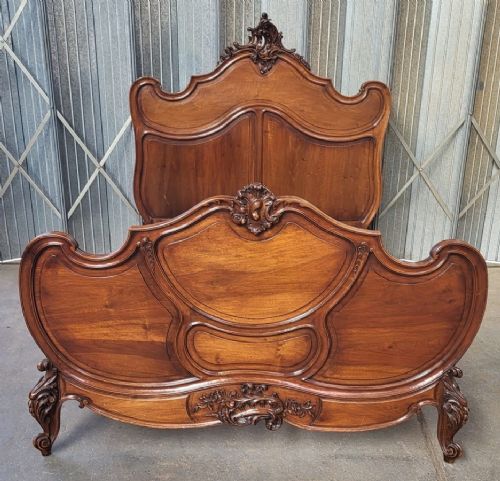
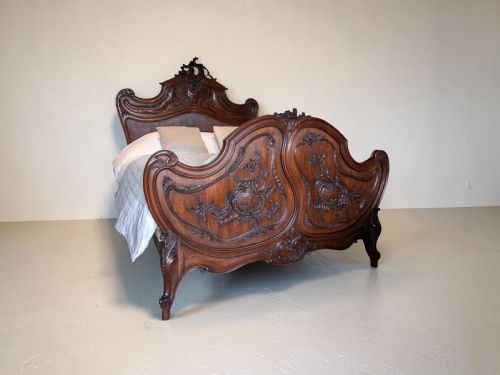
A rococo carved bed frame draws on the asymmetrical, flowing motifs of eighteenth-century design. When searching for a rococo carved bed frame, buyers encounter large wooden sleeping furniture originating mainly from nineteenth-century and early twentieth-century workshops. These pieces frequently appear in French Louis XV and Italian rococo styles.
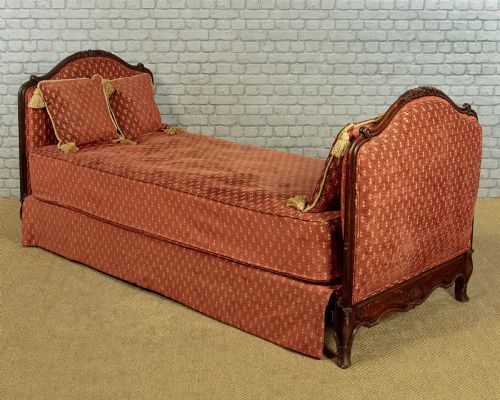
The selection here encompasses double, king size, and emperor proportions, alongside daybeds and multi-piece bedroom suites. Walnut, painted wood, and giltwood dominate the structural forms. Many examples feature integrated upholstery fabric or cane panels within the headboards.
Most items reflect revival periods from the Victorian era up to the 1930s. Single pairs and complete bedroom groupings with matching bedside cabinets also occur in the current listings.
How they were made
Cabinetmakers constructed these frames primarily from solid timber and selected veneers, with walnut being the predominant wood. Artisans shaped the scrollwork and floral motifs by hand directly into the timber or applied parcel gilt highlights. Painted wood surfaces received layered finishes, sometimes combined with bleached oak or burr walnut.
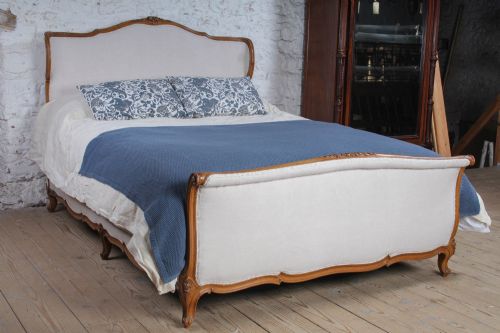
Upholstery techniques involved traditional padding inserted into headboard and footboard panels, often updated with modern fabric. Cane work was woven directly into designated wooden apertures for lighter decorative panels. Structural integrity relied on robust mortise and tenon joints concealed within the grand headboards and footboards.
One grand bed frame here previously appeared on screen in series two of the television drama The Great.
What varies in quality
The depth and crispness of the hand-carved ornamentation separate standard revival pieces from finer iterations. Carvings that retain sharp undercut details and well-defined asymmetric scrolls demonstrate superior craftsmanship compared to softer, more mechanical mouldings. The choice of timber also dictates quality, with figured burr walnut and rich parcel gilt surfaces standing above plain painted or secondary woods.
Completeness alters the character of a suite, particularly where original matching bedside cabinets or integrated leather panels survive intact. The condition of the internal joinery and the execution of the wood veneers show the original workshop standards. Frames retaining their original upholstery substructure or high-grade textile choices reflect a higher tier of historic production.
The Rococo Carved Bed Frame Glossary
- Rococo
- A decorative style characterised by ornate scrollwork, asymmetry, and shell motifs. It originated in France during the reign of Louis XV.
- Giltwood
- Timber that has been coated with a thin layer of gold leaf or gilt paint. This finish highlights prominent carved details.
- Daybed
- A piece of furniture serving as both a chair and a bed, featuring a raised end panel. These often double as luxurious lounging seats.
- Burr Walnut
- Wood sliced from walnut tree growths, revealing intricate swirling grain patterns. Cabinetmakers used these veneers on high-end surfaces.
- Caning
- Woven rattan material used to create light panels in headboards. It provides textural contrast against solid timber frames.
Rococo Carved Bed Frame: Frequently Asked Questions
How do I fit a modern mattress into an antique bed frame?
Many historic frames accommodate standard metric or imperial sizes, though older French dimensions can vary slightly from modern UK standards. Custom slats or concealed modern bases are often integrated to support contemporary mattresses safely.
Checking internal length and width measurements before purchase ensures proper alignment with modern bedding standards.
Are these beds supplied with bases and slats?
Listing specifications differ regarding internal support, with some pieces retaining historic frameworks while others require new supportive slats. Wooden side rails usually support a dropped base tailored to the specific bedstead.
Consulting individual descriptions clarifies whether modern slatted bases are included for immediate use.
How should I care for painted and giltwood finishes?
Dusting surfaces regularly with a soft, dry cloth prevents particulate accumulation on delicate carvings and gilt leaf. Avoid chemical polishes that can degrade historic paint layers or lift gold leaf applications.
Maintaining stable room humidity protects both the timber substrate and the delicate decorative finishes from cracking.
How do I distinguish Louis XV style from later revivals?
Authentic eighteenth-century pieces differ from nineteenth and twentieth-century revival pieces primarily in structural wear and timber oxidation. Most examples on the market stem from revival periods, employing period techniques to replicate earlier forms.
Examining tool marks and joinery methods helps ascertain the true manufacturing era of the frame.