

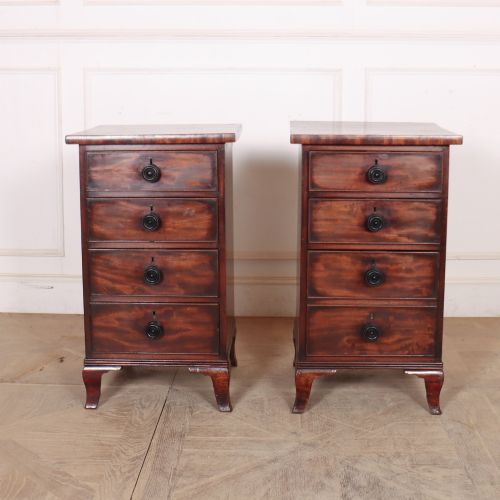
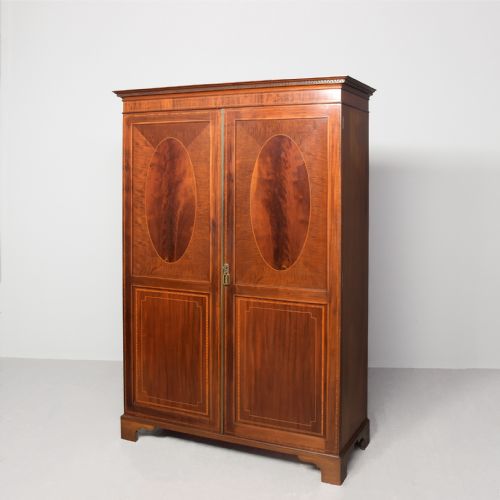
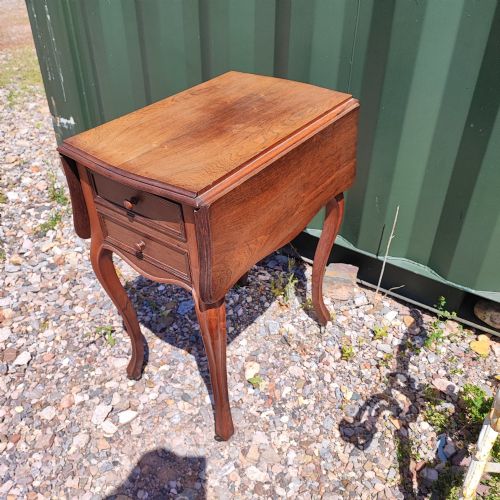


Rich Brown Wooden Cabinet
A rich brown wooden cabinet brings deep timber tones and practical storage to a room, offering everything from Georgian sideboards to Victorian bedside cupboards.
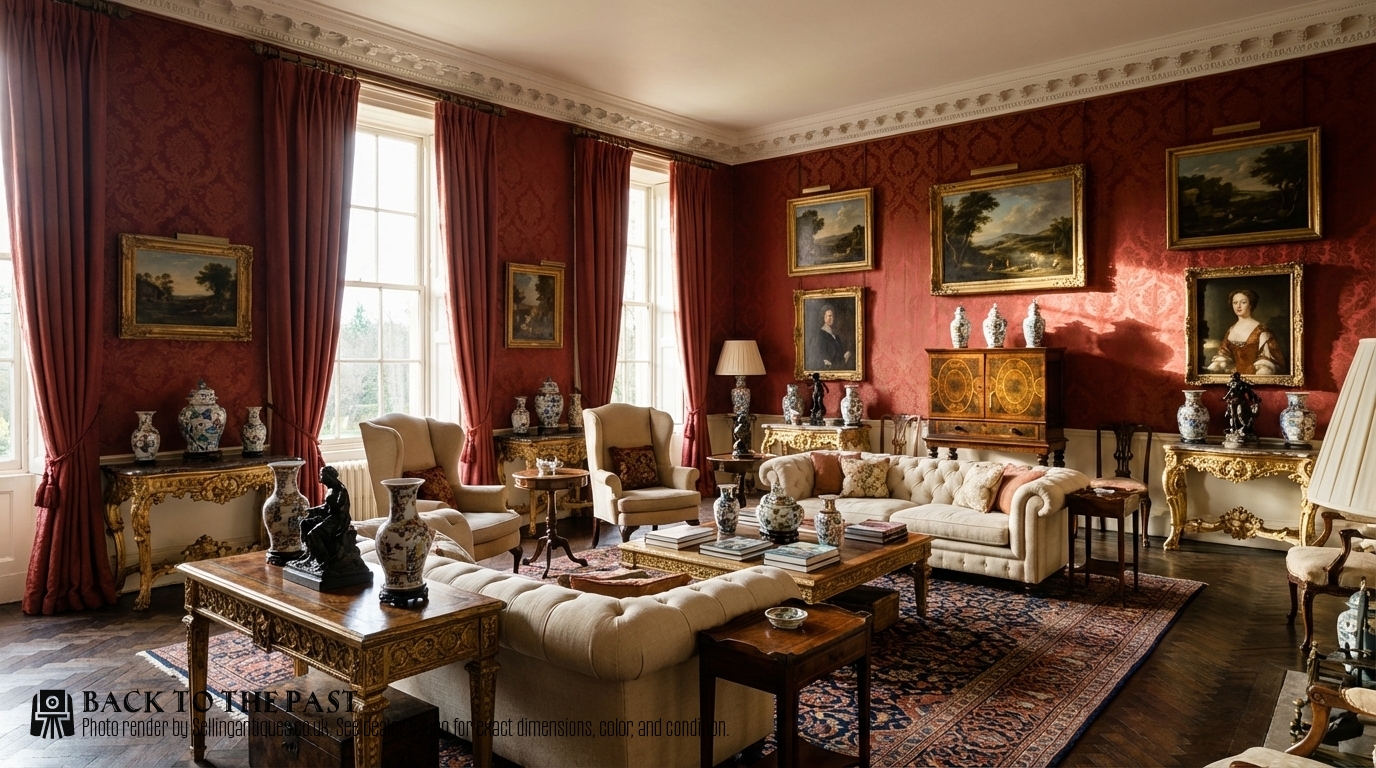
Rich Brown Wooden Cabinet
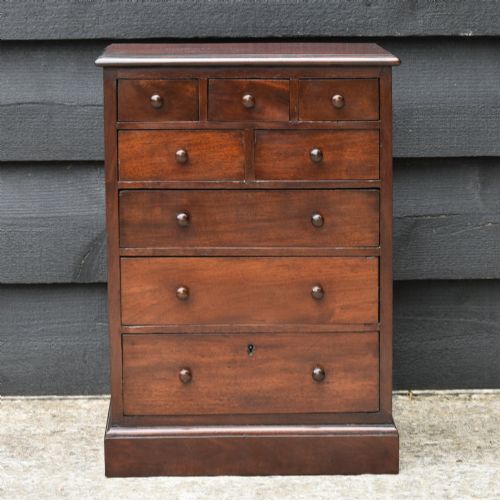
When searching for a rich brown wooden cabinet, buyers encounter a diverse selection of storage furniture spanning several centuries. The inventory ranges from compact miniature chests and bedside cupboards to large sideboards, dressers, and filing cabinets.
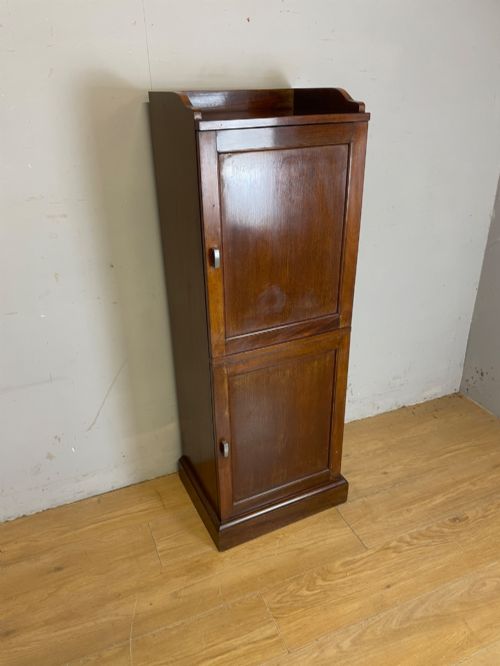
Victorian and Georgian pieces dominate the selection, often featuring deep mahogany, oak, and walnut timbers. Buyers frequently find sideboards, bedside tables, and specialised storage units such as microscope slide cabinets and spice cupboards.
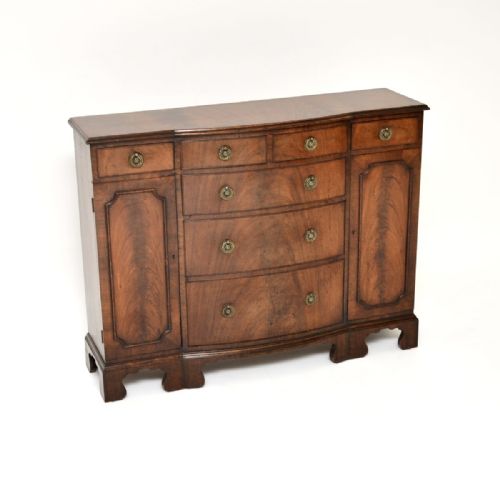
Forms vary significantly based on period and original function, including breakfront sideboards, pedestal cupboards, and secretaire bookcases. Solid timbers and rich veneers define the appearance of these functional antique furnishings.
How they were made
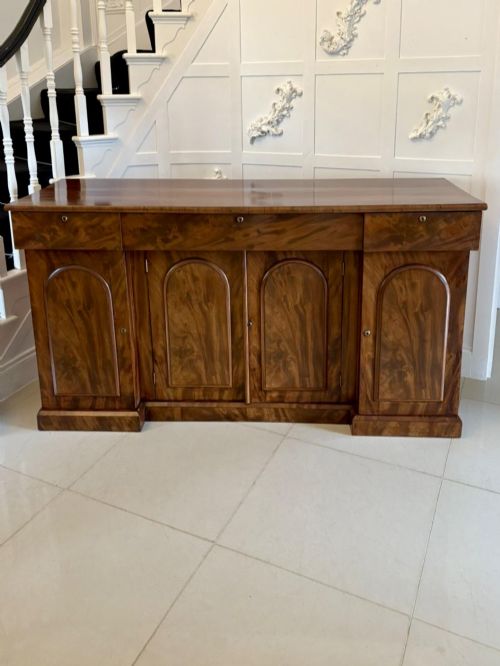
Cabinetmakers utilised solid timbers such as mahogany, oak, and walnut, frequently applying flame mahogany veneer or oyster veneer to drawer fronts and door panels. These woods deliver the deep brown colour and distinctive grain patterns characteristic of the period.
Construction techniques involve traditional joinery paired with brass hardware, glass panels, and satinwood banding for decorative contrast. Many items incorporate secondary timbers and specialised internal drawers designed for specific household or office uses.
Listings feature woods such as mahogany, oak, walnut, thuya wood, goncalo alves, and olive wood veneer.
What varies in quality
The refinement of the timber selection largely dictates the standing of a piece, particularly the depth of figure in flame mahogany, walnut, or plum pudding veneers. Superior examples display carefully matched grain patterns across doors and drawer fronts.
Execution of carved details and inlay work separates standard utility furniture from finer workshop output. Original brass handles, locks, and intact internal fittings further distinguish the better pieces in this category.
The Rich Brown Wooden Cabinet Glossary
- Veneer
- A thin layer of choice wood adhered to a base timber to provide an ornamental surface. Flame and oyster veneers create striking patterns on cabinet doors.
- Breakfront
- A cabinet or sideboard whose central section projects forward from the flanking outer sections. This architectural arrangement adds visual depth to large case pieces.
- Cellarette
- A lockable container or cabinet designed to hold bottles of wine and spirits. Examples from the Georgian and Regency periods often feature lead linings and internal dividers.
- Chiffonier
- A low sideboard or cabinet developed during the nineteenth century, typically featuring shelves or a small cupboard section. They provide compact storage for dining rooms and parlours.
- Secretaire
- A desk or cabinet incorporating a pull-down writing flap that conceals small drawers and pigeonholes. These dual-purpose units combine workspace with enclosed shelving.
Rich Brown Wooden Cabinet: Frequently Asked Questions
What periods do these cabinets come from?
The selection encompasses items from the seventeenth, eighteenth, nineteenth, and early twentieth centuries. Georgian and Victorian examples appear most frequently across the inventory.
Craftsmanship evolves through these eras, shifting from solid oak vernacular forms to highly figured mahogany and exotic veneer pieces created during the Regency and Victorian periods.
How do I identify a Georgian sideboard?
Georgian sideboards typically display balanced proportions, fine mahogany or satinwood banded timbers, and restrained classical detailing. Many feature tapering legs or pedestal bases.
Later Victorian interpretations often increase in scale, incorporating heavier carved ornamentation, four-door configurations, and breakfront layouts while retaining rich brown wood tones.
What is the difference between a chiffonier and a sideboard?
A chiffonier is generally smaller than a traditional sideboard and often includes a raised shelf or back panel above the main surface. They served similar dining room storage roles in nineteenth-century homes.
Sideboards offer more expansive surface areas and larger internal cupboard spaces, frequently designed to house dining silver, linen, or wine bottles.
How should I care for a mahogany cabinet?
Maintain the timber by keeping the cabinet away from direct heat sources and strong sunlight, which can dry out the wood and fade rich brown finishes. Regular dusting with a soft, dry cloth preserves the polished surface.
Applying quality beeswax occasionally helps nourish older wood veneers and maintains the natural lustre without building up heavy chemical residues.