
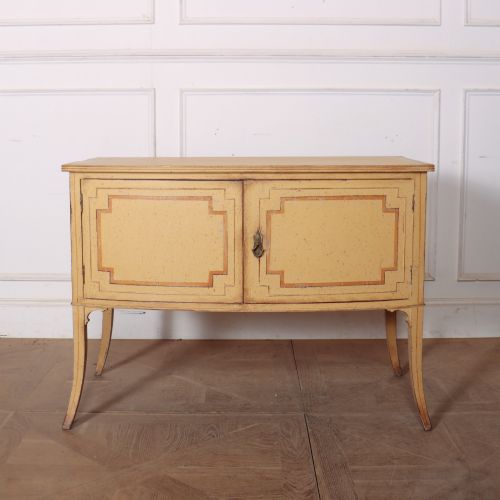


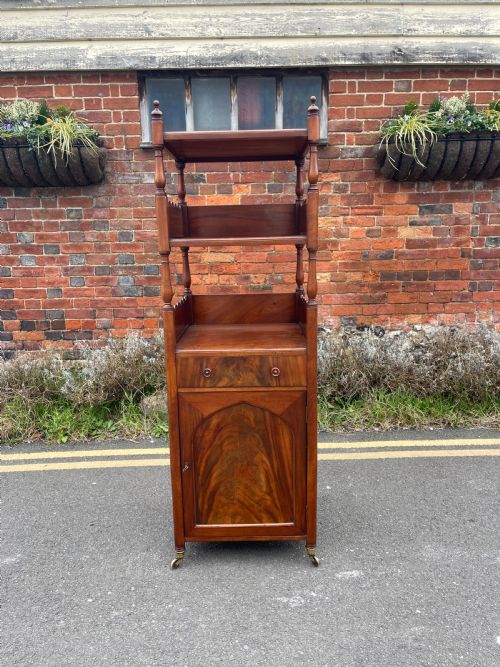
Antique Wooden Accent Cabinet
An antique wooden accent cabinet brings warmth and practical storage to a room, offering timeless character through rich timber and period craftsmanship.
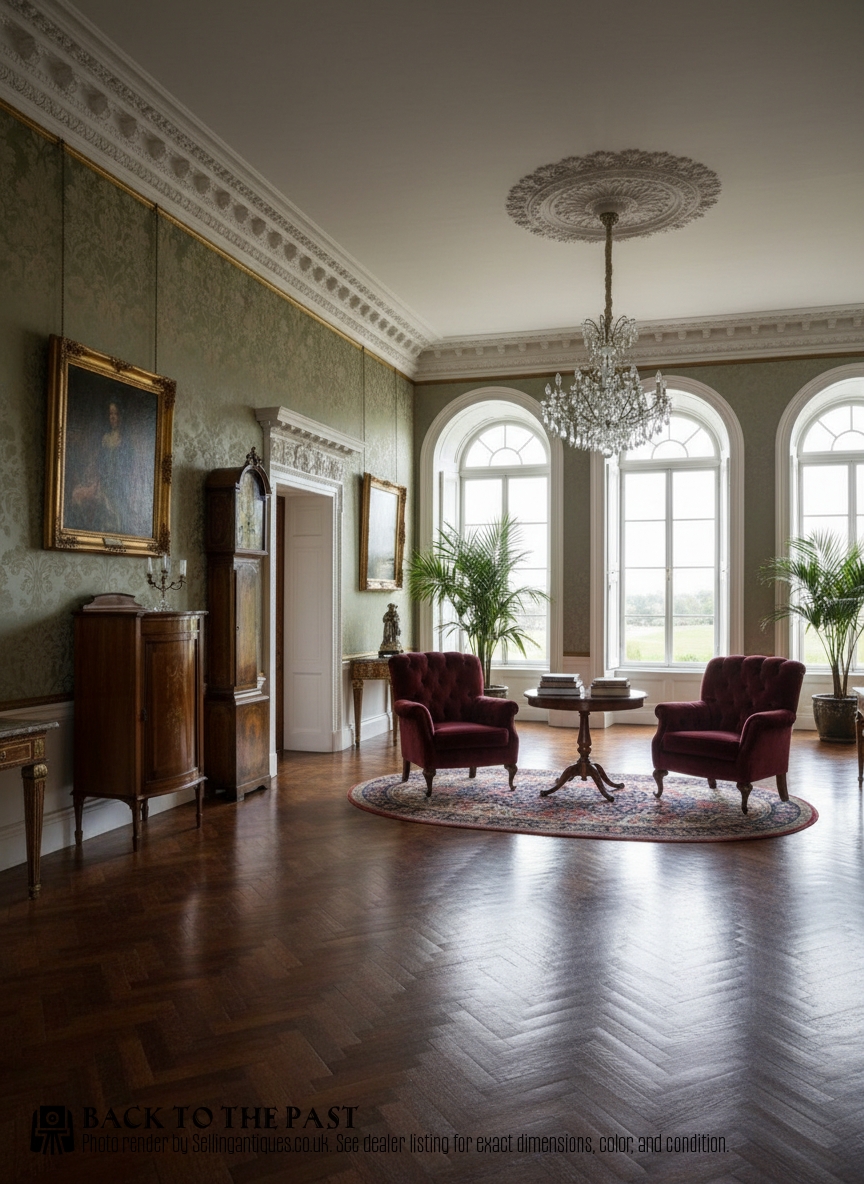
Antique Wooden Accent Cabinet
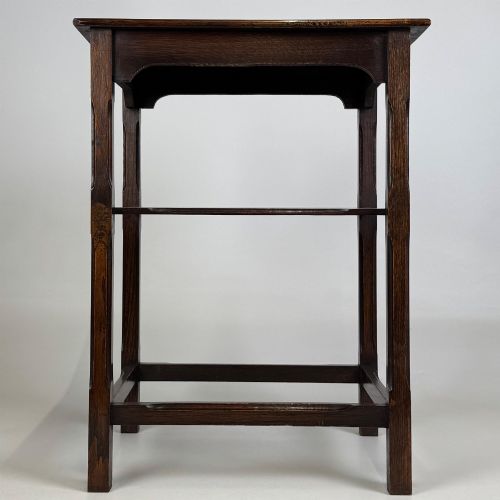
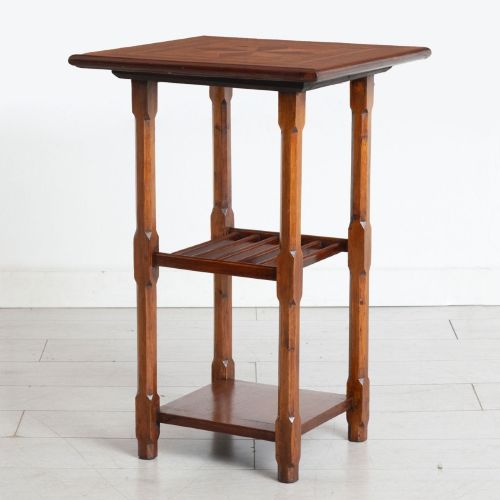
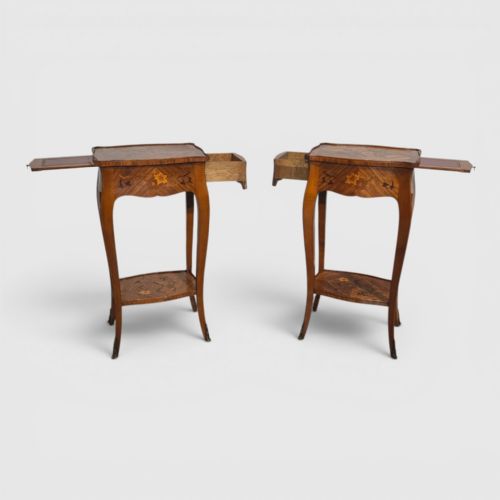
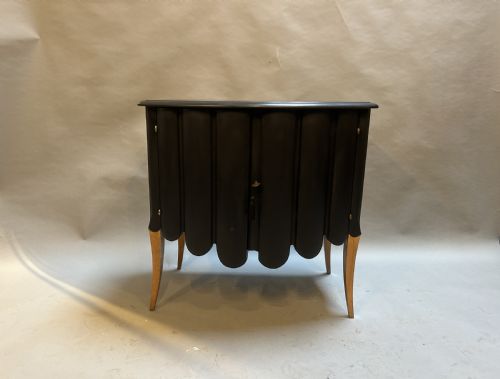
An antique wooden accent cabinet serves as a functional focal point in a room, combining useful storage with distinct period character. When searching for an antique wooden accent cabinet, buyers encounter diverse forms ranging from Victorian bedside tables and Edwardian display pieces to 1930s side cabinets and seventeenth-century cupboards on stands.
The materials and styles span centuries of craftsmanship, featuring solid and veneered timbers such as mahogany, oak, walnut, and pitch pine. Pieces often display regional and stylistic influences, including French marquetry, Arts and Crafts simplicity, Art Deco geometry, and English country house practicality.
These items function equally well as side tables, nightstands, and small cupboards, offering versatile placement options throughout the home. Selecting the right piece involves considering the specific era, timber grain, and proportions that suit modern interiors.
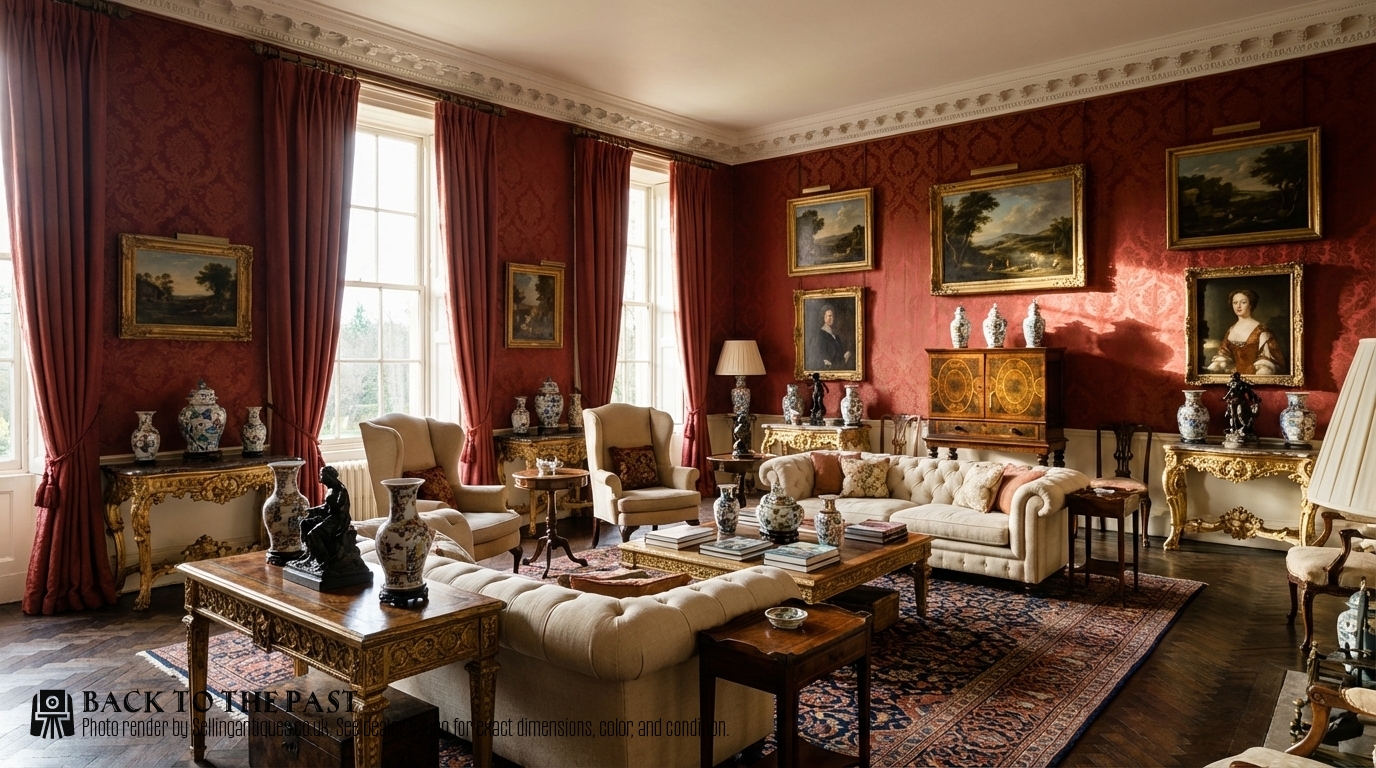
Factors that distinguish quality
The refinement of the timber selection and the precision of the joinery set superior examples apart from simpler utilitarian pieces. Finer cabinets exhibit thoughtful decorative details such as marquetry inlay, quarter-venner patterns, and carefully carved wooden elements.
Proportion and structural integrity also define the better specimens, where the harmony of the design matches the durability of the construction.
Even a diminutive nineteenth-century chiffonier manages to hold generations of accumulated secrets behind its tidy little doors.
Gabriel Viardot
The Antique Wooden Accent Cabinet Glossary
- Marquetry
- Decorative patterns created on wooden furniture by fitting small pieces of veneer into a fitted ground. This technique adds intricate pictorial or geometric detail to tabletops and cabinet doors.
- Whatnot
- A set of open shelves supported by pillars used for displaying ornaments or holding books. These freestanding pieces gained popularity during the Victorian and nineteenth-century periods.
- Chiffonier
- A low sideboard or cupboard featuring shelves or a small superstructure on top. Early Victorian examples often include enclosed lower storage alongside display surfaces.
- Oyster veneer
- Cut cross-sections of small branches or roots arranged to resemble the shells of oysters. This decorative wood treatment appears on seventeenth-century furniture.
- Canterbury
- A low stand fitted with partitions for holding sheet music, newspapers, or portfolios. Victorian variations frequently incorporate carved rosewood and small drawer compartments.
Antique Wooden Accent Cabinet: Frequently Asked Questions
What is an accent cabinet?
An accent cabinet is a small piece of furniture designed to provide both storage and visual interest in a room. These versatile items often serve as bedside tables, lamp tables, or compact side cupboards.
They allow owners to introduce historical character and rich timber tones into contemporary living spaces without dominating the room.
How do I date a wooden cabinet?
Dating a wooden cabinet involves examining the timber species, construction methods, hardware, and stylistic details. Different eras favoured specific woods like heavy oak in earlier centuries or mahogany and walnut in the Victorian and Edwardian periods.
Secondary woods used inside drawers and back panels also offer clues, along with the type of joinery and fastenings present in the piece.
Where should I place a side cabinet?
A side cabinet fits well in living rooms, hallways, or bedrooms where surface space and discreet storage are needed. Placing one beside a sofa or in an entryway creates a practical drop zone for small items.
Their compact proportions mean they work effectively in alcoves or tight corners that larger furniture cannot occupy.
How do I care for antique wood?
Caring for antique wood requires protecting it from direct sunlight and extreme temperature fluctuations that can cause timber to crack or warp. Regular dusting with a soft, dry cloth keeps the surface clean without abrasive chemicals.
Applying appropriate wax occasionally helps nourish the wood and maintain its natural lustre over time.