




Restoration Period Cabinet
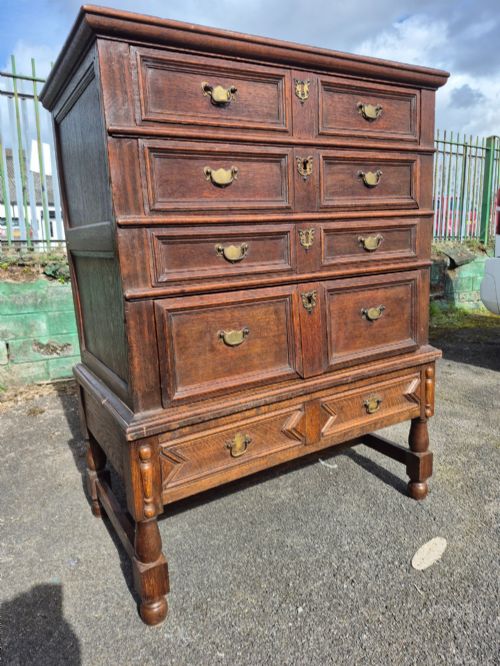
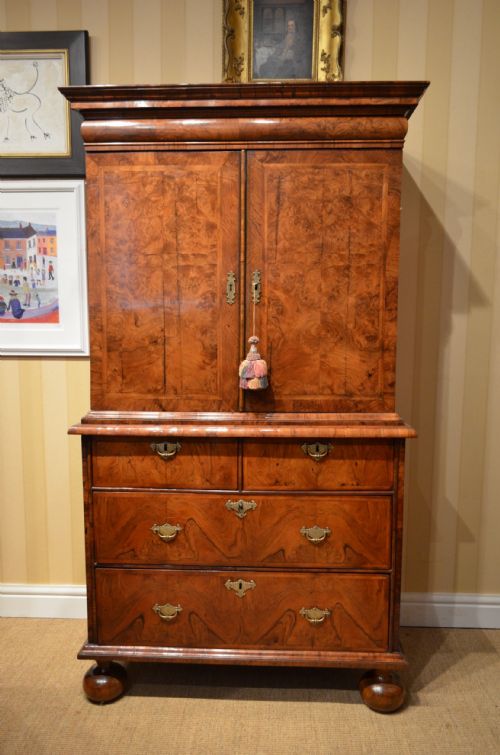
A restoration period cabinet brings the dense grain of walnut and olive wood into a room, offering heavy drawers and raised stands.
Restoration Period Cabinet
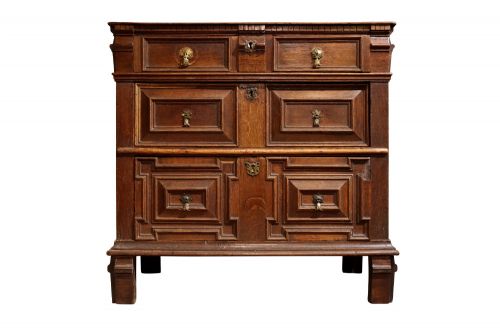
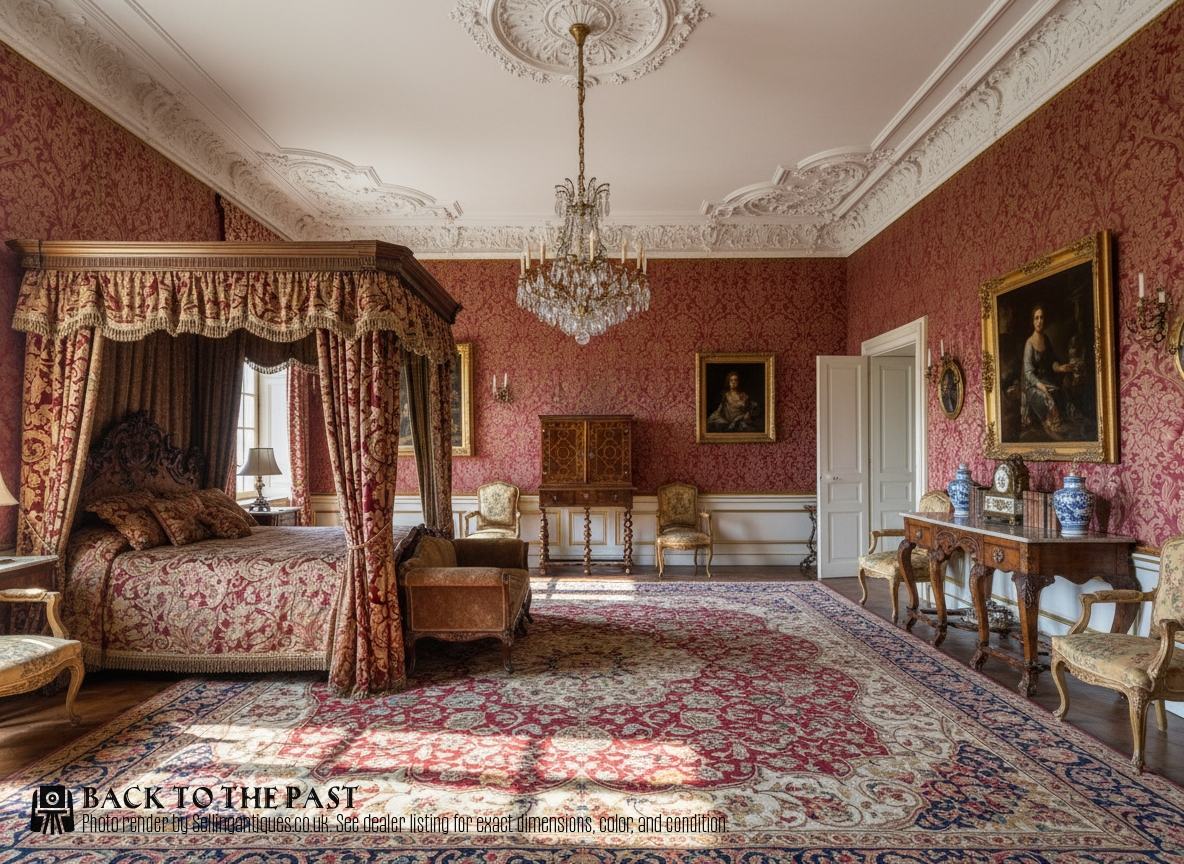
A restoration period cabinet encompasses tall chests of drawers, cabinets on stands, and bureau forms dating from the late seventeenth century. These substantial pieces emerge from the Charles II and William and Mary eras, built primarily in oak and walnut. Buyers meet chests of drawers and cabinets raised on tall stands most frequently on this page.
The forms combine heavy storage compartments with elevated supports, often taking the shape of a cabinet on a stand or a chest on chest. Interiors house multiple small drawers behind larger doors, resting on sturdy legs joined by stretchers. Proportions remain broad and heavy, designed to anchor a principal room.
Origins span seventeenth-century English workshops employing continental veneering traditions. Pieces align with Baroque stylistic traits, featuring moulded fronts and geometric paneling. The selection focuses heavily on walnut, burr walnut, and olive wood structures.
Materials and construction
Carpenters built the carcase using solid oak as a sturdy structural timber, applying decorative veneers across the visible exterior surfaces. Walnut and olive wood provided the primary surfaces, sliced into thin sections to create patterned grain effects. Craftsmen also utilised kingwood, boxwood, and brass for contrasting inlay and hardware.
Oyster veneering became a defining technique, slicing small branches of olive or walnut transversely to produce circular patterns resembling oyster shells. These roundels were laid closely together across drawer fronts and cabinet doors, then bordered with boxwood stringing. Lustrous finishes protected the timber while highlighting the natural figuring.
Joinery relied on traditional framing and panel methods to accommodate seasonal timber movement. Chests sat upon raised stands joined by moulded stretchers, distributing the heavy weight of the upper cabinet.
Branch wood sliced thin like oysters turns plain tree limbs into swirling wooden seas.
Markers of quality
The choice and arrangement of surface veneers dictate the visual hierarchy of the piece. Finer examples display meticulous matching of burr walnut or symmetrical oyster rings across every drawer front and door panel. Lesser items use plain timber or show irregular grain alignment without decorative banding.
The complexity of the form and the integrity of the stand influence the distinction between standard and superior pieces. Cabinets raised on original stands with integrated drawer configurations demand higher craftsmanship than simple floor-standing chests. The presence of matching brass hardware and inlaid boxwood stringing further separates high-status examples from plain vernacular work.
Nehemiah Cloudesley
The Restoration Period Cabinet Glossary
- Oyster veneer
- A method of cutting small branches across the grain to produce small, circular wooden discs resembling oyster shells. These were arranged in geometric patterns across seventeenth-century cabinet doors and drawer fronts.
- Cabinet on stand
- A case furniture form featuring a main storage compartment elevated on a separate frame with legs. The stand often incorporates stretchers for structural stability.
- Burr walnut
- A prized wood harvested from walnut tree growths, producing swirling, highly figured grain patterns. It was sliced into thin veneers for high-status cabinet furniture.
- Stringing
- Thin inlay lines of a contrasting wood, such as boxwood, inserted into grooves to outline panels and drawers. This technique added linear definition to veneered surfaces.
- Charger plate
- A large decorative metal plate, typically pewter, used for serving or display during the seventeenth century. These items feature raised rims and circular profiles.
Restoration Period Cabinet: Frequently Asked Questions
What is a cabinet on stand?
A cabinet on stand is a two-part furniture form where a large enclosed storage section rests on an elevated base with legs. The upper portion typically contains multiple small drawers behind doors.
These pieces were designed to hold valuables and textiles, keeping them off damp floors while presenting a commanding visual presence in a room.
How do you identify seventeenth-century walnut furniture?
Seventeenth-century walnut furniture is identified by its dense timber construction, characteristic brown grain, and the extensive use of veneering techniques. Baroque design elements such as moulded drawer fronts and geometric panels are standard.
Many examples utilise oyster veneers or burr walnut surfaces framed by contrasting boxwood stringing, sitting upon sturdy stands with stretchers.
Where should I place a restoration cabinet?
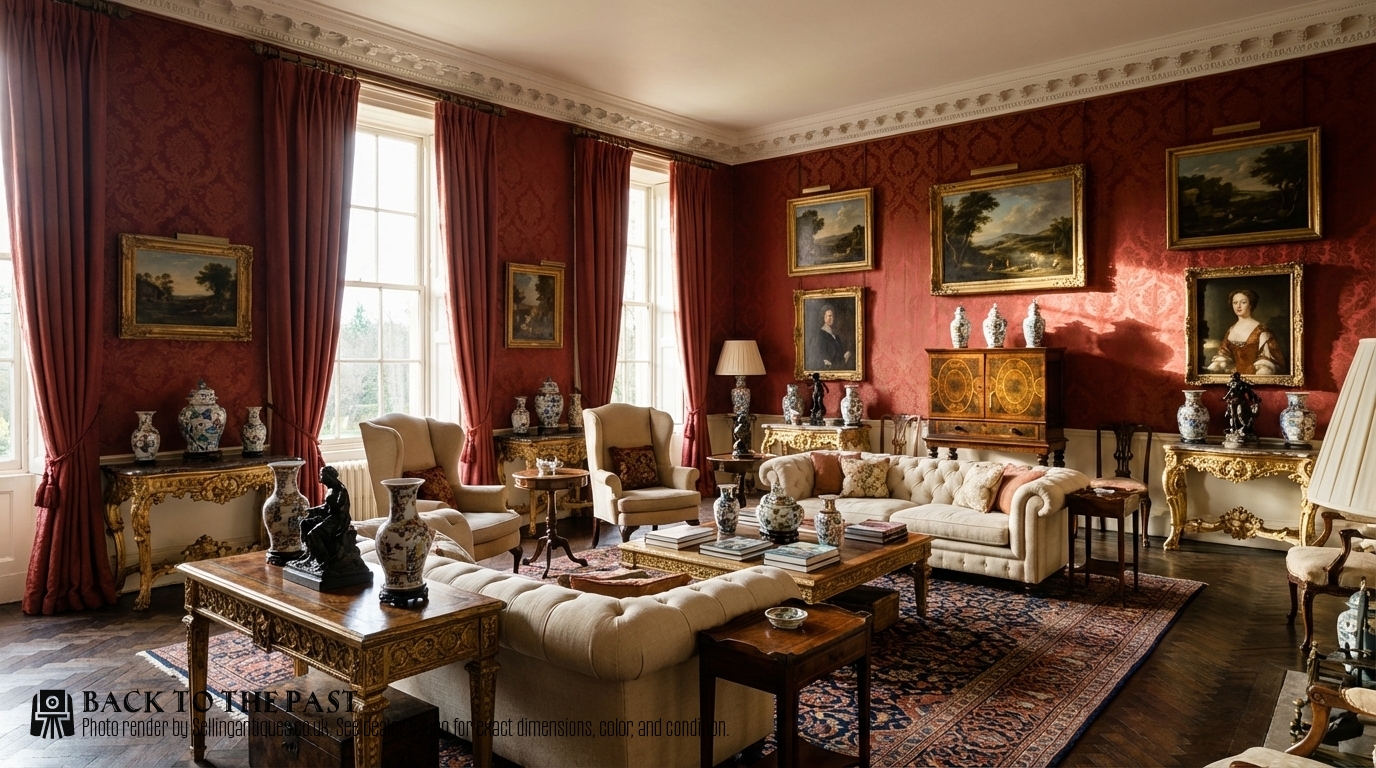
A restoration cabinet suits a principal reception room or hallway where its heavy proportions and figured wood grain can be appreciated. It functions well against a solid wall away from direct sunlight and heat sources.
The elevated stands and deep drawers provide substantial display and storage space without overwhelming floor layouts.
What distinguishes Charles II furniture?
Charles II furniture is characterised by robust construction, heavy mouldings, and the introduction of sophisticated veneering traditions from the continent. Oak and walnut remain the primary structural woods.
Pieces from this era often feature strong architectural lines, intricate geometric paneling, and sturdy stands that reflect the restoration of the monarchy.