



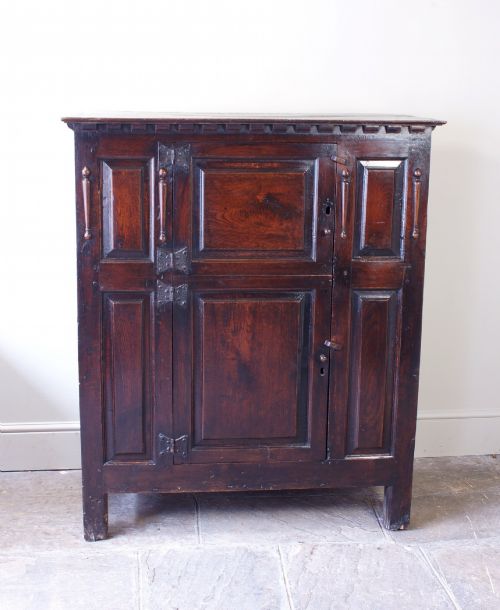


Seventeenth Century Storage Cabinet
These seventeenth century storage cabinet pieces bring centuries of timber and honest craftsmanship directly into a room.
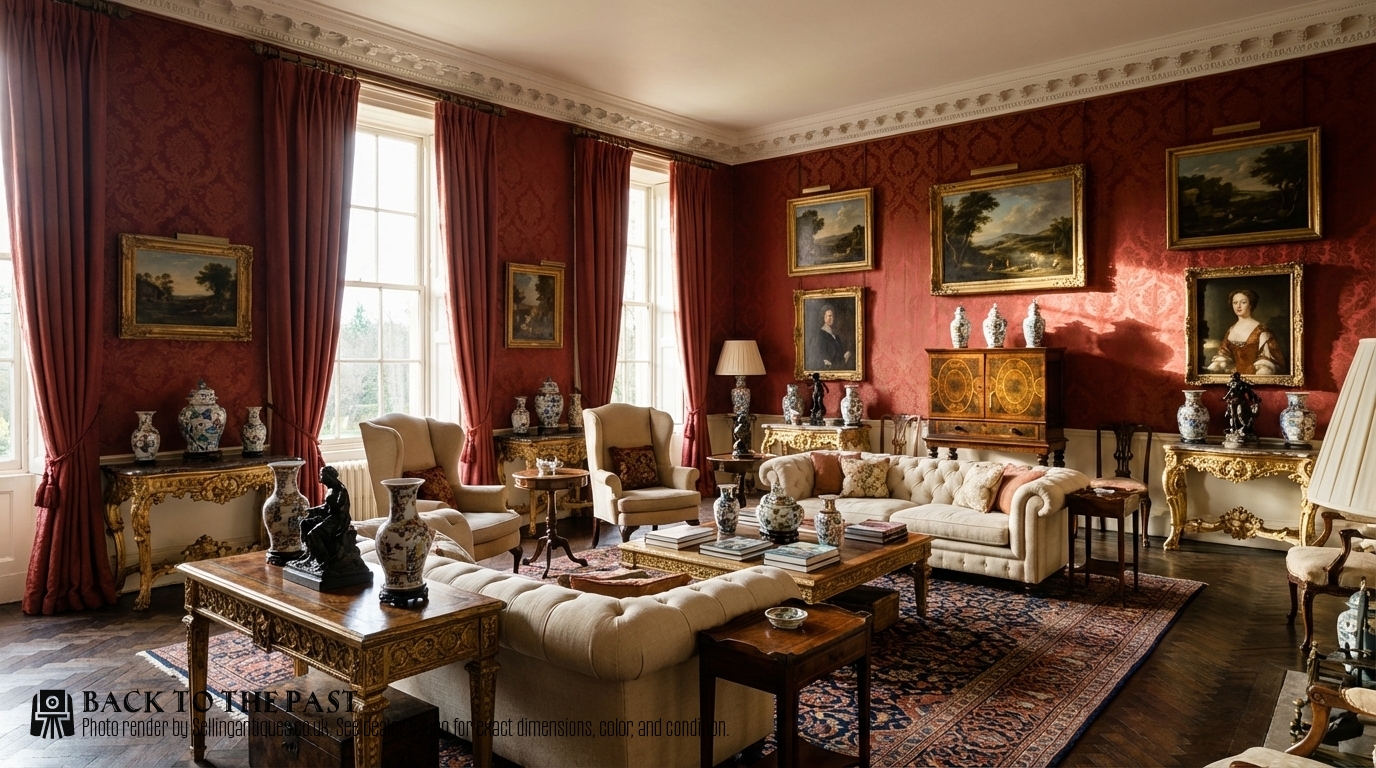
Seventeenth Century Storage Cabinet
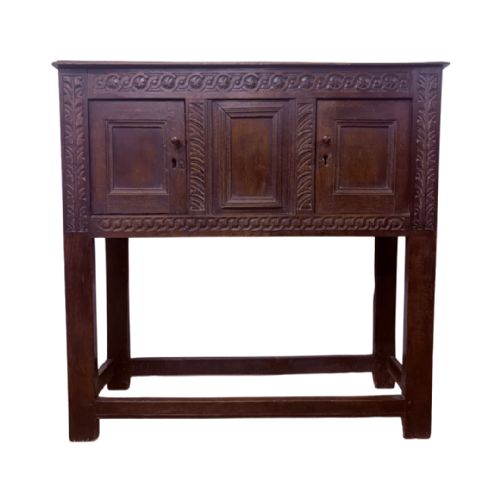
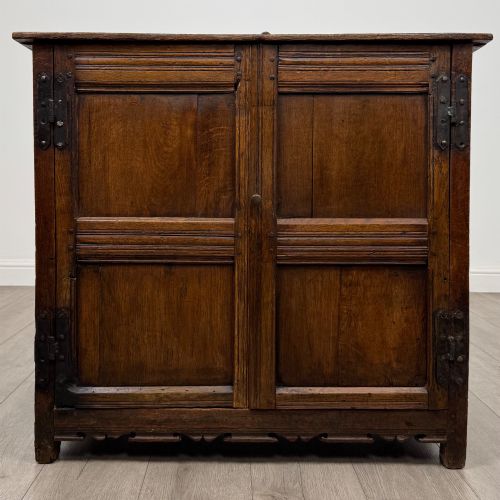
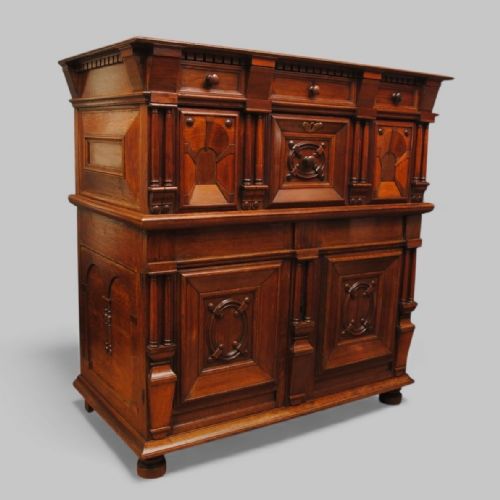
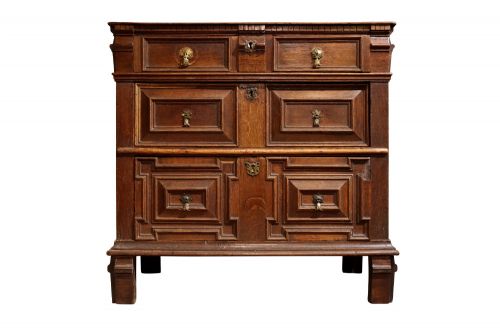
When a buyer searches for a seventeenth century storage cabinet, they are looking for sturdy functional furniture built to hold household goods. The selection includes joined oak cupboards on stands, geometric chests of drawers, hutch forms, and court cupboards.
The versions most likely to be met on this page span genuine seventeenth century work alongside later revival interpretations from the nineteenth and early twentieth centuries. These encompass Jacobean and William and Mary styles, showing regional British cabinet making traditions.
Forms range from tall court cupboards and fitted cupboards to side cabinets and chests of drawers in mixed woods. Each piece reflects the domestic storage needs of its period, utilising panelled doors, drawers, and enclosed shelving.
How they were made
Construction relies heavily on English oak, often combined with walnut, fruitwood, and olive wood for decorative contrast. Timber was joined using traditional framing methods, pegged joints, and panelled construction to accommodate seasonal movement in the wood.
Surface decoration involves hand carving, geometric moulding, and specialised techniques such as oyster veneering. Iron and brass hinges, locks, and handles provide functional hardware that secures the doors and drawers.
Some chests hide their contents behind geometric patterns so complex they double as visual puzzles for wandering fingers.
What varies in quality
Quality separates top examples through the crispness of hand carving, the choice of timbers, and the integrity of the original construction. Superior pieces retain their early hardware, uncompromised timber surfaces, and precise geometric mouldings.
Later revival pieces and heavily restored examples vary according to how closely they adhere to seventeenth century methods and timber selection. The depth of patination on the wood and the harmony of the proportions dictate the standing of an individual piece.
The Seventeenth Century Storage Cabinet Glossary
- Joined oak
- Furniture constructed using mortise and tenon joints secured with wooden pegs rather than modern fasteners. This method provides the structural skeleton for seventeenth century case pieces.
- Court cupboard
- An ornate standing cupboard featuring tiers of open or enclosed shelving used for displaying plate. These pieces often display detailed carving along the upper frieze and supports.
- Oyster veneer
- Slices cut transversely from small branches to create circular patterns resembling oyster shells. This decorative technique appears on refined surfaces alongside walnut and olive wood.
- Jacobean style
- Design aesthetic spanning the early seventeenth century characterised by geometric panels and strapwork carving. Revival versions of this style emerge in later nineteenth and twentieth century furniture.
- Geometric chest of drawers
- Storage furniture featuring applied mouldings arranged in repeating geometric patterns across the drawer fronts. These designs create strong shadow lines on oak and walnut surfaces.
Seventeenth Century Storage Cabinet: Frequently Asked Questions
What is a court cupboard?
A court cupboard is an enclosed storage piece designed with multiple levels for household display and storage. They typically feature carved supports and panelled doors.
These units served practical functions in early dining halls and parlours before evolving into collector pieces.
How do I identify seventeenth century oak?
Seventeenth century oak exhibits natural medullary rays, often referred to as silver grain, visible across the sawn timber surface. The wood develops a deep, dark patination through centuries of handling and exposure.
Genuine pieces show traditional tool marks and pegged joinery rather than modern machine cutting.
Where were these cabinets made?
Most pieces originate from British workshops utilising native English oak alongside imported woods like walnut. Regional cabinet makers built these items for domestic use in country houses and town dwellings.
Revival pieces from later centuries often mirror these traditional British forms and materials.
How should I care for old oak?
Old oak requires stable room humidity and protection from direct sunlight to prevent timber shrinkage and splitting. Periodic application of traditional wax helps nourish the dry wood surface.
Avoid placing these heavy cabinets near active heat sources which can stress the historic joints.