

Antique Freestanding Display Shelf
An antique freestanding display shelf provides practical surface area for books and objects while anchoring a room with period character.
Antique Freestanding Display Shelf
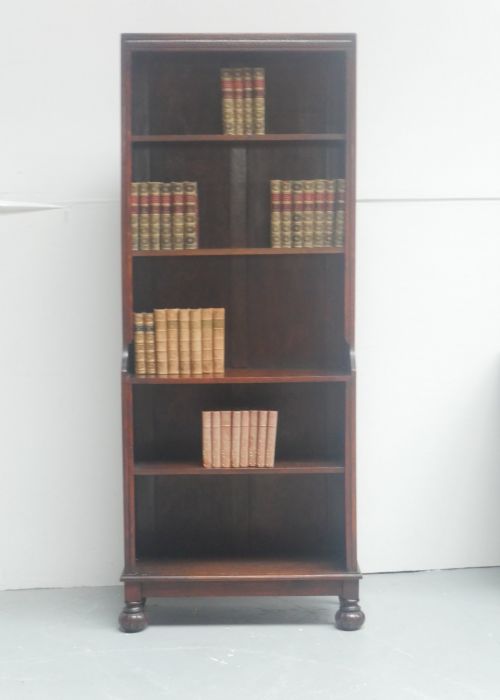
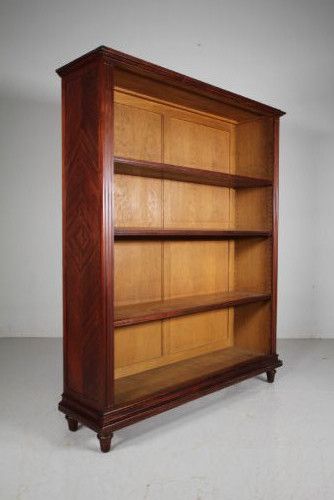
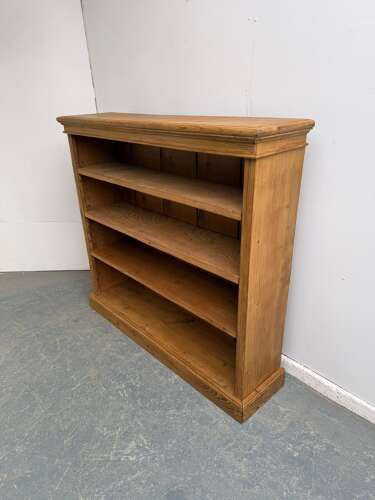
An antique freestanding display shelf encompasses open bookcases, whats-not, corner shelves, and bakers racks designed to stand away from the wall without built-in fixings. These items appear across the nineteenth century, the Edwardian era, and into the 1920s and 1930s, reflecting changing domestic storage needs.
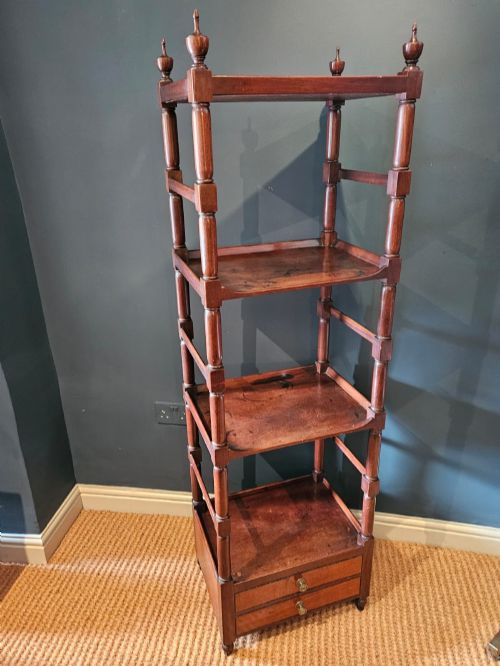
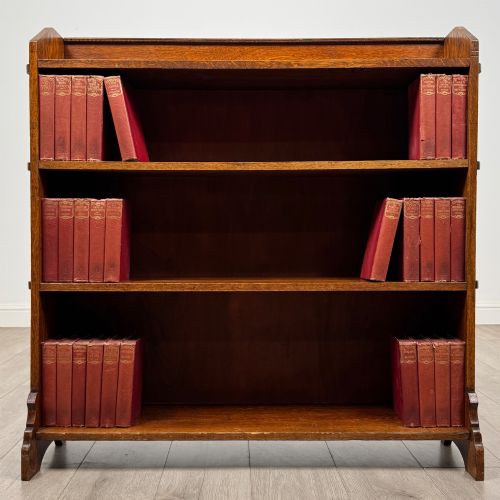
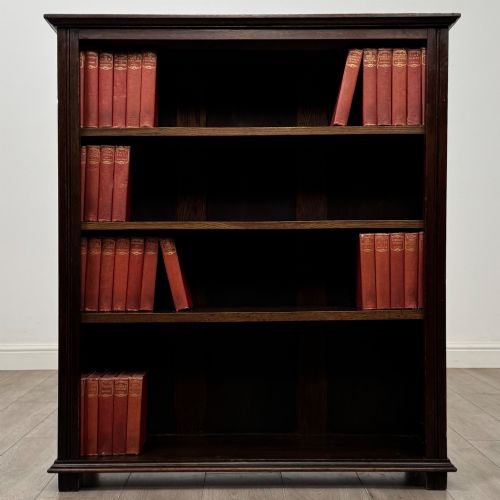
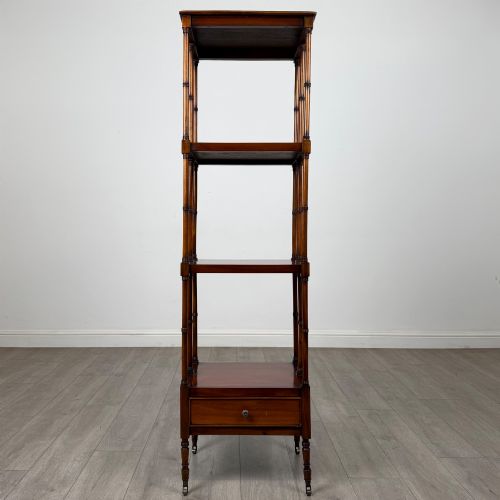
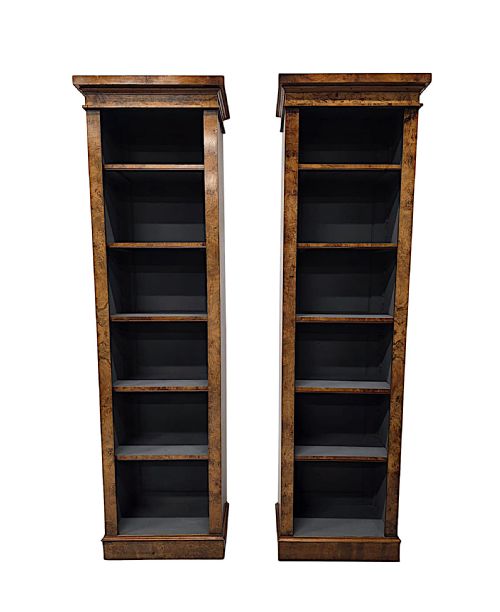
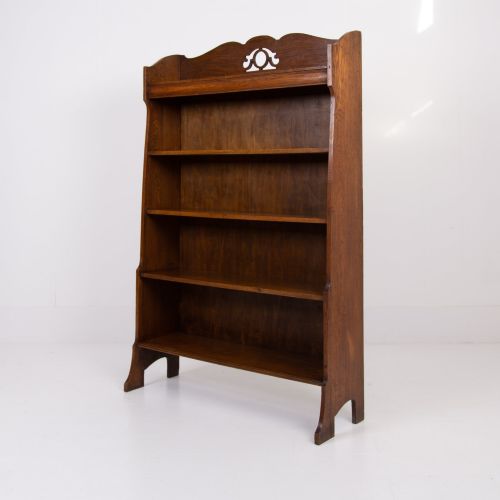
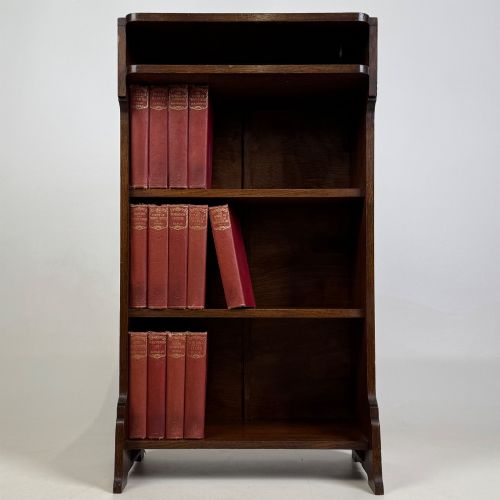
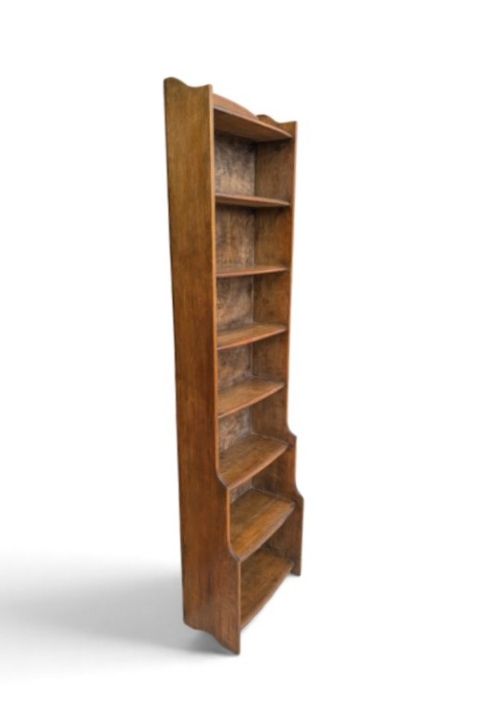
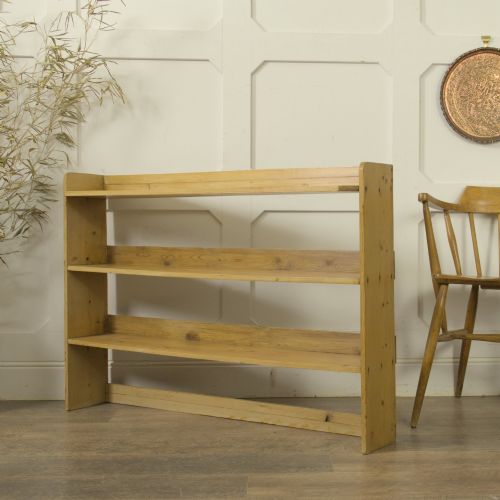
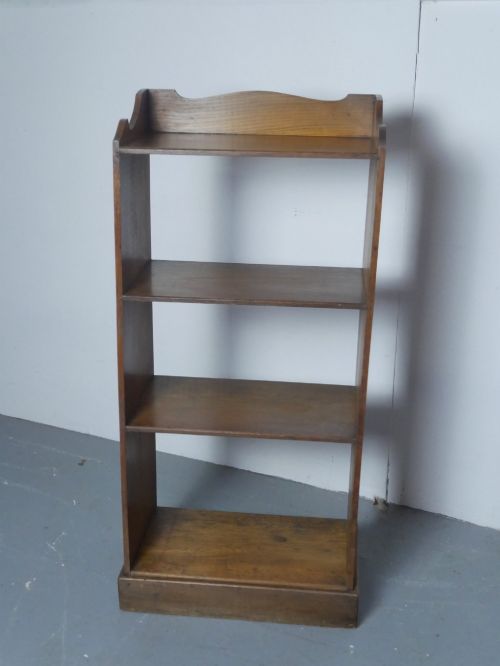
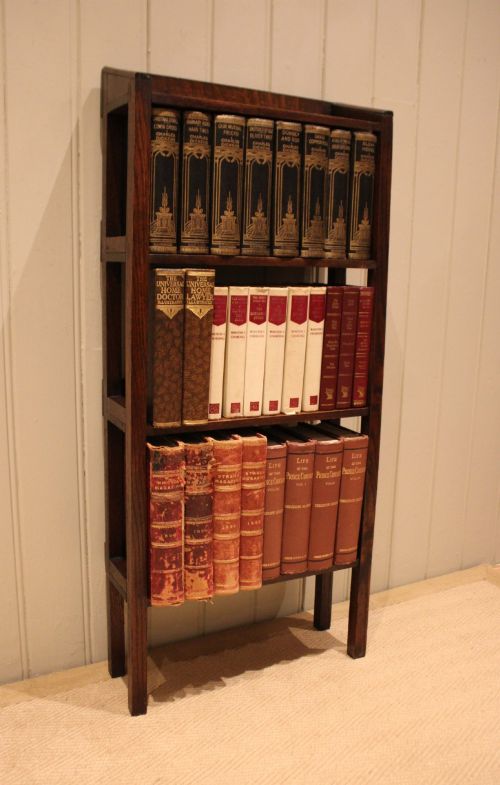
The most common version met on this page is the Edwardian or early twentieth-century open bookcase in oak, alongside Victorian pine bookshelves and multi-tiered mahogany whats-nots. Makers utilised these versatile forms to display books, ceramics, and personal collections in sitting rooms and libraries.
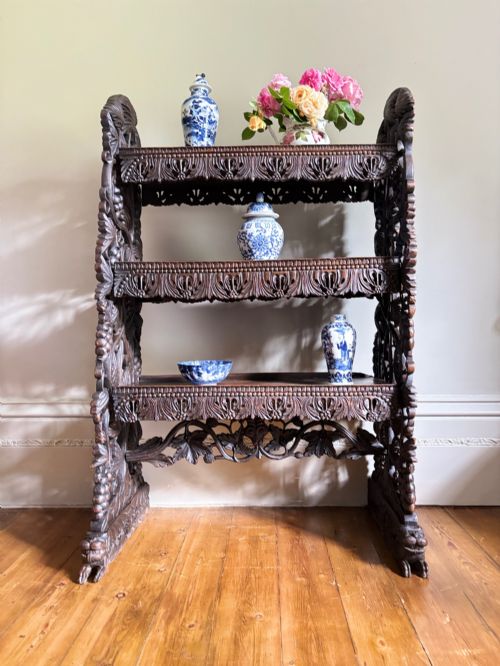
The evidence shows diverse regional and stylistic expressions, ranging from English arts and crafts oak pieces to French industrial patisserie racks and Anglo-Indian padauk shelves. Each form serves the primary function of holding objects at a accessible height while showing the natural grain of timber or the structure of metal.
Materials and construction
Cabinet makers relied heavily on timber such as oak, mahogany, walnut, and pine, selecting planks for durability and decorative grain figures. Joinery involved traditional methods to ensure stability across multiple tiers of shelving without relying on wall support.
Metal elements appear in pieces like wrought iron bakery racks and brass fittings, where structural framing supports heavy glass or wooden surfaces. French industrial and patisserie racks utilise robust iron scroll-work and steel mesh alongside traditional timber boards.
Finishes ranged from waxed pine and polished mahogany to the decorative cut-outs seen on arts and crafts oak furniture. Adjustable shelves feature in several designs, allowing owners to alter the internal layout to accommodate varying book heights and display items.
Dubois of Lyon left us a towering nine-foot iron bakery rack, proving that nineteenth-century French bread required industrial engineering.
Distinctions in quality
Quality rests upon the selection of timbers, such as burr walnut or figured mahogany, versus plain utility pine or standard oak. Superior pieces demonstrate careful matching of wood veneers and harmonious proportions across tiers and cornices.
The integrity of the construction dictates longevity, separating sturdy exhibition pieces with fine carving and mouldings from simpler utilitarian shelving. Refined details like decorative cut-outs, adjustable shelf mechanisms, and integrated cupboard bases elevate a piece above standard domestic joinery.
Dubois of Lyon
The Antique Freestanding Display Shelf Glossary
- Bakers Rack
- A tall metal or wood shelving unit originally used in French patisseries and bakeries for cooling goods. These utilitarian pieces now serve as robust freestanding display furniture.
- Open Bookcase
- A bookcase lacking doors, allowing immediate access to the volumes stored within. Edwardian and nineteenth-century examples often incorporate adjustable wooden shelves.
- Arts and Crafts
- A design movement favouring honest construction, local materials, and visible craftsmanship. Pieces from this tradition often display decorative cut-outs and plain oak surfaces.
- Padauk
- A dense tropical hardwood prized for its deep reddish-brown colour and strength. Anglo-Indian examples utilise this material for richly grained shelving units.
Antique Freestanding Display Shelf: Frequently Asked Questions
What is an antique whatnot?
A whatnot is a multi-tiered freestanding shelf unit designed specifically for displaying small ornaments, decorative plates, and books. These pieces use slender vertical supports to create an open, airy structure that stands away from the wall.
Victorian and Regency examples often feature three or more levels, sometimes combining open shelves with a small enclosed cupboard at the base. They provide vertical storage without dominating the floor space of a room.
How do I style a freestanding display shelf?
Styling an open shelf involves balancing books with decorative objects, ceramics, and framed items across the different tiers. Grouping items by height and colour creates visual harmony while keeping the arrangement accessible.
Allowing some empty space on the shelves prevents the unit from looking overcrowded and highlights the timber grain or metal framework of the piece itself.
Where were bakers racks originally used?
Bakers racks and patisserie racks originated in nineteenth-century France as utilitarian furniture for commercial kitchens and bakeries. They were built from wrought iron, steel, and heavy wood to hold cooling bread and pastries.
Today, these industrial pieces function as durable freestanding display units in domestic kitchens, living rooms, and garden rooms, valued for their robust metal frames and open wire or timber shelves.