




Rice Paper Painting
A rice paper painting is a delicate traditional Chinese export artwork executed on pith, treasured for its luminous surface and vibrant pigments.
Rice Paper Painting
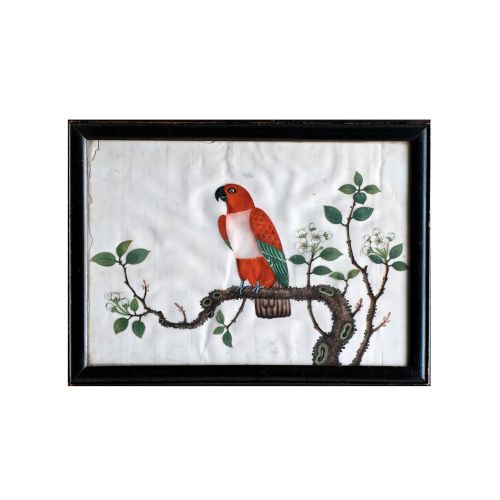
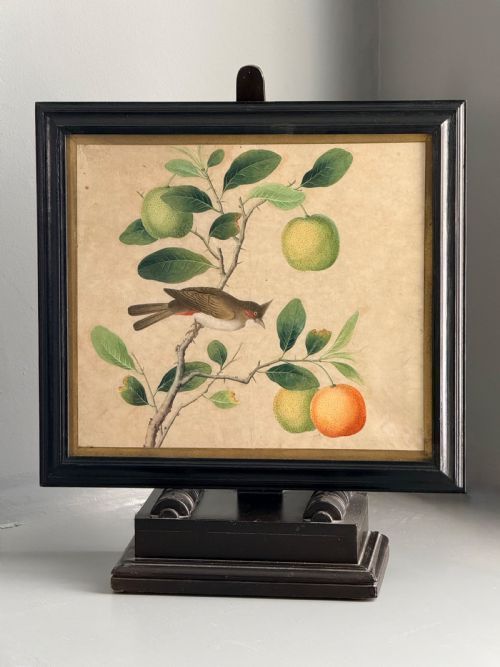
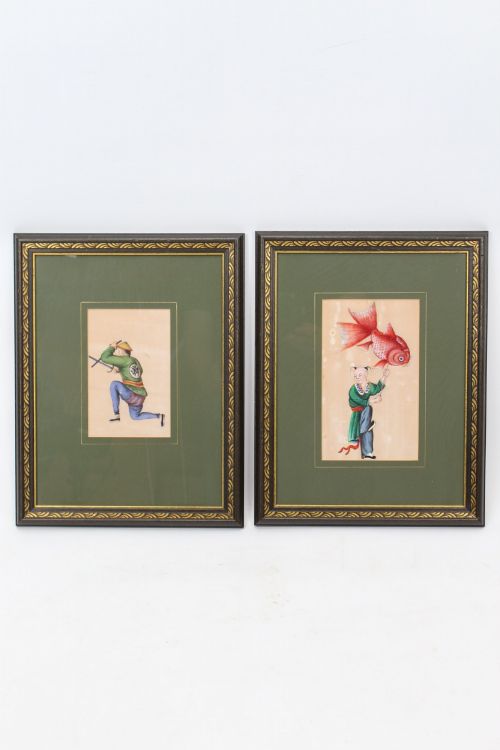
When you search for a rice paper painting, you are examining delicate works created for the export market during the Qing dynasty and subsequent periods. These delicate works capture flora, fauna, and figural scenes intended to satisfy Western curiosity about Chinese life and nature.
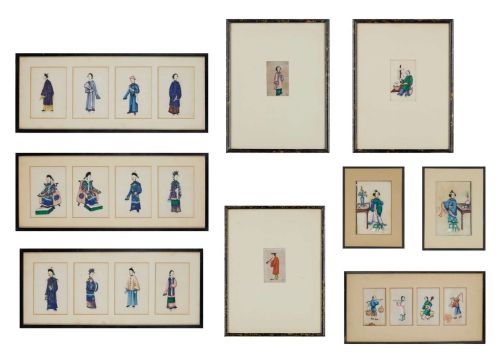
The pieces you are most likely to meet on this page date from the nineteenth century, including single framed sheets as well as substantial sets of paintings. Subjects range from individual parrots and butterflies to extensive series depicting court figures and local trades.
Materials and construction
These works are painted on pith paper, a spongy and cellular material sliced from the stem of the Tetrapanax papyrifer plant rather than true milled paper. This unusual botanical substrate possesses a unique velvet-like texture that absorbs water-based pigments in a distinct manner.
Artists applied gouache and watercolour directly onto the pith surface, building up dense layers of opaque colour that sit on top of the cellular structure. Finished paintings were frequently housed in wooden frames, sometimes with ebonised finishes, or mounted behind glass for protection.
Rice Paper Painting Retail Price Guide 2026
Typical asking prices for rice paper painting among the pieces listed under this phrase on Sellingantiques today, from the lower quarter to the upper quarter. They describe what is for sale here now, not the wider market.
Current listings feature works executed in gouache and watercolour on pith paper, presented in wooden and ebonised frames.
Assessing quality and execution
Quality in these works is defined by the fineness of the brushwork and the vibrancy of the gouache pigments used by the artist. Superior examples display meticulous detail in the rendering of insect wings, bird plumage, and facial expressions.
The completeness of a series also influences the character of the piece, with assembled sets of twelve or twenty-one items offering a more comprehensive narrative than isolated sheets. Furthermore, the condition of the fragile pith substrate and the stability of the framing preserve the visual impact over time.
The Rice Paper Painting Glossary
- Pith paper
- A delicate material sliced from the pith of the Tetrapanax papyrifer plant. It is commonly misnamed rice paper due to its appearance.
- Gouache
- An opaque water-based paint consisting of pigment, water, and a binding agent such as gum arabic. It provides the rich and dense colour seen on these sheets.
- Chinese export art
- Goods produced in China specifically for Western markets from the seventeenth century onwards. These paintings formed a significant part of that trade.
- Ebonised wood
- Timber treated to resemble ebony, often utilised for framing nineteenth-century works. This dark finish creates a strong visual contrast with the colourful paintings.
Rice Paper Painting: Frequently Asked Questions
What is a rice paper painting?
A rice paper painting is a historical artwork created on pith paper rather than traditional rice paper. Artists used gouache and watercolour to depict Chinese subjects for the export market.
These pieces date predominantly from the nineteenth century and capture subjects ranging from botanical studies to figural scenes.
How should I frame and display them?
These works require careful framing behind glass to protect the fragile pith paper from atmospheric moisture and physical damage. Keep them away from direct sunlight to prevent the gouache pigments from fading.
Professional mounting ensures the delicate sheets remain flat and secure within their wooden or ebonised frames.
How do I date these paintings?
Dating relies on stylistic clues, framing materials, and the context of the Qing dynasty export trade. Most available pieces originate from the nineteenth century.
Sets often provide additional historical context through their mounting styles and the specific subjects depicted by the artists.
Why is it called rice paper?
Early European traders and collectors incorrectly assumed the spongy plant material used for the paintings was manufactured from rice. In reality, the substrate is sliced from the pith of a shrub native to Taiwan and southern China.
Despite the persistent misnomer, conservators and dealers refer to the authentic material as pith paper.