





Framed Botanical Bird Artwork
Framed botanical bird artwork brings together natural history and fine execution, offering timeless ornithological studies for the wall.
Framed Botanical Bird Artwork
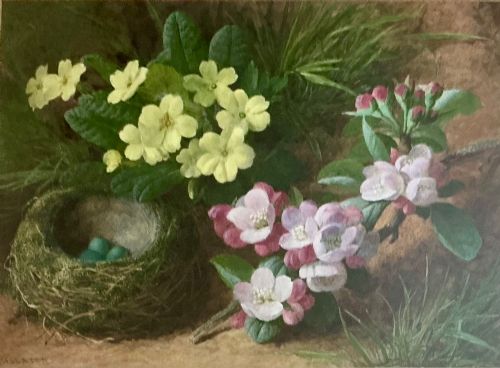
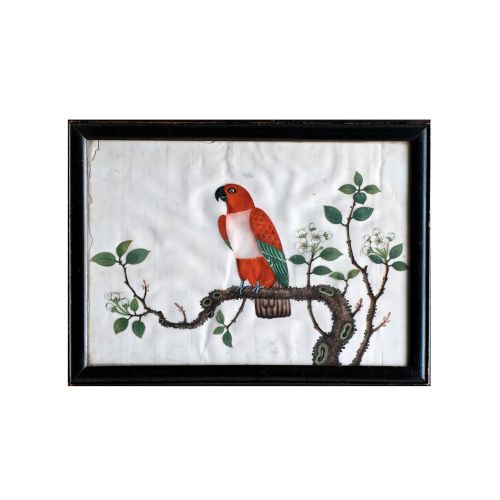
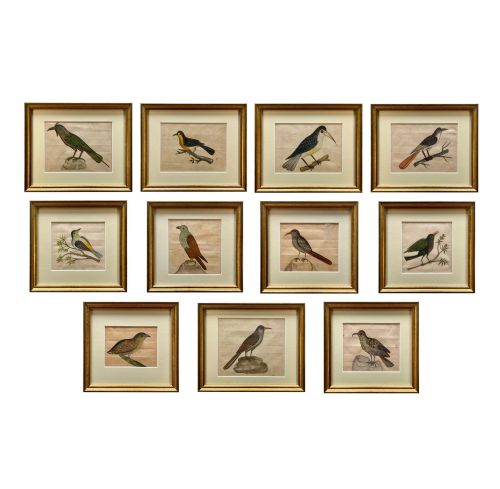
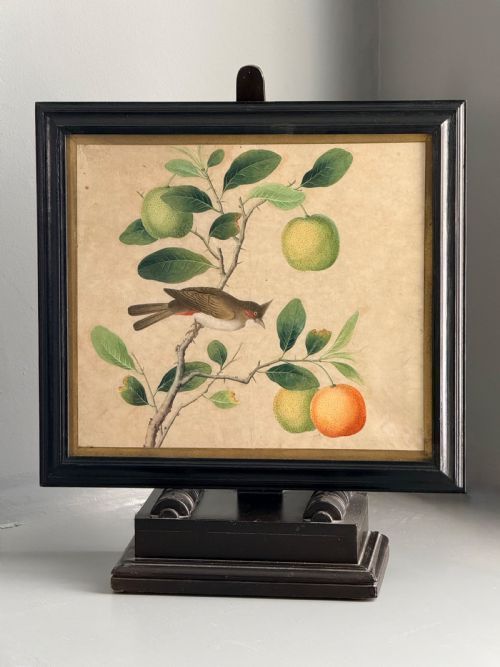
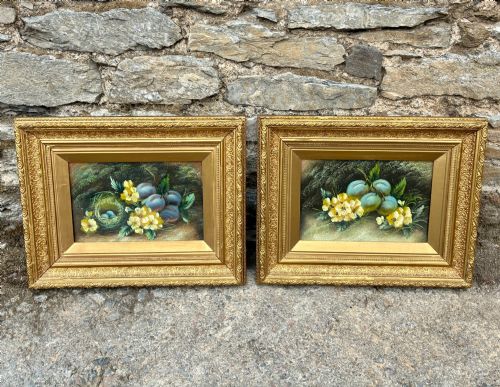
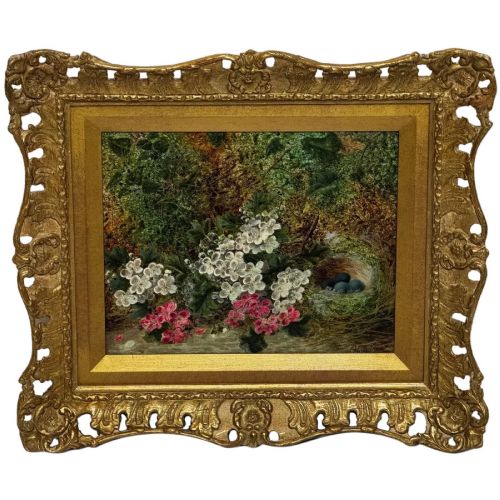
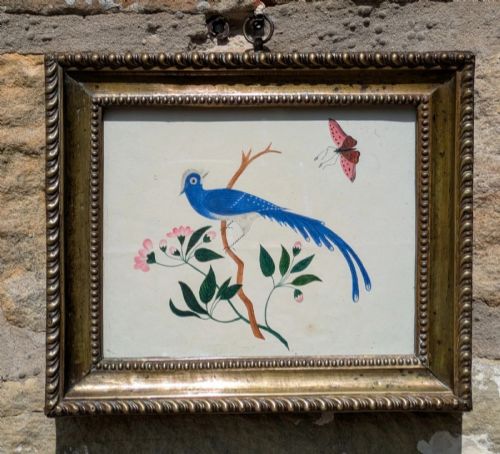
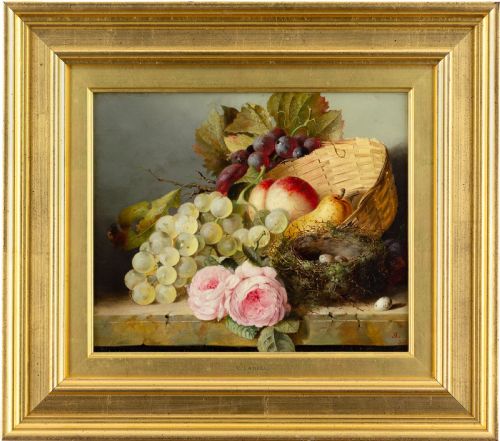
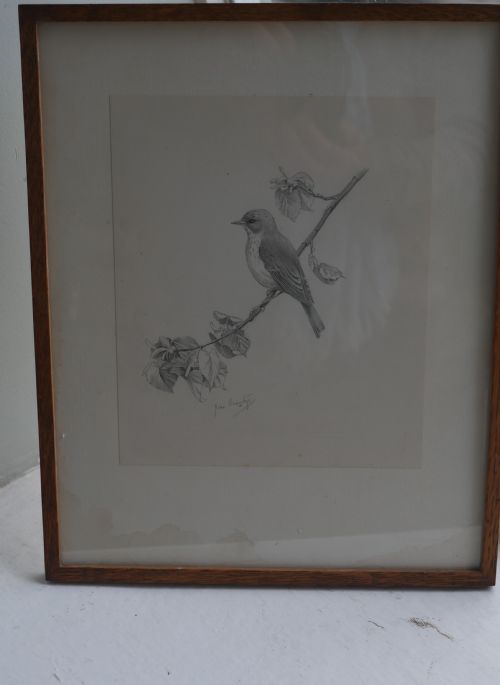
Framed botanical bird artwork comprises historical illustrations, watercolours, oils, and prints depicting avian subjects often paired with botanical elements. When exploring framed botanical bird artwork, you encounter pieces ranging from Regency watercolours and 18th-century gouache on pith paper to mid-century Australian parrot studies and Victorian oil paintings.
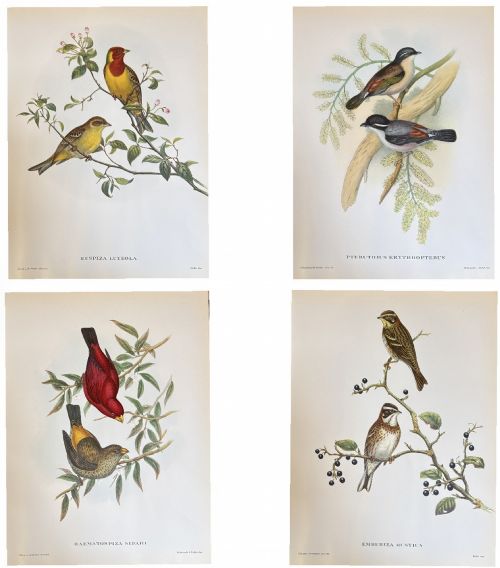
The selections span distinct periods including the 18th century, the Regency era, the 19th century, and the mid-20th century. Forms vary from single framed artworks and hand-coloured lithographs to embroidered silk pictures and pairs of still life compositions.
How they were made
Makers utilised paper, wood, glass, pith paper, and canvas as the foundational supports for these pieces. Pigments applied included watercolour, gouache, oil paint, and ink alongside print techniques such as lithography.
Artisans and naturalists combined meticulous brushwork with delicate mounting behind glass within wooden frames. Textiles also appear through embroidered silk pictures and Chinese embroideries depicting garden birds.
Framed Botanical Bird Artwork Retail Price Guide 2026
Typical asking prices for framed botanical bird artwork among the pieces listed under this phrase on Sellingantiques today, from the lower quarter to the upper quarter. They describe what is for sale here now, not the wider market.
Mother Faux’s Macaw at Farnley Hall enjoyed a dedicated watercolour portrait by William Andrews Nesfield.
What varies in quality
The distinction between standard examples and the finest works rests upon the precision of the rendering and the naturalistic detail in the plumage and flora. Master painters like Oliver Clare, George Lance, or William Andrews Nesfield demonstrate superior handling of light, texture, and botanical context compared to anonymous commercial prints.
Condition of the delicate supports, particularly pith paper and early watercolours, together with the originality of the framing, dictates the standing of a piece within the range.
Oliver Clare·Edward Ladell·William Andrews Nesfield·Eloise Harriet Stannard·Arthur Wardle·JOHN SHERRIN·George Lance
The Framed Botanical Bird Artwork Glossary
- Pith paper
- A delicate material formed from the pith of the Tetrapanax papyrifer plant, commonly used in Chinese export paintings for vibrant gouache bird studies.
- Lithograph
- A print produced from a stone or metal plate, allowing for detailed multi-coloured botanical and ornithological illustrations.
- Gouache
- An opaque water-based paint that provides dense colour saturation and matte finishes in historical bird studies.
- Company School
- A term describing paintings created by Indian artists working for European patrons, often featuring meticulous studies of local bird species.
- Natural history illustration
- Scientific yet artistic documentation of flora and fauna designed for accurate identification and visual appeal.
Framed Botanical Bird Artwork: Frequently Asked Questions
How do I care for pith paper art?
Pith paper is exceptionally fragile and sensitive to humidity changes. Keep these pieces permanently mounted behind protective glass and away from direct sunlight.
Ensure they hang in stable indoor environments where temperature fluctuations remain minimal to prevent the delicate medium from cracking.
Where were pith paintings made?
Many pith paper artworks originate from Chinese export workshops aimed at Western markets during the 18th and 19th centuries. Artisans in Canton produced vibrant studies of exotic birds and botanicals specifically for foreign traders.
These works provide a fascinating cross-cultural record of natural history illustration during the trading era.
What is a natural history illustration?
Natural history illustrations combine precise scientific observation with artistic skill to record birds, plants, and animals accurately. Artists focused on anatomical correctness alongside lifelike poses within botanical settings.
Collectors value these works for their dual role as scientific records and decorative art.
How to date a bird watercolour?
Dating relies upon paper watermarks, framing styles, pigment analysis, and the signatures of recorded artists active in specific periods. Regency and Victorian works often feature distinct paper weights and hand-written inscriptions detailing the species.
Comparing the stylistic conventions of the plumage and background flora helps narrow down the decade of creation.