


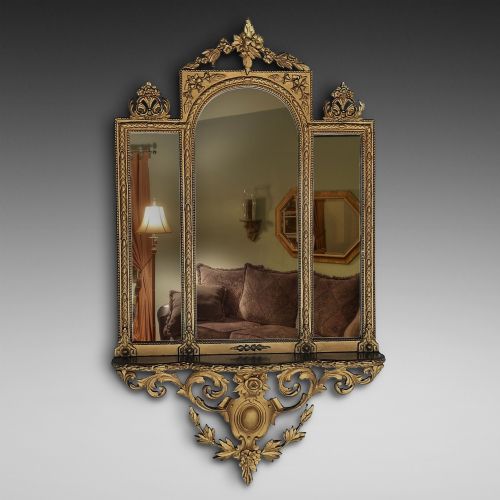

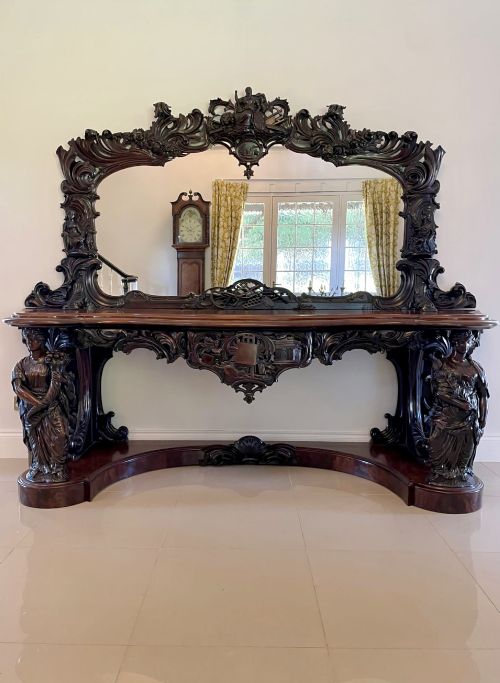
Revival Wall Mirror
Revival wall mirror pieces deliver historic drama to modern interiors, combining period motifs with large-scale glass.
Revival Wall Mirror
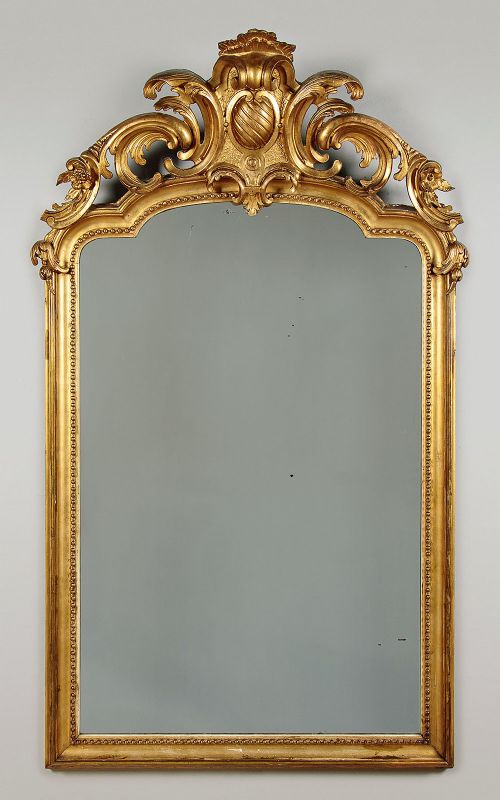
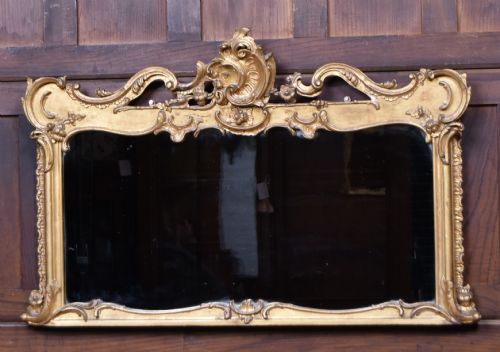
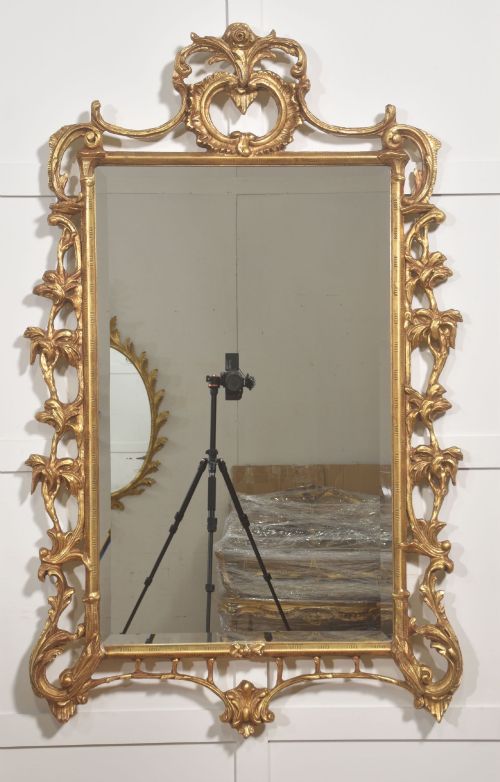
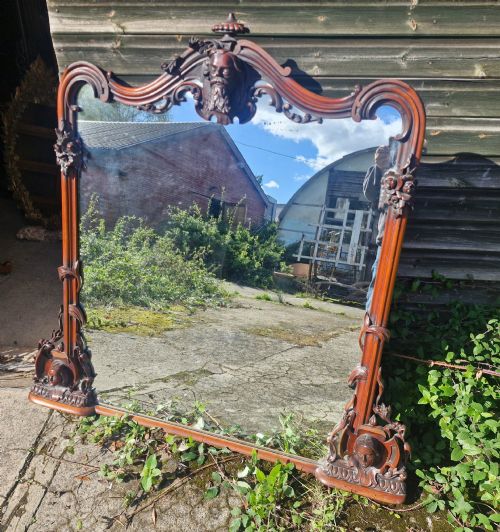
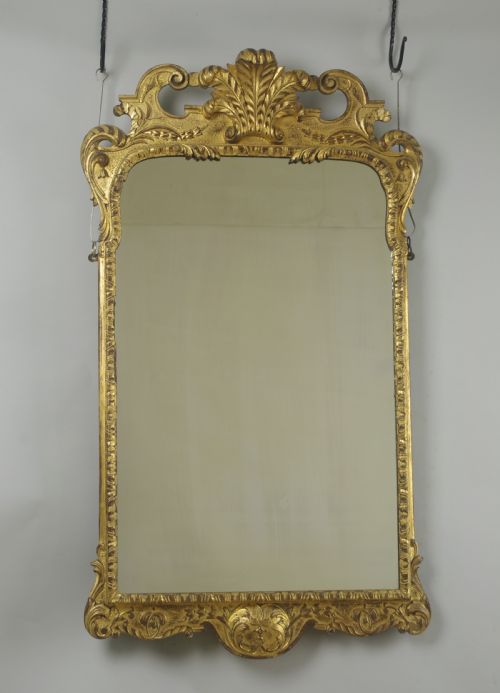
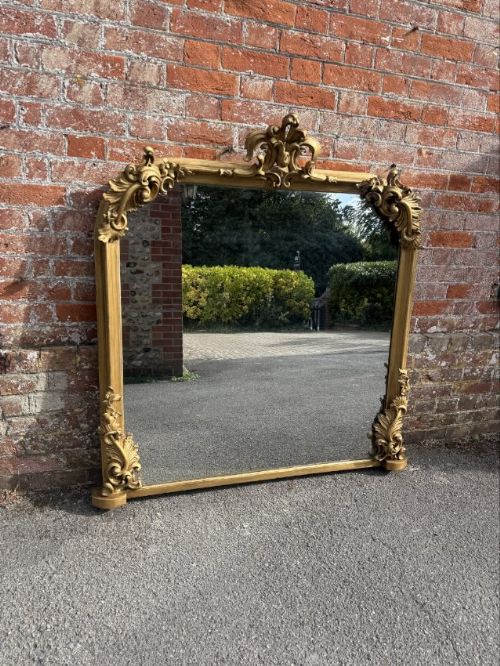
A revival wall mirror borrows historic decorative vocabulary from earlier British and continental design movements, interpreting those past eras through nineteenth and early twentieth-century craftsmanship. When searching for a revival wall mirror, buyers encounter substantial frames built to dominate room proportions and reflect light deep into living spaces.
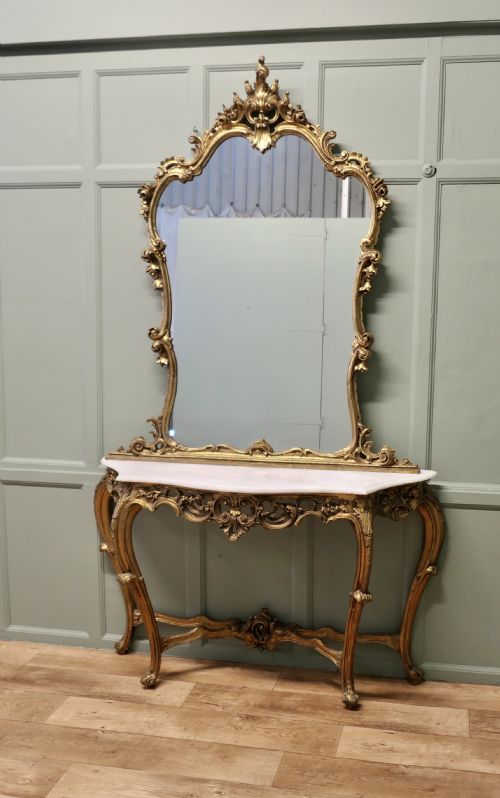
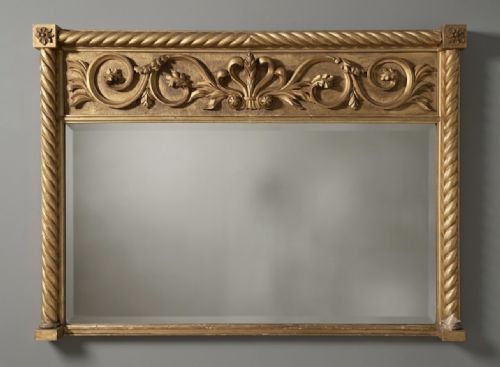
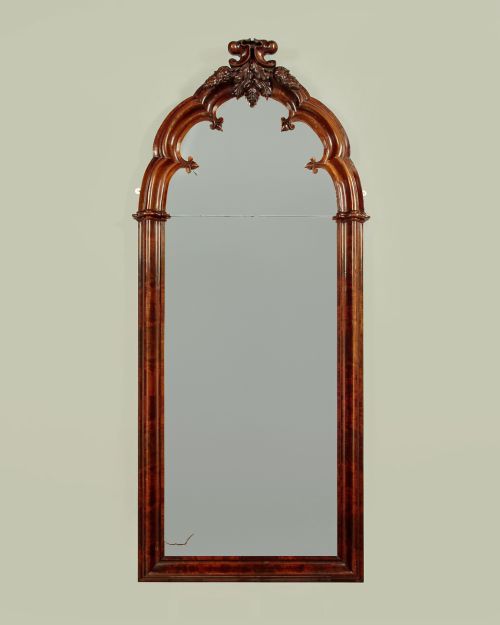
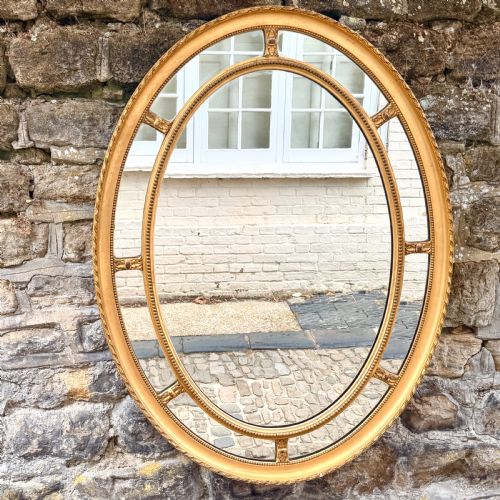
The selections span distinct historical revivals including Rococo, Adam, Chippendale, Gothic and Louis styles. Most examples date from the nineteenth century up through the nineteen-twenties, frequently appearing as large overmantel formats or tall pier mirrors designed for placement above fireplaces or between windows.
How They Were Made
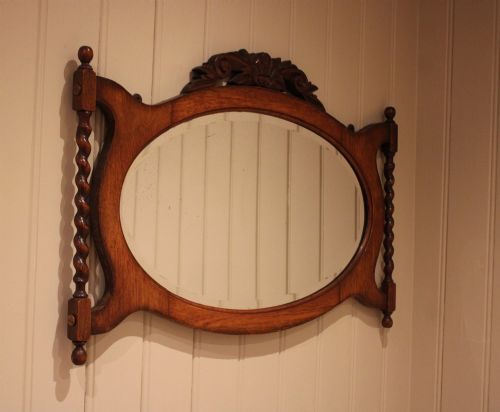
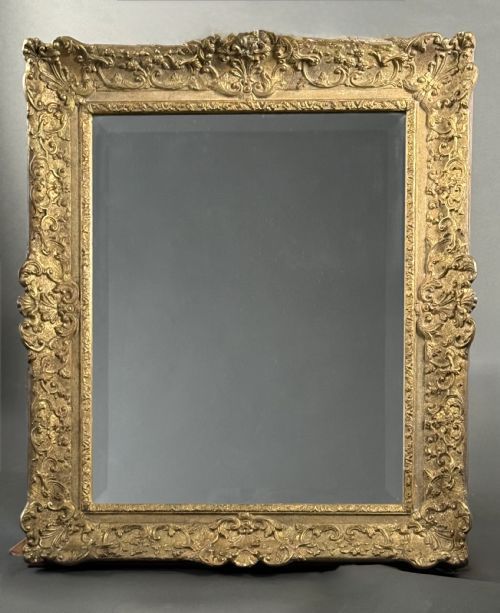
Carved timber foundations utilise oak, mahogany and walnut to provide structural integrity for heavy glass plates. Craftsmen shaped these hardwoods directly or applied decorative enrichment using composition mouldings over carved wooden substrates.
Giltwood and gesso surfaces received layers of gold leaf or paint applied over prepared grounds to achieve luminous metallic finishes. Bevelled mirror plates were set within the timber frames, secured at the rear to hold the substantial weight.
Revival Wall Mirror Retail Price Guide 2026
Typical asking prices for revival wall mirror among the pieces listed under this phrase on Sellingantiques today, from the lower quarter to the upper quarter. They describe what is for sale here now, not the wider market.
Listings feature eighteenth and nineteenth-century revivals including Adam, Chippendale, Gothic, Louis and Rococo styles executed in giltwood, oak and mahogany.
What Varies In Quality
Depth and precision in hand-carving separate standard production from masterwork execution, particularly visible in intricate foliage, crestings and scrollwork. Crisp detailing in wooden or composition ornaments indicates superior workshop standards.
The handling of the gilt or painted finish dictates visual richness, where layered gold leaf creates depth that flat modern paints cannot replicate. Original glass plates with authentic foxing or clean bevels further distinguish finer historical pieces.
Cottier And Co
The Revival Wall Mirror Glossary
- Overmantel mirror
- A wide mirror specifically designed to hang on the wall directly above a fireplace mantelpiece. These pieces often feature landscape proportions to match the width of the hearth below.
- Giltwood
- Timber that has been coated with thin sheets of gold leaf over a prepared gesso ground. This technique creates a durable, luminous metallic surface characteristic of formal period frames.
- Gesso
- A plaster-like material applied to wood frames and carved or moulded into relief decoration before gilding. It allows for crisp ornamental details that would be difficult to carve directly into timber.
- Pier mirror
- A tall, narrow mirror designed to hang on the wall space between two windows, known as the pier. They frequently paired with matching console tables positioned underneath.
- Bevelling
- An angled edge ground and polished around the perimeter of the mirror glass. This treatment catches and refracts light differently than a flat, unworked glass edge.
Revival Wall Mirror: Frequently Asked Questions
Where should I place a pier mirror?
Pier mirrors work best in vertical wall spaces between windows or narrow expanses where their height draws the eye upward. Placing them opposite a light source maximises illumination across the room.
Pairing them with a console table below completes the traditional arrangement seen in period interiors.
How do I clean antique mirror glass?
Use a soft microfiber cloth and a mild, ammonia-free cleaning solution sprayed onto the cloth rather than directly onto the glass. This prevents moisture from seeping behind the silvering.
Exercise caution around the edges of the plate and the surrounding frame to protect aged gilding and original backing materials.
What is the difference between Rococo and Gothic revival styles?
Rococo revival pieces display asymmetrical scrollwork, C-scrolls, floral motifs and organic cartouches inspired by mid-eighteenth-century French fashion. They prioritise flowing curves and dramatic decorative crestings.
Gothic revival designs incorporate pointed arches, lancets, quatrefoils and structural tracery derived from medieval architecture. These frames emphasise vertical lines and solemn, architectural geometry.