



Reticulated Porcelain Fruit Dish
A reticulated porcelain fruit dish brings openwork piercing and fine ceramic craft to the table, offering a decorative centrepiece for fruit and flowers.
Reticulated Porcelain Fruit Dish
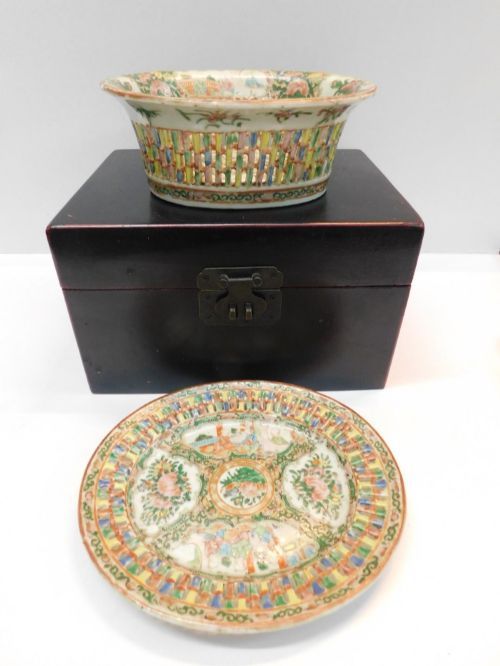
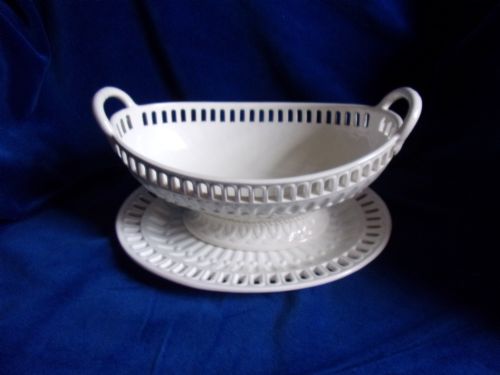
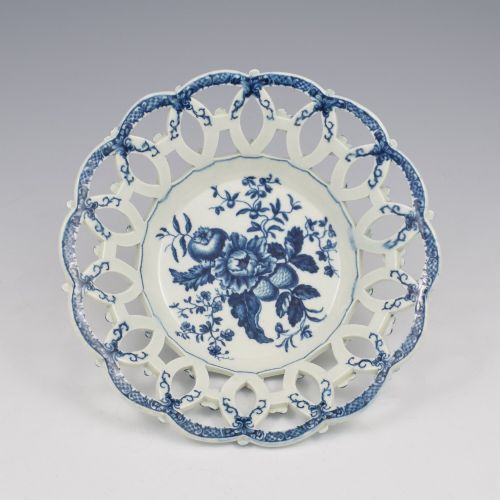
A reticulated porcelain fruit dish takes the form of pierced baskets, bowls, and centrepieces designed for display. These items emerge from periods spanning the eighteenth century through the Edwardian era, including Georgian, Regency, and Rococo Revival styles.
Buyers most frequently encounter nineteenth-century examples alongside eighteenth-century Worcester and Continental works, often complete with matching stands or trays.
How they were made
Potters utilised soft-paste and hard-paste porcelain, shaping the ceramic body before cutting openwork patterns through the wet clay. Cobalt blue glaze, enamel colours, and gold leaf applied as gilding finish the surface.
Factories built complex centrepieces by combining thrown or moulded bowls with applied elements such as putti, cherubs, and modelled roses. Kiln firing fixed the cobalt glaze and enamel decoration beneath or above the final glaze layer.
Reticulated Porcelain Fruit Dish Retail Price Guide 2026
Typical asking prices for reticulated porcelain fruit dish among the pieces listed under this phrase on Sellingantiques today, from the lower quarter to the upper quarter. They describe what is for sale here now, not the wider market.
Listings feature porcelain from eighteenth-century English factories, nineteenth-century Chinese export wares, and Edwardian German centrepieces.
What varies in quality
The crispness of the pierced reticulation separates standard vessels from finer work, as clean geometric or lattice cutouts require steady knife work in soft clay. Hand-painted enamels and intricate applied floral motifs demand high brushwork skill.
Completeness alters the character of the piece, particularly where original stands or matching under-trays accompany the main basket. The finesse of applied figures, such as cherubs or roses, marks the distinction between mass production and master modelling.
Royal Worcester·Schierholz Plaue·Mason’s Ironstone China
The Reticulated Porcelain Fruit Dish Glossary
- Reticulated
- Pierced or net-like openwork pattern cut into the ceramic body. This technique creates decorative lattice walls on baskets and fruit dishes.
- Chestnut basket
- A specialised ceramic vessel with a pierced body designed for serving chestnuts at the table. These pieces often include a matching under-tray.
- Centrepiece
- A large decorative bowl, basket, or figural arrangement placed in the middle of a dining table. They frequently feature applied flowers and putti.
- Soft-paste porcelain
- An artificial porcelain composition fired at lower temperatures than hard-paste. It was widely used by eighteenth-century English factories.
- Gilding
- The application of gold leaf or gold paint to ceramic surfaces. This finish highlights rims, handles, and painted panels.
Reticulated Porcelain Fruit Dish: Frequently Asked Questions
How were reticulated fruit dishes used?
These vessels served fruit and sweetmeats at the formal dining table, using the pierced walls of the basket to allow air circulation around soft fruits and roasted chestnuts.
Larger centrepieces functioned primarily as visual ornaments for the dining room, often accompanied by matching stands to protect table linens.
How do I date an antique porcelain basket?
Dating relies on identifying the paste type, glaze characteristics, and factory marks beneath the base. Eighteenth-century pieces typically show softer body translucency and hand-pencilled cobalt patterns.
Later nineteenth-century and Edwardian examples adopt denser bodies, machine-assisted piercing, and broader polychrome enamel palettes reflecting Rococo Revival tastes.
Can I use these antique dishes for food?
Using these antique porcelain pieces for serving food is generally discouraged due to the age of the ceramic body and delicate enamel decorations. Historic glazes can absorb moisture or stain from acidic fruits over time.
Displaying them empty or using them for dry presentation preserves the fragile pierced lattice and hand-painted gilding.
What does the term reticulated mean?
Reticulated describes a net-like or laced pattern formed by cutting geometric openings through the clay before firing. Potters used this method to lighten heavy decorative bowls and create intricate visual screens.
This openwork distinguishes standard ceramic fruit dishes from specialised baskets designed for high-status dining.