



18th Century Porcelain Basket
An 18th century porcelain basket brings pierced craftsmanship and delicate floral detailing to a room.
18th Century Porcelain Basket
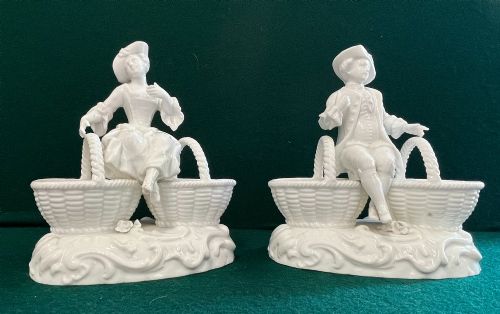
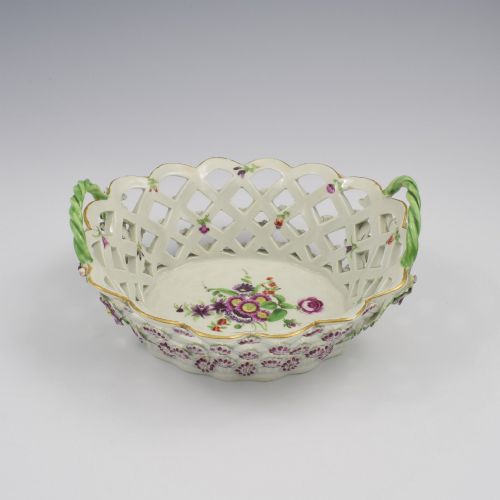
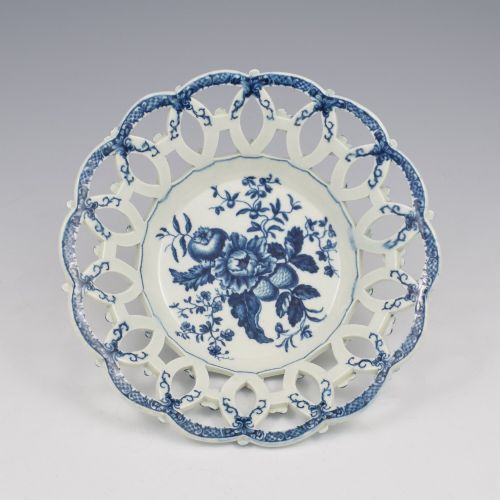
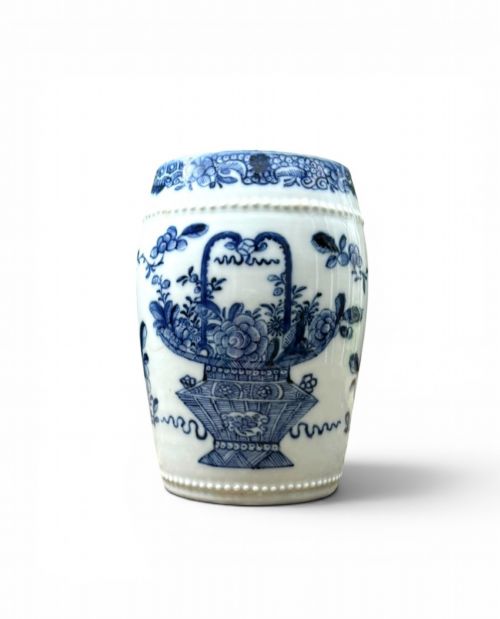
When you search for an 18th century porcelain basket, you encounter pieces designed for decorative display or serving sweetmeats during the Georgian period. The examples on this page span chestnut baskets with covers, circular baskets with pine cone patterns, and pierced stands originating from English factories and Chinese export workshops.
How they were made
Potters utilised soft-paste and hard-paste porcelain compositions, shaping the openwork lattices by hand or pressing clay into intricate moulds. Cobalt underglaze painting and polychrome enamels added vibrant colour before the final glaze firing.
Applied floral elements, known as encrusted or florrel work, required individual modelling and careful attachment before firing. Gilding with gold leaf occasionally highlighted the twisted handles and rim borders of these delicate tablewares.
18th Century Porcelain Basket Retail Price Guide 2026
Typical asking prices for 18th century porcelain basket among the pieces listed under this phrase on Sellingantiques today, from the lower quarter to the upper quarter. They describe what is for sale here now, not the wider market.
Early porcelain modellers spent hours attaching tiny clay petals by hand, ensuring every single leaf on these baskets survived the fierce heat of the kiln.
What varies in quality
The fineness of the pierced lattice work and the crispness of the moulded floral applications distinguish superior pieces. Factory origin also dictates distinction, with First Period Worcester and Derby works showing particularly refined painting.
The preservation of applied flowers and the registration of cobalt underglaze or polychrome enamel details define the visual strength of each surviving vessel.
Meissen·Derby Porcelain·Dr Wall Worcester·Bow Porcelain
The 18th Century Porcelain Basket Glossary
- Soft-paste porcelain
- An artificial porcelain composition fired at lower temperatures, common in early English factories. It creates a warm, creamy body that takes enamel colours exceptionally well.
- Chestnut basket
- A deep serving vessel with a fitted cover, traditionally used for holding roasted chestnuts at the table. These pieces often include matching pierced stands.
- Cobalt underglaze
- A blue pigment applied to the ceramic body before the glaze and high-temperature firing. This technique protects the decoration from wear over centuries.
- Enamel
- Opaque glass-like colours painted over the fired glaze and fixed in a muffle kiln. This allows for bright polychrome palettes on porcelain surfaces.
- Pine cone pattern
- A specific transfer-printed or hand-painted botanical motif featuring pine cones and foliage. It appears frequently on Worcester porcelain baskets from the eighteenth century.
18th Century Porcelain Basket: Frequently Asked Questions
How were these porcelain baskets used?
These vessels served as ornamental centrepieces on formal dining tables during the Georgian era. They held sweetmeats, fruits, or roasted chestnuts for guests.
Over time, collectors transitioned them from dining rooms to display cabinets. Their intricate pierced walls made them purely decorative objects rather than working tableware.
How do I care for antique porcelain?
Keep these fragile vessels away from direct sunlight and areas prone to heavy vibrations. Dust them gently with a soft, dry brush rather than washing them.
Avoid using modern cleaning agents on the enamel or gold leaf details. Handling them with bare hands minimises the risk of dropping delicate applied flowers.
What defines First Period Worcester?
First Period Worcester refers to porcelain produced at the Worcester factory from the mid to late eighteenth century. This era encompasses the proprietorship of Dr John Wall.
Pieces from this time are noted for refined body pastes and distinctive cobalt underglaze or polychrome painting. Many carry crescent or square fret marks on the base.
Why do some baskets have stands?
Chestnut baskets often included matching porcelain stands to catch crumbs and protect polished wooden tabletops. The stands mirrored the pierced lattice design of the main vessel.
Keeping the basket and stand together enhances the historical integrity of the set. Both pieces typically share the same factory paste and painting style.