



Pierced Porcelain Centrepiece Bowl
A pierced porcelain centrepiece bowl stands as a striking table focal point, bringing openwork ceramic artistry and historical elegance directly to dining and display settings.
Pierced Porcelain Centrepiece Bowl
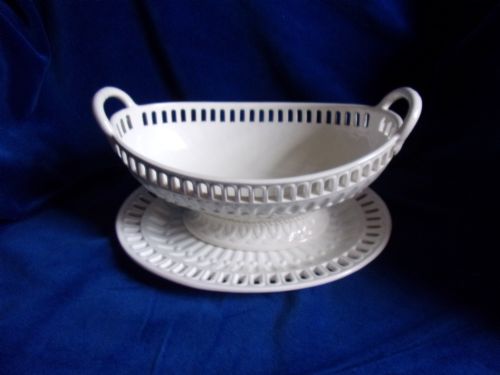
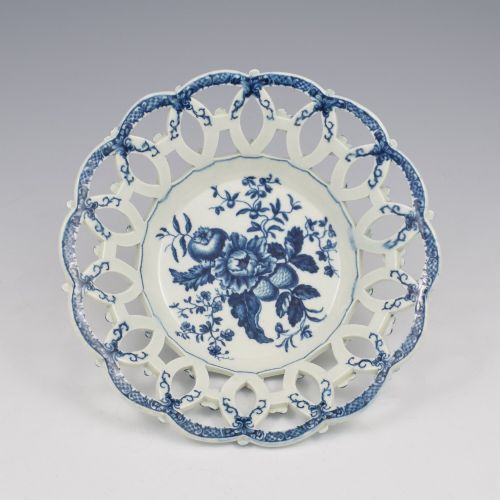
A pierced porcelain centrepiece bowl brings ornate ceramic design to the table, taking the form of baskets, comports, and large decorative vessels intended for prominent display. These items emerge across the eighteenth, nineteenth, and early twentieth centuries, spanning Georgian, Victorian, and Edwardian periods.
Buyers most frequently encounter nineteenth-century French and German examples, alongside eighteenth-century English and Continental baskets featuring intricate openwork galleries and lattice patterns. These vessels combine functional depth with delicate openwork walls designed to catch the light.
How they were made
Makers shaped these vessels using hard-paste and soft-paste porcelain, applying cobalt blue underglaze, enamel colours, and gold leaf or gilding to highlight raised details. Artisans pierced the wet clay walls by hand to create intricate lattice and basketweave galleries before firing.
Many elaborate nineteenth-century and Edwardian centrepieces incorporate applied three-dimensional elements such as porcelain roses and putti, individually modelled and attached prior to glazing. Kiln techniques varied between English factories like Derby and Worcester and Continental works such as Meissen and Sevres.
Pierced Porcelain Centrepiece Bowl Retail Price Guide 2026
Typical asking prices for pierced porcelain centrepiece bowl among the pieces listed under this phrase on Sellingantiques today, from the lower quarter to the upper quarter. They describe what is for sale here now, not the wider market.
Tiny porcelain putti occasionally peer out from thickets of applied ceramic roses, supervising the fruit bowl with eternal cheer.
What varies in quality
The refinement of the piercing dictates the initial visual appeal, separating sharply cut lattices from softer, heavier mouldings. Crisp openwork requires immense skill during the drying and firing stages to prevent warping.
The finesse of hand-painted enamel decoration and the richness of the gilding separate standard production from exceptional studio work. Modelled details such as applied flowers and figural putti show varying degrees of sculptural depth and delicate execution.
Derby Porcelain·Meissen·Sevres·Schierholz Plaue
The Pierced Porcelain Centrepiece Bowl Glossary
- Soft-paste porcelain
- A glassy ceramic composition fired at lower temperatures than hard-paste porcelain, yielding a warm, creamy body common in eighteenth-century English works. It absorbs enamel colours with particular softness.
- Cobalt underglaze
- A blue pigment applied to the raw ceramic body before glazing and firing, ensuring the colour sits beneath a protective glass layer. This technique produces deep cobalt tones that resist fading over centuries.
- Comport
- A raised dish or bowl on a footed pedestal, used traditionally for serving fruit or sweets as part of a formal tablescape. They often feature pierced rims and decorative handles.
- Chestnut basket
- A specialised lidded vessel designed to keep roasted chestnuts warm at the dining table. These pieces frequently feature pierced bowl walls and matching fitted stands.
- Putti
- Winged infant figures modelled in relief or in the round, frequently clambering over the rims and bases of elaborate Continental centrepieces. They derive from classical sculpture and Renaissance art.
Pierced Porcelain Centrepiece Bowl: Frequently Asked Questions
What is a pierced porcelain centrepiece bowl?
A pierced porcelain centrepiece bowl is a decorative ceramic vessel featuring openwork lattice or basketweave walls, designed to sit prominently as a dining table focal point or display piece.
These items range from eighteenth-century English chestnut baskets to large Edwardian comports adorned with applied figures and floral motifs.
How were these bowls used historically?
Historically, these vessels served as formal table decorations or functional containers for fruit, sweetmeats, and roasted chestnuts during elaborate dining courses.
Their openwork pierced walls allowed air circulation or simply showcased the craftsmanship of prominent European and Asian kilns.
How can I tell the period of a bowl?
Dating relies on examining the paste composition, glaze characteristics, factory marks, and stylistic indicators such as Rococo revival scrolls or neoclassical symmetry.
Eighteenth-century examples often exhibit softer pastes and hand-potted irregularities, while later nineteenth and early twentieth-century pieces reflect industrial standardisation alongside revivalist decorative schemes.