


18th Century Worcester Dish
An 18th century worcester dish brings Georgian elegance to the table with soft-paste porcelain and hand-painted Chinoiserie or floral motifs.
18th Century Worcester Dish
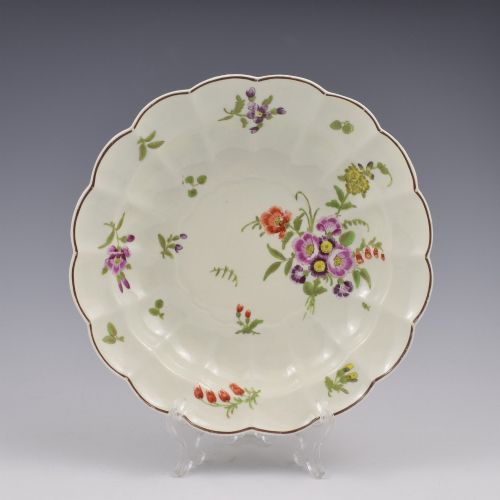
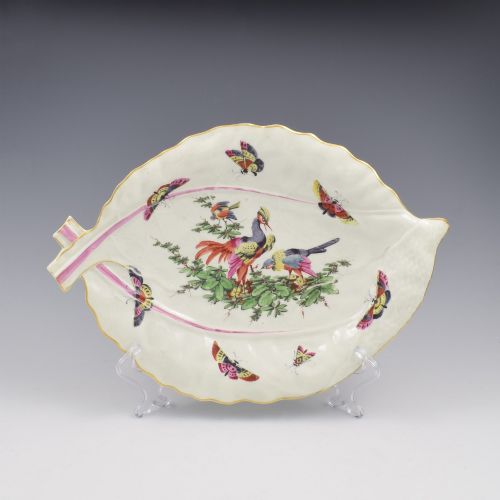
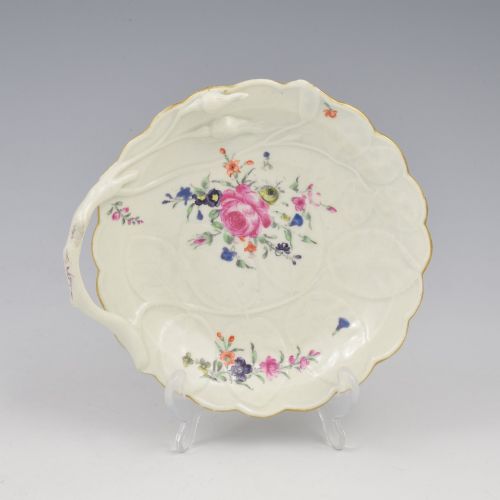
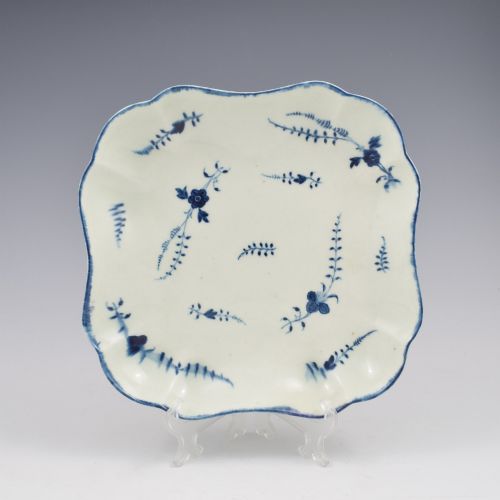
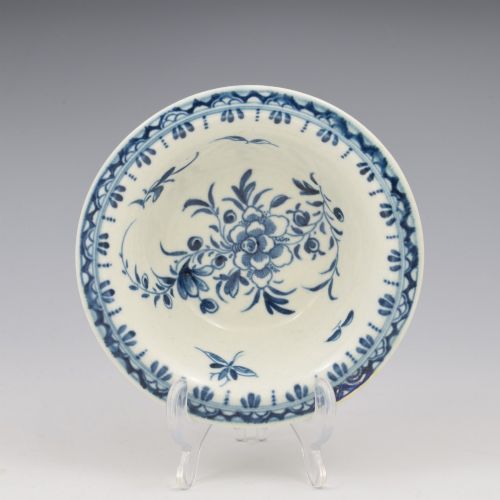
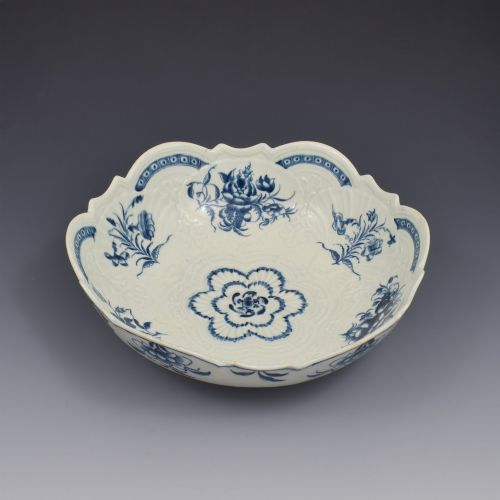
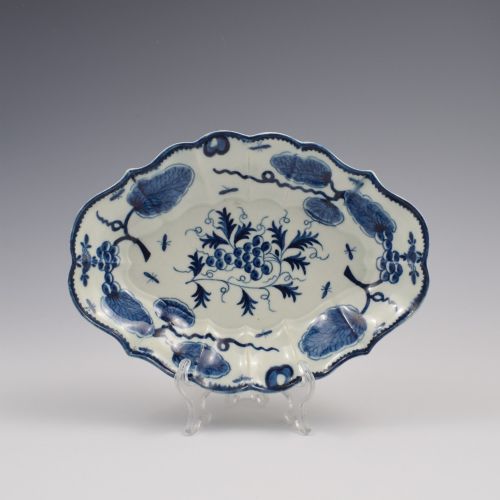
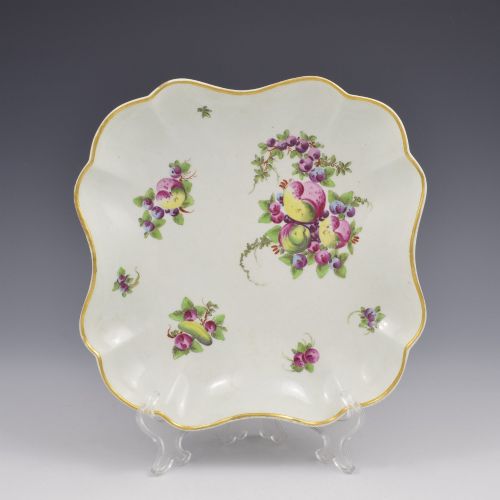
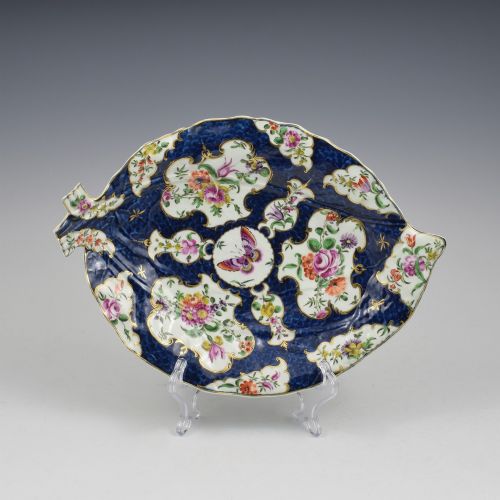
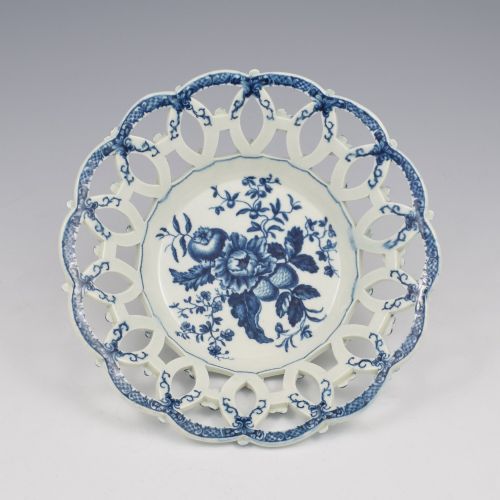
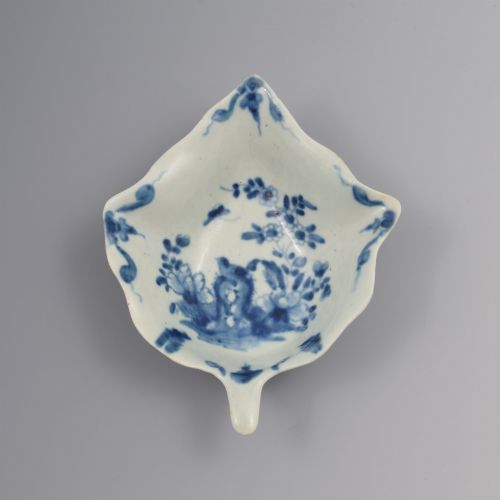
When you search for an 18th century worcester dish, you encounter tablewares and dessert pieces originating from the famous English factory during the Georgian period. These items include lobed dessert dishes, leaf pickle dishes, scallop shells, and circular baskets designed for fashionable dining.
The selections on this page centre heavily on the First Period or Dr Wall era, spanning roughly from 1750 to the end of the century. Pieces range from small pickle leaves to large dessert dishes and intricate chestnut baskets.
Forms often take inspiration from nature, showing leaf shapes, shell configurations, and woven basketwork alongside standard circular or square plates. Collectors select these items for their delicate proportions and historical English ceramic artistry.
Materials and Craftsmanship
The factory relied primarily on soft-paste porcelain, a vitreous ceramic body that absorbs glazes with a characteristic warmth and creamy tone. Potters shaped these pieces by hand or in moulds to create complex forms such as leaf dishes, shells, and woven baskets.
Decoration involved underglaze blue painting, polychrome enamels, and occasional gilt highlights applied over the glaze. Artisans painted detailed subjects including Chinoiserie scenes, fancy birds, floral sprays, and fruit motifs.
Early Worcester decorators painted lifelike caterpillars and ladybirds among floral sprays to hide small surface blemishes on the porcelain body.
Assessing Quality and Execution
Quality in these ceramics rests upon the crispness of the moulding and the skill of the enamel painting. Pieces with sharply defined leaf veins and cleanly pressed basket weave show superior craftsmanship from the workshop.
The precision and detail of the hand-painted decoration dictate the upper tier of the range. Finely executed bird panels, intricate Kakiemon patterns, and smooth glaze application distinguish finer examples from standard production.
Dr Wall Worcester
The 18th Century Worcester Dish Glossary
- Soft-paste porcelain
- A ceramic composition made from white clay, glass frit, and other ingredients fired at lower temperatures than hard-paste porcelain. This body yields a slightly softer surface texture and a creamy translucency.
- Dr Wall period
- The foundational era of the Worcester porcelain factory, operating under the direction of Dr John Wall from 1751 onwards. Pieces from this time often bear early crescent or square seal marks.
- Pickle dish
- A small, usually leaf-shaped or shell-shaped vessel used on the Georgian table for holding condiments or small pickles. These form a distinct category of early Worcester tableware.
- Chinoiserie
- A European artistic style reflecting Chinese motifs and decorative schemes. Worcester painters adapted these themes into blue and white or enamelled tablewares.
- Kakiemon
- A style of Japanese porcelain decoration featuring asymmetrical designs, floral motifs, and birds, which Worcester decorators frequently copied. The palette typically includes iron red, blue, green, and yellow.
18th Century Worcester Dish: Frequently Asked Questions
How were pickle leaf dishes used?
Pickle leaf dishes served narrow culinary purposes on the grand dining tables of the Georgian era. Hostesses used them to present small condiments, pickles, or sweetmeats alongside larger courses.
Their naturalistic leaf and shell forms added ornamental flair to dessert services and formal table settings.
How do I identify First Period Worcester?
First Period Worcester porcelain is identified by body weight, glaze texture, and underglaze blue or enamel painting styles. Many pieces feature early blue marks such as crescents or simulated Chinese characters.
The soft-paste body often shows characteristic glaze pooling and a warm tone when viewed under light.
Can I use these dishes for dining?
While these items remain functional porcelain objects, their age and delicate soft-paste composition mean most owners treat them as display pieces. Hand washing in warm water is essential if occasional use is preferred.
Exposing eighteenth-century ceramics to modern dishwashers or rapid temperature changes risks damaging the historic glaze and body.