





Religious Bronze Statue
A religious bronze statue brings centuries of devotion into a room, capturing sacred figures through metalwork from diverse global traditions.
Religious Bronze Statue
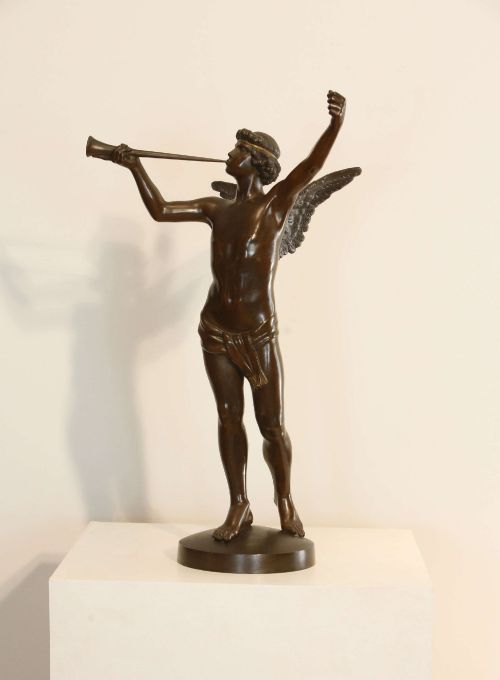
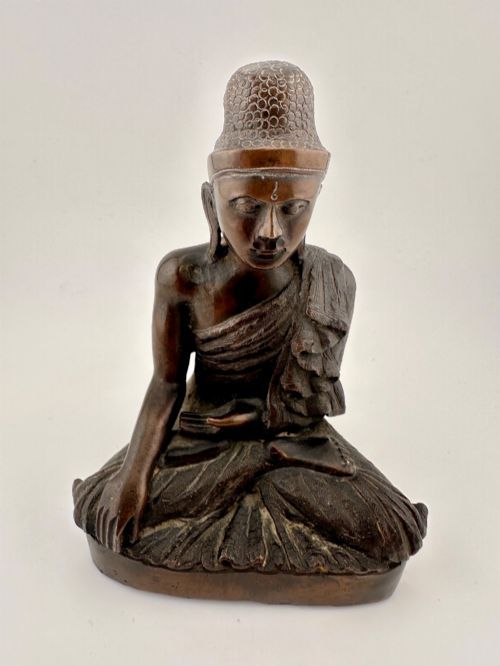
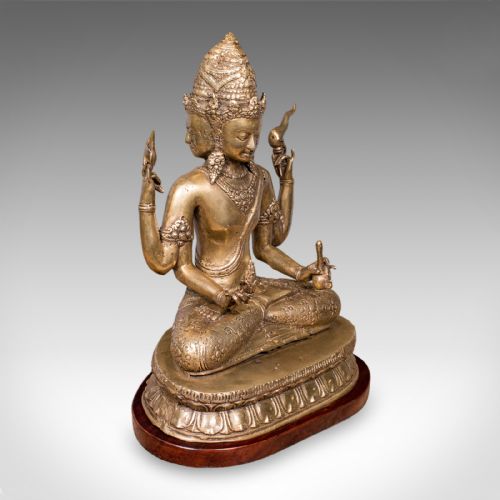
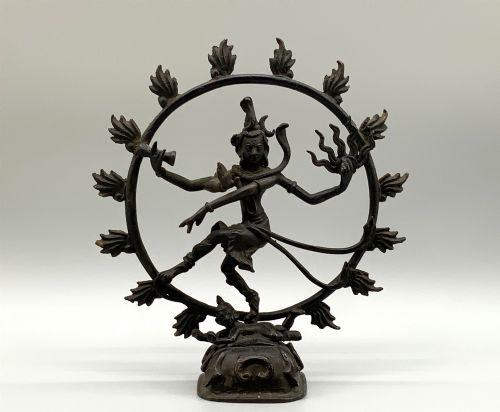
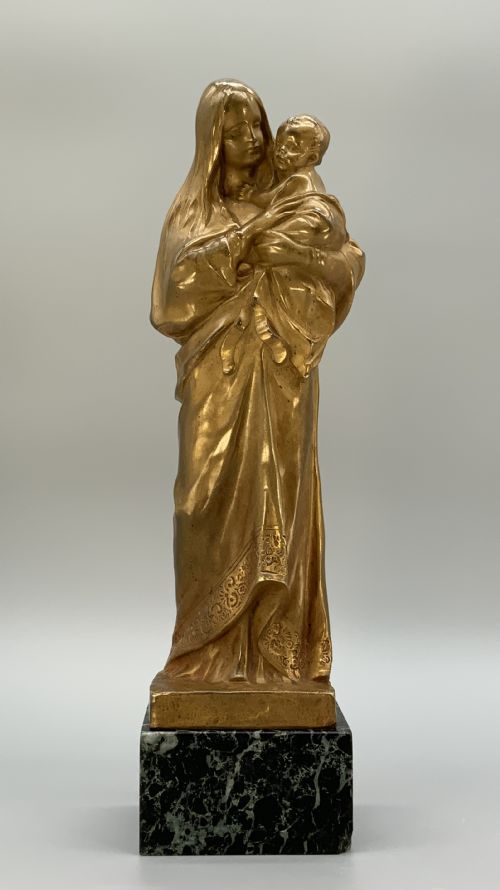
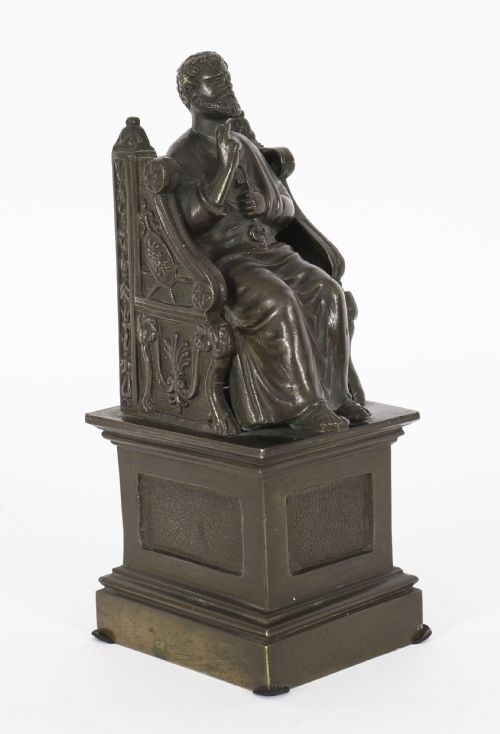
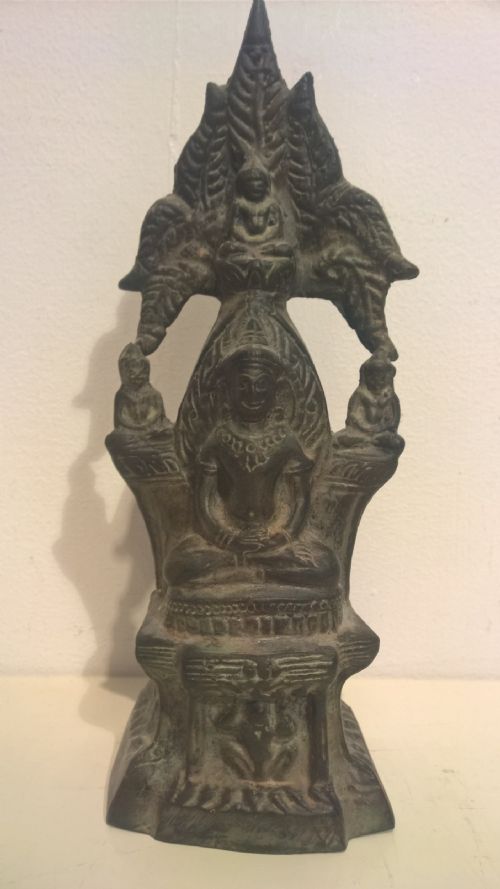
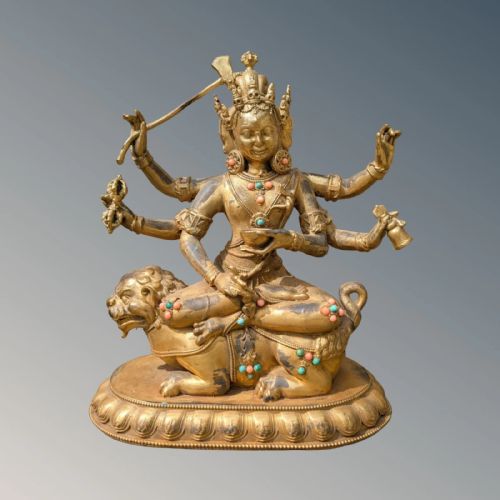
When you search for a religious bronze statue, you encounter devotional figures spanning multiple centuries and cultural traditions. These pieces range from European depictions of saints and Madonna figures to Asian deities such as Shiva, Buddha, and Ganesh.
The selection on this page leans heavily toward 19th-century examples alongside earlier 16th and 17th-century pieces. Forms vary from small Grand Tour souvenirs to substantial altar figures and large busts.
Regional styles dictate the aesthetic, encompassing South Indian, Sino-Tibetan, French, and Southeast Asian traditions. Each geographic origin brings distinct iconographic details and casting conventions to the subject matter.
What varies in quality
The integrity of the surface finish and the preservation of original patination or gilding dictate desirability. Skill in the initial metalwork and the nuance of the finishing touches separate standard production pieces from masterworks.
Religious Bronze Statue Retail Price Guide 2026
Typical asking prices for religious bronze statue among the pieces listed under this phrase on Sellingantiques today, from the lower quarter to the upper quarter. They describe what is for sale here now, not the wider market.
Listings feature periods ranging from the 16th century through the Victorian era, executed in bronze, copper alloy, and gilt bronze.
Hans Müller
The Religious Bronze Statue Glossary
- Bronze
- An alloy consisting primarily of copper, traditionally combined with tin. It provides durability and a fine surface for detailed casting.
- Patinated bronze
- Metal treated chemically or naturally to produce a specific surface colour and tone. This process protects the metal and enhances visual depth.
- Gilt bronze
- Metal coated with a thin layer of gold or gold leaf. This technique highlights sacred figures and adds luminosity to the sculpture.
- Grand Tour
- 19th-century travel tradition where Europeans collected small classical sculptures and artefacts as souvenirs. These pieces often emulate antiquity.
- Mudra
- A symbolic gesture or pose in Buddhist and Hindu iconography performed with the hands and fingers. Each mudra conveys a specific spiritual meaning.
Religious Bronze Statue: Frequently Asked Questions
How do I identify the age of a bronze statue?
Dating relies on stylistic conventions, regional casting methods, and surface wear consistent with historical periods.
Examining the patina and the tools used in finishing helps establish the timeframe of production.
Where were these religious statues made?
The pieces originate from various regions including Europe, India, Southeast Asia, and East Asia.
Each area developed distinct iconographic traditions and metallurgical techniques over the centuries.
How should I clean a bronze sculpture?
Dust the surface gently with a soft, dry cloth to prevent accumulation.
Avoid chemical cleaners or polishing agents that can strip the historical patina from the metal.
What is the difference between bronze and copper alloy?
Bronze is a specific alloy of copper and tin, while copper alloy is a broader term for metals containing primarily copper with various secondary elements.
Both materials share durability and suitability for detailed sculptural casting.