



Religious Bronze Figure
A religious bronze figure captures centuries of devotion, spanning small household shrines and grand temple altars across diverse global traditions.
Religious Bronze Figure
A religious bronze figure represents sacred deities, saints, and spiritual teachers cast in metal for domestic worship or temple display. These sculptures embody complex iconographic traditions from European, South Asian, and Southeast Asian cultures.
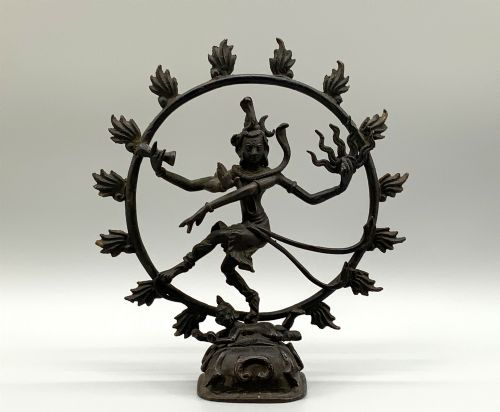
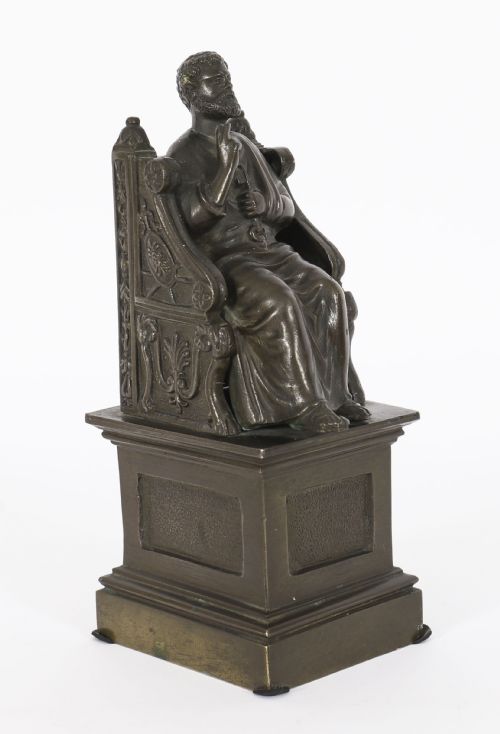
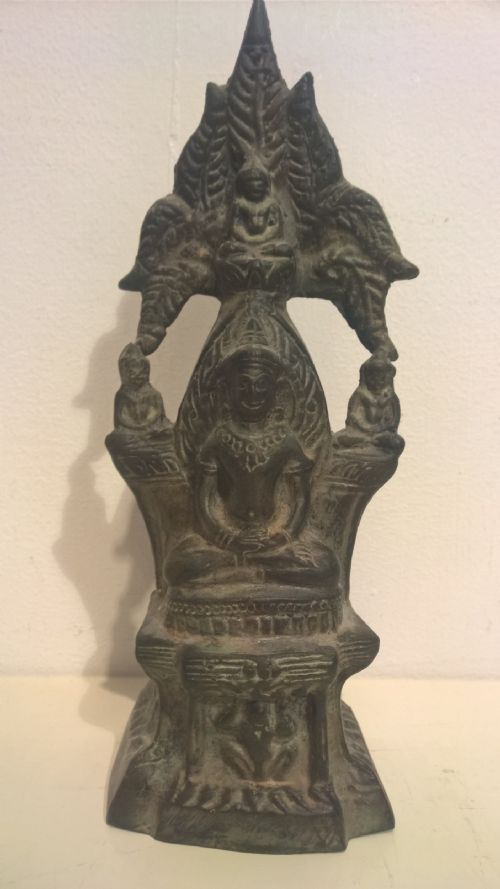
The selections available here range from Indian depictions of Shiva and Ganesha to Southeast Asian Buddha figures and European depictions of saints. Buyers encounter regional variations spanning the sixteenth through the nineteenth centuries.
Forms include standalone deities seated in meditative mudras, dancing figures captured in motion, and composite works incorporating silver or copper alloy elements. Each piece reflects the specific ritual requirements and aesthetic conventions of its origin.
Materials and casting methods
Metalworkers predominantly utilised the lost-wax casting technique to shape molten bronze, copper alloy, or brass into intricate devotional forms. This method allowed artisans to render fine details in hair, drapery, and jewellery.
Surface treatments such as fire gilding, chemical patination, or polishing were applied to achieve specific ritual appearances. In some regional traditions, turquoise and coral embellishments were inlaid directly into the metal body.
St Peter stands alongside a French clock where chastity points firmly toward holy water.
Assessing sculptural quality
Proportion and stance dictate the visual success of figurative works, particularly in dynamic subjects like dancing deities. Well-balanced weight distribution and confident posture demonstrate the artisan's command over anatomy and metal.
The Religious Bronze Figure Glossary
- Lost-wax casting
- A method where a wax model is melted from a mould and replaced with molten metal. This technique enables the creation of complex, hollow or solid bronzes with undercut details.
- Patination
- The natural or induced coloration on the surface of bronze through age or chemical treatment. It alters the visual depth and protects the underlying metal.
- Mudra
- A symbolic hand gesture in Buddhist and Hindu iconography. Each specific position communicates a teaching, protection, or state of meditation.
- Gilt bronze
- Metalwork coated with a thin layer of gold or gold amalgam. This finish provided a radiant surface appropriate for sacred objects.
Religious Bronze Figure: Frequently Asked Questions
How do I clean an old bronze figure?
Dust gently with a soft, dry brush to prevent the accumulation of abrasive particles in recessed areas. Avoid water, oils, or commercial metal polishes that strip historic patination.
Stable patinas protect the underlying alloy and contribute to the historical integrity of the piece. Professional conservation advice should be sought if structural intervention becomes necessary.
Were these figures made for worship?
Many of these pieces served as focal points for domestic shrines, temple rituals, or devotional processions. Their scale and material composition often reflect whether they were intended for stationary altars or portable use.
Over time, changing patterns of collection moved these sacred objects into secular interior settings. Their original ritual context continues to inform their artistic and cultural significance.
What is copper alloy?
Copper alloy is a broad metallurgical term covering mixtures where copper is the primary component combined with tin, zinc, or other metals. It was frequently used interchangeably with bronze in various historic workshops.
Variations in the alloy mixture affect the natural colour and weight of the finished sculpture. Analysis of the metal content assists specialists in dating uncertain pieces.