



Winged Angel Sculpture
These winged angel sculpture pieces bring celestial presence into a room, spanning Baroque carved oak cherubs and nineteenth-century French and Italian bronzes.
Winged Angel Sculpture
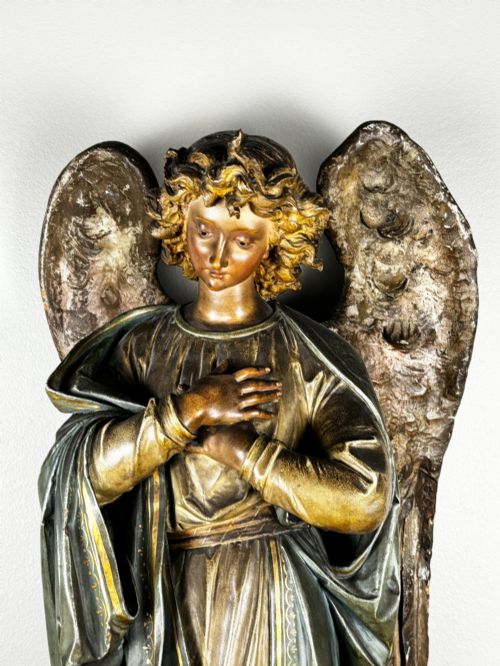
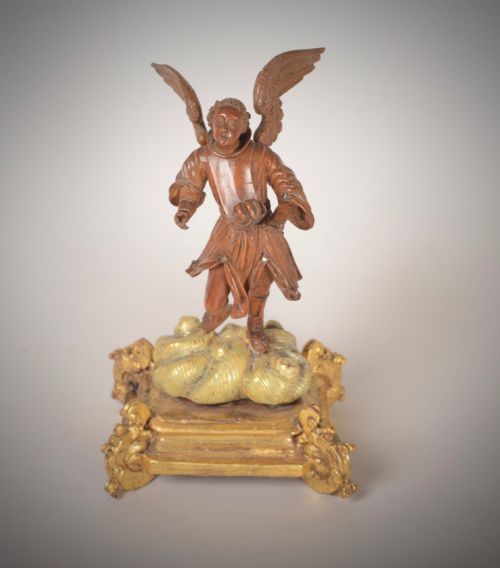
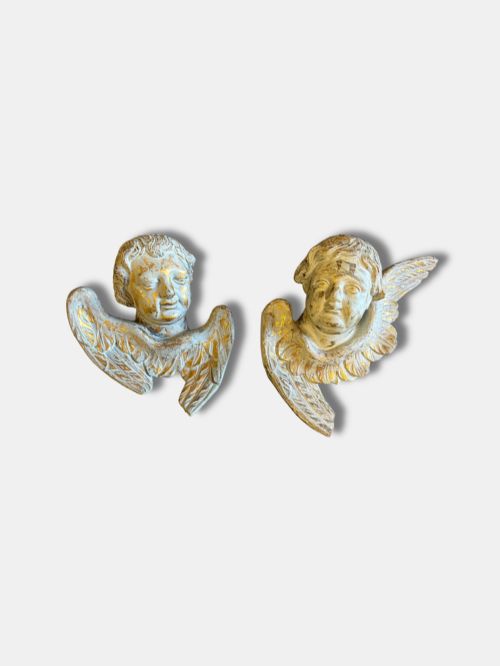
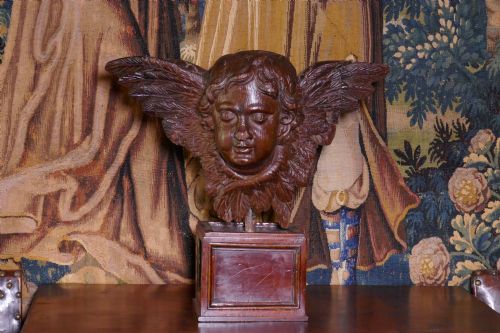
When you search for a winged angel sculpture, you enter a field populated by carved wood figures, wall corbels, and bronze castings. The pieces on this page range from seventeenth-century Baroque carved oak cherubs to nineteenth-century Italian polychrome figures and French church carvings.
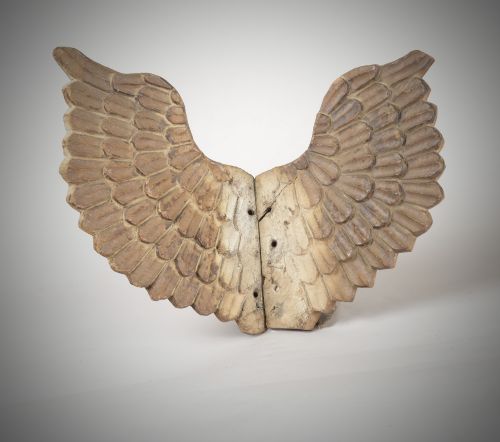
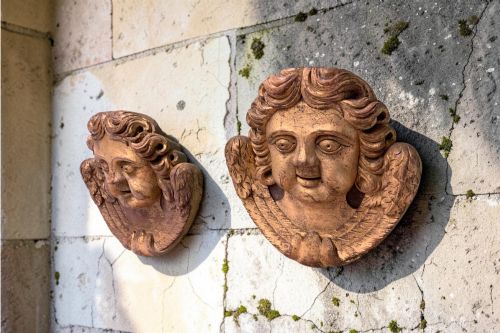
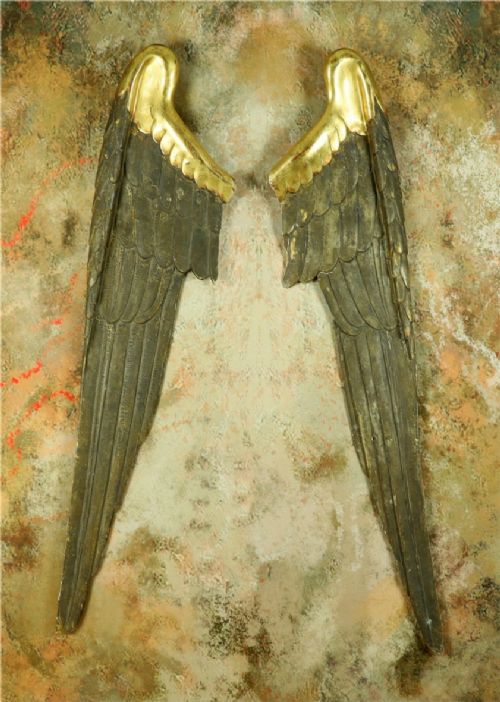
You are most likely to meet nineteenth-century interpretations on this page, including putto wall corbels, architectural salvage, and gilt gesso wings. Forms vary from single angel heads to full figures and altar groups, reflecting both religious devotion and classical decorative traditions.
How they were made
Carvers shaped these figures from oak, utilising traditional woodworking techniques to create detailed cherub heads and architectural corbels. Many surfaces received finishes of gesso and gold leaf to achieve a rich, reflective appearance suitable for ecclesiastical settings.
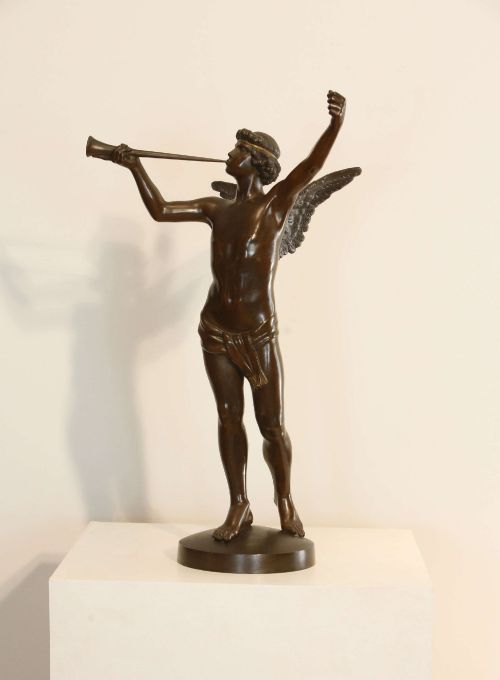
Foundries cast other examples in bronze, capturing the smooth contours of figures like Cupid and the Archangel Saint Gabriel. Artisans also employed polychrome paint on wood to add lifelike colour and depth to Italian altar figures and French church carvings.
Winged Angel Sculpture Retail Price Guide 2026
Typical asking prices for winged angel sculpture among the pieces listed under this phrase on Sellingantiques today, from the lower quarter to the upper quarter. They describe what is for sale here now, not the wider market.
Listings span multiple centuries, incorporating seventeenth-century Baroque carved oak, eighteenth-century gilt gesso wings, and nineteenth-century bronze castings.
What varies in quality
The sophistication of the carving separates exceptional examples from simpler works, particularly in the rendering of facial expressions and feather detail on wings. Crisp tool marks on carved oak or refined chasing on bronze castings indicate a higher standard of craftsmanship.
The preservation of original surface treatments, such as gold leaf, gesso, and polychrome paint, significantly influences the integrity of a piece. Finer works retain their intended visual depth and material texture without heavy modern intervention.
Louis Auguste Moreau·Aug Moreau
The Winged Angel Sculpture Glossary
- Putto
- A representation of a human infant, usually nude and winged, found in classical and religious art. These figures often appear in wall corbels and architectural fragments.
- Polychrome
- The practice of decorating architectural elements, sculpture, or pottery in a variety of colours. This technique brings warmth and realism to carved wooden angels.
- Gesso
- A plaster-like mixture applied to wood surfaces as a base for painting or gilding. It provides a smooth ground for gold leaf application.
- Corbel
- A structural piece of stone, wood, or metal jutting from a wall to carry a superincumbent weight. In these listings, they take the form of sculpted cherubs.
- Baroque
- An ornate artistic style originating in Europe during the seventeenth century, characterised by drama and rich detail. Pieces from this period display deep carving and dynamic movement.
Winged Angel Sculpture: Frequently Asked Questions
What is a winged angel sculpture?
A winged angel sculpture is a carved, cast, or moulded depiction of a celestial being, ranging from small wooden cherub heads to large bronze figures.
These objects include architectural fragments, wall brackets, and altar pieces originating from various European periods.
How were these sculptures used?
Many of these pieces served as architectural salvage from churches and religious altars, functioning as wall corbels or decorative brackets.
Others were created as standalone bronze sculptures or devotional carvings for domestic or ecclesiastical spaces.
How do I live with a carved angel?
These sculptures suit placement on walls as brackets or corbels, or display on surfaces as standalone bronze figures and carved wood heads.
Stable indoor conditions protect delicate surfaces like gold leaf, gesso, and polychrome paint from moisture and extreme temperature shifts.
How do I tell periods apart?
Early pieces from around seventeen hundred typically feature Baroque carved oak with deep, robust modelling and simpler finishes.
Nineteenth-century examples often display French or Italian influences, utilising bronze casting, polychrome paint, or gilt gesso wings.