



Regional Oak Furniture
Regional oak furniture brings centuries of local craftsmanship into your home through sturdy chests, Welsh cupboards and country armchairs shaped by vernacular traditions.
Regional Oak Furniture
Regional oak furniture encompasses utilitarian domestic pieces built outside major metropolitan centres, carrying distinct local design traits from areas like Wales, Lancashire and the Gower Peninsula. When you search for regional oak furniture, you encounter robust forms created for everyday rural life rather than courtly display.
The pieces on this page span the seventeenth century through to the nineteenth century, with strong representation from seventeenth-century vernacular and Georgian periods. You will frequently meet heavy Welsh cupboards, tridarns, country armchairs such as lambing chairs and wheelbacks, along with boarded coffers.
Makers working within these regional traditions relied heavily on native hardwoods, combining solid construction with practical utility. Each district developed recognisable silhouettes, whether an Isle of Man low boy or a French mountain cupboard.
Materials and construction
These items were constructed primarily from solid oak, frequently supplemented with secondary woods such as elm and fruitwood for secondary components or specific seating elements like spindlebacks. Joinery relied on pegged mortise and tenon frames, panelled construction, and heavy framing rather than delicate veneers.
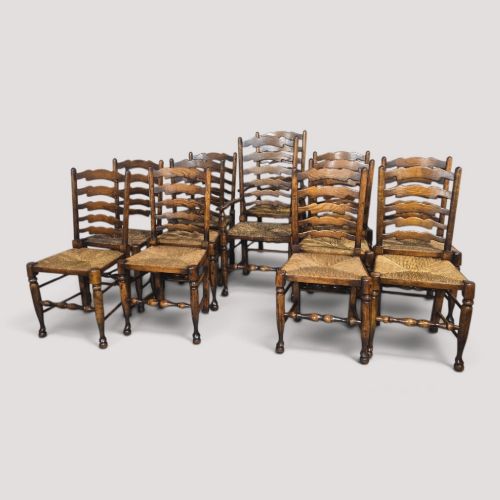
Metal hardware was kept functional, utilising iron hinges and brass fittings only where necessary to secure doors or lid chests. Rush seating appeared in ladder back chairs, while wood inlay occasionally embellished panels on chests originating from specific areas like Leeds.
Current listings feature oak alongside elm, fruitwood, brass, iron, rush and fabric across seventeenth-century vernacular, Georgian and nineteenth-century periods.
What separates the best pieces
Quality in this category rests upon the integrity of the timber, the crispness of vernacular carving and the survival of original surface patination. Pieces that retain their early boarded backs, original ironwork and uncompromised structural timbers stand apart from heavily altered examples.
Proportion and regional fidelity dictate distinction, where a tridarn or coffer displaying pronounced local characteristics commands greater interest. The skill evident in the pegging and frame assembly reveals whether a rural carpenter worked with true mastery.
The Regional Oak Furniture Glossary
- Tridarn
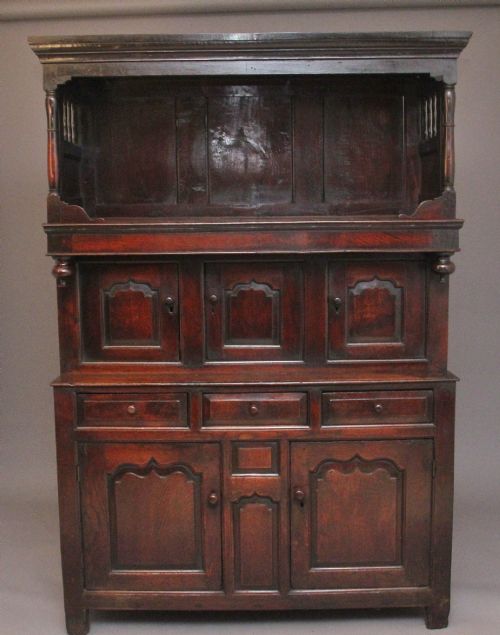
- A large three-tiered Welsh cupboard featuring an open middle section and enclosed top and bottom compartments. This form evolved from the earlier bidarn and served to display plate while storing provisions.
- Coffer
- A heavy wooden chest with a hinged lid used for storing valuables, linens or dry goods. Early examples often feature carved panels or boarded construction.
- Lambing chair
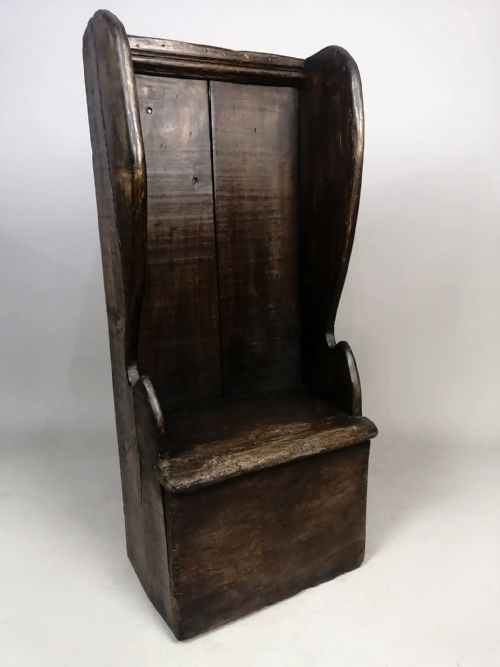
- A high-backed Windsor or solid wood armchair traditionally featuring enclosed sides to protect the sitter from draughts in farmhouses. Some examples incorporate a drawer beneath the seat.
- Low boy
- A small side table with drawers, raised on relatively tall legs, commonly associated with eighteenth-century domestic spaces. They functioned as dressing tables or serving surfaces.
- Spindleback
- A chair design utilising numerous thin turned wooden rods forming the backrest. These light yet strong frames were common in regional English seating traditions.
Regional Oak Furniture: Frequently Asked Questions
What is a tridarn?
A tridarn is a substantial three-tier Welsh cupboard designed for storage and display in rural homes. They typically feature an open middle section flanked by turned spindles.
These imposing pieces formed the centrepiece of traditional Welsh farmhouses and required considerable skill from local carpenters to construct.
How do I identify Welsh oak furniture?
Welsh pieces often display distinct regional traits such as heavy panelled construction, specific cornice mouldings and carved initials or dates. Snowdonia and the Gower Peninsula developed particularly recognisable local styles.
Examining the construction methods and timber choice helps connect a piece to its specific valley or coastal origin.
What is a lambing chair used for?
Lambing chairs provided shelter from cold draughts in traditional farmhouses through their high panelled or winged backs. They often included enclosed sides and occasionally a small under-seat compartment.
Their solid construction made them durable seats near the hearth during cold winter months.
Where should I place a coffer?
Coffers function well as practical storage units at the foot of a bed, beneath windows or as hallway benches. Their flat lids allow them to double as occasional surface space.
Ensure they sit away from direct heat sources to protect the historic oak timbers from drying out.
How do I care for antique oak?
Antique oak benefits from stable indoor humidity and occasional applications of beeswax to nourish the dry wood grain. Avoid placing pieces near radiators or in direct sunlight.
Gentle dusting with a soft cloth preserves the natural patination built up over centuries of use.