

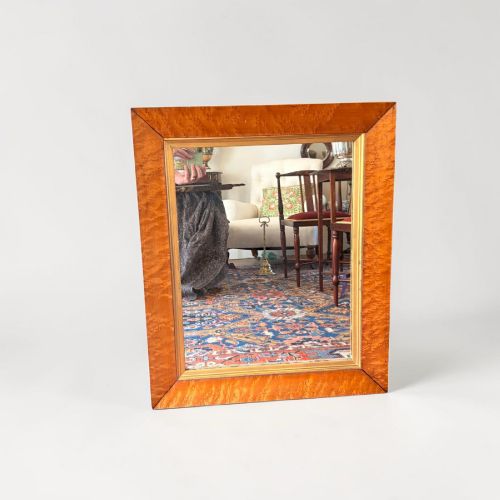
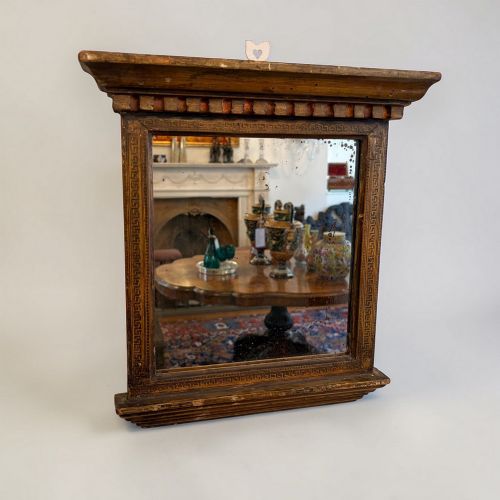
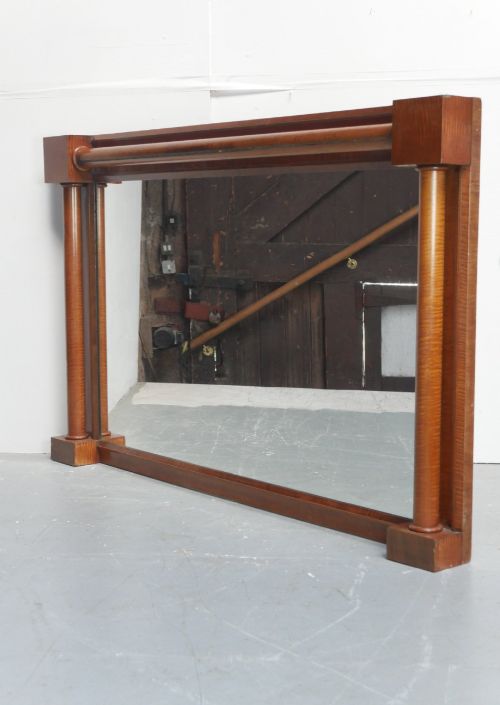
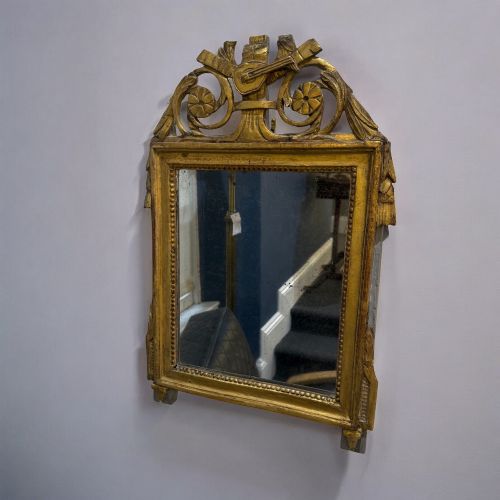
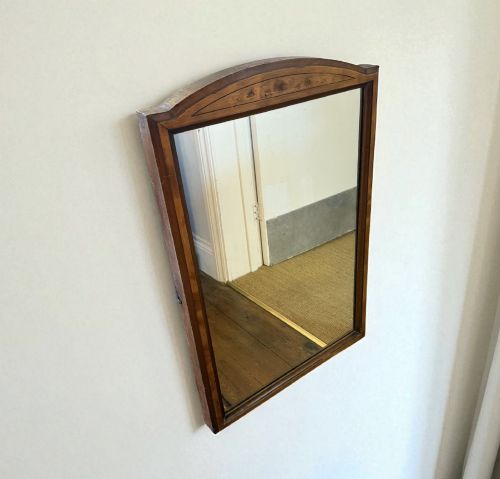
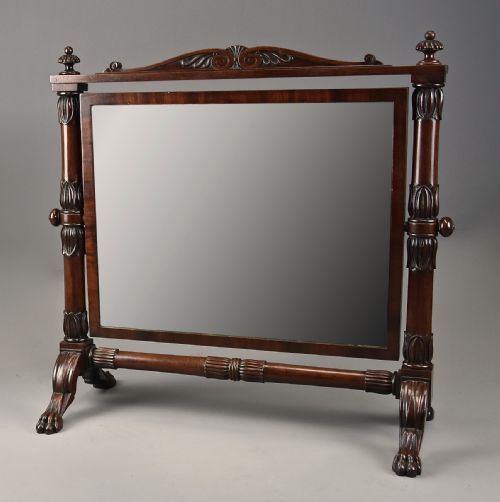
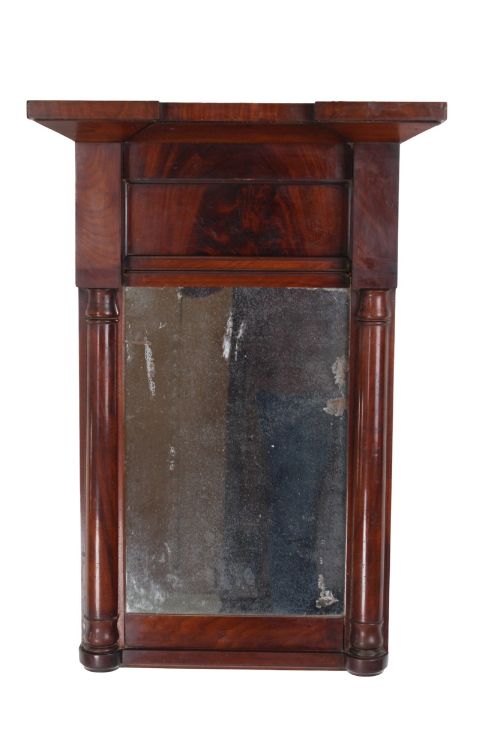
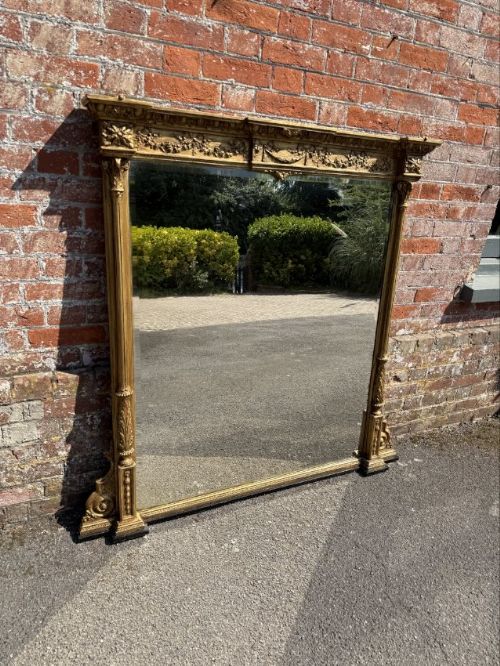


Regency Wooden Framed Mirror
A regency wooden framed mirror brings architectural depth and rich timber tones to a room, offering both practical reflection and period character.
Regency Wooden Framed Mirror
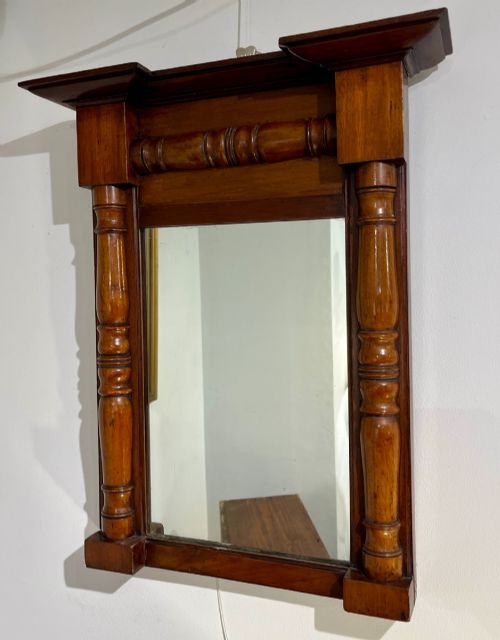
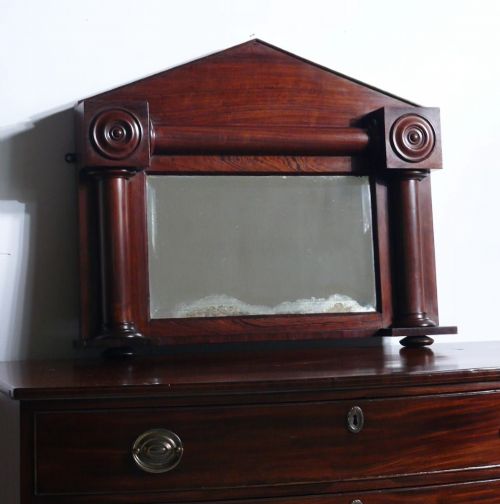
A regency wooden framed mirror embodies the refined aesthetic of the early nineteenth century, combining classical proportions with distinct timber frames. These pieces take various functional forms including wall mirrors, pier mirrors designed to hang between windows, and overmantel mirrors meant for placement above a fireplace.
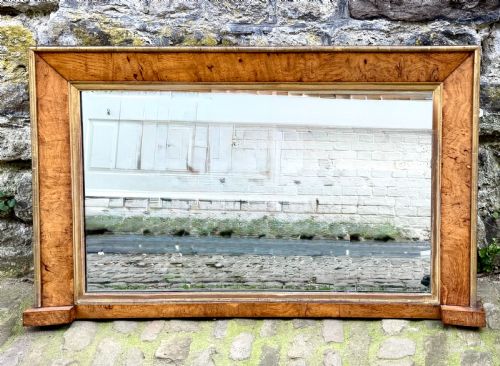
The versions most frequently encountered on this page date from the nineteenth century, spanning the Regency period itself alongside later Victorian revivals and Georgian survivals. Woods such as mahogany, rosewood and birds-eye maple dominate the selection, often accented with giltwood, gesso or brass detailing.
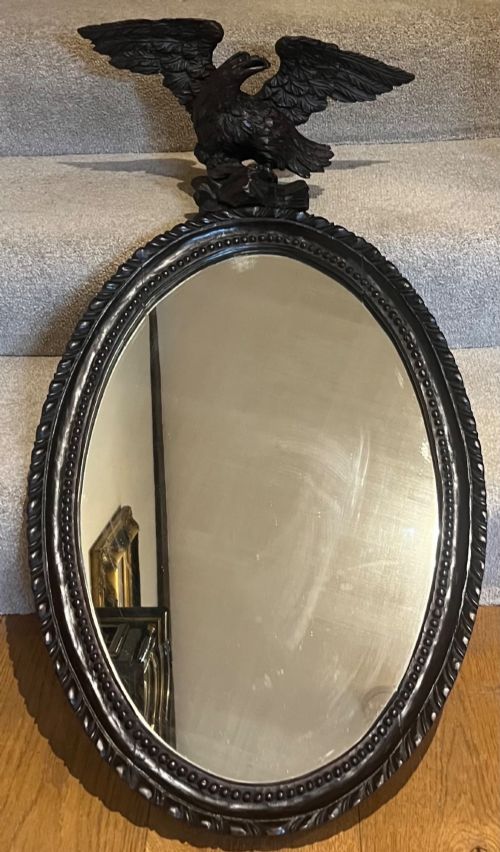
Formats range from small hanging glasses to large Cheval mirrors and divided two-section plates. Many incorporate architectural elements like columns, carved eagles or reverse glass prints, reflecting the diverse decorative tastes of the era.
Materials and construction methods
Makers utilised dense cabinet timbers like Cuban mahogany, rosewood and kingwood, selecting them for their rich grain patterns and durability. Lighter woods such as birds-eye maple and maple also appear, providing a striking contrast to darker interiors.
Surface ornamentation relied on applied gesso and giltwood to create classical motifs and gilded highlights against the dark wood. Brass detailing, columns and turned frames further enhanced the structural composition of the glass housing.
Regency Wooden Framed Mirror Retail Price Guide 2026
Typical asking prices for regency wooden framed mirror among the pieces listed under this phrase on Sellingantiques today, from the lower quarter to the upper quarter. They describe what is for sale here now, not the wider market.
One exceptional mirror hides a naval battle behind glass.
Distinguishing quality in period mirrors
The hierarchy of quality rests primarily on the selection of timber and the precision of the joinery. Highly figured veneers like burr maple or finely grained rosewood indicate a more ambitious commission than plain secondary woods.
Carved details and applied gesso ornamentation show varying degrees of hand work and crispness. Pieces retaining original mirror glass, reverse glass prints or intact brass fittings hold a more complete historical integrity.
P & MA Nicholson
The Regency Wooden Framed Mirror Glossary
- Pier mirror
- A tall, narrow glass designed specifically to hang on the wall space between two windows. These often sat above low pier tables.
- Overmantel mirror
- A wide glass proportioned to fit the mantelpiece space above a fireplace. They frequently feature architectural framing or divided plates.
- Cheval mirror
- A freestanding full-length dressing mirror suspended on a vertical pivoted frame. The user can tilt the glass to various angles.
- Gesso
- A plaster-like material applied to wooden frames and moulded into decorative reliefs before gilding or painting. It allows for intricate classical ornamentation.
- Reverse glass print
- An artwork painted or printed on the back of a glass panel. This technique protects the image and produces a characteristic glossy sheen.
Regency Wooden Framed Mirror: Frequently Asked Questions
Where should I hang a pier mirror?
Pier mirrors work best in narrow wall spaces, particularly between windows or above a console table, where they bounce light around the room.
Their vertical proportions help to draw the eye upward and enhance the sense of height in a reception room or hallway.
How do I distinguish an overmantel mirror?
Overmantel mirrors are typically wider than they are tall, designed specifically to sit horizontally along the chimney breast above a fireplace.
They often incorporate heavier frames, divided sections or architectural elements to balance the masonry of the hearth below.
What is a cheval mirror used for?
A cheval mirror functions as a freestanding dressing glass that allows a full-length view of attire.
Mounted on a pivoted frame with a stable base, it can be tilted to suit the viewer.
How do I care for antique mirror glass?
Antique mirror glass requires gentle cleaning with a soft cloth and minimal moisture to protect both the silvering behind the plate and the surrounding wood frame.
Avoid harsh chemical sprays that can seep behind the edges and accelerate degradation of the original reflective backing.