






Antique Wooden Mirror Set
An antique wooden mirror set gathers timber framing and reflective glass into a coherent domestic arrangement.
Antique Wooden Mirror Set
When you search for an antique wooden mirror set, you look for matched or coordinated timber-framed looking glasses and associated furniture pieces from periods such as the Victorian era, Regency, and the 1930s. The listings on this page encompass console tables paired with mirrors, dressing chest suites, and framed groupings that bring period character to a room.
You are most likely to encounter oak and walnut frames, often associated with dressing chests or console tables, alongside grouped Regency rosewood frames or Italian gilt pieces. These arrangements combine functional glass surfaces with substantial timber construction characteristic of their respective decades.
Materials and construction
Makers utilised solid and veneered timbers including oak, walnut, mahogany, and rosewood, selected for grain pattern and colour. Frames and associated furniture frequently incorporated brass hardware, marquetry stringing, and inlaid details to enrich the timber surfaces.
Glass mirrors and cut crystal components were integrated into wooden frames and cabinetry, relying on traditional joinery techniques suited to the Victorian, Arts and Crafts, and later twentieth-century workshops.
Antique Wooden Mirror Set Retail Price Guide 2026
Typical asking prices for wooden mirror set among the pieces listed under this phrase on Sellingantiques today, from the lower quarter to the upper quarter. They describe what is for sale here now, not the wider market.
The selection includes pieces from the Regency era through to the 1930s Cotswold School and Art Deco periods.
Judging quality in timber and glass
Quality rests in the selection of timber, where figured grain, clean marquetry stringing, and solid construction distinguish finer pieces from standard production. The integration of the mirror glass within the wooden frame also indicates the level of craftsmanship involved.
Cohesion between paired items, such as a console table and its matching mirror or a complete dressing room suite, dictates the overall integrity of the set. Finer examples display harmonious proportion and consistent detailing across all included components.
The Antique Wooden Mirror Set Glossary
- Marquetry
- Decorative inlay using various woods to create pictorial or geometric patterns on furniture surfaces. It adds visual complexity to the timber panels of cabinets and frames.
- Console table
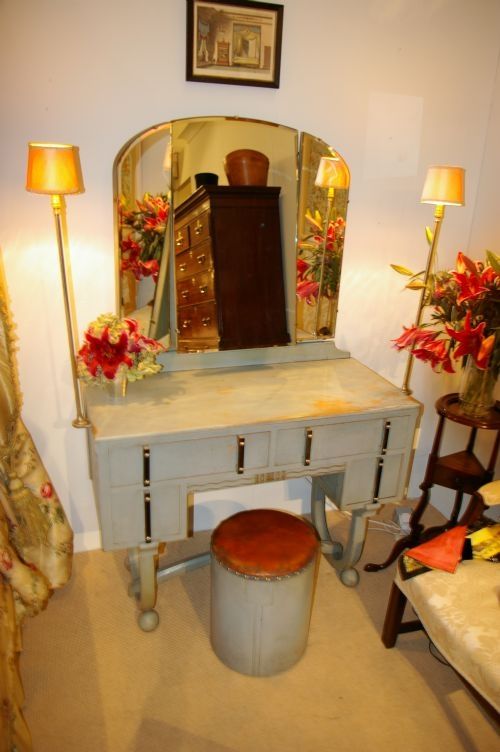
- A table designed to stand against a wall, frequently paired with a matching wall mirror above it. This combination forms a traditional decorative and functional unit in a room.
- Tantalus
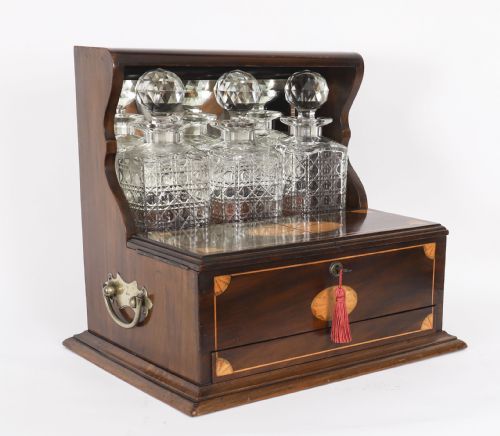
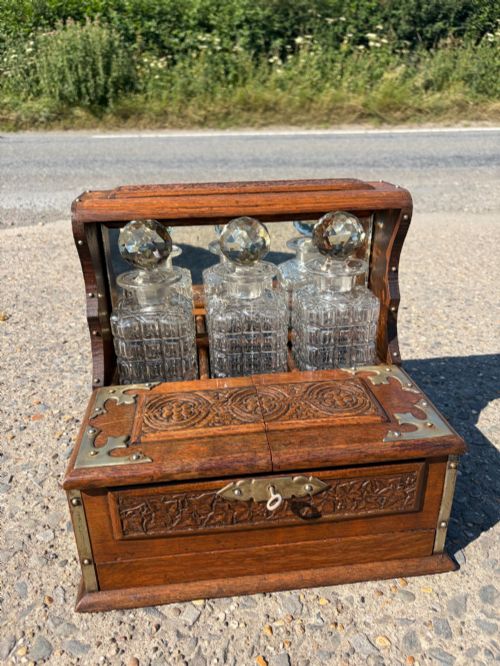
- A locking wooden frame holding decanters, sometimes incorporated into games compendiums and dry bar sets. The design secures the contents behind a barred wooden bracket.
- Gilt
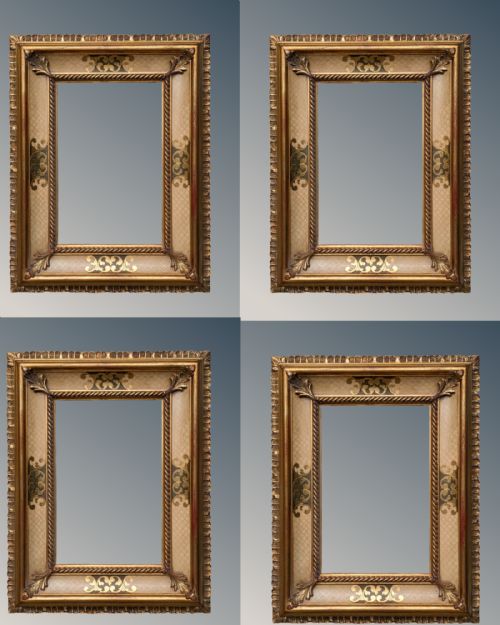
- A thin layer of gold leaf or gilt paint applied to wooden frames. This technique provides a bright metallic finish that contrasts with dark timber or plaster mouldings.
Antique Wooden Mirror Set: Frequently Asked Questions
What periods do these mirror sets come from?
The pieces span the nineteenth and twentieth centuries, including Victorian, Regency, Arts and Crafts, and 1930s designs. Each era brings distinct timber choices and decorative styles to the framed glass and companion furniture.
Craftsmanship reflects the prevailing aesthetic of the period, from ornate marquetry to the simpler lines of the Cotswold School and Art Deco movements.
How were console tables used with mirrors?
Console tables paired with wall mirrors served as focal points in entrance halls and reception rooms, providing a surface for small objects while reflecting light.
The combined set maximised visual space and offered a practical arrangement for checking appearance before leaving the room.
Are these sets matching items?
Some listings present suites designed together, such as dressing chests with coordinated mirrors or matched sets of framed wall mirrors. Others group related furniture and glass sharing a common period style.
Examining the timber grain and decorative motifs helps identify whether items were originally produced as a unified suite.
How do I care for antique wood and mirror glass?
Maintain the timber surfaces with appropriate wax polishes to preserve the finish and prevent the wood from drying out. Avoid excessive moisture on both the timber and the edges of the mirror glass.
Clean the glass gently with a soft cloth and mild solution, ensuring liquid does not seep behind the wooden frame where it could damage the backing.